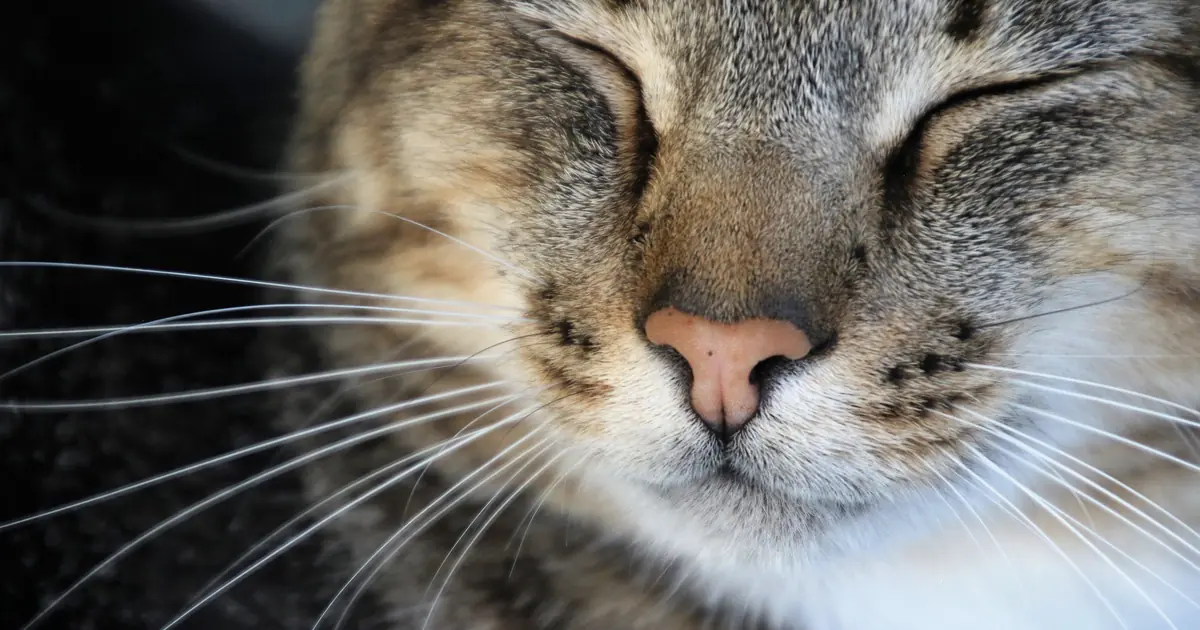
Picture this. Your cat is curled up on the couch, purring away like a tiny motor. Sweet, right? Usually, yes. But here’s the thing most cat parents never hear: that same rumble can show up when your cat feels awful. So do cats purr when sick? They absolutely can, and it catches a lot of people off guard.
We’re taught that purring means “happy cat,” full stop. But cats also purr to comfort themselves when they’re hurting, scared, or unwell. That doesn’t mean every purr is a red flag. It just means the purr alone can’t tell you your cat is fine. You have to look at the whole picture.
- Cats purr when sick, injured, in pain, frightened, or stressed, not only when they are happy or content.
- Purring is a self-soothing behavior that helps cats calm down and cope with discomfort.
- A cat’s purr sits roughly between 25 and 150 Hz, and a popular theory suggests these low vibrations may aid healing, though this remains unproven.
- A purring cat is not automatically a healthy cat, so judge health by the full picture, not the purr.
- Purring paired with hiding, not eating, a hunched posture, or dull eyes is a reason to call your vet.
Do cats purr when they are sick or in pain?
Yes, cats do purr when they are sick or in pain. Purring is not a reliable “I’m happy” signal on its own. Cats purr in a surprising range of situations: while relaxing, while nursing kittens, and also while sick, injured, frightened, or dying. A cat can come in with a broken leg and still be rumbling away on the exam table.
So why does this happen? Purring seems to be a coping tool. It’s less about mood and more about self-regulation. A content cat purrs, and a suffering cat can purr too, for a completely different reason. Learning to read purring in context separates a worried guess from a good read on your cat’s health.
Why do cats purr when they feel unwell?
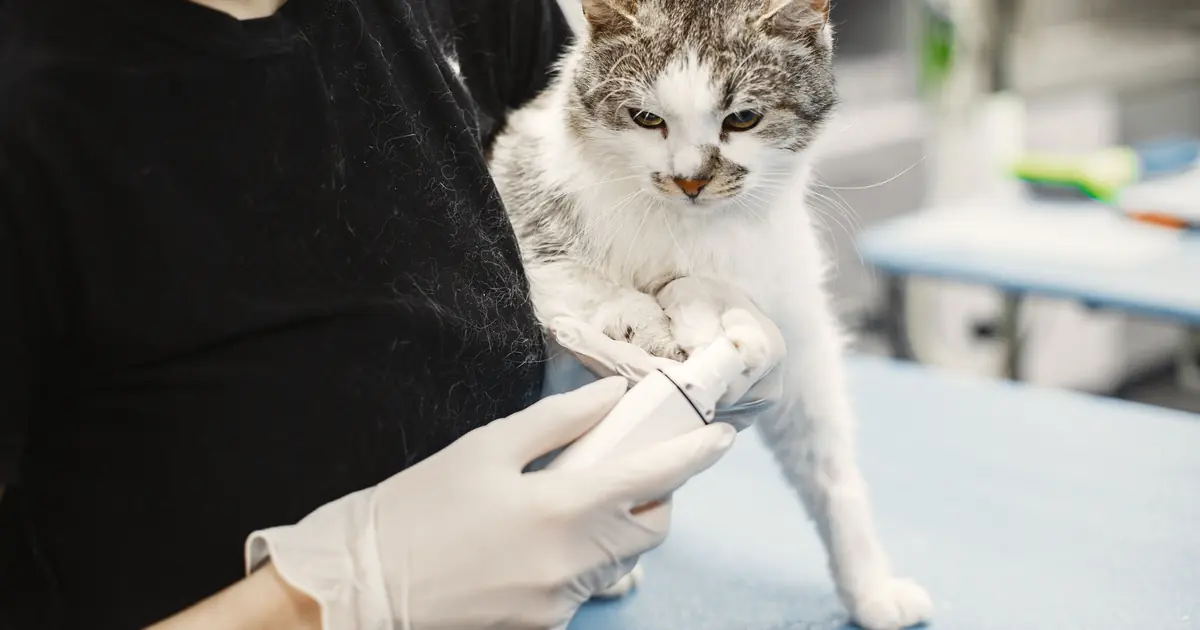
Cats purr when they feel unwell mainly to self-soothe. Think of it like the feline version of a child sucking their thumb or a person taking slow, deep breaths to calm down. The rhythmic vibration appears to help cats settle their nervous system and ride out stress, fear, or pain.
There’s a chemical piece too. Purring is thought to trigger the release of endorphins, the body’s natural feel-good and pain-dampening compounds. That may help a hurting cat cope with discomfort while lowering stress. In other words, an unwell cat isn’t purring because everything is great. The cat is purring to feel a little better.
This self-soothing side of purring overlaps with how cats handle everyday tension. To spot the difference between comfort and coping, it helps to know the broader signs of stress in cats so a “calming” purr doesn’t slip past you.
Can a cat’s purr actually help it heal?
Maybe, but it’s a theory, not a proven fact. A cat’s purr usually vibrates at a low frequency, roughly 25 to 150 Hz. Researchers have noticed that these frequencies overlap with the range used in some vibration therapy studies, where low-frequency vibration seemed to support bone density, tissue repair, and pain relief.
That overlap led to a popular idea: that cats may purr partly to help their bodies heal and recover. It’s a lovely thought, and there’s intriguing early science behind the frequencies. According to International Cat Care, purring is a complex behavior that does more than signal happiness.
Here’s the honest part, though. Most of that vibration research comes from mechanical devices, not from purring cats, and large clinical trials proving purrs heal bones don’t exist yet. So treat the healing-purr idea as an interesting theory, not a reason to skip the vet. A purr is not medicine.
How can I tell a happy purr from a sick or stressed purr?
You tell a happy purr from a sick purr by looking at everything else your cat is doing, not the purr itself. A content cat looks relaxed: soft eyes, loose body, maybe some slow blinks, kneading, or a raised tail when you walk in. A hurting or sick cat purrs while the rest of the body tells a different story.
Watch for a hunched or tucked posture, hiding in odd spots, flattened ears, a tense face, dull or squinted eyes, and a cat who won’t eat, play, or move much. A cat that’s purring but refusing to engage should be treated as possibly in pain, not happy. Body language rarely lies, even when the purr sounds sweet. Learning how to spot hidden pain is the single best skill here.
| Signal | Content or happy purr | Sick, stressed, or pain purr |
|---|---|---|
| Body posture | Loose, relaxed, sprawled or curled softly | Hunched, tucked, tense, or frozen |
| Eyes | Soft, half-closed, slow blinks | Dull, wide, or squinted shut |
| Ears | Forward and neutral | Flattened, sideways, or pinned back |
| Behavior | Seeks you out, kneads, plays, eats well | Hides, withdraws, won’t eat or move |
| Context | Petting, lap time, mealtime, sunbathing | After injury, at the vet, while ill or scared |
Why does my cat purr when relaxed but also at the vet?
Your cat purrs in both spots because purring serves two very different jobs. On your lap, purring is the classic content, bonding rumble, the same one you feel when your cat settles on you. If you’ve ever wondered about that cozy version, it’s the same instinct behind the content, bonding purr so many cats do on your chest.
At the vet, it flips. The clinic is loud, strange, and scary, so your cat purrs to self-soothe through the fear. Same sound, opposite reason. This is exactly why the setting matters so much. A purr during a nail trim or a scary car ride is a coping purr, not a sign your cat is enjoying the moment.
When should purring make me call the vet?
Purring should prompt a vet call when it comes bundled with other warning signs, not when your cat is simply relaxed and rumbling. The purr itself is never the emergency. The company it keeps is what matters.
Call your vet, or an emergency clinic, if your cat is purring alongside any of these: hiding away, refusing food for more than a day, labored or open-mouth breathing, straining in the litter box, vomiting or diarrhea, obvious injury or limping, a hunched painful posture, or sudden lethargy. Trust your gut too. You know your cat’s normal better than anyone. For reliable background reading, the Cornell Feline Health Center and VCA Hospitals are solid places to start.
This article is educational and not a substitute for veterinary care. If your cat seems unwell or in pain, please consult a licensed veterinarian.
The bottom line on purring and sickness
A purr is one of the best sounds in the world, and most of the time it really does mean your cat is content. But do cats purr when sick? Yes, and that’s the part worth remembering. Purring can be a comfort tool for a cat that’s hurting, scared, or unwell, so it can never be your only health check. Read the purr, then read everything else: the eyes, the posture, the appetite, the hiding. Judge your cat’s health by the whole picture, not the purr alone.
Frequently asked questions
Q: Does a purring cat always mean it’s happy?
No, a purring cat does not always mean it is happy. Cats purr when content, but they also purr to self-soothe when sick, injured, frightened, or stressed. Always check your cat’s body language and behavior before assuming the purr means everything is fine.
Q: Do cats purr when they are dying?
Yes, some cats purr even when they are very ill or near death. This is thought to be a self-soothing response that helps them cope with fear and pain. A purr in this situation is not a sign of comfort with the situation, so lean on your vet for guidance.
Q: Can a cat’s purr really heal bones?
There is a popular theory that a cat’s low-frequency purr, around 25 to 150 Hz, may support bone and tissue healing. The idea is intriguing but unproven, since most evidence comes from vibration devices rather than actual cats. Treat it as a theory, not a reason to skip veterinary care.
Q: Why does my cat purr when I pet a sore spot?
Your cat may purr when you touch a sore spot because purring helps them self-soothe through discomfort, not because it feels good. If your cat purrs but also flinches, tenses, or pulls away when touched in one area, treat it as possible pain and have your vet check it.
Q: How do I know if my cat is purring from stress?
A stress purr usually shows up with other tension signals, like flattened ears, a tucked body, wide eyes, hiding, or a scary setting such as the vet or a car ride. If the purr appears with these signs rather than relaxed lap time, it is likely a self-soothing purr.
Q: Can kittens purr when sick?
Yes, kittens can purr when sick, just like adult cats. Kittens start purring within days of birth, partly to bond and self-soothe. Since kittens can go downhill quickly, a purring kitten that is not eating, is very sleepy, or feels cold should see a vet promptly.

Hello and welcome to The Ideal Cat!
We are some passionate cat owners from different professions. We love our cats and have a lot of experience in how to care for our pets. We are incredibly excited to share our knowledge, experience, and research with you. So you can take good care of your loving cat. We will answer most of the common questions about owning cats, taking care of them, etc. If you have any question contact with us. Thanks for visiting! Enjoy the content.
