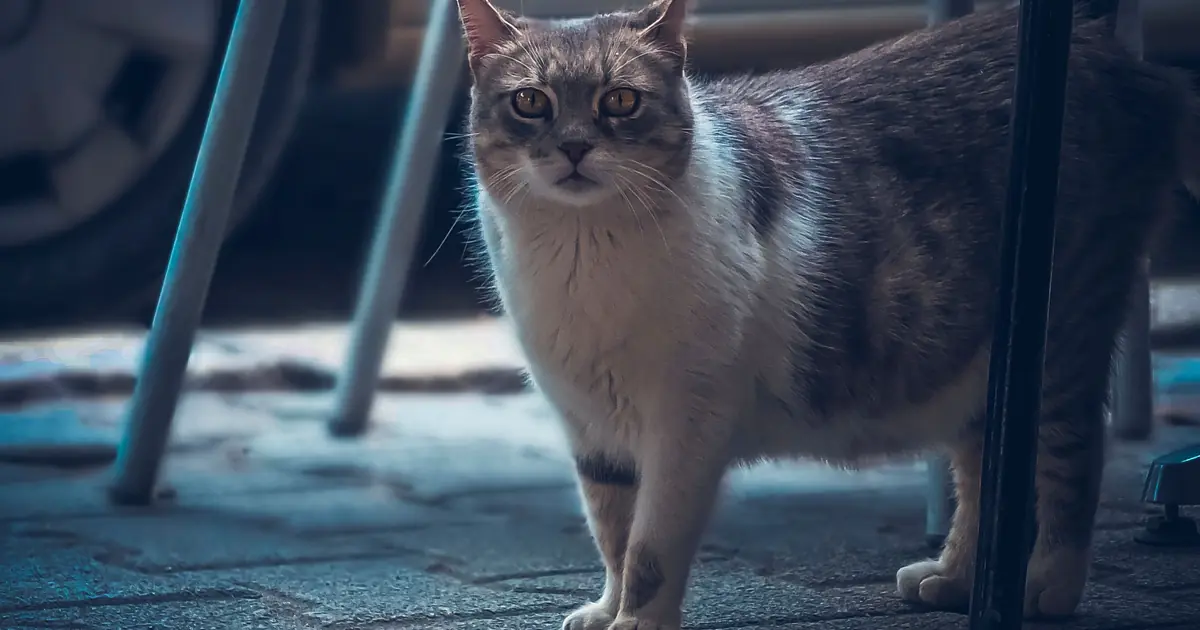
You’re petting your cat like always, and your hand stops. There’s a smooth patch where thick fur used to be. Maybe it’s a bald strip down the belly, or a thinning patch near the tail. Your stomach drops a little. Is your cat sick? Is this serious?
Here’s the thing to hold onto first: if you’re asking why is my cat going bald, you’re actually asking the right question, because bald spots almost always point to a fixable cause. Feline hair loss, called alopecia, is a symptom, not a disease of its own. Something is making the fur fall out or come off, and once your vet finds the trigger, most cats grow their coat right back.
- Feline hair loss (alopecia) is a symptom, not a disease, and it almost always has a findable, treatable cause.
- Fleas and flea-allergy dermatitis are the most common reason cats go bald, often on the belly, back legs, and base of the tail.
- Over-grooming leaves skin that looks normal underneath, while parasites, ringworm, or allergies usually leave skin that’s red, scabby, or scaly.
- Ringworm is a contagious fungal infection that often shows up as circular, crusty patches and can spread to other pets and people.
- A vet visit and simple tests (flea comb, skin scrape, fungal culture) pinpoint the cause, and the right treatment depends entirely on that cause.
Why is my cat losing hair in the first place?
Your cat is losing hair because something is irritating the skin, triggering over-grooming, or damaging the hair follicles directly. Feline alopecia is not one condition. It’s the visible end result of many possible triggers, from parasites to allergies to stress. That’s actually good news, because it means the bald patch is a clue pointing you toward a cause you can treat.
There are two broad ways cats go bald. Sometimes the hair falls out on its own because a follicle is damaged or infected. More often, the cat removes the hair by licking, chewing, or scratching a spot that itches or hurts. Cats are quiet, tidy groomers, so many parents never see it happen. You just find the bald patch later. The Merck Veterinary Manual notes hair loss can come from parasites, allergies, infections, and other medical issues, which is why a proper diagnosis matters so much.
What is the most common cause of a cat going bald?
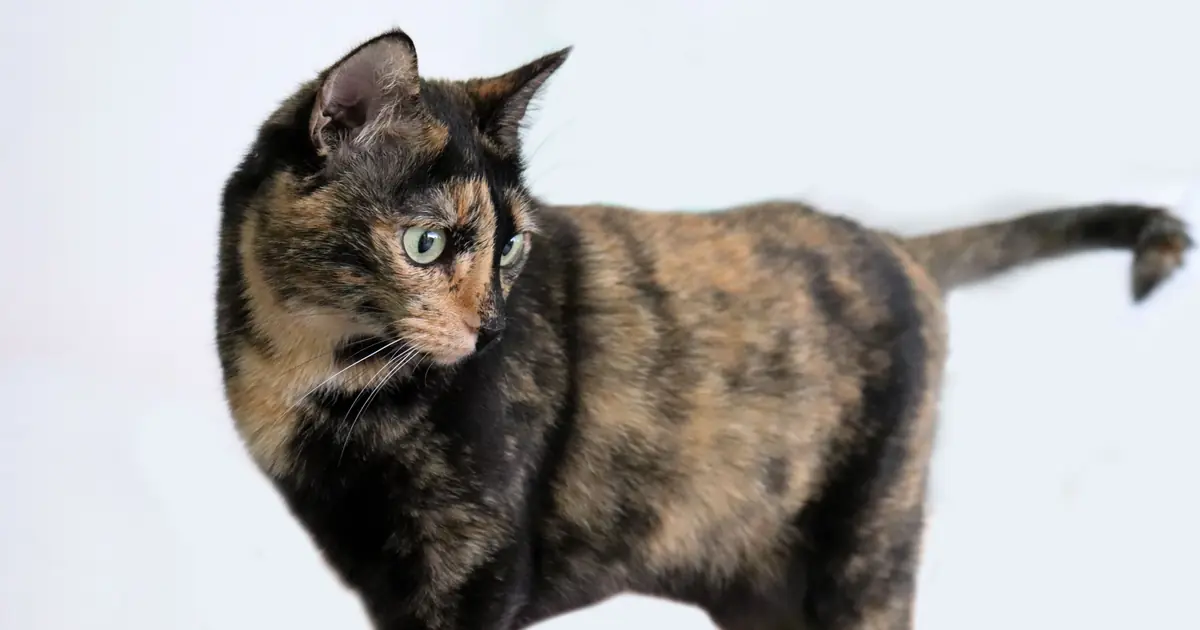
The most common cause of a cat going bald is fleas and flea-allergy dermatitis. Flea-allergy dermatitis is an intense immune reaction to proteins in flea saliva, and in an allergic cat, even one or two bites can set off severe itching. The cat responds by licking and chewing like crazy, and the fur comes out in patches.
The pattern is telling. Flea-related hair loss usually shows up along the lower back, the base of the tail, the belly, and the back legs. You might not spot a single flea, because allergic cats groom so obsessively they remove the evidence. Don’t rule out fleas just because you can’t find one.
If fleas are the culprit, no cream or supplement fixes the coat until the fleas are gone. A vet-recommended cat flea treatment is the real starting point, and honestly, prevention is far easier than chasing a full-blown flea allergy after the fact.
What else makes cats go bald besides fleas?
Beyond fleas, cats go bald from allergies, ringworm, stress-grooming, mites, and less often from hormonal or other medical conditions. Each one leaves slightly different clues, which is how a vet narrows it down.
- Allergies (food or environmental): Food allergies and environmental allergies (think pollen, dust, mold) cause itchy skin, over-grooming, scabs, and thinning fur, often around the head, neck, belly, and legs.
- Ringworm: Ringworm is a fungal infection, not a worm at all. It often creates circular, crusty, scaly bald patches, sometimes red in the center, commonly on the head, ears, and front legs. It’s contagious to other pets and to people, so it needs prompt vet care.
- Over-grooming from stress or pain (psychogenic alopecia): Some cats lick themselves bald to soothe anxiety, a behavior called displacement grooming. The bald areas are typically on the belly, inner legs, and flanks, and the skin underneath usually looks normal. Pain, like arthritis or a bladder issue, can also drive a cat to over-groom one spot.
- Mites: Mites such as Notoedres cati (feline mange), Cheyletiella (walking dandruff), and Demodex irritate the skin and trigger scratching and hair loss, often with flaking or crusting.
- Hormonal and other medical conditions: Less commonly, issues like hyperthyroidism or other illnesses show up partly as coat changes and hair loss.
If your cat is a stress-groomer, look at what changed in their world. A new pet, a move, a schedule shift, even a rearranged room can set a sensitive cat off. Our guide to signs of stress in cats can help you spot the triggers hiding in plain sight.
How can I tell what’s causing my cat’s bald spots?
You can get a strong first clue by checking the skin underneath the bald patch and where the patch sits. When a cat over-grooms from stress, the exposed skin usually looks normal and healthy. When parasites, infection, or allergies are to blame, the skin tends to look red, scabby, scaly, or inflamed.
Location and itch level matter too. A tail-base and belly pattern points toward fleas. Circular, crusty patches on the head or legs raise the question of ringworm. Widespread itchy scabbing suggests allergies or mites. None of this replaces a vet’s diagnosis, but it helps you describe things clearly when you get there.
| Cause | Where it usually appears | What the skin and other signs look like |
|---|---|---|
| Fleas / flea-allergy dermatitis | Lower back, base of tail, belly, back legs | Itchy, sometimes red or scabby; flea dirt may be present; heavy grooming |
| Allergies (food or environmental) | Head, neck, belly, legs | Red, itchy skin, scabs, over-grooming, thinning fur |
| Ringworm (fungal) | Head, ears, front legs, anywhere | Circular, crusty, scaly patches, sometimes red in the center; contagious |
| Stress / psychogenic over-grooming | Belly, inner legs, flanks | Skin underneath usually looks normal; often symmetrical |
| Mites (mange, Cheyletiella, Demodex) | Head, ears, neck, body | Flaking, crusting, intense scratching, dandruff-like flakes |
Not every thin patch is a problem, either. Some cats have naturally sparse fur in front of the ears, and certain coats show normal thin spots. If you’re unsure whether you’re seeing real balding or a normal quirk, compare notes with why black cats get bald spots before you worry. And if the issue looks more like flaking than true balding, our piece on cat dandruff may fit better.
Why does my cat need a vet to diagnose hair loss?
Your cat needs a vet because the different causes of hair loss look surprisingly alike, yet each needs a completely different treatment. A ringworm cream won’t help a flea allergy, and flea meds won’t clear a fungal infection. Guessing wrong wastes time while your cat stays itchy and the bald patch grows.
The good news is that diagnosis is usually quick and low-stress. Vets take a history and physical exam, then run simple tests: a flea comb, skin cytology to check for bacteria or yeast, skin scrapings to find mites, and a fungal culture or lamp check for ringworm. These point straight to the cause so treatment actually works. VCA Hospitals and PetMD both stress that pinpointing the trigger is the whole game with feline alopecia.
How do I prevent my cat from going bald?
You prevent balding by removing the triggers before they start, and flea control leads the list. Consistent, year-round flea prevention stops the single most common cause of feline hair loss in its tracks. Pair that with a few simple habits and you cover most of the risk.
- Stay on flea prevention. Use a vet-recommended product all year, indoor cats included, since fleas hitch rides on people and other pets.
- Feed a good, complete diet. Quality nutrition supports healthy skin and a strong coat, and helps if food sensitivities are in play (your vet may suggest a diet trial).
- Lower stress. Keep routines steady, add vertical space and hiding spots, and use play to burn off anxiety before it turns into over-grooming.
- Groom regularly. Gentle brushing spreads skin oils, removes loose hair, and lets you catch bald patches early. A good cat brush makes this a bonding moment, not a chore.
- Act early. Book a vet visit at the first sign of a spreading patch, scabbing, or non-stop licking, rather than waiting to see if it clears on its own.
When to see a vet: Call your vet if the bald patch is spreading, the skin looks red, scabby, crusty, or inflamed, your cat is scratching or licking non-stop, or you notice other changes like weight loss, appetite changes, or low energy. Sudden or widespread hair loss deserves a prompt visit. This article is educational and isn’t a substitute for hands-on veterinary care, so let a licensed vet examine your cat to pin down the cause.
Frequently asked questions about cats going bald
Q: Is a cat going bald an emergency?
A cat going bald is usually not an emergency, but it does need a vet visit. Alopecia is a symptom of something treatable, like fleas, allergies, or infection. Seek care sooner if the skin is raw, bleeding, or spreading fast, or if your cat seems unwell in other ways.
Q: Can stress alone make my cat go bald?
Yes, stress alone can make a cat go bald through over-grooming, a behavior called psychogenic alopecia. Anxious cats lick themselves to self-soothe, often on the belly, inner legs, and flanks, leaving skin that looks normal underneath. A vet should still rule out fleas, allergies, and pain first, since those are more common.
Q: How do I know if my cat has ringworm or just a bald spot?
Ringworm usually shows up as circular, crusty, scaly patches, sometimes red in the center, often on the head, ears, or front legs. A plain bald spot from over-grooming tends to have normal-looking skin underneath. Only a fungal culture or vet exam can confirm ringworm, which is contagious to other pets and people.
Q: Will my cat’s fur grow back after going bald?
In most cases, yes, a cat’s fur grows back once the underlying cause is treated. Fleas, allergies, mites, ringworm, and stress-grooming are all treatable, and the coat usually returns over several weeks to a few months. Regrowth can be slower if the follicles were badly damaged or the cause lingers.
Q: Why is my cat losing hair on its belly and back legs?
Hair loss on the belly and back legs most often points to fleas and flea-allergy dermatitis, since cats over-groom those areas when flea saliva makes them itch. Over-grooming from stress can also target the belly and inner legs. A vet flea comb and skin check will sort out which one it is.
Q: Can indoor cats still get fleas and go bald?
Yes, indoor cats can still get fleas and go bald from them. Fleas travel indoors on people’s clothing, on other pets, and through open doors and windows. That’s why vets recommend year-round flea prevention for indoor cats too, especially any cat with a history of flea allergy.
Q: Does a bald patch on my cat mean cancer?
A bald patch rarely means cancer in cats. Hair loss almost always traces back to common, treatable causes like fleas, allergies, ringworm, mites, or stress-grooming. Serious underlying illness is far less common, but that’s exactly why a vet exam matters, so the real cause is confirmed rather than assumed.
Q: What can I put on my cat’s bald spot at home?
Don’t put creams, ointments, or human products on a cat’s bald spot without a vet’s guidance, since many are toxic if the cat licks them. The real fix is treating the cause, whether that’s fleas, allergies, or infection. Book a vet visit so the right treatment targets the actual problem.

Hello and welcome to The Ideal Cat!
We are some passionate cat owners from different professions. We love our cats and have a lot of experience in how to care for our pets. We are incredibly excited to share our knowledge, experience, and research with you. So you can take good care of your loving cat. We will answer most of the common questions about owning cats, taking care of them, etc. If you have any question contact with us. Thanks for visiting! Enjoy the content.
