- Slicker brushes with fine bent wire pins work best for long and medium coats and gently break up small mats.
- Bristle brushes and rubber curry brushes suit short-haired cats and lift loose fur while spreading natural skin oils.
- Deshedding tools like the FURminator pull out loose undercoat and cut down on hairballs, but shouldn’t be used more than once or twice a week.
- Short-haired cats do fine with brushing once or twice a week, while long-haired cats often need daily or near-daily brushing.
- Regular brushing reduces shedding, prevents painful mats, and gives you a chance to check your cat’s skin for lumps, fleas, or scabs.
Related reading: cat slicker brush. cat shedding brush. cat nail trimmer.
Our Top Picks
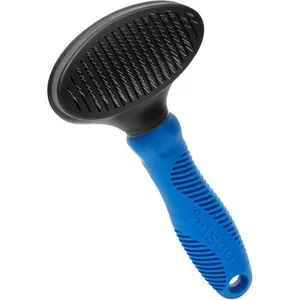
Frisco Self-Cleaning Slicker Cat Brush
Best Overall
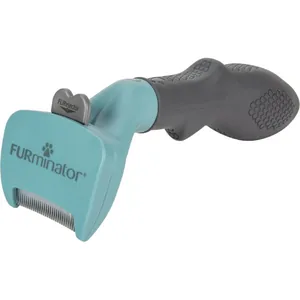
FURminator Long Hair Cat Deshedding Tool, Turquoise, Small
Best for Heavy Shedders
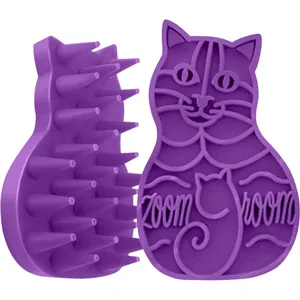
KONG Cat ZoomGroom Multi-Use Brush
Best for Sensitive or Skittish Cats
How to Pick the Right Cat Brush in 30 Seconds
Before you even look at the products, answer one question: what does your cat’s coat actually look like? That’s the only thing that matters. Use the table below to find your match.| Your Cat’s Situation | Brush You Need |
|---|---|
| Long hair, prone to mats (Persian, Maine Coon, Ragdoll) | Stainless steel comb + slicker brush |
| Short hair, sheds a lot | Deshedding tool or rubber brush |
| Sensitive skin or senior cat | Rubber brush or grooming glove |
| Kitten or first-time brushing | Soft pin/bristle brush or grooming glove |
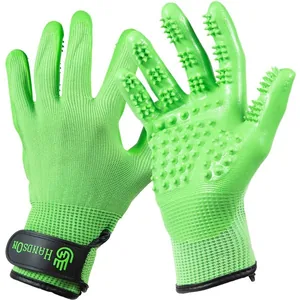
| Cat hates traditional brushes | Grooming glove (feels like petting) |
| Multi-cat household with mixed coats | Self-cleaning slicker brush (versatile) |
The 7 Best Cat Brushes on Chewy in 2026
1. Best Overall: Frisco Self-Cleaning Slicker Cat Brush
2. Best for Heavy Shedders: FURminator Long Hair Cat Deshedding Tool
3. Best for Sensitive or Skittish Cats: KONG Cat ZoomGroom
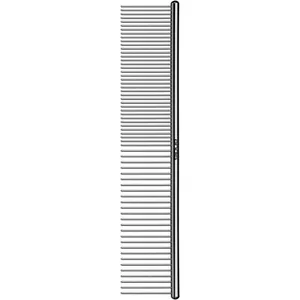
4. Best for Long-Haired and Matted Coats: Andis Steel Pet Comb
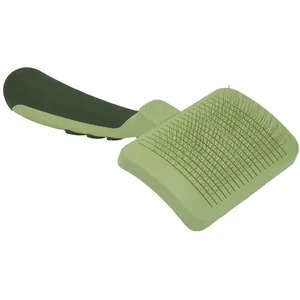
5. Best Slicker for Sensitive Skin: Safari Self-Cleaning Slicker Brush for Cats
6. Best for Cats Who Hate Brushes: HandsOn Grooming Gloves
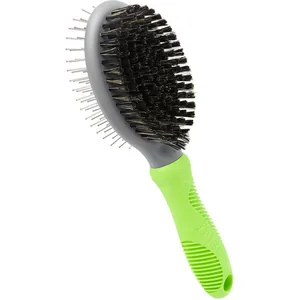
7. Best Dual-Purpose Brush: Frisco Cat & Dog Pin Bristle Brush
The Main Types of Cat Brushes Explained
Stuck choosing between brushes because the names mean nothing to you? Here’s a quick rundown so you know what you’re actually buying. Slicker brushes have a flat pad covered in fine, bent wire bristles. They’re great all-rounders for medium and long coats, working out small tangles and lifting loose undercoat. Self-cleaning versions retract the bristles for easy hair removal. Pin brushes look like a human hairbrush with widely-spaced metal or plastic pins. They’re gentler than slickers and work well for everyday detangling on medium-haired cats. Better for surface grooming than deep undercoat work. Bristle brushes have soft, dense bristles (sometimes boar hair or nylon). They don’t pull out much undercoat, but they distribute natural oils, smooth the coat, and feel pleasant. Best as a finishing tool or for kittens. Deshedding tools like the FURminator have a stainless steel comb-like edge designed to pull loose undercoat through the topcoat without cutting guard hairs. Use sparingly, once or twice a week max. Combs are simple metal tools with teeth. Sounds basic, but they’re the gold standard for working through mats, checking for fleas, and finishing a grooming session. Long-haired cat owners shouldn’t be without one. Grooming gloves are silicone or rubber-nubbed gloves that turn petting into grooming. They’re the best entry point for nervous cats and for short-haired breeds that shed a lot.Best Cat Brush by Breed
Some breeds need very specific brushing setups. Here are quick recommendations based on coat type.Maine Coon, Norwegian Forest Cat, Ragdoll
These big, fluffy cats have dense double coats that mat easily, especially around the armpits, belly, and ruff. You need two tools: a stainless steel comb (the Andis is ideal) for working out tangles, and a slicker brush or FURminator for removing loose undercoat. Brush daily during shedding season, every 2 to 3 days the rest of the year.Persian and Himalayan
Persians have the highest-maintenance coats in the cat world. Daily brushing is non-negotiable, otherwise mats form within days. Use a stainless steel comb every single day, and follow up with a slicker brush twice a week. If you skip even a few days, expect mats that may need professional grooming to remove.Siamese, Burmese, Oriental Shorthair
Sleek short-haired cats need way less brushing. Once a week with a soft bristle brush, pin brush, or rubber glove is plenty. These breeds usually love being “petted” with grooming gloves more than they like wire-bristle brushes.British Shorthair, American Shorthair
Dense plush coats that shed seasonally. A weekly rubber brush like the KONG ZoomGroom works well for normal weeks, and a deshedding tool once a week during heavy shedding seasons (spring and fall) keeps the fur tumbleweeds at bay.Sphynx (Hairless)
No brush needed, but you’ll want pet-safe wipes to remove excess skin oils a couple of times a week.How to Brush a Cat That Hates Being Brushed
Half of all cat parents I talk to swear their cat hates the brush. Here’s the thing: most of the time, it’s not the brush. It’s the introduction. Cats need slow, positive associations with new tools. Here’s how to win one over.- Let your cat sniff the brush first. Don’t even try to use it. Leave it out where your cat can investigate it. Reward sniffing with a treat.
- Pick the right moment. Wait until your cat is relaxed, drowsy, or already curled up in your lap. Never approach with a brush when they’re alert or playing.
- Start with one stroke. One. Then treat. Then stop. End the session before your cat decides they don’t like it.
- Build up gradually. Over a week or two, work up from 1 stroke to 3 strokes to 30 seconds to a couple of minutes.
- Start with the favorite spots. Most cats love brushing along the cheeks, chin, and the base of the tail. Save the belly and legs for once they trust the brush.
- Switch tools if needed. If your cat hates wire bristles, try a grooming glove. If a glove feels weird, try a rubber brush. The right tool exists, you just haven’t found it yet.
- Never force it. If your cat is twitching, growling, or trying to escape, stop. Forcing a brushing session creates a long-term aversion that’s hard to undo.
How Often Should You Brush Your Cat?
Brushing frequency depends entirely on coat type. Here’s the simple rule:- Long-haired cats: Daily, no exceptions. Even one missed day can lead to mats.
- Medium-haired cats: 2 to 3 times a week.
- Short-haired cats: Once or twice a week.
- Hairless cats: Skip the brush, but wipe down with pet-safe wipes 2 to 3 times a week.
- Senior cats of any coat: Brush more often, since older cats groom themselves less.
- Shedding season (spring and fall): Double whatever your normal routine is.
How to Clean and Care for Your Cat’s Brush
Here’s the part nobody talks about: a dirty brush is gross, and it actually makes brushing less effective. Hair and oils build up in the bristles, and over time the brush starts dragging instead of gliding. Worse, a dirty brush can spread bacteria or fungal spores back onto your cat’s skin. Here’s how to keep yours in top shape:- Remove hair after every session. Self-cleaning brushes make this easy. For others, use a fine-tooth comb or your fingers to pull hair off the bristles.
- Wash weekly during heavy use. Soak the brush head in warm water with a drop of dish soap or pet shampoo for 5 minutes. Use an old toothbrush to scrub between the bristles.
- Rinse thoroughly. Any soap residue can irritate your cat’s skin.
- Air dry completely before using again, especially metal-bristled brushes (they can rust).
- Replace when bristles bend, break, or lose their grip. A good quality brush should last 2 to 3 years with proper care.
What to Look for in a Cat Brush (Quick Checklist)
If you’re buying outside of our recommended picks, here’s what to check before adding to cart:- Bristle softness: Should match your cat’s skin sensitivity. Slicker bristles can be too sharp for delicate skin.
- Brush head size: Smaller heads work better for cats than oversized dog brushes.
- Handle grip: Look for a non-slip rubberized handle to prevent hand fatigue.
- Self-cleaning feature: Worth the extra cost. You’ll actually use a brush you don’t dread cleaning.
- Material durability: Stainless steel beats plastic for longevity, especially on combs.
- Cat-specific design: Look for “for cats” on the label. Dog brushes are often too aggressive for feline skin.
Regular grooming supports skin and coat health; the ASPCA and International Cat Care cover feline grooming basics.
Frequently Asked Questions
Q: Can I use a dog brush on my cat?
Sometimes, but be careful. Cats have thinner, more delicate skin than most dogs. Dog brushes are often larger and have firmer bristles that can scratch or irritate a cat. Stick to brushes labeled “for cats” or “for cats and dogs” whenever possible.Q: How do I get a mat out of my cat’s fur?
Small mats can be carefully worked out with a wide-tooth metal comb and your fingers. Hold the base of the mat near the skin to avoid pulling, and gently tease the hair apart. For large or tight mats, don’t use scissors (you can easily cut your cat’s skin). Take them to a professional groomer or vet for safe removal.Q: Are FURminator brushes safe for cats?
Yes, when used correctly. FURminators are designed to remove loose undercoat without damaging the topcoat or skin. Use light pressure, brush in the direction of hair growth, and limit sessions to 5 to 10 minutes once or twice a week. Daily use or aggressive brushing can cause skin irritation.Q: At what age can I start brushing my kitten?
You can start as early as 8 weeks. Use a soft bristle brush or grooming glove and keep sessions to just a minute or two. Starting young helps your kitten get comfortable with handling, which makes grooming much easier for their whole life.Q: Why does my cat bite the brush?
Cats may bite the brush out of overstimulation, play, or because the brushing is uncomfortable. Watch for warning signs like tail flicking, ear pinning, or skin twitching. Stop before they reach biting point, switch to a gentler tool, or shorten your sessions.Q: Does brushing my cat help with hairballs?
Yes, significantly. The more loose hair you remove with a brush, the less hair your cat ingests during self-grooming, which means fewer hairballs. Regular brushing can dramatically reduce hairball frequency, especially in long-haired breeds.Q: Can brushing too much hurt my cat?
Yes. Over-brushing can cause skin irritation, broken hairs, and even bald spots. Stick to your coat-type schedule (daily for long hair, weekly for short hair) and avoid aggressive deshedding more than twice a week. If you see red skin or your cat starts avoiding you, ease up.Q: Should I brush my cat before or after a bath?
Always brush before a bath. Wet fur turns small tangles into tight mats that are much harder to remove. Brush thoroughly to remove loose hair and detangle, then bathe. You can use a rubber brush during the bath to help work in shampoo.Final Thoughts on Choosing the Best Cat Brush
The best cat brush for your cat isn’t the highest-rated one on Amazon or the fanciest tool at the pet store. It’s the one that matches your cat’s coat type, your cat’s tolerance for being touched, and your willingness to use it consistently. If you’re starting fresh and only want to buy one brush, the Frisco Self-Cleaning Slicker is the safest bet for most cats. If your cat is a heavy shedder, add a FURminator to the mix. And if you have a long-haired cat, never go without a stainless steel comb like the Andis. Most importantly, remember that grooming isn’t just about a cleaner house or a shinier coat. It’s a few minutes of one-on-one time with your cat, and most cats (once they trust the process) genuinely love it. Pick the right brush, take it slow, and you and your cat will both end up looking forward to brushing sessions.
Hello and welcome to The Ideal Cat!
We are some passionate cat owners from different professions. We love our cats and have a lot of experience in how to care for our pets. We are incredibly excited to share our knowledge, experience, and research with you. So you can take good care of your loving cat. We will answer most of the common questions about owning cats, taking care of them, etc. If you have any question contact with us. Thanks for visiting! Enjoy the content.
