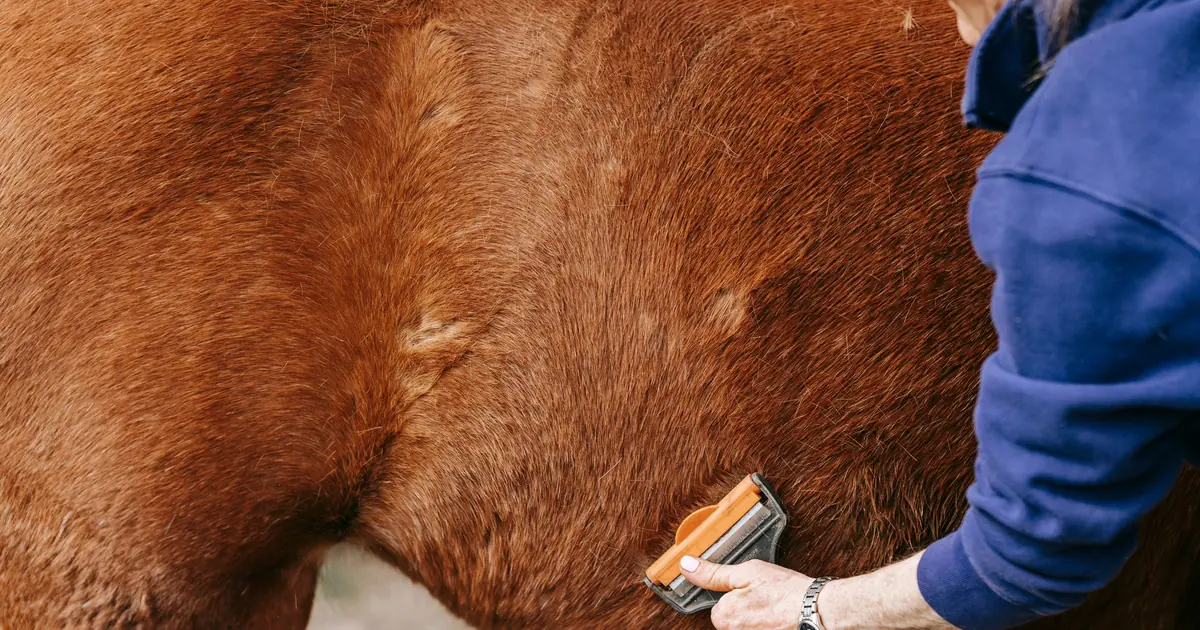
You go in for a scratch behind the ears, and there it is. A little snow squall of white flakes drifting off your cat’s back. Maybe you spot it on their favorite blanket, or catch a dusting along the spine right where they can’t quite reach. Learning how to get rid of cat dandruff starts with one calming fact: most flaky skin is a grooming, diet, and hydration problem, not an emergency.
Cat dandruff is just dead skin cells flaking off the coat, usually because the skin has gotten too dry or your cat isn’t spreading their natural oils around like they should. The fix is often simple stuff you can do at home. But persistent, itchy, or crusty dandruff can point to something a vet needs to look at. Let’s sort out the difference, then get those flakes gone.
- Most cat dandruff comes from dry skin, low humidity, dehydration, poor grooming, or a diet low in omega-3 fatty acids.
- Overweight and senior cats often flake along the back and tail base because they physically can’t reach those spots to groom.
- Omega-3 fatty acids from fish oil or a skin-support diet are one of the most reliable ways to calm dry, flaky cat skin.
- Never use human or dog dandruff shampoo on a cat; many contain ingredients like zinc, salicylates, or vitamin D that are toxic to cats.
- See a vet if dandruff sticks around, or comes with itching, scabs, hair loss, or moving flakes (“walking dandruff” mites).
What causes cat dandruff in the first place?
Cat dandruff is usually caused by dry skin, and dry skin has a handful of common triggers. A dandruff shampoo treats the symptom while you work on the cause. Knowing yours makes the fix a lot faster. Here’s the honest short list of what’s behind most flaky coats. For stubborn cases, a dandruff shampoo made for cats does what brushing alone can’t.
- Dry indoor air and low humidity. Winter heating and air conditioning pull moisture from the air, and your cat’s skin follows.
- Dehydration. Cats are famously bad drinkers. Too little water shows up in the skin first.
- A diet low in omega-3 fatty acids. These fats build healthy skin cells and lock in moisture. Skimp on them and the coat gets dull and flaky.
- Poor or reduced grooming. Overweight cats and senior cats often can’t twist around to reach their lower back and tail base, so oils never get spread there. That’s why you see flakes in exactly that spot.
- Parasites, allergies, and illness. Fleas, Cheyletiella mites, food or environmental allergies, ringworm, and conditions like diabetes or hyperthyroidism can all cause scaly, flaky skin.
Here’s the thing. If your cat is young, otherwise healthy, and just a little dry, the at-home steps below usually clear it up. If the flaking is stubborn or itchy, that’s your cue to loop in a vet. The Cornell Feline Health Center is a solid, trustworthy place to read more on feline skin health.
How do you get rid of cat dandruff at home? (Step by step)
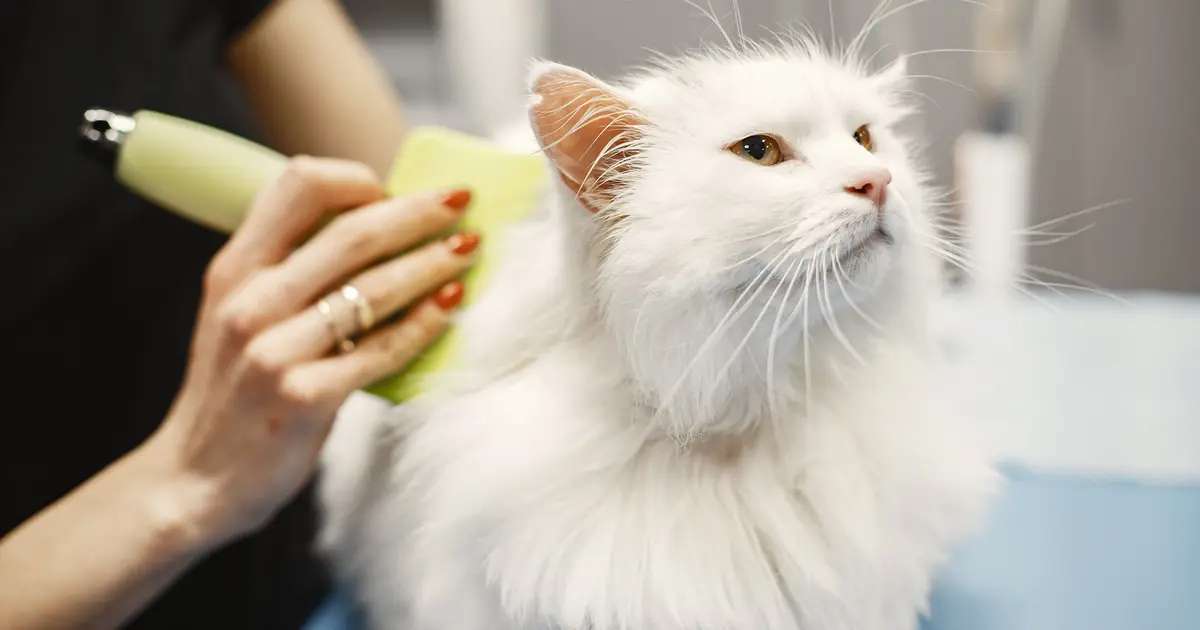
You get rid of cat dandruff by tackling dry skin from a few angles at once: grooming, diet, hydration, and gentle skin care. Do these together and most cats improve within a few weeks. Here’s the order I’d actually follow.
- Brush your cat regularly. Brushing lifts away dead skin and flakes and drags your cat’s natural oils across the whole coat, which is exactly what dry patches are missing. Aim for a few minutes several times a week, more for long-haired cats. A soft-bristle or rubber grooming tool works well; here’s how regular brushing distributes coat oils and which brush suits which coat.
- Boost omega-3 fatty acids in the diet. Omega-3s (EPA and DHA) help build healthy skin cells and calm dryness from the inside out. Switch to a quality food that lists real animal protein and fish oils, or ask your vet about a feline omega-3 supplement. Skip human fish oil capsules, since some contain added vitamin D that’s risky for cats. Feed the omega-3s, don’t guess the dose.
- Get more water into your cat. Hydrated skin flakes less. Add wet food, keep bowls clean and full, and consider a cat water fountain to encourage drinking, since running water tempts a lot of picky cats. Not sure what “enough” looks like? Here’s how much water your cat should drink a day.
- Use a moisturizing or anti-dandruff cat shampoo. If brushing and diet aren’t enough, a gentle bath can help, but only with a product made for cats. Look for a cat anti-dandruff shampoo with soothing oatmeal or moisturizers, or a mild general cat shampoo for a light clean. Never reach for human or dog dandruff shampoo. Bathe sparingly, since over-washing strips oils and makes flaking worse.
- Help overweight and senior cats groom. If your cat can’t reach their back, they need a hand. Brush those hard-to-reach spots for them, and talk to your vet about a safe weight-loss plan if extra pounds are the real culprit. Arthritis in older cats also limits grooming, and that’s treatable too.
- Add humidity to dry rooms. A simple humidifier in the rooms your cat hangs out in puts moisture back in the air, and your cat’s skin drinks it up. This one’s a quiet hero in winter.
- See a vet if it won’t quit. If flakes persist for a few weeks despite all this, or your cat is scratching, losing hair, or has scabs, book a check-up. Some causes need medication, not a brush.
Cat dandruff causes and their fixes at a glance
Matching the cause to the right fix saves you weeks of guessing. This quick table lines up the usual culprits behind cat dandruff with the move that actually helps each one.
| Cause of dandruff | The fix |
|---|---|
| Dry indoor air / low humidity | Run a humidifier where your cat rests |
| Dehydration | Add wet food, use a water fountain, keep water fresh |
| Low omega-3 diet | Upgrade the food or add a vet-approved fish oil supplement |
| Poor grooming (overweight/senior) | Brush hard-to-reach areas; manage weight; treat arthritis |
| General dryness and buildup | Regular brushing plus an occasional cat-safe moisturizing shampoo |
| Fleas or Cheyletiella mites | Vet-prescribed parasite treatment for all pets in the home |
| Allergies, ringworm, diabetes, thyroid | Vet diagnosis and treatment of the underlying condition |
When is cat dandruff a sign of something serious?
Cat dandruff becomes a vet issue when it’s persistent, itchy, or comes with other skin changes. A few flakes on a healthy cat is cosmetic. But dandruff paired with the signs below usually means there’s a medical cause underneath, and no amount of brushing will fix that on its own.
- Constant scratching, licking, or biting at the skin
- Scabs, redness, sores, or greasy patches
- Hair loss or thinning fur, especially in patches
- Flakes that seem to move, called “walking dandruff” (Cheyletiella mites, which are contagious)
- Weight loss, increased thirst, or low energy alongside the flaking
- A sudden, heavy burst of dandruff out of nowhere
Walking dandruff is worth calling out. Cheyletiella are large, contagious mites that cause heavy scaling along the back, and the moving specks are actually the mites themselves. They spread between cats, dogs, and rabbits, so every pet in the home usually needs treatment. Your vet can confirm it fast and prescribe a fix. You can read a plain-English rundown of it at PetMD, and general skin-care guidance at VCA Hospitals.
This article is educational and isn’t a substitute for veterinary care. If your cat’s dandruff is stubborn, itchy, or comes with any of the red flags above, please check in with your veterinarian.
Frequently asked questions about cat dandruff
Q: Can I use human dandruff shampoo on my cat?
No, never use human dandruff shampoo on a cat. Products like Head & Shoulders contain ingredients such as zinc pyrithione, salicylates, or added vitamin D that can be toxic to cats, who groom and swallow whatever is on their coat. Use a shampoo made specifically for cats instead.
Q: How long does it take to get rid of cat dandruff?
Mild cat dandruff from dry skin often improves within two to four weeks once you add regular brushing, more omega-3s, and better hydration. Diet-related changes can take a full skin cycle of several weeks to show. If there’s no improvement in about a month, see your vet.
Q: Does omega-3 fish oil really help cat dandruff?
Yes, omega-3 fatty acids are one of the most reliable ways to calm dry, flaky cat skin because they help build healthy skin cells and lock in moisture. Get them from a quality diet or a cat-specific supplement, and ask your vet for the right amount rather than guessing.
Q: Why does my cat have dandruff only near the tail and back?
Dandruff concentrated near the tail base and lower back usually means your cat can’t reach that area to groom. This is common in overweight, senior, or arthritic cats. Brushing those spots for them and addressing weight or joint pain with your vet usually clears it up.
Q: Is cat dandruff contagious to humans or other pets?
Ordinary dry-skin dandruff is not contagious. But if the cause is Cheyletiella (“walking dandruff”) mites or ringworm, those can spread to other pets and even give people a temporary itchy rash. A vet can tell the difference and treat every affected animal in the home.
Q: Can changing my cat’s food help with dandruff?
Yes, diet is one of the biggest levers for cat dandruff. Foods rich in high-quality animal protein and omega-3 fatty acids support healthy skin, while low-quality or moisture-poor diets can leave the coat dry and flaky. Wet food also boosts hydration, which helps too.
Q: Should I bathe my cat to remove dandruff?
An occasional bath with a cat-safe moisturizing or anti-dandruff shampoo can help, but don’t overdo it. Bathing too often strips your cat’s natural oils and can make flaking worse. For most cats, regular brushing plus diet and hydration fixes beat frequent baths.
Q: What if my cat has dandruff and scabs together?
Dandruff with scabs, redness, or sores is a vet visit, not a home-care situation. That combination often points to allergies, parasites, infection, or another underlying condition. Your vet can diagnose the cause and prescribe the right treatment so the skin can heal.

Hello and welcome to The Ideal Cat!
We are some passionate cat owners from different professions. We love our cats and have a lot of experience in how to care for our pets. We are incredibly excited to share our knowledge, experience, and research with you. So you can take good care of your loving cat. We will answer most of the common questions about owning cats, taking care of them, etc. If you have any question contact with us. Thanks for visiting! Enjoy the content.
