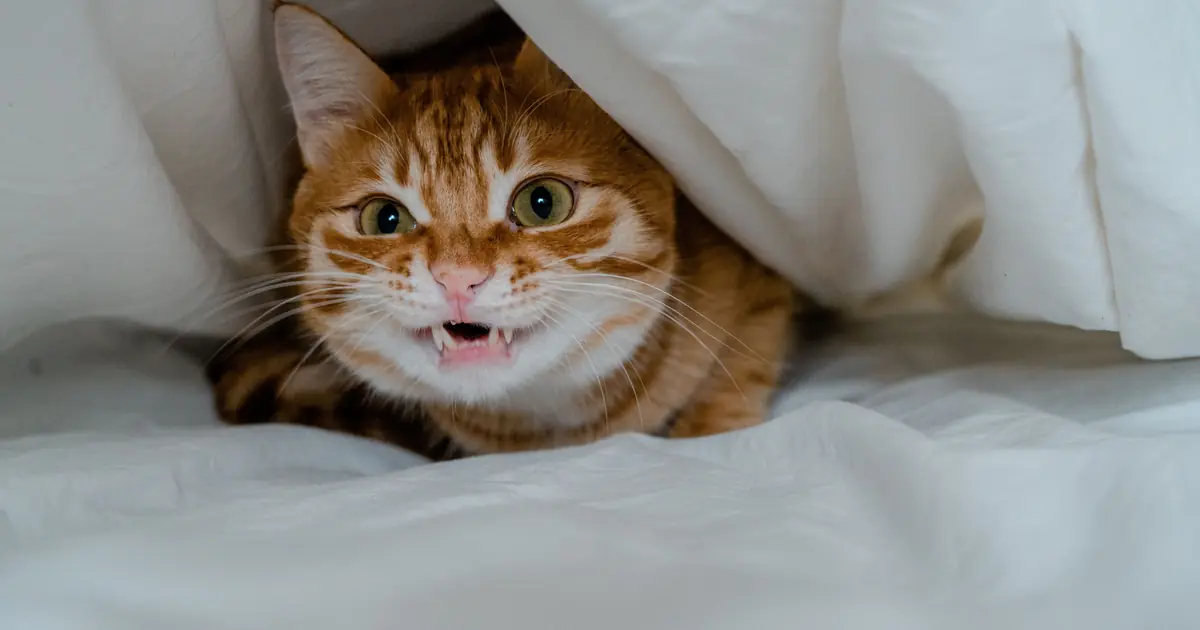
Picture this. You fill the bowl like always, but your cat doesn’t come running. You find them tucked under the bed, pressed into a corner, quiet and still. The food sits untouched. If you’ve noticed your cat hiding and not eating together, your gut is right to feel uneasy.
Here’s the thing about cats: they’re wired to hide weakness. In the wild, a sick animal that looks vulnerable becomes a target, so your cat’s instinct is to disappear when they feel off. When hiding shows up alongside a refusal to eat, those two signs together are one of the clearest ways a cat tells you something is genuinely wrong. This is not a “wait and see” situation, and I’ll explain exactly why below.
- Cats hide when they feel sick, in pain, or stressed, so hiding plus not eating is a strong signal that something is wrong.
- A cat that stops eating for more than 24 to 48 hours can develop hepatic lipidosis (fatty liver), a life-threatening condition.
- Kittens, senior cats, and overweight cats are at risk even sooner, so they need vet care faster.
- Common causes include stress and change, pain, dental disease, nausea, infection, and internal illness.
- The not-eating part is the urgent piece, so if food refusal passes 24 hours, call your veterinarian.
What does it mean when my cat is hiding and not eating?
When a cat is hiding and not eating at the same time, it most often means the cat feels unwell, is in pain, or is under real stress. These two signs rarely show up together by accident. Cats are creatures of habit, and a sudden shift in both where they rest and whether they eat is your cat waving a small flag for help.
Cats mask illness well, which is part of why this combination matters so much. A cat won’t tell you their tooth aches or their stomach hurts. Instead they withdraw. They pick a dark, enclosed spot and go still. If you’re also seeing signs of withdrawal and low mood, that adds to the picture. The Cornell Feline Health Center notes that loss of appetite is often one of the first signs a cat is unwell, and it can point to problems anywhere in the body.
The reassuring part: sometimes the cause is stress, not disease. The worrying part: you can’t always tell the difference from the couch. That’s why the not-eating clock, which I’ll cover in a moment, decides how fast you act.
Is my cat hiding from stress or because it’s sick?
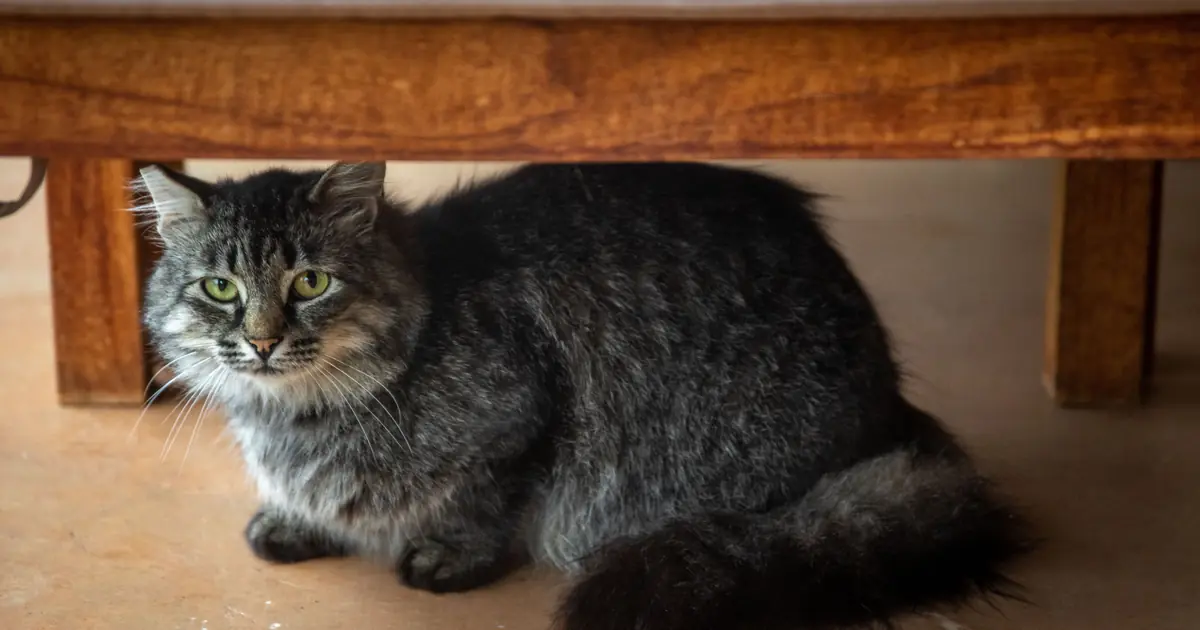
Stress and illness can both make a cat hide and skip meals, and telling them apart starts with what changed recently. Stress-driven hiding usually follows an obvious trigger, while illness-driven hiding often comes with other physical clues.
Think about the last few days. A new pet, a move, house guests, a new baby, loud construction, or even rearranged furniture can rattle a sensitive cat. Cats crave predictability, and a broken routine can send them into hiding and put them off food. You can read more about stress-driven hiding and how to spot the triggers. Stress-related food refusal often eases within a day once the cat settles.
Illness looks different. When sickness is behind it, hiding and food refusal tend to travel with other symptoms: vomiting, diarrhea, drooling, bad breath, weight loss, labored breathing, or a cat that seems to hurt when touched. If your cat is also lethargic and sleeping far more than usual, that lethargy overlap is worth paying attention to. And if vomiting is part of the picture, it helps to know when illness signs stack up into something urgent.
| Stress or environmental cause | Medical or illness cause |
|---|---|
| Clear recent trigger (move, new pet, guests) | No obvious life change |
| Cat still alert, just wary | Cat seems weak, dull, or in pain |
| Few or no physical symptoms | Vomiting, diarrhea, drooling, bad breath |
| Often improves within about 24 hours | Gets worse or lasts beyond 24 to 48 hours |
| Eats a little once calm or coaxed | Refuses even favorite foods |
What health problems make a cat hide and stop eating?
Many medical issues can drive a cat to hide and refuse food, and most involve pain, nausea, or feeling generally sick. Because cats hide discomfort so well, the underlying cause is often further along than you’d expect by the time you notice.
Some of the more common culprits include:
- Dental disease. Painful teeth, inflamed gums, or a tooth abscess make eating hurt, so the cat avoids the bowl. Dental pain is one of the most under-recognized reasons cats stop eating.
- Nausea and digestive upset. An upset stomach, a hairball problem, pancreatitis, or a swallowed object can all cause nausea that kills the appetite.
- Pain anywhere. Arthritis, an injury, a urinary blockage, or belly pain can all send a cat into hiding.
- Infection or fever. A sick, feverish cat feels lousy and loses interest in food, much like we do.
- Organ disease. Kidney disease, liver disease, diabetes, and hyperthyroidism often show up first as appetite changes.
A urinary blockage in male cats deserves a special mention. A cat straining in the litter box, crying, hiding, and not eating can be facing a true emergency that needs care within hours. When in doubt, phone your vet. Resources like VCA Animal Hospitals and International Cat Care offer trustworthy, vet-reviewed guidance on recognizing illness in cats.
Why is the not-eating part the truly urgent piece?
Not eating is the urgent half of this pair because cats can develop hepatic lipidosis, or fatty liver disease, when they go without food. This is a genuine, life-threatening condition, and it makes food refusal something you cannot safely ignore.
Here’s why cats are uniquely at risk. When a cat stops eating, the body starts moving fat to the liver for energy. A cat’s liver can’t process that flood of fat efficiently, so it gets overwhelmed and clogged. The liver then struggles to work, the cat feels even more nauseous, and eats even less. It becomes a dangerous downward spiral, and overweight cats are especially vulnerable.
The timeline matters. The VCA and Cornell both warn that a cat going without food for just a couple of days can start down this path. Cornell notes that appetite loss can seriously affect a mature cat’s health in as little as 24 hours, and for a kitten under six weeks old, even 12 hours without food can be life-threatening. So the rule of thumb is simple: more than 24 to 48 hours of not eating means it’s time to call the vet, sooner for kittens, seniors, and overweight cats.
How can I gently get my cat to eat again?
You can try to tempt a reluctant cat to eat with warm, smelly, easy foods, but only as a short-term bridge while you arrange vet care, never as a replacement for it. If your cat still refuses after a few gentle tries, that refusal itself is a symptom.
Things that often help spark an appetite:
- Warm the food. Gently warming wet food to just below body temperature boosts the aroma, which is what drives a cat’s appetite.
- Offer strong-smelling favorites. A little plain cooked chicken, tuna in water, or a lick-able cat treat can restart interest. Picking the right food to tempt a cat to eat again makes a real difference.
- Move the bowl somewhere quiet. Set food near their hiding spot, away from other pets and noise, so they feel safe enough to eat.
- Try hand-feeding. Offer a little food off your finger or a spoon. Sometimes calm, quiet company is enough.
- Keep water close. A cat that won’t eat still needs to drink. Offer fresh water right by their resting spot.
One firm caution: never force-feed your cat, and never give human medications to stimulate appetite. Those can be dangerous. If the smelly-food trick doesn’t work within a few hours, or your cat seems sick beyond just picky, stop experimenting and get them seen.
When should I take my cat to the vet?
Call your veterinarian if your cat refuses food for more than 24 hours, or right away if hiding and not eating come with any red-flag sign. This article is educational and can’t replace a hands-on exam, and a licensed vet is the only one who can safely diagnose what’s going on.
Get prompt veterinary care if your cat is hiding and not eating and you notice any of these:
- No food at all for more than 24 to 48 hours (sooner for kittens, seniors, or overweight cats)
- Repeated vomiting or diarrhea
- Straining in the litter box, crying, or no urine (a possible emergency in male cats)
- Labored, open-mouth, or fast breathing
- Weakness, collapse, or trouble standing
- Yellow tint to the eyes, gums, or skin
- Signs of real pain: hunched posture, flinching when touched, growling
- Pale, blue, or very dry gums
- A known injury, fall, or possible poisoning
When you’re unsure, err on the side of calling. A quick phone call to your vet or an emergency clinic costs you nothing and can catch a serious problem early. With a condition like fatty liver, early treatment gives cats a strong chance of full recovery.
Frequently asked questions
Q: How long can a cat go without eating before it’s dangerous?
A cat should not go more than 24 to 48 hours without eating. Cornell notes that appetite loss can harm a mature cat’s health in as little as 24 hours, and going 2 to 3 days without food can trigger hepatic lipidosis, a life-threatening liver condition. Kittens and overweight cats are at risk even sooner.
Q: My cat is hiding but still eating. Should I worry?
Hiding without a change in appetite is often stress-related and less urgent than hiding plus food refusal. Still watch closely for a day or two. If the hiding continues, worsens, or new symptoms appear like vomiting or lethargy, contact your vet for advice.
Q: Can stress alone make a cat stop eating and hide?
Yes. Stress from a move, a new pet, guests, or a broken routine can make a cat hide and skip meals. Stress-related food refusal often eases within about 24 hours once the cat settles. If it lasts longer than a day, treat it as a possible medical issue and call your vet.
Q: What is hepatic lipidosis in cats?
Hepatic lipidosis, or fatty liver disease, happens when a cat stops eating and the body sends too much fat to the liver, overwhelming it. It’s life-threatening but treatable, and with prompt care a large majority of cats recover. It’s the main reason a cat’s food refusal is a medical urgency.
Q: How can I tell if my cat is in pain?
Cats in pain often hide, stop eating, and become quiet or withdrawn. Watch for a hunched posture, flinching or growling when touched, reduced grooming, and reluctance to jump or move. Because cats mask pain instinctively, any sudden change in behavior deserves a vet check.
Q: Should I force-feed my cat if it won’t eat?
No. Never force-feed your cat or give human appetite medications, as both can be dangerous. You can gently tempt eating with warm, strong-smelling food, but if that fails within a few hours, contact your vet. A cat that truly won’t eat needs a professional exam, not force-feeding at home.
Q: My cat is hiding, not eating, and breathing fast. Is this an emergency?
Yes. Fast, labored, or open-mouth breathing in a cat is always an emergency and needs immediate veterinary care. Combined with hiding and food refusal, it strongly suggests your cat is seriously unwell. Do not wait to see if it improves. Call an emergency vet right away.
Q: Why does my cat hide when it’s sick?
Cats instinctively hide when sick because, in the wild, appearing weak makes an animal a target for predators. This survival instinct stays strong even in safe homes. So a cat that suddenly hides, especially alongside not eating, is often signaling illness, pain, or significant stress.

Hello and welcome to The Ideal Cat!
We are some passionate cat owners from different professions. We love our cats and have a lot of experience in how to care for our pets. We are incredibly excited to share our knowledge, experience, and research with you. So you can take good care of your loving cat. We will answer most of the common questions about owning cats, taking care of them, etc. If you have any question contact with us. Thanks for visiting! Enjoy the content.
