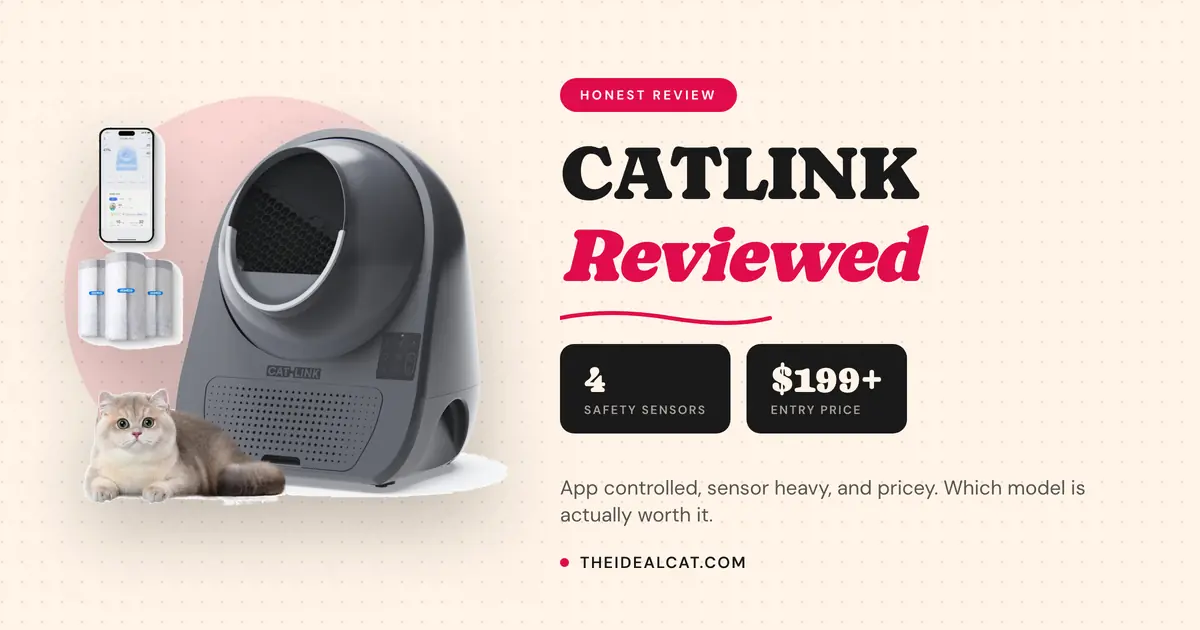
Four hundred dollars. For a litter box.
That is the reaction, and it is a fair one. A plastic tray costs fifteen dollars and does the same fundamental job, which is to hold litter while a cat uses it.
What you are actually buying is not a better box. It is never scooping again, and a machine that quietly notices when your cat’s bathroom habits change. Whether that is worth the money depends on things worth thinking through before you spend it.
- CATLINK self-cleaning litter boxes use four sensor types, including radar and infrared, to detect a cat and stop the drum mid-cycle.
- CATLINK models range from $199 for the Open-X to $799 for the PRO Ultra with AI camera recognition.
- The built-in health monitor logs your cat’s weight, visit frequency, and time in the box, which can flag urinary or kidney problems early.
- Replacement carbon filters are an ongoing cost that is not included in the purchase price.
- The high entry step means older or arthritic cats may need the separate ramp accessory to use the box at all.
Our Top Picks
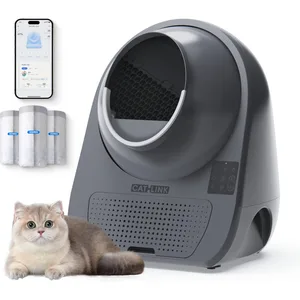
CATLINK Scooper ProX Self-Cleaning Cat Litter Box
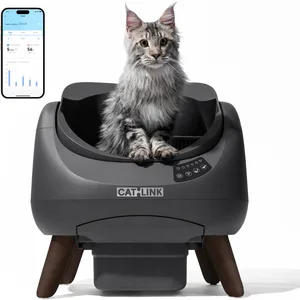
CATLINK Open-X Self-Cleaning Automatic Cat Litter Box with Anti-Pinch Protection, 23.43 x 23.03 x 21.06-in
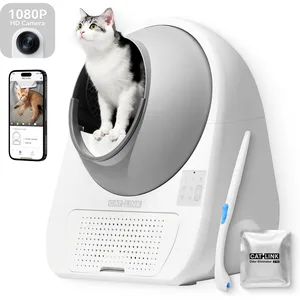
CATLINK 2025 PRO Ultra Self-Cleaning Cat Litter Box with AI Camera
CATLINK models compared
| Model | Best for | Type | Price | Category |
|---|---|---|---|---|
| CATLINK Scooper ProX Self-Cleaning Cat Litter Box | Best overall | Standard | $399.00 | Self-cleaning |
| CATLINK Open-X Self-Cleaning Automatic Cat Litter Box with Anti-Pinch Protection, 23.43 x 23.03 x 21.06-in | Best value | Open design | $199.00 | Self-cleaning |
| CATLINK 2025 PRO Ultra Self-Cleaning Cat Litter Box with AI Camera | Best premium | PRO Ultra | $799.00 | AI camera |
| CATLINK Ramp for Self-Cleaning Cat Litter Boxes | Best accessory | Ramp | $85.00 | Accessory |
| CATLINK Filter Box for Self-Cleaning Cat Litter Box, 2 Filters Included | Best consumable | 2 filters | $28.99 | Filter refill |
Are self-cleaning litter boxes safe for cats?
This is the first question owners ask and it deserves a direct answer. CATLINK boxes use four sensor types, including radar and infrared, to detect a cat entering. The drum stops immediately and will not resume while the cat is inside.
The Open-X adds an anti-pinch mechanism at the entry point rather than relying on the enclosed drum design.
Sensors do fail, and no mechanism is infallible. The AAFCO nutrient profiles do not cover equipment, so judge an automatic box on its own safety record rather than a certification. Sensible practice with any automatic box is the same: supervise for the first week, keep a conventional tray available during the transition, and do not put an automatic box in a house with a very small kitten. Kittens under about six months should use a plain open tray.
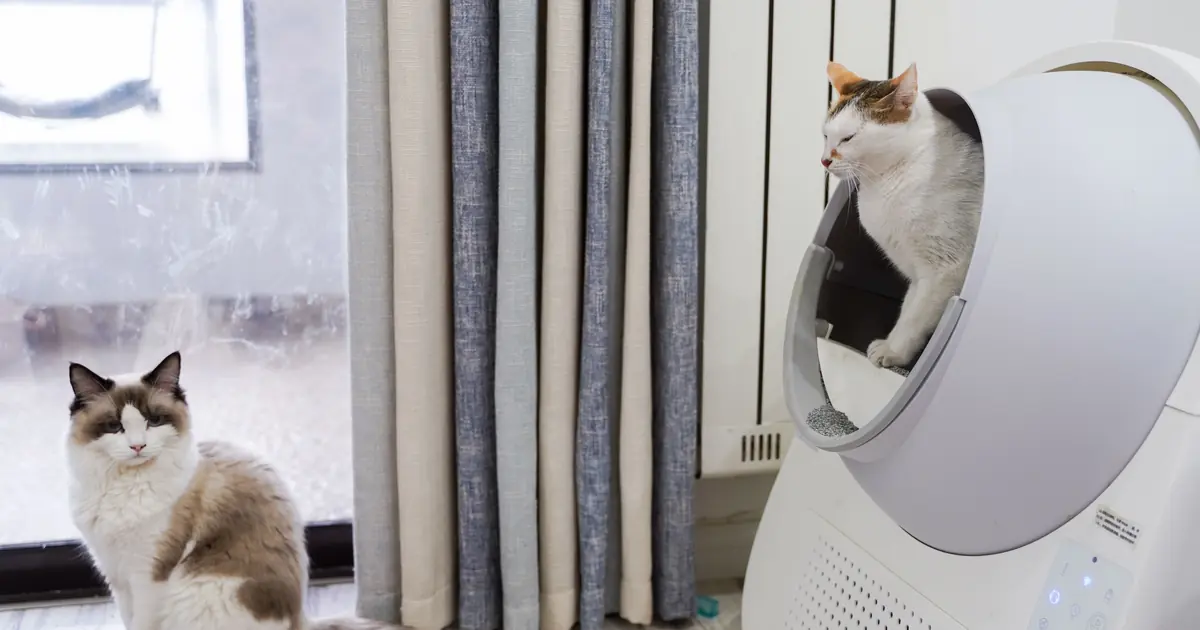
The health monitoring is the actual selling point
The scooping is the feature people buy for. The monitoring is the feature that turns out to matter.
CATLINK boxes log weight, visit frequency, and duration. A cat urinating more often, or losing weight steadily over weeks, is displaying two of the earliest signs of chronic kidney disease, hyperthyroidism, and diabetes. All three are common in older cats and all three are far more manageable when caught early.
Cats are famously good at hiding illness, and most owners genuinely cannot say whether their cat is using the box more than last month. A device that counts is not a gimmick. If you want context on what the numbers mean, our guides on litter box avoidance and how many boxes a household needs are worth reading alongside.
The PRO Ultra’s camera extends this to multi-cat homes by identifying which cat made each visit, which is the difference between useful data and an average that hides the problem. The Cornell Feline Health Center covers the warning signs worth watching for.
The CATLINK range, reviewed
CATLINK Scooper ProX Self-Cleaning Cat Litter Box: best overall
The Scooper ProX is the model most people should buy. Four sensor types detect a cat entering and halt the drum, app control lets you trigger or delay a cycle from your phone, and the health monitor logs weight and visit frequency. Assembly is genuinely trivial: unbox, plug in, done.
CATLINK Open-X Self-Cleaning Automatic Cat Litter Box with Anti-Pinch Protection, 23.43 x 23.03 x 21.06-in: best value
The Open-X halves the price by dropping the enclosed drum for an open design with an anti-pinch mechanism. You lose some odor containment and the enclosure that nervous cats sometimes prefer. But it is half the money, and for a single cat in a well ventilated room it covers the basics.
CATLINK 2025 PRO Ultra Self-Cleaning Cat Litter Box with AI Camera: best premium
The PRO Ultra adds an AI camera on top of the standard sensor package, which recognises individual cats in a multi-cat house and attributes each visit correctly. That is genuinely useful for spotting which cat has started urinating more often, an early sign of kidney disease or diabetes. It is also eight hundred dollars.
CATLINK Ramp for Self-Cleaning Cat Litter Boxes: best accessory
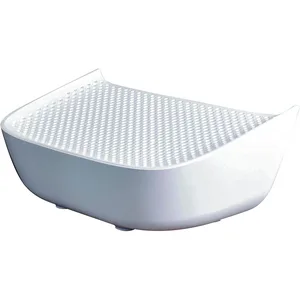
A ramp for the self-cleaning boxes, and more necessary than it sounds. The entry on these units sits high, and older cats or cats with arthritis will simply refuse rather than climb. If your cat is over about ten, budget for this at the same time as the box.
CATLINK Filter Box for Self-Cleaning Cat Litter Box, 2 Filters Included: best consumable
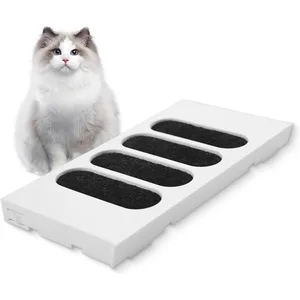
Replacement carbon filters, two to a box. These are the ongoing cost people forget when comparing an automatic box against a plastic tray. Factor a filter pack every few months into the real price before deciding the upfront number is the whole story.
The costs nobody mentions upfront
- Replacement filters. Carbon filters need changing every few months. Budget it in.
- Clumping litter only. These boxes need clumping litter to work. If you use pine pellets or crystals, an automatic box is the wrong purchase.
- More litter used. Automatic boxes need a deeper bed than a tray, so consumption goes up.
- Mains power and floor space. The unit is large and must sit near an outlet, which rules out the tucked-away spots people usually choose.
- The ramp, for older cats. An eighty-five dollar accessory that arthritic cats genuinely need.
Who should not buy one
Skip an automatic box entirely if you have a kitten under six months, a cat that already has litter box anxiety, or a cat who has recently started avoiding the tray. Adding a moving machine to an existing behavioural problem makes it worse, not better.
Also skip it if your cat is elderly and unsteady, unless you buy the ramp at the same time. And skip it if the real problem is odor rather than effort, because a better litter solves that for a fraction of the price. Our guides to the best litter for odor and self-cleaning boxes generally cover the alternatives.
The bottom line on CATLINK
CATLINK builds a well engineered automatic litter box with more sensor redundancy than most competitors and genuinely useful health tracking. The app works, assembly is trivial, and the odor containment on the enclosed models is good.
It is still four hundred dollars for a litter box, and the ongoing filter cost is real. Buy CATLINK Scooper ProX Self-Cleaning Cat Litter Box if you have a healthy adult cat, a spot near an outlet, and a genuine dislike of scooping. The eight hundred dollar model only makes sense in a multi-cat house where knowing which cat did what actually matters.
Frequently asked questions
Q: Is the CATLINK litter box safe for cats?
CATLINK boxes use four sensor types including radar and infrared to detect a cat entering and stop the drum immediately. The Open-X model also has an anti-pinch entry mechanism. Supervise for the first week and keep a conventional tray available during the transition.
Q: How much does a CATLINK litter box cost?
CATLINK models range from $199 for the Open-X up to $799 for the PRO Ultra with AI camera. The Scooper ProX sits in the middle at around $399. Replacement carbon filters are an ongoing cost on top of the purchase price.
Q: Which CATLINK model should I buy?
The Scooper ProX at around $399 suits most households. Choose the Open-X at $199 if budget matters and you have one cat, or the PRO Ultra at $799 if you have multiple cats and want the camera to identify which cat made each visit.
Q: Can kittens use a CATLINK litter box?
Kittens under about six months should use a plain open tray rather than an automatic box. They are small enough that sensor detection is less reliable, and a conventional tray is easier for them to enter and leave.
Q: What litter works in a CATLINK box?
CATLINK self-cleaning boxes require clumping litter to separate waste properly. Non-clumping litters, pine pellets, and crystal litters will not work correctly in an automatic box.
Q: Do self-cleaning litter boxes really reduce smell?
Enclosed self-cleaning boxes reduce odor because waste is separated into a sealed compartment shortly after use rather than sitting in the tray. Carbon filters help further, though they need replacing regularly to keep working.
Q: Is a CATLINK litter box worth the money?
It is worth it if you have a healthy adult cat, dislike scooping, and value the health monitoring that logs weight and visit frequency. It is not worth it if your cat has litter box anxiety, is a young kitten, or if odor rather than effort is your actual problem.

Hello and welcome to The Ideal Cat!
We are some passionate cat owners from different professions. We love our cats and have a lot of experience in how to care for our pets. We are incredibly excited to share our knowledge, experience, and research with you. So you can take good care of your loving cat. We will answer most of the common questions about owning cats, taking care of them, etc. If you have any question contact with us. Thanks for visiting! Enjoy the content.
