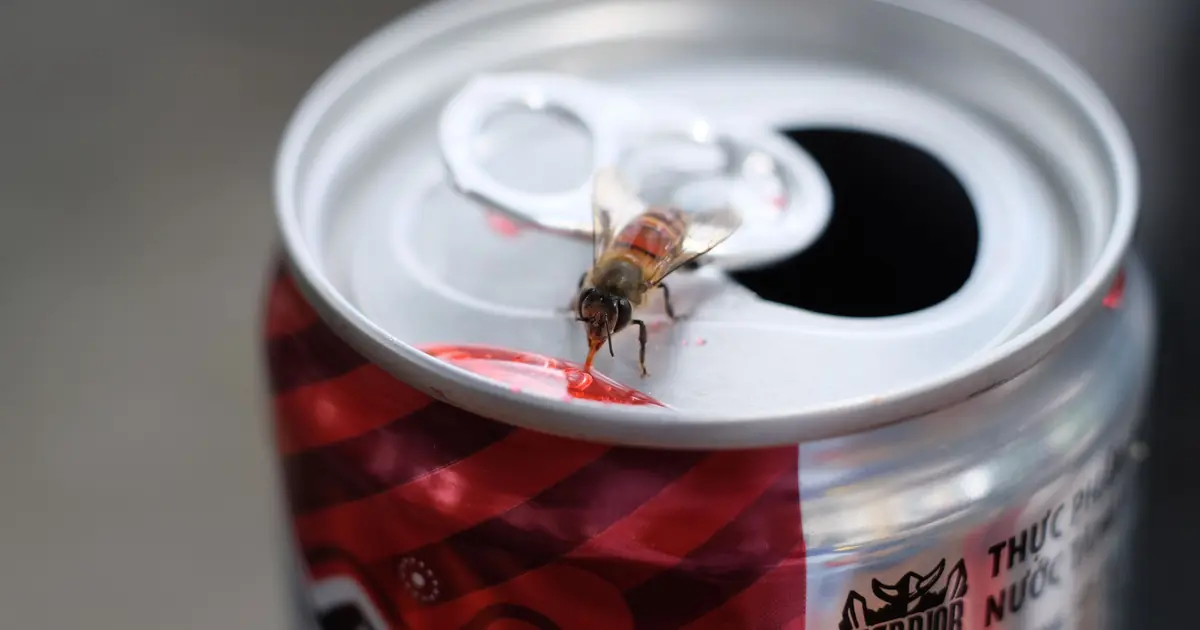
Picture this. You set your can of cola on the coffee table, look away for two seconds, and turn back to find your cat’s nose hovering right over the rim. Maybe you’re wondering, right now, if that quick lick was a problem. So let’s answer the real question: can cats drink soda?
The short version is a firm no. Cats should never drink soda, whether it’s a sugary cola, a fizzy lemon-lime drink, or a diet version. Soda is built for human taste buds and human bodies, and it stacks up several ingredients that range from useless to genuinely dangerous for a cat. The good news is that a single accidental lap usually isn’t an emergency. But there’s never a reason to offer it on purpose.
- Caffeine in colas, root beer, and many soft drinks is toxic to cats, and their livers can’t clear it the way ours can.
- Cats physically cannot taste sweetness, so the sugar in soda offers them zero enjoyment and only adds risk of weight gain and dental problems.
- A small lick of caffeine-free soda usually causes nothing worse than a gassy, gurgly stomach.
- Diet sodas swap sugar for artificial sweeteners your cat has no business consuming.
- Fresh, clean water is the only drink a cat ever needs.
Can cats drink soda at all?
No, cats can’t safely drink any kind of soda. Sodas combine caffeine, large amounts of sugar, carbonation, acids, and sometimes artificial sweeteners, and not one of those ingredients does a cat any good. Your cat’s body is built to run on meat and water, not fizzy sweet drinks. A cat’s whole system, from its taste buds to its liver, is simply not designed for what’s inside a soda can.
Here’s the thing. Cats are obligate carnivores, which means their nutrition comes from animal protein, not sugar or flavored beverages. A complete feline diet plus a bowl of water covers everything they need. Soda adds nothing to that picture except calories and risk.
Is the caffeine in soda dangerous for cats?
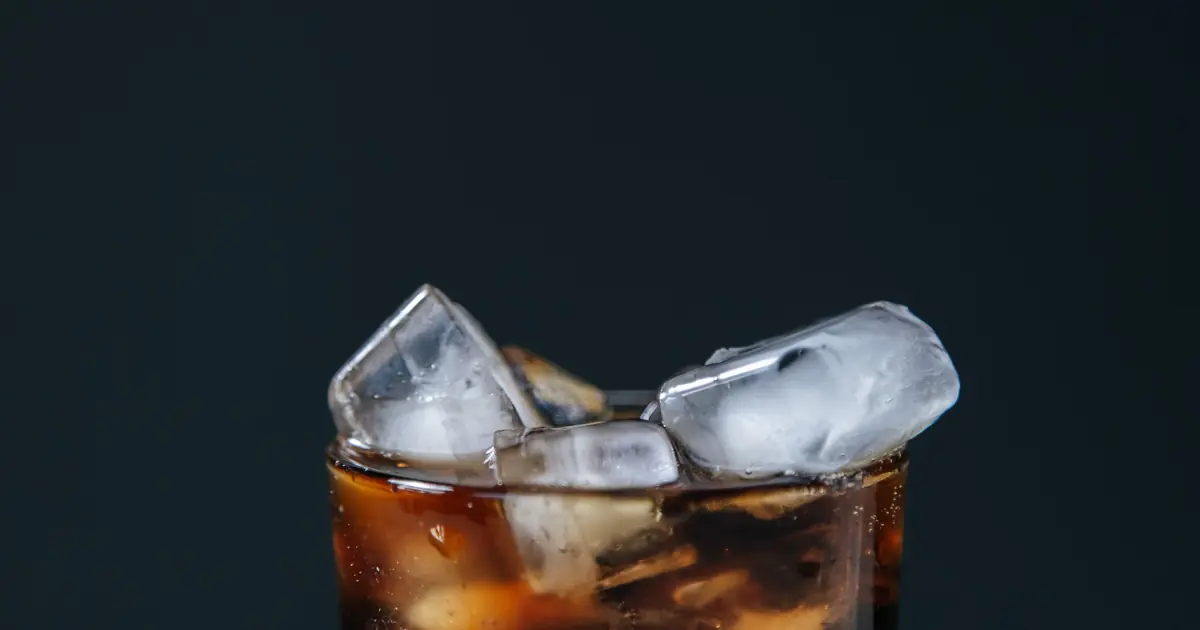
Yes, the caffeine in soda is the single biggest danger, and it’s genuinely toxic to cats. Colas, root beer, some citrus sodas, and every energy drink contain caffeine, a stimulant that cats process far more slowly than people do. Because a cat’s liver can’t break caffeine down efficiently, it lingers and builds up in their much smaller body.
A 12-ounce cola holds roughly 34 mg of caffeine, and an energy drink holds far more. That’s a modest amount for an adult human and a much bigger deal for a 10-pound cat. According to the ASPCA Animal Poison Control Center, caffeine is a known toxin for cats, and signs usually appear within a few hours.
Watch for these caffeine-poisoning signs:
- Restlessness, pacing, or hyperactivity
- Rapid breathing or a racing heart
- Muscle tremors or twitching
- Vomiting
- Seizures or collapse in serious cases
Caffeine is the same reason coffee and tea are off-limits too. If your cat is eyeing your mug, read up on why cats can’t drink coffee and the risks in a cup of tea.
Why is the sugar in soda bad for cats (and why don’t they even like it)?
The sugar in soda is bad for cats because it piles on empty calories with no nutritional payoff, and, here’s the wild part, cats can’t even taste it. Cats are the only mammals known to lack functional sweet taste receptors. So that sugary cola tastes like nothing sweet to them. There is literally zero flavor reward in it for your cat.
A single can of regular soda can carry around 39 grams of sugar. For a small carnivore, that’s a flood of sugar their body isn’t built to handle. Over time, regular sugary treats can push a cat toward weight gain, feline diabetes, and dental trouble. So the sugar in soda is all downside and, as far as your cat’s tongue is concerned, no upside at all.
Can carbonation upset my cat’s stomach?
Yes, the carbonation in soda can upset a cat’s stomach and leave them gassy and uncomfortable. Those fizzy bubbles are dissolved carbon dioxide, and a cat’s digestive system has no use for them. Swallowing carbonated liquid can cause bloating, belching, and general tummy gurgles that make your cat feel off.
On top of the bubbles, most sodas are acidic. Colas and citrus-flavored drinks carry citric and phosphoric acids that can irritate a sensitive feline gut. Pair that acidity with carbonation and sugar, and you’ve got a recipe for a queasy, unsettled cat, even before caffeine enters the equation.
What about diet soda and artificial sweeteners?
Diet soda is not a safe swap, because it trades sugar for artificial sweeteners your cat should never have. Sugar-free drinks can contain sweeteners like aspartame, sucralose, or acesulfame potassium, and some sugar-free products (more often gums and candies than sodas) contain xylitol, which is dangerous to pets. None of these belong anywhere near your cat.
Remember, a cat can’t taste sweetness anyway, so “diet” fixes a problem your cat never had. You’re removing sugar and adding a different set of unnecessary chemicals, often alongside the same caffeine found in the regular version. Skip it entirely. Diet soda is no better for a cat than the full-sugar kind.
What happens if my cat just licks a little soda?
A tiny lick of caffeine-free soda usually means nothing worse than a fizzy, gurgly tummy for an hour or two. If your cat sneaks a lap of clear lemon-lime soda or a splash of caffeine-free root beer, don’t panic. Watch them, offer fresh water, and they’ll most likely be fine. The amount of sugar and gas in a single lick is small.
Caffeinated soda is a different story. A few laps of a caffeinated drink can be enough to cause real problems in a small cat, so the type of soda matters a lot. The chart below sorts it out.
| Situation | What it usually means | What to do |
|---|---|---|
| One lick of caffeine-free soda | Likely just mild gas or an upset stomach | Offer water, watch for a few hours |
| A few laps of caffeinated soda (cola, energy drink) | Possible caffeine toxicity risk | Call your vet or poison control right away |
| A larger drink of any soda | Sugar, acid, and possible caffeine load | Contact your vet promptly |
| Any soda plus symptoms (tremors, racing heart) | Treat as an emergency | Vet or poison control immediately |
What should cats drink instead of soda?
Cats should drink fresh, clean water, and nothing else. Water is the only beverage a healthy cat needs to stay hydrated, and plenty of cats are naturally picky about it. If yours ignores a still bowl, many cats drink more from running water, which is why a cat water fountain can help. Keep the bowl clean and refill it daily.
You don’t need to jazz up water with flavor. If your cat seems bored of plain water, try a wider bowl, a different spot away from the food, or a splash of water from a can of tuna packed in water as an occasional treat. Soda, milk, and juice all belong to you, not your cat.
A quick vet note: This article is educational and isn’t a substitute for veterinary care. If your cat drinks caffeinated soda or shows signs like tremors, a racing heart, vomiting, or collapse, call your veterinarian or the ASPCA Animal Poison Control Center right away. For more on feline diet basics, PetMD’s nutrition guide and the Cornell Feline Health Center are solid, trustworthy starting points.
Frequently Asked Questions
Q: Can cats drink Coca-Cola or Pepsi?
No, cats should never drink Coca-Cola or Pepsi. Both are caffeinated colas, and caffeine is toxic to cats because their livers can’t process it efficiently. They also carry heavy sugar and acid loads. Keep colas well out of paw’s reach.
Q: Is Sprite or 7UP safe for cats since it has no caffeine?
Sprite and 7UP are caffeine-free, so they skip the biggest danger, but they’re still not safe or appropriate for cats. The sugar, carbonation, and citric acid can upset your cat’s stomach. A tiny accidental lick likely just causes mild gas, but never offer it on purpose.
Q: My cat licked a little soda. Should I worry?
A single small lick of caffeine-free soda usually causes nothing worse than a gassy stomach for an hour or two. Offer fresh water and watch your cat. If the soda was caffeinated, or your cat drank more than a lick, call your vet to be safe.
Q: Why doesn’t my cat seem to care about sweet drinks?
Cats can’t taste sweetness at all. They’re the only mammals known to lack working sweet taste receptors, so the sugar in soda registers as nothing to them. That’s why a sugary drink holds no real appeal for your cat.
Q: Is diet soda safer for cats than regular soda?
No, diet soda is not safer for cats. It swaps sugar for artificial sweeteners cats should never consume, and it often still contains caffeine. Since cats can’t taste sweetness anyway, “diet” fixes a problem they never had. Skip both versions.
Q: What are the signs of caffeine poisoning in cats?
Signs of caffeine poisoning in cats include restlessness, rapid breathing, a racing heart, muscle tremors, vomiting, and in serious cases seizures or collapse. Symptoms usually show up within a few hours. If you suspect caffeine ingestion, contact your vet or poison control immediately.
Q: Can kittens drink soda?
No, kittens should never drink soda. Their small size makes them even more vulnerable to caffeine and sugar than adult cats. Kittens need water and a proper kitten diet only. Keep all soda, coffee, and energy drinks completely away from them.
Q: What can I give my cat instead of soda?
Give your cat fresh, clean water, which is the only drink a cat truly needs. If yours prefers running water, a pet fountain can encourage drinking. As an occasional treat, a splash of water from tuna packed in water works. Skip soda, milk, and juice.
So, can cats drink soda? No, and now you know exactly why. Between the toxic caffeine, the useless sugar your cat can’t even taste, the belly-upsetting carbonation, and the pointless artificial sweeteners in diet versions, soda is all risk and no reward. Keep the cans to yourself, keep your cat’s water bowl full and fresh, and everyone stays happy.

Hello and welcome to The Ideal Cat!
We are some passionate cat owners from different professions. We love our cats and have a lot of experience in how to care for our pets. We are incredibly excited to share our knowledge, experience, and research with you. So you can take good care of your loving cat. We will answer most of the common questions about owning cats, taking care of them, etc. If you have any question contact with us. Thanks for visiting! Enjoy the content.
