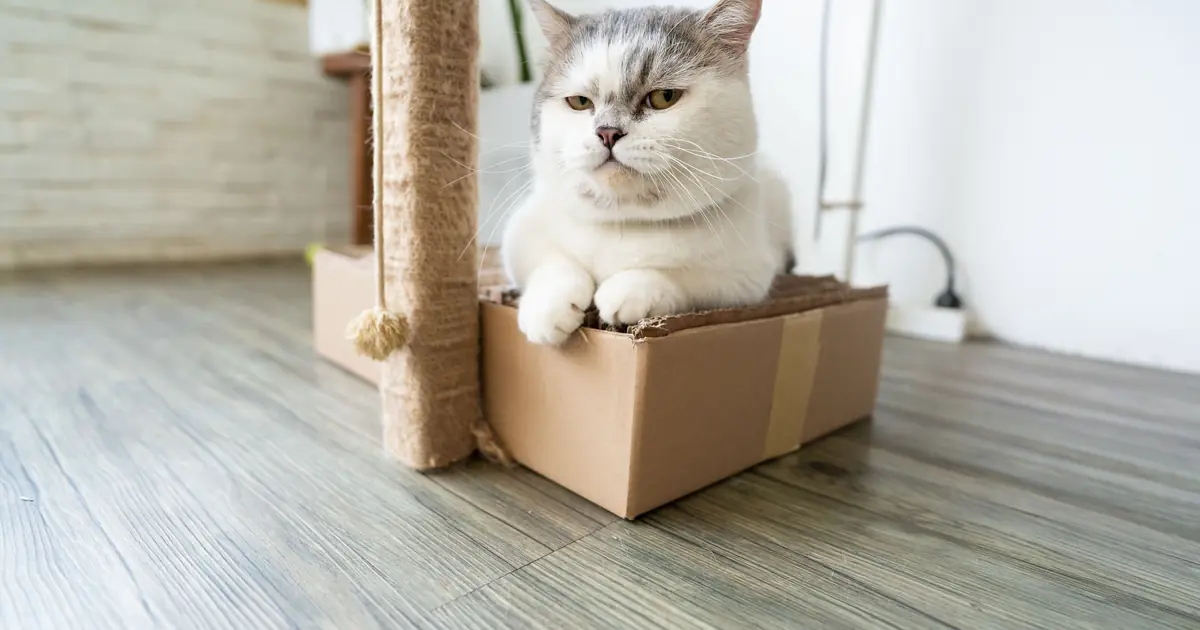
If you’ve ever found a puddle on the rug or a surprise on the bathroom floor, you know the sinking feeling. Your cat has always used the litter box, and now they’re not. It’s frustrating, a little gross, and honestly, a bit worrying. Here’s the thing: when your cat stops using the litter box, they’re not being spiteful. They’re telling you something is wrong, and your job is to figure out what.
- A male cat straining in the box and producing little or no urine may have a urinary blockage, a true emergency that needs a vet within hours.
- Any sudden change in litter box habits should start with a vet visit to rule out UTIs, cystitis, kidney disease, diabetes, arthritis, and constipation.
- The litter box rule is one box per cat plus one extra (the n+1 rule), so two cats need three boxes.
- Most cats prefer a large, uncovered box with 1 to 2 inches of unscented clumping litter, scooped at least once a day.
- Punishing a cat for accidents makes the problem worse, never better, because it adds stress without fixing the cause.
Should I See a Vet First If My Cat Stops Using the Litter Box?
Yes. Any sudden change in litter box habits should start with a vet visit to rule out a medical problem. Cats are masters at hiding pain, and a litter box accident is often the first visible sign that something hurts. House soiling is frequently triggered by an underlying illness, so checking your cat’s health is the smartest first move, not the box itself.
This is especially true if the change came on fast. A cat that used the box perfectly for years and then quit overnight is waving a red flag. Don’t spend three weeks swapping litters while a UTI or blockage goes untreated.
This article is educational and not a substitute for veterinary care. When in doubt about your cat’s health, call your vet.
What Medical Problems Make a Cat Stop Using the Litter Box?
Several medical conditions can make a cat stop using the litter box, because they make peeing or pooping painful, urgent, or simply hard to do. When a cat hurts while using the box, they often blame the box and start avoiding it. That’s why ruling out illness comes first.
Here are the most common medical culprits behind litter box trouble:
- Urinary tract infection (UTI): A bacterial infection that causes frequent, painful urination and sometimes blood in the urine. More common in older cats and females.
- Feline lower urinary tract disease (FLUTD) and idiopathic cystitis: Inflammation of the bladder, often stress-linked, that causes straining, small amounts of urine, and accidents outside the box. This is one of the most common reasons cats pee outside the box.
- Urinary blockage: A life-threatening obstruction, most common in male cats, where crystals or a plug stop urine from leaving the body. Signs include straining with little or no urine, pain, restlessness, vomiting, and lethargy. This is an emergency.
- Kidney disease, diabetes, and hyperthyroidism: These conditions make cats drink and pee far more than usual, so they may not reach the box in time.
- Constipation: Painful, hard stools can make a cat associate the box with discomfort and look for another spot.
- Arthritis and joint pain: Older cats with sore joints may struggle to climb into a high-sided box or hold the right posture, so they go just outside it.
A vet can sort these out quickly with a physical exam, a urine test, and sometimes bloodwork. Treating the root problem often fixes the litter box behavior on its own.
Is It a Litter Box Setup Problem?
A litter box setup problem is one of the most common reasons a healthy cat avoids the box. Cats are picky and clean by nature, so a box that’s dirty, too small, in the wrong spot, or filled with the wrong litter can drive them elsewhere. The good news is that setup problems are usually the easiest to fix.
Run through this checklist. Each item is a real reason cats refuse a box.
Is the box clean enough?
A dirty box is the number one setup complaint cats have. Imagine a bathroom that never gets flushed, you’d avoid it too. Scoop the box at least once a day, and do a full clean with warm water and unscented soap or baking soda about once a week, replacing all the litter. If you can smell it, your cat noticed hours ago.
Do you have enough boxes?
You need one litter box per cat plus one extra. This is the n+1 rule, and vets recommend it to cut down on competition and give every cat a clean option. One cat means two boxes, two cats means three boxes, and so on. Spread them across different rooms or floors so one cat can’t guard them all.
Is the box the right size and style?
Most cats prefer a large, uncovered box they can turn around in easily. A good rule is an interior length at least 1.5 times your cat’s body length, nose to base of tail. Covered boxes trap odor and can make a cat feel cornered with no escape route. Many cats also dislike plastic liners and self-cleaning mechanisms. When in doubt, simpler and bigger wins.
Is it the litter itself?
Most cats prefer fine-grained, unscented clumping litter at a depth of about 1 to 2 inches. Strong scents that smell “fresh” to you can be overwhelming to a cat’s sensitive nose. If you recently switched brands or formulas, that change alone can trigger avoidance. Go back to what worked, or offer the old and new litter side by side and let your cat vote.
Is the box in a bad spot?
Location matters more than people think. Cats want a quiet, low-traffic spot where they can see who’s coming and have a way out. Avoid placing the box next to a noisy washer, furnace, or the dog’s bed. And keep food and water at least several feet away from the box, because cats instinctively won’t toilet next to where they eat.
Can Stress and Change Cause Litter Box Problems?
Yes. Stress is a major driver of litter box avoidance, and it can also cause the bladder inflammation behind FLUTD. Cats are creatures of habit, and changes that seem small to us can feel huge to them. When a cat feels anxious or threatened, the litter box is often the first routine to fall apart.
Common stress triggers that lead to accidents include:
- Moving to a new home or rearranging furniture
- A new baby, partner, roommate, or pet in the house
- The loss of a person or animal companion
- An outdoor cat appearing at the window
- Conflict between cats in a multi-cat home, where one cat blocks or ambushes another at the box
- Changes in your schedule or less attention than usual
In multi-cat homes, tension is a frequent hidden cause. A more confident cat may quietly guard the only box or hallway leading to it, so the timid cat finds a safer corner instead. More boxes in more locations, plus a synthetic pheromone diffuser, can ease this. If stress runs high, your vet can suggest a calming plan.
What’s the Difference Between Marking and House Soiling?
Marking and house soiling are two different behaviors with different fixes, so telling them apart matters. House soiling means a cat squats and empties a full bladder or bowel onto a horizontal surface, like the floor or a rug, because something about the box or their health is wrong. Marking, or spraying, means a cat stands and shoots a small amount of urine onto a vertical surface to send a territorial message.
Here’s how to tell which one you’re dealing with.
| Clue | House Soiling | Urine Marking (Spraying) |
|---|---|---|
| Posture | Squatting | Standing, tail up and quivering |
| Surface | Horizontal (floor, rug, bed) | Vertical (walls, furniture, doors) |
| Amount | Large, full void | Small spray |
| Box use | Often stops using box | Usually still uses box normally |
| Common driver | Medical issue or box dislike | Territory, stress, other cats |
If your cat is still using the box for most business but spraying vertical surfaces, you’re likely dealing with marking. If they’ve abandoned the box and are squatting elsewhere, focus on health and setup first.
Medical vs Setup vs Behavioral: A Quick Comparison
To figure out where your cat’s problem falls, compare the three buckets side by side. Most litter box trouble fits into one of these categories, and the telltale signs differ for each.
| Category | Telltale Signs | First Step |
|---|---|---|
| Medical | Straining, blood in urine, frequent tiny trips, drinking and peeing more, crying in the box, sudden onset | See a vet promptly; emergency if straining with no urine |
| Litter box setup | Goes right next to the box, uses box only when freshly cleaned, started after a litter or box change | Add boxes, clean daily, switch to large uncovered box with unscented litter |
| Behavioral or stress | Started after a household change, new pet or person, marking vertical surfaces, multi-cat tension | Reduce stress, add boxes in safe spots, try a pheromone diffuser, ask your vet |
Step-by-Step Plan to Fix Litter Box Avoidance
Follow these steps in order. Starting with the vet visit protects your cat’s health and saves you from chasing the wrong fix.
- See your vet first. Rule out UTIs, cystitis, blockage, kidney disease, diabetes, constipation, and arthritis. Bring a fresh urine sample if you can.
- Clean every accident with an enzymatic cleaner. Regular cleaners leave odor cues that pull your cat back to the same spot. Avoid ammonia-based products, since urine already smells like ammonia.
- Add boxes using the n+1 rule. One per cat plus one extra, placed in different quiet, low-traffic spots with escape routes.
- Upgrade the box. Switch to a large, uncovered box your cat can turn around in. For senior or arthritic cats, use a box with a low entry side.
- Fix the litter. Use fine-grained, unscented clumping litter at 1 to 2 inches deep. Skip liners and heavy fragrances.
- Scoop daily, deep clean weekly. Keep every box clean enough that you wouldn’t mind it. Replace all litter weekly.
- Move the box if needed. Away from noisy appliances and at least several feet from food and water.
- Lower stress. Keep routines steady, give each cat space and resources, and try a synthetic pheromone diffuser.
- Make the box appealing. Play with your cat near it and leave treats nearby so the area feels safe and positive.
- Never punish accidents. Punishment adds stress and teaches your cat to hide, which makes everything worse.
Give changes a week or two before judging them. If accidents continue despite a clean bill of health and a great setup, ask your vet about a referral to a veterinary behaviorist.
Litter Box Best-Practices Checklist
Keep this checklist handy. Hitting all of these covers the most common reasons cats refuse the box.
- One box per cat plus one extra (n+1 rule)
- Large, uncovered boxes at least 1.5 times your cat’s body length
- Fine-grained, unscented clumping litter, 1 to 2 inches deep
- Scooped at least once daily, fully cleaned weekly
- Quiet, low-traffic locations with clear escape routes
- Boxes spread across different rooms or floors
- Food and water kept several feet away from any box
- Low-entry boxes for kittens and senior or arthritic cats
- No plastic liners and no heavy fragrances
- Accidents cleaned with an enzymatic cleaner, never ammonia-based
What About Pooping Outside the Box Specifically?
Pooping outside the litter box has its own set of causes, including constipation, painful defecation, a box that’s too small to dig and turn in, and stress. While many of the same fixes apply, a cat that pees in the box but poops on the floor often has a specific gripe, like a box that feels too cramped or too dirty for a second deposit. If your cat’s main issue is poop, dig into the dedicated guides below.
Frequently Asked Questions
Q: Why did my cat suddenly stop using the litter box?
A sudden change in litter box habits is most often a medical signal, so see your vet first. Common causes include UTIs, bladder inflammation (FLUTD), urinary blockage, kidney disease, and constipation. A recent change to the litter, box, or household can also trigger it overnight.
Q: Is my cat doing this out of spite or revenge?
No. Cats do not toilet outside the box out of spite or revenge. They go elsewhere because of pain, an unappealing box, or stress. Treating it as a clue rather than misbehavior is the fastest path to fixing it.
Q: How many litter boxes should I have?
Use the n+1 rule: one box per cat plus one extra. So one cat needs two boxes, two cats need three, and three cats need four. Spread them across different rooms so no single cat can guard them all.
Q: Do cats prefer covered or uncovered litter boxes?
Most cats prefer large, uncovered litter boxes. Covered boxes trap odor and can make a cat feel trapped with no escape route. If you use a covered box, make sure it’s roomy and scooped daily.
Q: What kind of litter do most cats like best?
Most cats prefer fine-grained, unscented clumping litter at a depth of about 1 to 2 inches. Strong fragrances that smell clean to people can be off-putting to a cat’s sensitive nose. If you switch litters, do it gradually.
Q: When is my cat’s litter box problem an emergency?
It’s an emergency if your cat strains in the box, cries, makes repeated trips, and produces little or no urine. This can signal a urinary blockage, which is life-threatening within 24 to 48 hours and most common in male cats. Go to a vet immediately.
Q: Will a senior cat stop using the box because of arthritis?
Yes. Arthritis and joint pain can make it hard for senior cats to climb into a high-sided box or hold the right posture, so they may go just outside it. A box with a low entry side and soft, fine litter makes access easier and more comfortable.
Q: How do I stop my cat from going back to the same accident spot?
Clean the spot thoroughly with an enzymatic cleaner that neutralizes pet odors, since leftover scent draws cats back. Avoid ammonia-based cleaners, because urine smells like ammonia. Making the area less appealing and the box more appealing usually breaks the habit.
The Bottom Line
When your cat is not using the litter box, they’re communicating, not misbehaving. Start with a vet visit to rule out medical causes, and treat any straining with little or no urine as an emergency. Then work through the box setup and stress triggers using the n+1 rule, a large uncovered box, unscented clumping litter, and daily scooping. With patience and the right fixes, most cats get back to clean, reliable box habits, and your home gets back to normal.
For health concerns, always consult a licensed veterinarian. This guide is educational and based on guidance from sources including the ASPCA, Cornell Feline Health Center, and veterinary literature.

Hello and welcome to The Ideal Cat!
We are some passionate cat owners from different professions. We love our cats and have a lot of experience in how to care for our pets. We are incredibly excited to share our knowledge, experience, and research with you. So you can take good care of your loving cat. We will answer most of the common questions about owning cats, taking care of them, etc. If you have any question contact with us. Thanks for visiting! Enjoy the content.
