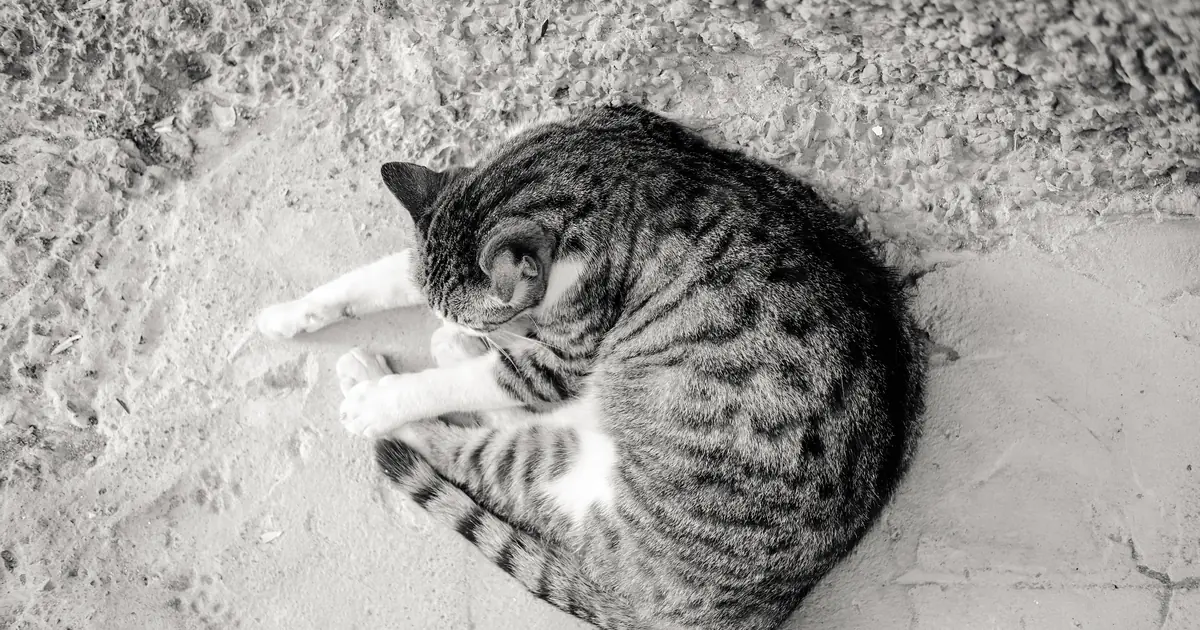
If you’ve ever watched your cat snooze through breakfast, lunch, and most of the afternoon, you’ve probably wondered: why is my cat sleeping so much, and should I be worried? Here’s the good news. For most cats, a whole lot of sleeping is completely normal and nothing to panic about. Cats are built to rest. The trick is knowing the difference between healthy, happy napping and the kind of sleep that’s actually a quiet warning sign.
- A healthy adult cat sleeps 12 to 16 hours per day, and kittens and senior cats can sleep up to 18 to 20 hours.
- Cats are crepuscular, meaning they are most active at dawn and dusk and rest through much of the day and night.
- A cat sleeping a lot its whole life is usually normal, but a sudden increase in sleep can signal illness.
- Healthy sleep means your cat still wakes up alert, eats, grooms, and greets you; true lethargy means your cat stays dull and uninterested even while awake.
- Call your vet if heavy sleeping lasts more than a day or two alongside hiding, not eating, vomiting, weight loss, or trouble breathing.
This article is for educational purposes and isn’t a substitute for veterinary advice. If your cat’s sleep changes worry you, please talk to a licensed veterinarian.
How many hours a day do cats actually sleep?
Cats sleep 12 to 16 hours a day on average, and that’s perfectly normal feline behavior. Some cats clock even more. Kittens and senior cats often sleep 18 to 20 hours in a 24-hour stretch. So if it feels like your cat sleeps two-thirds of the day away, your math is probably right, and your cat is probably fine.
Here’s the thing about cat sleep: it isn’t one long block like ours. Cats take frequent short catnaps throughout the day rather than one long stretch. They drift between light dozing and short bursts of deeper sleep, which is why your cat can be flat-out asleep one second and chasing a dust mote the next.
| Life stage | Typical sleep per day | Why |
|---|---|---|
| Kitten (under 1 year) | Up to 18 to 20 hours | Sleep fuels rapid growth and brain development |
| Adult cat (1 to 10 years) | 12 to 16 hours | Energy conservation between bursts of play and “hunting” |
| Senior cat (10+ years) | Up to 18 to 20 hours | Lower energy, slower metabolism, sometimes achy joints |
Why is my cat sleeping so much during the day?
Your cat sleeps so much during the day because cats are predators wired to save their energy for short, intense hunts. In the wild, stalking and chasing prey burns a lot of fuel fast, so cats evolved to rest deeply between hunts and stay ready to pounce. Your well-fed house cat still runs on that same ancient programming, even if the only “prey” is a toy mouse.
Cats are also crepuscular, which means they’re naturally most active at dawn and dusk. That’s why your cat may sprint around the house at 5am, then sleep through your entire workday. According to behavior experts at Cornell’s College of Veterinary Medicine, cats tend to have two main sleep periods overnight and then take a string of catnaps during daylight hours. Daytime sleeping isn’t laziness. It’s just your cat following a schedule that’s millions of years old.
Common everyday reasons a cat sleeps more
Plenty of harmless, everyday things nudge a cat toward extra sleep. None of the reasons below are medical problems on their own.
- Age: Kittens and seniors simply need more sleep than adult cats in their prime.
- Boredom: An understimulated indoor cat often sleeps to pass the time. More play and enrichment usually helps.
- Weather: Many cats sleep more on cold, dark, or rainy days, partly because shorter daylight cues their body to rest and staying warm takes energy.
- A big meal: Like us, cats get drowsy after a full belly.
- A safe, comfy home: A relaxed cat with nothing to fear sleeps deeply and often. That’s a compliment to you.
Is it normal for my cat to sleep all day?
Yes, it’s normal for a cat to sleep most of the day, as long as your cat still perks up, eats, drinks, grooms, and engages when awake. A cat that sleeps 14 hours but greets you at the door, hunts its food bowl with enthusiasm, and plays in the evening is a healthy cat following its natural rhythm. Sleeping all day only becomes a concern when the quality of your cat’s awake time drops.
So don’t measure worry by the number of hours alone. Measure it by what your cat does with the awake hours. A bright, responsive, eating, grooming cat is telling you everything is okay, no matter how cozy the napping looks.
What’s the difference between healthy sleep and true lethargy?
The difference between healthy sleep and lethargy is how your cat acts when awake. A healthy sleepy cat wakes up alert, curious, and interested in food and people. A lethargic cat stays dull, weak, and uninterested even after resting, and the heaviness doesn’t lift the way normal tiredness does. Lethargy is a medical red flag. Plain old napping is not.
This is the single most useful thing to watch. Tiredness comes and goes and resolves with rest. Lethargy lingers until whatever is causing it gets treated. Use the table below to tell them apart.
| Healthy sleep | True lethargy (call your vet) |
|---|---|
| Wakes up alert and curious | Stays dull and slow even when awake |
| Still eats and drinks normally | Skips meals or stops drinking |
| Grooms regularly | Coat looks messy, greasy, or unkempt |
| Greets you, reacts to toys and sounds | Ignores you, toys, and favorite spots |
| Chooses cozy, warm, normal sleep spots | Hides in closets or under furniture |
| Sleep level has been steady for months or years | Sleep increased suddenly over days |
One more clue: a cat in pain may hide or curl into odd, tucked positions to feel safe, rather than sprawling out in a sunny spot. If your cat’s “sleeping” looks more like hiding, take it seriously.
Why is my cat suddenly sleeping more than usual?
A sudden increase in sleep is more concerning than a cat that has always slept a lot, because a quick change can be one of the first signs of illness. Cats are masters at hiding sickness, and pulling back into extra sleep is often how they cope when something feels off. If your cat went from playful to sleeping nearly all day within a week or two, it’s worth a vet check.
Several health conditions can make a cat sleep or rest more than normal. You can’t diagnose these at home, but knowing the names helps you have a better conversation with your vet.
- Diabetes: Often pairs extra sleep with increased thirst, more peeing, and weight changes.
- Kidney disease: Common in older cats and frequently shows up as low energy, drinking more, and eating less.
- Anemia: A low red blood cell count leaves a cat weak and sleepy, sometimes with pale gums.
- Arthritis and joint pain: Achy joints make moving hard, so the cat rests more, especially senior cats.
- Infections or pain: Fighting illness or hurting somewhere drains energy and increases rest.
- Heart, liver, or other organ disease: Many internal problems first appear as plain tiredness.
Notice that several of these overlap with feeling extra hungry or extra thirsty, so changes in appetite are a useful thing to track alongside sleep.
Can stress or depression make a cat sleep more?
Yes, stress and low mood can make a cat sleep more, often as a way to withdraw from something that feels overwhelming. A move, a new pet or baby, a lost companion, or a change in routine can all push a cat to sleep extra and engage less. Stress-related oversleeping usually eases once your cat settles in, but if your cat also stops eating or hides constantly, treat it like a health concern and call your vet.
Why is my cat sleeping so much, and when should I worry?
Worry when heavy sleeping comes with other symptoms or lasts more than a day or two, because that combination is what separates a normal nap habit from a sick cat. Sleep on its own is rarely the emergency. Sleep plus a second warning sign is the pattern that means “book a vet appointment.”
Call your veterinarian within a day or two if your cat is sleeping much more than usual and you also notice any of these:
- Not eating or drinking
- Hiding away from the family
- Vomiting or diarrhea
- Weight loss or a sudden change in appetite or thirst
- A messy, ungroomed coat
- Limping, stiffness, or trouble jumping
Get emergency care right away if your cat shows any of these red flags. Don’t wait for morning.
- Trouble breathing, open-mouth breathing, or panting
- Collapse, or being unable to stand or wake up properly
- Pale, white, or bluish gums
- Extreme, sudden weakness or unresponsiveness
- A kitten or senior cat that suddenly becomes very lethargic, since they have fewer reserves
Cats hide illness well, so when in doubt, it’s always safer to call your vet. Sooner beats later.
How can I help my cat sleep on a healthier schedule?
You can shift a healthy cat toward a better sleep schedule with more daytime play, structured feeding, and a richer environment. This won’t change a cat’s natural need for lots of rest, and it shouldn’t, but it can curb boredom napping and ease those 4am zoomies. A tired-out cat sleeps when you sleep.
- Play with intent twice a day. Use a wand toy to mimic hunting for 10 to 15 minutes, morning and evening.
- Feed after play. Hunt, catch, eat, groom, sleep is a cat’s natural cycle, so a meal after play encourages a long night’s rest.
- Add enrichment. Window perches, puzzle feeders, and rotating toys give a bored indoor cat a reason to stay awake and engaged.
- Keep a routine. Cats love predictable feeding and play times, which helps settle their internal clock.
- Give cozy, warm sleep spots. A comfy bed in a quiet, warm corner supports good rest, especially for senior cats.
If your cat seems bored and understimulated, a puzzle feeder can turn mealtime into a mini hunt and add some welcome mental work to the day.
Frequently Asked Questions
Q: Is it normal for my cat to sleep 20 hours a day?
Sleeping up to 18 to 20 hours a day is normal for kittens and senior cats. For a healthy adult cat in its prime, 12 to 16 hours is more typical, so a sudden jump to 20 hours is worth watching. If your adult cat sleeps that much and also seems dull, won’t eat, or is hiding, call your vet.
Q: Why is my older cat sleeping so much all of a sudden?
Senior cats naturally sleep more, often 18 to 20 hours a day, because their energy and metabolism slow down. A sudden increase, though, can point to arthritis, kidney disease, or other age-related illness. Since these conditions are common in cats over 10, a sudden change in an older cat is a good reason to schedule a vet visit.
Q: My cat is sleeping a lot and not eating. What should I do?
A cat that is sleeping a lot and not eating needs veterinary attention, ideally within a day. Cats can develop serious liver problems if they go without food for more than a couple of days. Loss of appetite paired with extra sleep is one of the clearest signs that something is medically wrong.
Q: Do cats sleep more in winter or on rainy days?
Yes, many cats sleep more in winter and on dark, rainy days. Shorter daylight hours cue a cat’s body to rest more, and staying warm in the cold takes energy that sleep helps conserve. This seasonal change is normal, but a big shift paired with other symptoms still deserves a vet check.
Q: How can I tell if my cat is just tired or actually sick?
A tired cat wakes up alert, eats, grooms, and engages with you, while a sick or lethargic cat stays dull and uninterested even after resting. The quality of your cat’s awake time matters far more than the number of hours slept. If your cat seems weak or unresponsive while awake, treat it as a medical issue.
Q: Why does my cat sleep all day but run around at night?
Cats sleep all day and get active at night because they are crepuscular, meaning their natural energy peaks at dawn and dusk. Your cat is following instincts inherited from wild hunting ancestors. Playing with your cat in the evening and feeding a meal afterward can help shift that energy and quiet down late-night activity.
Q: Can boredom make my cat sleep more?
Yes, boredom can make an indoor cat sleep more as a way to fill empty time. A cat with little to do often naps the day away simply because there’s no reason to stay awake. Adding daily play, puzzle feeders, window perches, and a steady routine usually brings more energy back.
Q: When is a sleeping cat an emergency?
A sleeping or unresponsive cat is an emergency if you also see trouble breathing, collapse, pale or bluish gums, or extreme weakness. These signs need urgent veterinary care, not a wait-and-see approach. Kittens and senior cats that suddenly become very lethargic should also be seen right away, since they have fewer reserves.
So, why is my cat sleeping so much? It’s the question every cat parent asks, and most of the time the answer is simple: it’s just a cat being a cat, a cozy little predator following an instinct to rest between adventures. Keep an eye on how your cat acts when awake, watch for sudden changes, and trust your gut. You know your cat best. When the sleeping looks different from normal and pairs with other warning signs, a quick call to your vet is always the right move.

Hello and welcome to The Ideal Cat!
We are some passionate cat owners from different professions. We love our cats and have a lot of experience in how to care for our pets. We are incredibly excited to share our knowledge, experience, and research with you. So you can take good care of your loving cat. We will answer most of the common questions about owning cats, taking care of them, etc. If you have any question contact with us. Thanks for visiting! Enjoy the content.
