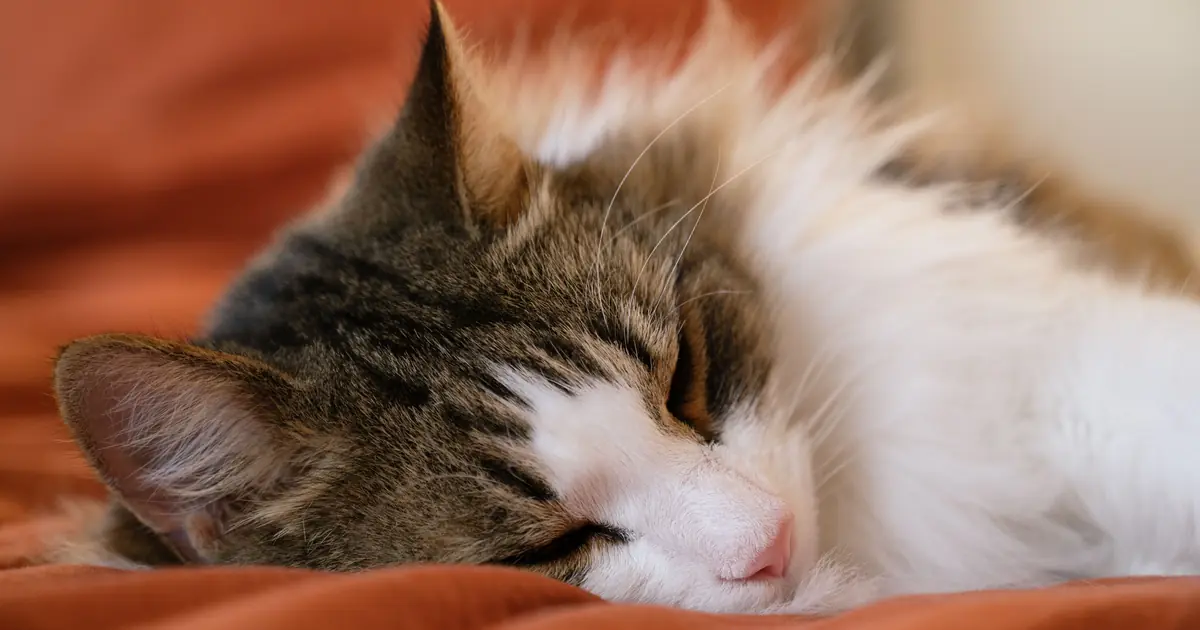
If your cat has basically moved into the space next to the radiator since October, you’re not imagining it. Cats really do get sleepier once the days shrink and the temperature drops, and they’ll defend their favorite warm spot like it’s prime real estate (because to them, it kind of is).
Here’s the thing though: a little extra winter snoozing is normal cat behavior, but it’s not a free pass to ignore changes. Knowing the difference between “cozy and lazy” and “something’s wrong” is what this guide is really about.
- Cats sleep 12 to 16 hours a day on average, and many add on an extra hour or two once winter sets in.
- Shorter daylight hours can lower activity and shift a cat’s internal clock, much like it does in humans.
- Cats do not hibernate. They’re dozing and conserving energy, not shutting their bodies down for the season.
- Colder weather makes cats seek out warm napping spots, which can look like extra sleep even when it’s really just extra snuggling.
- Sudden or extreme increases in sleep, especially with appetite loss, hiding, or stiffness, are worth a vet visit rather than a shrug.
Do Cats Really Sleep More in Winter?
Yes, most cats do sleep somewhat more in winter than they do in warmer months. It’s not a myth or an old wives’ tale. Between shorter days, colder air, and simply less reason to be up and moving, a lot of cats settle into a slower, sleepier winter rhythm. You might notice your cat waking up later, napping longer between meals, or flat out refusing to leave the couch once the sun goes down at 5pm.
This isn’t unique to cats, either. Many mammals shift toward more rest and lower activity as daylight shrinks, and cats are wired to follow light cues closely since their whole hunting and resting schedule is built around dawn and dusk activity in the wild.
Why Do Cats Sleep More When It’s Cold Out?
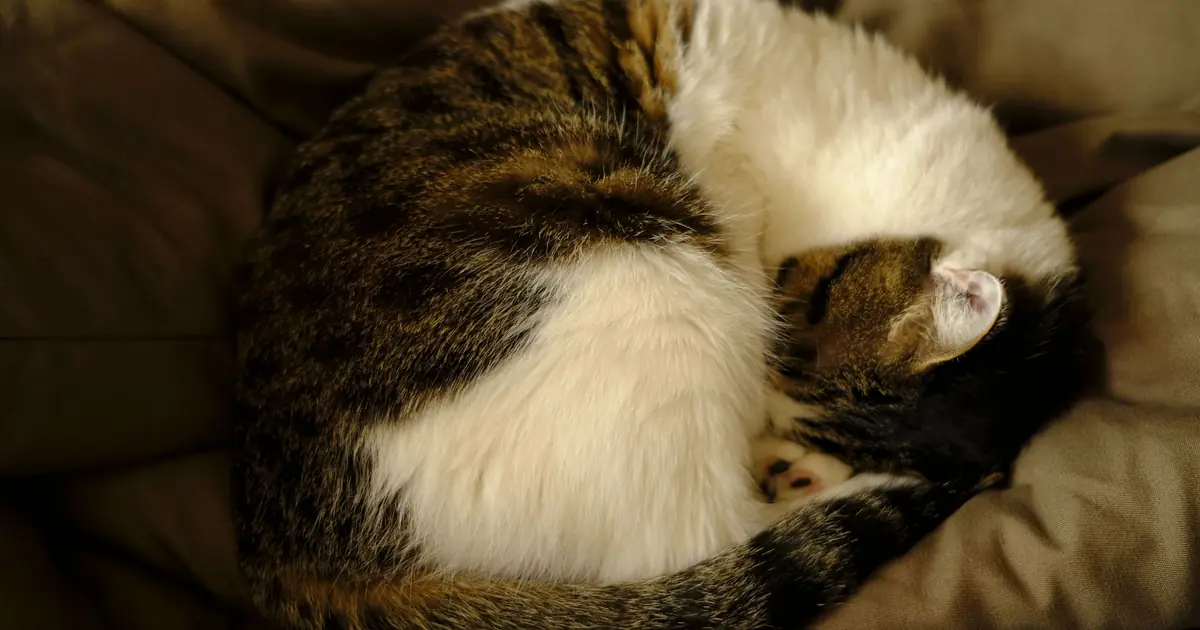
Cats sleep more in cold weather for a handful of overlapping reasons, not just one. Shorter daylight, dropping temperatures, and a quieter household all nudge a cat toward the couch cushions.
- Shorter daylight hours: Less daylight can affect a cat’s melatonin levels and internal clock, the same hormone that makes humans feel sleepier in winter too.
- Colder temperatures: Cats are small, and staying warm burns energy. Curling up tight and sleeping is an easy way to conserve body heat.
- Less to do: If your cat’s usual sunbeam spot on the windowsill is gone and the yard is too cold and wet for outdoor cats to explore, there’s simply less stimulation pulling them awake.
- Energy conservation: Sleep is a low-cost way for a cat’s body to save energy when food-hunting instincts (even in a well-fed housecat) sense leaner, colder conditions outside.
- Seeking warmth: A warm heating vent, a sunny patch, or a heated bed is basically an invitation to nap. Cats love heating pads for exactly this reason, and once they find a warm spot, they tend to stay a while.
If your cat has also started feeling chillier to the touch or shivering after being outside, it helps to know whether cats get cold the way people do, and what temperature range keeps them comfortable indoors.
Do Cats Hibernate in Winter?
No, cats do not hibernate. Hibernation is a specific biological state where an animal’s body temperature, heart rate, and metabolism drop dramatically for weeks or months, and cats simply aren’t built for that. What looks like a cat “hibernating” on the couch all December is really just a normal cat nap, stretched out a bit longer than usual.
True hibernators, like groundhogs or some bats, go through major physiological changes to survive winters with little to no food. Cats don’t do any of that. They still eat, drink, use the litter box, and wake up for meals and attention on a fairly normal schedule. They’re just choosing to spend more of their downtime asleep in a warm spot instead of patrolling the house.
How Much Extra Sleep Is Normal for a Cat in Winter?
An extra one to two hours of sleep a day is a normal winter shift for most cats. Cats already sleep 12 to 16 hours a day on average according to International Cat Care, and kittens and senior cats often land at the higher end of that range even outside of winter. So a cat who was sleeping 14 hours a day in summer creeping up to 15 or 16 in January is well within normal.
What’s not normal is a cat who suddenly sleeps 18 to 20 hours a day, seems hard to rouse, or skips meals to keep sleeping. That kind of jump is bigger than a seasonal dip in energy, and it’s worth paying attention to rather than chalking up to “just winter.”
Is Winter Sleepiness Ever a Problem?
Usually, no. Extra winter napping on its own is not a red flag. It only becomes a concern when it shows up alongside other changes, like a cat who won’t get up for food, seems stiff getting out of bed, or is suddenly avoiding the family instead of just napping near them.
Cold weather can also worsen joint pain in cats with arthritis, much like it does in people. A senior cat who seems extra sleepy and reluctant to jump onto the couch in winter might actually be dealing with sore joints rather than simple seasonal laziness. This is common enough in older cats that the VCA Hospitals notes it’s frequently underdiagnosed because cats hide pain so well.
Normal Winter Sleepiness vs. Concerning Lethargy
| Sign | Normal Winter Sleepiness | Concerning Lethargy |
|---|---|---|
| Sleep increase | 1 to 2 extra hours a day | Dramatic jump, cat is hard to wake |
| Appetite | Still eats normally at mealtimes | Skips meals or shows little interest in food |
| Response to you | Wakes up, greets you, wants pets | Seems withdrawn, hides, avoids interaction |
| Movement | Still stretches, grooms, uses litter box normally | Stiff, reluctant to jump, limping, litter box changes |
| Weight | Stable | Noticeable weight loss or gain |
When Does More Sleep Signal Illness in Cats?
More sleep signals illness when it comes paired with other changes, like appetite loss, hiding, weight change, or trouble moving. A cat sleeping through the day but eating well, using the litter box normally, and greeting you at dinnertime is a cozy cat, not a sick one. A cat sleeping unusually long hours while also skipping meals, losing weight, or hiding from the family is a different story.
Conditions like hypothyroidism-related sluggishness, arthritis pain, or general illness can all show up first as “my cat just seems really tired lately.” If your cat’s sleep pattern has shifted this much, it’s worth reading through why your cat is sleeping so much for a fuller breakdown of red flags, and bringing it up with your vet rather than waiting it out.
How Can You Keep Your Cat Active and Warm in Winter?
You can help a winter-sleepy cat stay active by giving them reasons to move and warm places to rest that don’t just mean twelve straight hours on the couch.
- Schedule two short play sessions a day with a wand toy to mimic hunting, even five to ten minutes helps.
- Offer a heated cat bed or a warm blanket in a favorite spot, so your cat has a cozy option that isn’t directly on top of a heating vent or space heater.
- Move a cat tree or perch near a window so your cat can watch birds and get some natural light during the day.
- Rotate toys and add puzzle feeders to keep mealtime a little more stimulating than just walking to a bowl.
- Check what temperature your cat actually prefers indoors, since the ideal temperature for cats is often warmer than what’s comfortable for us, especially for kittens and senior cats.
A little effort here goes a long way. Cats that stay engaged in winter tend to keep a healthier weight and a happier mood than cats left to nap the whole season away untouched.
One quick, non-alarming note: this article is meant to help you understand normal cat behavior, not replace veterinary care. If your cat’s sleep habits change suddenly, or you notice a loss of appetite, hiding, weight changes, or stiffness alongside the extra sleep, it’s worth a call to your vet. Cornell Feline Health Center points out that changes in behavior are often the first sign cat parents notice when something’s off, well before other symptoms show up. Learn more from Cornell Feline Health Center.
Frequently Asked Questions
Q: Do cats sleep more in winter than summer?
Yes, most cats sleep somewhat more in winter than summer. Shorter daylight and colder temperatures push many cats to add an extra one to two hours of sleep to their normal 12 to 16 hour daily average.
Q: Do cats hibernate?
No, cats do not hibernate. Hibernation involves major drops in body temperature and metabolism over weeks or months, and cats simply don’t do this. Extra winter napping is normal rest, not hibernation.
Q: Why is my cat sleeping so much since it got cold outside?
Cold weather, shorter daylight, and less activity are the most common reasons. As long as your cat is still eating, using the litter box normally, and greeting you like usual, this is typically just seasonal behavior.
Q: How many hours a day is too much sleep for a cat?
There’s no single hour cutoff, since cats already sleep 12 to 16 hours a day. What matters more is a sudden jump, like a cat who used to sleep 14 hours now sleeping 20, especially paired with appetite loss or hiding.
Q: Can cold weather make a cat’s arthritis worse?
Yes, cold weather can worsen joint stiffness in cats with arthritis, similar to how it affects people. A senior cat who seems extra sleepy and reluctant to jump in winter may be dealing with joint pain rather than simple seasonal tiredness.
Q: Should indoor cats sleep more in winter than outdoor cats?
Indoor cats can still sleep more in winter, mainly because of shorter daylight hours and a quieter, less stimulating environment. Outdoor or indoor-outdoor cats may show an even bigger shift, since cold weather limits their time outside exploring.
Q: What can I do if my cat sleeps all day in winter?
Short daily play sessions, a warm cat bed away from direct heat sources, and access to a sunny window can all help keep a winter-sleepy cat a bit more active and engaged during the day.
Q: When should I take my cat to the vet for excessive sleeping?
See a vet if increased sleep comes with appetite loss, hiding, weight change, stiffness, or reluctance to move. These combined signs can point to arthritis, illness, or a thyroid issue rather than normal winter behavior.

Hello and welcome to The Ideal Cat!
We are some passionate cat owners from different professions. We love our cats and have a lot of experience in how to care for our pets. We are incredibly excited to share our knowledge, experience, and research with you. So you can take good care of your loving cat. We will answer most of the common questions about owning cats, taking care of them, etc. If you have any question contact with us. Thanks for visiting! Enjoy the content.
