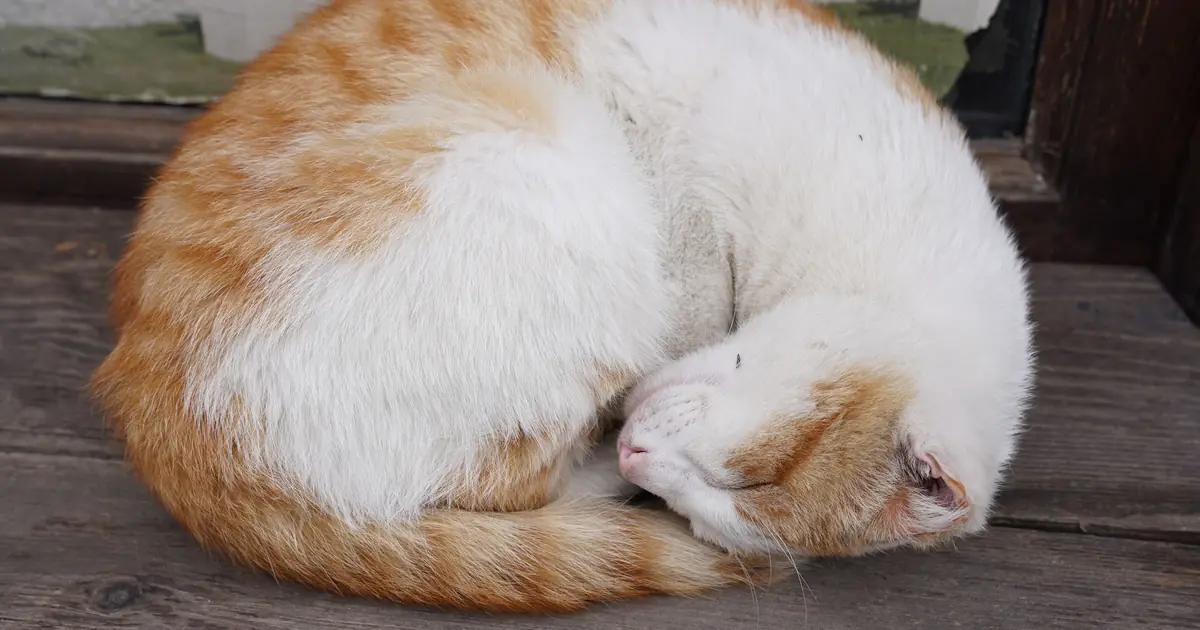
Picture this. It’s a cold morning, you flip on a heating pad for your own achy back, step away for two minutes, and come back to find your cat curled up on it like they own the place. Sound familiar? If you’ve ever wondered why do cats like heating pads so much, you’re in good company. Cats are basically tiny heat-seeking missiles in fur coats.
Here’s the thing. This isn’t weird or greedy behavior. Your cat’s love of warmth is baked into their biology, their ancestry, and the way their body budgets energy. The good news is that it’s completely normal and honestly kind of adorable. The only real job you have is making sure the heat source is safe.
- A cat’s thermoneutral zone (the temperature where they burn zero extra energy staying warm) is roughly 86 to 100°F, much warmer than a human’s comfort range of 68 to 72°F.
- Cats descend from desert-dwelling wildcats, so seeking external heat and conserving calories is instinctive, not spoiled behavior.
- Gentle warmth soothes sore muscles and stiff joints, which is why older and arthritic cats gravitate to heat the most.
- Human heating pads can cause serious low-temperature burns on cats and should never be used; pick a pet-safe heated bed instead.
- A sudden, dramatic increase in heat-seeking can signal that a cat feels cold because they’re sick or in pain, and it’s worth a vet visit.
Why do cats crave warmth so much?
Cats crave warmth because their bodies are built to run warm and save energy. A cat’s thermoneutral zone, the temperature range where they don’t have to burn any extra calories to stay comfortable, sits around 86 to 100°F. Compare that to the 68 to 72°F most of us set our thermostats to, and you can see the problem. Your “comfortable” living room feels a little chilly to your cat.
So when the room dips below their happy zone, cats do the smart thing. They go find heat. A sunny windowsill, a laptop, a warm laundry pile, or yes, your heating pad. Basking in a warm spot means their body doesn’t have to work to generate heat, which frees up energy for the important stuff (napping, mostly).
You can often read this comfort in their posture too. A loose, melty, half-flattened cat on a warm surface is a deeply content cat, and learning to read your cat’s body language makes those cozy moments easy to spot.
Does a cat’s desert ancestry explain the heat love?
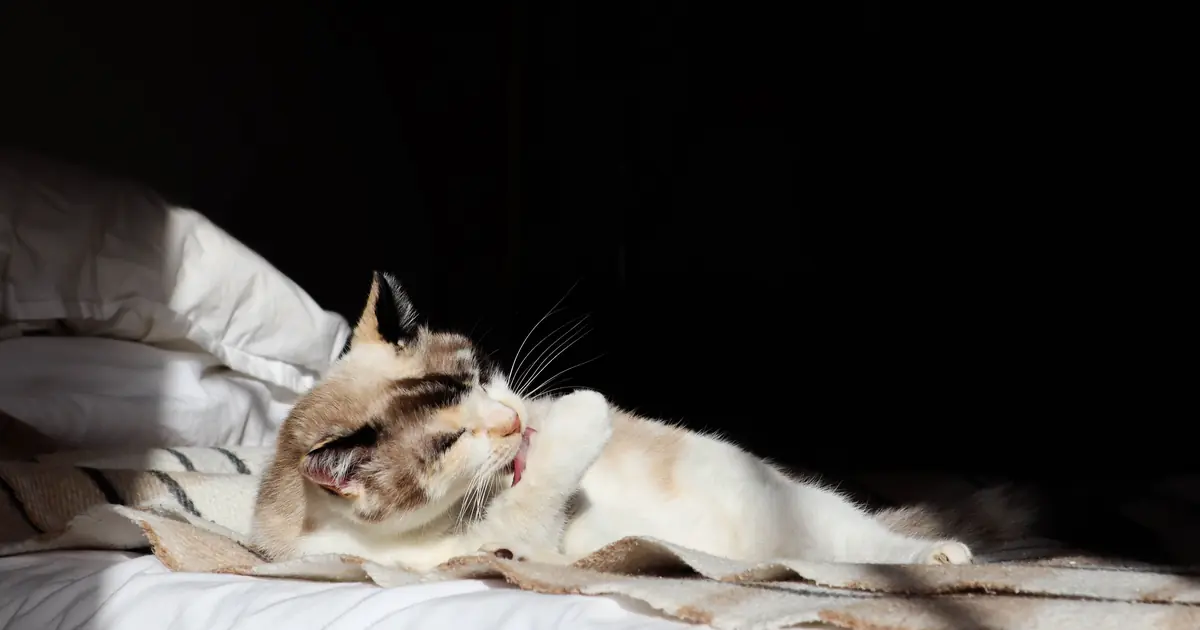
Yes, a cat’s desert ancestry is a big reason they love heat. Domestic cats descend from the African wildcat, a species that evolved in hot, arid regions. Those ancestors were adapted to warm days and used external heat to regulate their bodies efficiently. That wiring didn’t disappear when cats moved onto our couches.
Because of this heritage, seeking out warm surfaces is instinctive. Wild cats conserved energy by resting in warm, sheltered spots between hunts, since staying warm on their own would have cost precious calories. Your cat parking themselves on a heating pad is running that exact ancient program. The International Cat Care team notes that a lot of feline behavior we find quirky today traces straight back to these survival instincts, and you can read more of their guidance on cat wellbeing at International Cat Care.
Why does warmth feel so relaxing and safe to cats?
Warmth feels relaxing to cats because heat signals safety and comfort, going all the way back to kittenhood. Newborn kittens can’t regulate their own body temperature well, so they pile against their mother and littermates for warmth. That early link between heat and safety sticks around for life.
Gentle, steady warmth also helps the body relax. It eases muscle tension and encourages the deep, sprawled-out sleep cats love. It’s not so different from why a warm bath relaxes you. And it’s the same instinct behind why your cat loves to lay on your chest: your body heat, plus the steady rhythm of your breathing, is a cozy, secure combo they can’t resist.
Is a heating pad good for senior cats and achy joints?
Gentle warmth can genuinely help senior cats and cats with achy joints. Heat improves blood flow to muscles and can ease the stiffness that comes with arthritis, which is common in older cats. That’s why you’ll often notice your senior cat becoming a full-time heat hunter as they age.
If your older cat suddenly can’t get enough warmth, it’s usually just their joints talking. A warm, supportive spot to rest takes pressure off sore hips and shoulders. Many cat parents find a heated bed makes a real difference for a stiff, creaky senior, and our roundup of the best cozy and heated cat beds is a good place to start looking. Just remember warmth soothes arthritis, it doesn’t treat it, so pair the cozy spot with a proper vet plan for pain management.
Are heating pads safe for cats?
Human heating pads are not safe for cats, and that’s the most important thing to know here. A heating pad made for people can climb well past what a cat’s skin can handle. Because cats will happily lie on a warm surface for hours without moving, they can develop low-temperature burns, serious skin damage that builds up slowly from moderate heat over a long stretch. Deep-sleeping seniors, kittens, and sick cats are most at risk because they may not stir and move away in time.
The safe route is a product designed for pets. Pet-safe heated beds run on low-voltage systems and typically warm to a cat’s body temperature (roughly 100 to 102°F) rather than blasting past it. Look for one with a thermostat, a chew-resistant cord, and a removable cover. Vets at VCA Hospitals warn that even “safe” pads should never be left on high under a pet who can’t move away, and a towel between the pad and your cat adds a helpful buffer.
| Warm Option | Why Cats Love It | Safety Note |
|---|---|---|
| Pet-safe heated bed (low-voltage) | Steady, body-temperature warmth designed for cats | Safest choice; pick one with a thermostat and chew-resistant cord |
| Self-warming bed (reflective, no electricity) | Traps your cat’s own body heat, no cords | Very safe; zero burn or shock risk |
| Sunny window perch or hammock | Free solar warmth plus a good view | Safe; just make sure it’s securely mounted |
| Human heating pad | Gets warm fast | Not recommended; real risk of low-temp burns and overheating |
| Space heater nearby | Warms the whole room | Use only with tip-over and overheat protection; never leave unattended |
⚠️ Safety note: This article is educational and isn’t a substitute for veterinary advice. Human heating pads can burn cats, so use only pet-safe, low-voltage warmth and never leave a heating pad on high with a cat who can’t move off it. Take extra care with kittens, seniors, and sick cats. If your cat suddenly seeks heat far more than usual, or seems cold, weak, or in pain, call your vet.
What are the safest ways to keep my cat warm?
The safest ways to keep your cat warm rely on gentle, controlled heat your cat can walk away from anytime. Cats regulate themselves best when they can choose to warm up or cool down, so always give them options rather than trapping them in one hot spot.
- Pet-safe heated bed: The gold standard for cozy warmth, especially for seniors.
- Self-warming bed: A cord-free bed with a reflective layer that bounces back your cat’s own heat.
- Sunny perches: A window spot is free, safe warmth. A well-placed warm window hammock gives your cat a sunbathing throne.
- Warm bedding in a draft-free corner: A fleece blanket in a quiet nook holds heat and feels secure.
- Room warmth: Keep indoor temps from dropping too low in winter, and offer a few cozy hideouts around the house.
For more general guidance on keeping cats comfortable and healthy year-round, the ASPCA’s cat care resources are a solid, trustworthy read.
When is a cat’s heat-seeking a sign of a problem?
Most heat-seeking is totally normal, but a big, sudden change in the behavior can occasionally signal illness. A healthy cat that always loved the warm windowsill is nothing to worry about. A cat that suddenly can’t stop hunting for heat, especially alongside other changes, is worth a closer look.
A cat may seek extra warmth because they actually feel cold, and that chill can come from being unwell, in pain, or under the weather. Watch for a heat obsession paired with red flags: hiding, weight loss, poor appetite, lethargy, vomiting, or looking hunched and uncomfortable. Any of those combined with a new craving for heat is a reason to book a vet visit. When in doubt, trust your gut, you know your cat best. For more on feline health, the Cornell Feline Health Center is a reliable source.
Frequently Asked Questions
Q: Why do cats love heating pads so much?
Cats love heating pads because their comfortable body temperature is higher than ours, around 86 to 100°F, and their desert ancestry makes them instinctively seek warmth. Lying on a warm surface lets them stay cozy without burning extra energy, and the heat feels safe and relaxing.
Q: Are human heating pads safe for cats?
No, human heating pads are not safe for cats. They can get hotter than a cat’s skin can handle and cause slow-building low-temperature burns, since cats lie still on warm surfaces for hours. Use a pet-safe, low-voltage heated bed with a thermostat instead.
Q: What temperature is safe for a cat heating pad?
A safe cat heating pad stays around a cat’s body temperature, roughly 100 to 102°F. Pet-designed heated beds are built not to exceed this range. Always keep the setting low, add a towel between the pad and your cat, and make sure your cat can move off it freely.
Q: Do cats need a heated bed in winter?
Most healthy indoor cats don’t strictly need a heated bed, but many enjoy one, and it genuinely helps kittens, seniors, and arthritic cats. If your home gets cold in winter, a pet-safe heated or self-warming bed gives your cat a cozy retreat that soothes stiff joints.
Q: Can a heating pad help my arthritic cat?
Yes, gentle warmth can ease the stiffness and soreness of feline arthritis by improving blood flow to muscles and joints. A pet-safe heated bed is a comforting spot for an achy senior cat. Warmth soothes symptoms but doesn’t treat arthritis, so also follow a vet’s pain-management plan.
Q: Is it normal for my cat to always feel cold?
Cats simply prefer warmer temperatures than we do, so seeking heat is usually normal. But if a cat suddenly seeks warmth far more than before, or feels cold to the touch along with hiding, appetite loss, or lethargy, that can signal illness or pain. Contact your vet.
Q: Can I leave a pet-safe heated bed on all the time?
Many pet-safe heated beds are designed for continuous use because they self-regulate to a cat’s body temperature. Still, check the manufacturer’s instructions, inspect the cord for chew damage, and never leave any heat source running unattended for long stretches with kittens, seniors, or sick cats.
Q: Why does my cat lie on my laptop or warm electronics?
Cats lie on laptops and warm electronics for the same reason they love heating pads: the gentle heat feels great and helps them conserve energy. The bonus is your attention, since they know that spot is near you. Offer a warm bed nearby to lure them off the keyboard.

Hello and welcome to The Ideal Cat!
We are some passionate cat owners from different professions. We love our cats and have a lot of experience in how to care for our pets. We are incredibly excited to share our knowledge, experience, and research with you. So you can take good care of your loving cat. We will answer most of the common questions about owning cats, taking care of them, etc. If you have any question contact with us. Thanks for visiting! Enjoy the content.
