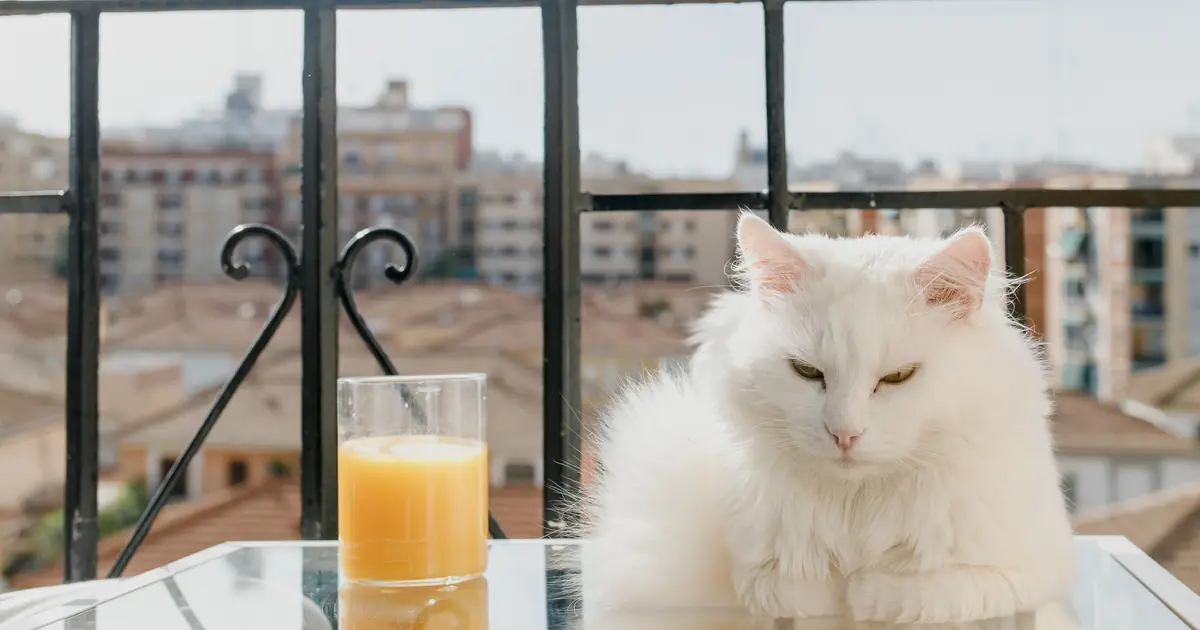
Picture this. You’re sipping orange juice at the kitchen table, and your cat hops up, sniffs the glass, and dips a curious paw toward it. It’s a sweet little moment. But then you wonder: can cats drink juice, or did you just dodge a problem? The honest answer is no, cats should not drink juice, and a couple of common juices are genuinely dangerous.
Here’s the thing. Your cat isn’t built for juice. Cats are obligate carnivores, which means their bodies are wired to run on meat, not fruit sugar. They don’t crave the sweetness (they physically can’t taste it), and some juices carry real risks, from an upset stomach to full-blown kidney trouble. Let’s break down which juices are merely useless and which ones are a trip-to-the-vet emergency.
- Cats have no dietary need for juice, and a genetic quirk means they can’t taste sweetness at all.
- Grape juice is a special danger because grapes and raisins can cause acute kidney failure in pets.
- Citrus juice like orange, lemon, and lime is toxic to cats thanks to citric acid and essential oils.
- Plain apple juice isn’t toxic, but it’s just unnecessary sugar with no benefit for your cat.
- Fresh, clean water is the only drink a cat ever needs.
Can cats drink juice at all?
No, cats should not drink juice. Juice is designed for human tastes and human bodies, and it does nothing good for a cat. Most juices are loaded with sugar, and many contain acids, preservatives, or artificial sweeteners that a cat’s system isn’t equipped to handle. Even a “healthy,” no-sugar-added juice is still the wrong drink for an animal that thrives on meat and water.
A tiny lick off your finger probably won’t hurt a healthy adult cat, depending on the juice. But there’s no upside, and with some juices the downside is serious. When your cat is thirsty, fresh running water from a fountain is what actually helps, not a splash of juice.
Why don’t cats need juice?
Cats don’t need juice because they’re obligate carnivores, so their nutrition comes from animal protein and fat, not fruit. A complete cat food already covers everything they require. There’s no vitamin in juice that your cat can’t get better from proper food, and the sugar in juice just adds empty calories.
Now for the fun fact that surprises most cat parents: cats can’t taste sweet things. They carry a genetic mutation that switches off the sweet taste receptor, so all that sugary flavor we love is completely lost on them. When your cat shows interest in your juice, they’re reacting to the smell, the texture, or plain old curiosity, not a sweet tooth. Feed them a complete, balanced diet and the juice becomes exactly what it is: unnecessary.
Which juices are dangerous for cats?
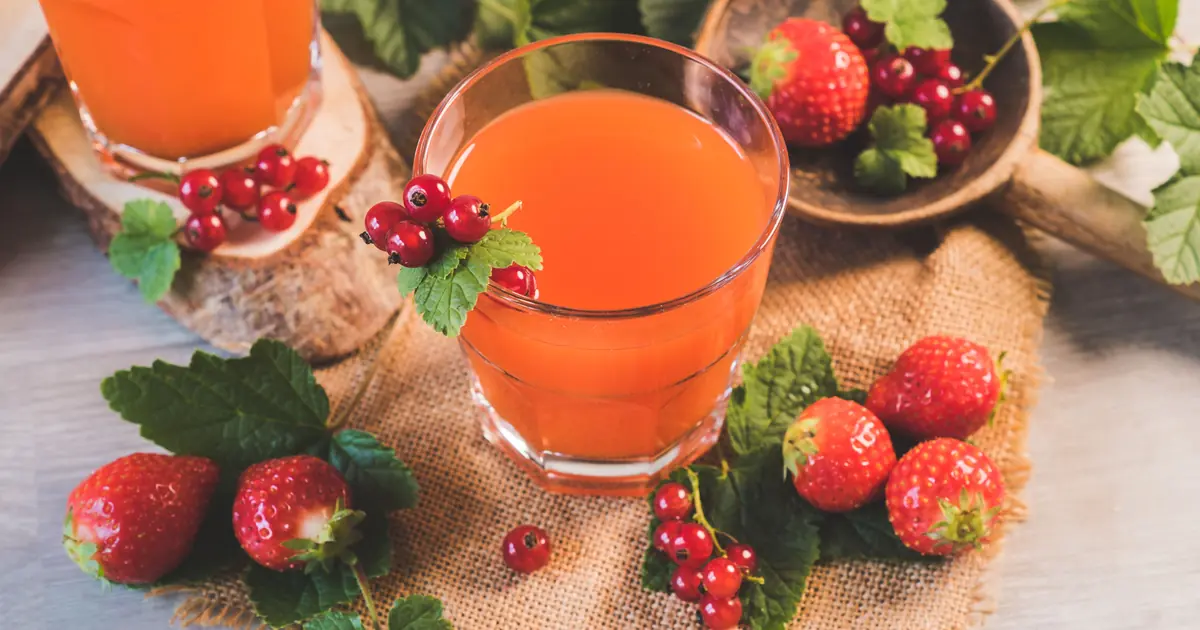
Grape juice and citrus juice are the two most dangerous juices for cats, and both should be treated as toxic. These aren’t “a little upset tummy” risks. They can cause real harm, so keep them well out of paw’s reach.
Grape juice is the scary one. Grapes and raisins can cause sudden, acute kidney failure in pets, and grape juice is just concentrated grape. The exact toxic mechanism is still being studied, with tartaric acid the leading suspect, but the danger is well established across cats and dogs. There’s no known “safe” amount, so any grape juice exposure deserves urgent attention.
Citrus juice (orange, lemon, lime, grapefruit) is toxic to cats because of citric acid and the essential oils found in citrus, especially compounds like limonene and linalool. Citrus can irritate a cat’s stomach and, in larger amounts, affect the nervous system. If you’re curious about the fruit side of this, our guide on whether cats can have lemon digs into citrus toxicity in more detail.
What about apple, tomato, and vegetable juices?
Apple juice and most vegetable juices aren’t toxic to cats, but they’re still not a good idea. Plain apple juice is mostly just water and sugar, so a small lick won’t poison your cat, yet it delivers a sugar hit their body doesn’t want and can’t use. Store-bought apple juice often has added sugar too, which makes it worse.
Tomato and vegetable juices bring their own problems. Commercial versions like V8 are usually very high in salt, and too much sodium isn’t good for cats. Vegetable blends can also hide onion, garlic, or leek, which are all toxic to cats. And while ripe tomato flesh is generally considered low-risk, the green parts of the tomato plant (stems and leaves) contain solanine, which is harmful. Bottom line: skip these too, and if you want a sweet-drink comparison, our take on whether cats can drink soda covers another beverage to keep away from your cat.
How do different juices compare for cats?
Different juices carry very different risk levels for cats, from outright toxic to simply pointless. This quick table sums up the common ones so you can see the danger at a glance.
| Juice | Risk to cats | Why |
|---|---|---|
| Grape juice | Dangerous (toxic) | Grapes and raisins can cause acute kidney failure; no safe amount. |
| Orange / citrus juice | Toxic | Citric acid plus essential oils (limonene, linalool) irritate the gut and nervous system. |
| Lemon / lime juice | Toxic | Highly acidic citrus; same oils and acids as orange, often stronger. |
| Tomato / vegetable juice | Avoid | High salt; may contain onion or garlic; tomato plant parts contain solanine. |
| Apple juice | Not toxic, but skip it | Unnecessary sugar with no benefit; often has added sugar. |
| Any juice with xylitol | Dangerous (toxic) | This artificial sweetener is toxic to pets and can cause serious harm. |
What should you do if your cat drank juice?
If your cat drank grape juice, citrus juice, or anything with xylitol, call your vet or a pet poison line right away, even if your cat seems fine. Time matters with these, and early action gives your cat the best outcome. Have the juice label handy so you can tell them exactly what your cat got into.
For a small lick of plain apple juice, you usually don’t need to panic. Just watch your cat for the next day or so. Get in touch with your vet if you notice any of these red flags:
- Vomiting or diarrhea
- Not eating or drinking
- Unusual tiredness, weakness, or hiding
- Peeing much more or much less than normal
- Drooling, pawing at the mouth, or wobbliness
This article is educational and isn’t a substitute for veterinary care. When in doubt, your vet is the right call. In the US you can reach the ASPCA’s guide on foods to avoid feeding pets, and the ASPCA Animal Poison Control Center is available 24/7.
What should cats drink instead of juice?
Cats should drink fresh, clean water and nothing else. Water is the only drink a cat truly needs, and plenty of it keeps their kidneys and urinary tract healthy. Many cats are naturally low-key drinkers, which is one reason vets often recommend wet food to boost moisture intake.
If your cat ignores the water bowl, try a wide, shallow dish, move it away from the food, or switch to a pet fountain, since lots of cats prefer moving water. You can learn more about feline nutrition from PetMD’s cat nutrition resources and the Cornell Feline Health Center. Keep the juice for yourself, and let your cat stick to what their body actually wants.
Frequently Asked Questions
Q: Can cats drink apple juice?
Cats can technically have a tiny lick of plain apple juice without being poisoned, but they shouldn’t drink it. Apple juice is just sugar and water with no benefit for cats, and many store versions have added sugar. Fresh water is always the better choice.
Q: Is orange juice bad for cats?
Yes, orange juice is bad for cats. Citrus fruits contain citric acid and essential oils like limonene and linalool that are toxic to cats and can upset their stomach. Keep all citrus juice away from your cat.
Q: What happens if a cat drinks grape juice?
Grape juice can cause acute kidney failure in cats because grapes and raisins are toxic to pets. Signs can include vomiting, diarrhea, lethargy, and changes in urination. If your cat drank grape juice, contact your vet or a pet poison line immediately.
Q: Can cats taste the sweetness in juice?
No, cats can’t taste sweetness. They have a genetic mutation that switches off the sweet taste receptor, so sugary juice holds no flavor appeal for them. Any interest in your juice comes from smell, texture, or curiosity, not a sweet tooth.
Q: Is tomato or vegetable juice safe for cats?
Tomato and vegetable juices are best avoided for cats. They’re often very high in salt and may contain onion or garlic, which are toxic to cats. Green tomato plant parts also contain solanine, which is harmful, so skip these juices entirely.
Q: Can juice hurt my cat if it contains xylitol?
Yes, any juice or drink containing the artificial sweetener xylitol is dangerous for cats and other pets. Xylitol is toxic and can cause serious health problems. Always check labels and keep sugar-free drinks away from your cat.
Q: How much water should a cat drink instead of juice?
Cats need consistent access to fresh water every day, and their exact needs vary with size and diet. Cats on wet food get much of their moisture from meals, while dry-food cats drink more. If your cat seems to drink very little or a lot more than usual, ask your vet.
Q: My cat licked a little juice and seems fine. Should I worry?
A single small lick of plain, non-toxic juice like apple usually isn’t an emergency, so just watch your cat for a day. But if the juice was grape, citrus, or contained xylitol, call your vet right away even if your cat seems fine, since these can be toxic.

Hello and welcome to The Ideal Cat!
We are some passionate cat owners from different professions. We love our cats and have a lot of experience in how to care for our pets. We are incredibly excited to share our knowledge, experience, and research with you. So you can take good care of your loving cat. We will answer most of the common questions about owning cats, taking care of them, etc. If you have any question contact with us. Thanks for visiting! Enjoy the content.
