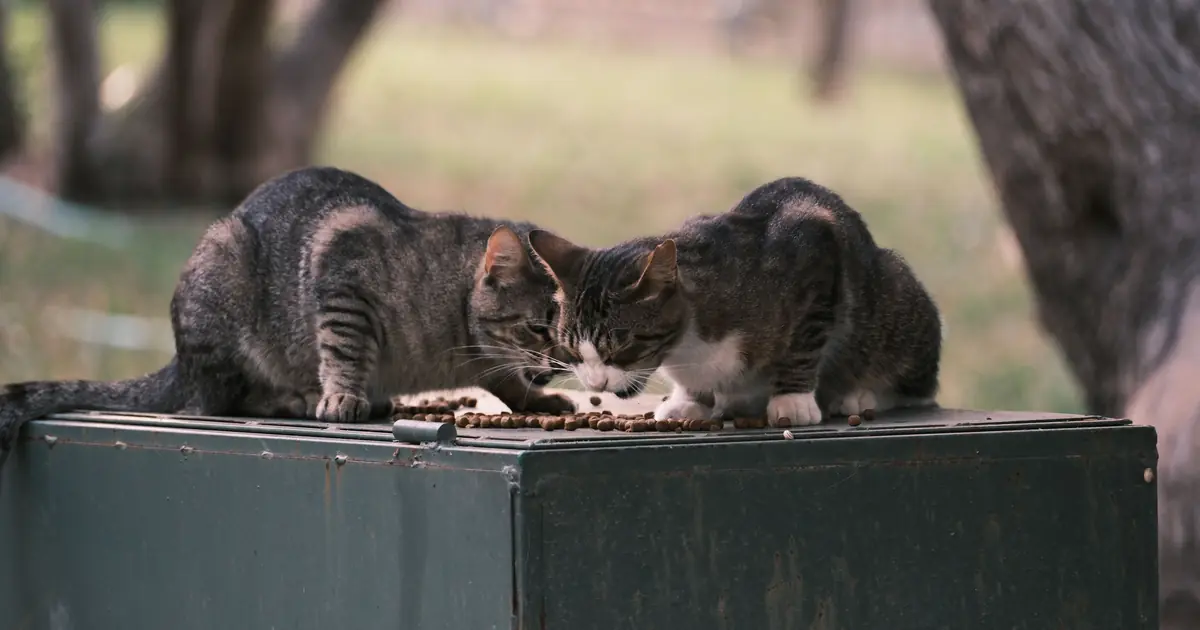
Picture the scene. It’s the holidays, the roast is out, and your cat is doing that slow, hopeful figure-eight around your ankles. You’ve got a boat of warm gravy in your hand, and those eyes are begging. So, can cats have gravy? Honestly, the answer splits right down the middle, and knowing the difference matters.
Here’s the short version. Gravy made for cats is a yes. Gravy made for your Sunday dinner is a no. The cat gravy in wet food or a lickable treat is designed for feline bodies, while human gravy is loaded with salt, fat, and often onion and garlic, which cause real harm. Give your cat cat gravy, and keep the Thanksgiving gravy to yourself.
- Cat-food gravy (wet food sauce or lickable gravy treats) is safe and a smart way to boost your cat’s water intake.
- Human and homemade gravy should be avoided because of high salt, high fat, and onion or garlic.
- Onion and garlic are toxic to cats even in small amounts and can damage red blood cells, causing anemia.
- Too much salt can cause vomiting, diarrhea, and in severe cases seizures, while high fat can trigger pancreatitis.
- A tiny accidental lick of plain human gravy usually just upsets the stomach, but repeated or seasoned gravy is the real danger.
Can cats have gravy at all, or is it always off-limits?
Cats can have gravy, as long as it’s gravy made for cats. The word “gravy” covers two very different things. There’s the savory sauce packed into wet cat food and lickable gravy treats, which is formulated to be safe. Then there’s human gravy, the kind you pour over turkey, which is a poor and often risky choice for a cat.
So the real question isn’t “gravy: yes or no.” It’s “which gravy?” Cat gravy earns a happy yes. Human gravy earns a firm no. That single distinction is the whole story here, and it’s the part most cat parents miss.
Why is human and homemade gravy bad for cats?
Human gravy is bad for cats because it combines several things a cat’s body handles poorly: heavy salt, rich fat, and alliums like onion and garlic. Toss in meat drippings, flour, and sometimes wine or seasoning, and you’ve got a recipe built for people, not for a 10-pound carnivore.
Let’s break down the main offenders.
Onion and garlic (the biggest danger)
Onion and garlic are toxic to cats, and most human gravy contains one or both. These belong to the allium family, and they produce compounds that cause oxidative damage to a cat’s red blood cells. That damage can lead to a type of anemia. The scary part? It doesn’t take much. Powdered forms, the kind hiding in gravy granules and stock cubes, are especially concentrated, so a “little taste” isn’t as harmless as it looks. The ASPCA lists onions and garlic among the people foods to keep away from pets.
Salt
Human gravy is salty, and cats are small. Too much sodium can cause vomiting, diarrhea, excessive thirst, and lethargy. In severe cases, salt overload can lead to tremors or seizures. Your cat needs a tiny fraction of the salt you do, so what tastes mild to you is a lot for them. If you already watch salty human foods, this is the same logic as being careful with other salty snacks like giving your cat salami.
Fat and drippings
Gravy is rich, and that richness is the problem. A big hit of fatty drippings can upset a cat’s stomach, and in some cats it can trigger pancreatitis, a painful inflammation of the pancreas that causes vomiting and appetite loss. Cats aren’t built to process a gravy boat’s worth of grease.
Why is cat-food gravy actually good for your cat?
Cat-food gravy is good for your cat because it’s formulated without the toxic and salty ingredients found in human gravy, and it delivers something cats genuinely need: moisture. The gravy in wet food and lickable treats is mostly water wrapped in flavor, which makes it one of the easiest ways to keep a cat hydrated.
And hydration is a big deal for cats. Many cats are naturally light drinkers, descended from desert-dwelling ancestors, so they often don’t visit the water bowl as much as they should. Gravy-rich wet cat foods in gravy sneak extra water into every meal, which supports kidney and urinary health.
Cat gravy is also a brilliant appetite trick. If your cat is fussy, recovering from illness, or just turning up their nose, that savory sauce can tempt them to eat when nothing else works. A drizzle of lickable gravy over a meal often gets a picky eater started. As part of a complete feline diet, gravy is a helper, not the main event.
Cat-food gravy vs. human gravy: how do they compare?
Cat-food gravy and human gravy look similar in the bowl but are worlds apart in what they contain. One is built for a cat’s body; the other is built for your dinner plate. Here’s the side-by-side.
| Feature | Cat-food gravy (wet food / lickable treats) | Human / homemade gravy |
|---|---|---|
| Safe for cats? | Yes, formulated for cats | No, avoid it |
| Onion / garlic | None | Usually present, toxic to cats |
| Salt level | Controlled for feline needs | High, risks salt toxicity |
| Fat / drippings | Balanced | Rich, can trigger pancreatitis |
| Hydration benefit | High, mostly water | Not worth the risks |
| Best use | Daily moisture and appetite boost | Keep it on your own plate |
What are safe ways to add gravy-style moisture?
The safest ways to add gravy-style moisture are to lean on foods and toppers made for cats. You don’t need the Thanksgiving stuff to give your cat that rich, saucy meal they love. Here are the good options:
- Wet food in gravy. The simplest fix. Choose a wet food that comes in gravy and you cover flavor and hydration at once.
- Lickable gravy treats. These squeezable feline snacks are basically cat-safe gravy in a tube, great for fussy eaters or as an occasional treat.
- Plain, unsalted broth. A spoonful of plain broth over food adds moisture, but only if it’s truly plain: no onion, no garlic, no salt, no seasoning. Onion and garlic powder are common in store broths, so read the label or make your own by simmering plain meat in water.
- A splash of water. Not fancy, but stirring a little warm water into wet food makes an instant light gravy and boosts water intake.
Want to treat your cat without the risk? Stick to safe treat options designed for feline snacking. For more on feline nutrition basics, PetMD’s cat nutrition guides are a solid, vet-reviewed starting point.
What should you do if your cat ate human gravy?
If your cat ate human gravy, first figure out how much and what was in it. A single tiny lick of plain gravy will most likely just cause a mildly upset stomach, and your cat should be fine. The bigger worry is gravy made with onion or garlic, a large amount, or repeated servings.
Here’s what to do:
- Check the ingredients. If onion, garlic, onion powder, or garlic powder were involved, call your vet right away, even if your cat seems fine.
- Watch for warning signs over the next day or two.
- Offer fresh water and hold off on more people food.
- When in doubt, phone your vet or an animal poison control line for advice.
Call your vet promptly if you notice any of these red flags: repeated vomiting or diarrhea, weakness or lethargy, pale gums, rapid breathing, loss of appetite, or signs of belly pain. These can point to allium toxicity, salt overload, or pancreatitis, and they’re worth a professional look.
This article is educational and isn’t a substitute for veterinary advice. If you’re worried about your cat, call your vet. For trustworthy background on feline health, the Cornell Feline Health Center is a reliable resource.
Frequently asked questions about cats and gravy
Q: Can cats eat gravy from wet cat food?
Yes, cats can eat the gravy from wet cat food. That sauce is formulated for cats, free of onion, garlic, and excess salt, and it adds valuable moisture. Some cats even lick the gravy first and leave the chunks, which is perfectly fine.
Q: Is a little bit of human gravy okay for cats?
A single tiny lick of plain human gravy usually just causes a mild stomach upset. But it’s not a good idea to offer it, and gravy with onion, garlic, or lots of salt can be harmful even in small amounts. It’s safest to skip human gravy entirely.
Q: Why is onion and garlic in gravy dangerous for cats?
Onion and garlic belong to the allium family, which is toxic to cats. They cause oxidative damage to red blood cells, which can lead to anemia. Powdered onion and garlic, common in gravy mixes, are especially concentrated, so even small amounts pose a risk.
Q: Can I make homemade gravy for my cat?
You can make a cat-safe gravy by simmering plain chicken, turkey, or beef in water with no seasoning, then cooling it and serving a small spoonful over food. Never add onion, garlic, salt, butter, or stock cubes, since those make it unsafe.
Q: Does gravy help hydrate cats?
Cat-food gravy helps hydrate cats because it’s mostly water, which supports kidney and urinary health. Wet food in gravy and lickable gravy treats are easy ways to boost water intake, especially for cats who rarely drink from their bowl. Human gravy is not a good hydration source.
Q: Can gravy give my cat diarrhea?
Human gravy can give your cat diarrhea because of its high fat and salt content, which many cats can’t digest well. Cat-food gravy is far less likely to cause problems. If your cat has ongoing diarrhea after eating gravy, contact your vet.
Q: Is gravy safe for cats with kidney disease?
Cats with kidney disease should avoid human gravy because it’s high in sodium and phosphorus, which can worsen kidney problems. Always follow your vet’s dietary plan for a cat with kidney disease, since even some cat-food toppers may need to be limited.
Q: Do lickable gravy treats count as a meal?
Lickable gravy treats don’t count as a complete meal. They’re a supplemental snack or appetite booster, not balanced nutrition. Use them to tempt fussy eaters or as an occasional treat, and rely on complete cat food for your cat’s daily diet.
So, can cats have gravy? Give them the cat kind, all day long, and keep the human gravy for your own plate. Cat-food gravy adds moisture, tempts picky eaters, and keeps your cat safe, while human gravy brings salt, fat, and toxic onion and garlic to the table. Choose wisely, and your cat gets the saucy meal they love without the risk.

Hello and welcome to The Ideal Cat!
We are some passionate cat owners from different professions. We love our cats and have a lot of experience in how to care for our pets. We are incredibly excited to share our knowledge, experience, and research with you. So you can take good care of your loving cat. We will answer most of the common questions about owning cats, taking care of them, etc. If you have any question contact with us. Thanks for visiting! Enjoy the content.
