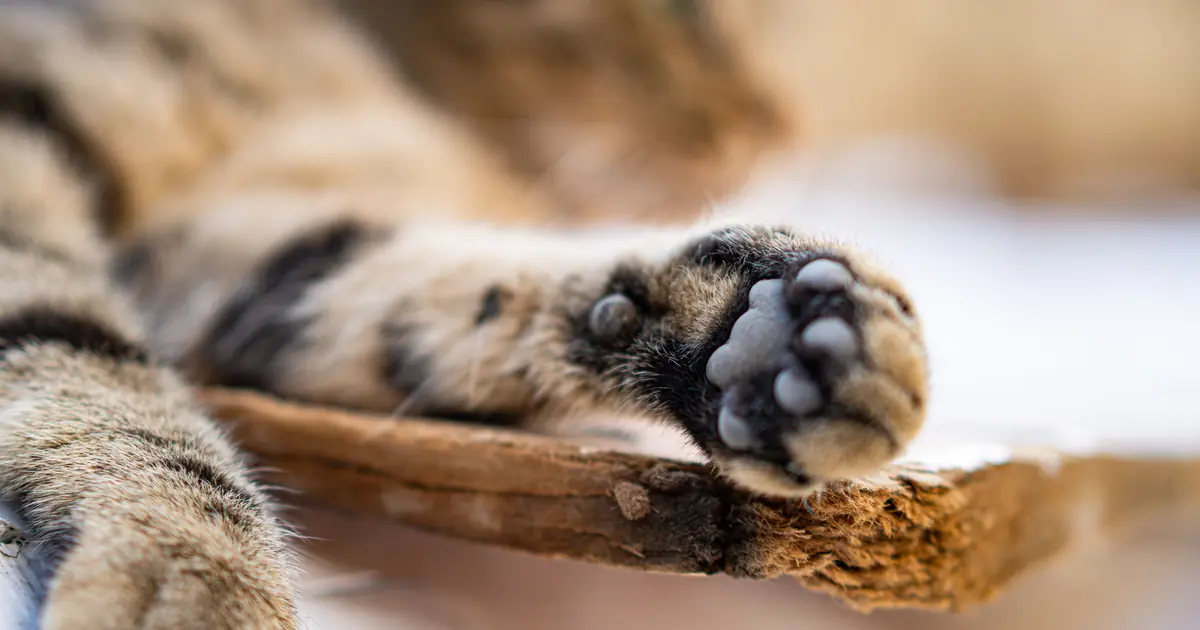
If you’ve just watched your cat take a few careful steps and favor one leg, your stomach probably dropped a little. Here’s the thing: a limp is your cat’s way of telling you something hurts. The good news is that some causes are minor and settle with rest, while others need a vet. This guide helps you tell the difference, calmly.
- Limping in cats is almost always a sign of pain, even when no injury is visible.
- The most common causes are sprains, fractures, paw or claw problems, abscesses from bite wounds, and arthritis.
- Arthritis is very common in senior cats, with more than 90% of cats over age 12 showing joint changes on X-rays.
- See a vet right away if your cat cannot bear weight, the leg dangles oddly, there is swelling or bleeding, or the limp follows a fall or being hit by a car.
- A mild limp with no other signs can be watched for about 24 hours, but call your vet if it has not improved.
- Never give a cat human pain medicine. Acetaminophen (Tylenol) and ibuprofen are toxic to cats and even one pill can be fatal.
Cats are masters at hiding pain, so a visible limp usually means your cat is hurting more than they’re letting on. This article is educational and is not a substitute for veterinary care. If your cat seems to be in real distress, please call your vet or an emergency clinic.
What does a limp in a cat actually look like?
A limp in a cat is any change in how they walk that protects a sore leg. Cats limp by putting less weight on one paw, taking shorter steps, bobbing the head, or holding a leg up entirely. Some limps are obvious, while others are subtle and easy to miss.
Watch your cat walk across a hard floor and look for these patterns:
- Favoring one leg: light, quick steps on the sore side.
- Holding the paw up: the cat refuses to put the foot down at all.
- Stiffness: slow, careful movement, often worse after resting (common with arthritis).
- Reluctance to jump: hesitating before the couch or skipping favorite high spots.
- A head bob: the head dips as the good leg lands and lifts when the sore leg does.
If the limp comes and goes or seems worse first thing in the morning, that’s still worth noting. An intermittent limp can point to arthritis or an old injury flaring up.
Why is my cat limping all of a sudden?
A cat that’s limping all of a sudden has usually hurt itself recently, often from a jump gone wrong, a fall, a fight, or stepping on something sharp. Sudden limps tend to be injuries, while limps that creep in slowly over weeks are more often arthritis or joint disease.
Here are the most common reasons cats limp, from everyday minor causes to ones that need urgent care.
1. Sprains, strains, and soft-tissue injuries
Sprains and strains happen when a cat overstretches a muscle or ligament, often after an awkward landing. These injuries cause a mild to moderate limp that frequently improves with a day or two of rest. If your cat is bearing some weight and otherwise acting normal, a sprain is a common, more hopeful explanation.
2. Fractures and dislocations
A fracture (broken bone) or dislocated joint causes a sudden, severe limp, and the cat usually won’t put any weight on the leg. The limb may look swollen, hang at a strange angle, or feel unstable. Fractures are an emergency and need a vet the same day, so do not wait this one out.
3. Paw and claw problems
Paw and claw problems are a frequent, easy-to-miss cause of limping in cats. Common culprits include a cut pad, a splinter or thorn stuck in the foot, a torn nail, or an ingrown claw that has curled into the paw pad. Senior and less active cats are especially prone to overgrown nails that grow back into the skin.
4. Bite wounds and abscesses
Bite wounds, often from a fight with another cat, are a top cause of sudden limping. A bite can seal over and trap bacteria under the skin, forming an abscess, which is a painful pocket of pus. Abscesses cause swelling, heat, a foul smell, and sometimes a fever, and they need a vet for draining and antibiotics.
5. Arthritis and joint disease
Arthritis (also called degenerative joint disease) is inflammation and wear in the joints that makes movement stiff and painful. Arthritis is one of the most common reasons older cats limp, and it affects an estimated 90% or more of cats over 12 years of age. The limp is often subtle, worse after rest, and paired with less jumping and grooming.
6. Insect bites and stings
An insect bite or sting on the paw or leg can cause a sudden limp along with localized swelling. Cats are curious and sometimes swat at bees or wasps. Most stings settle on their own, but call your vet if the swelling spreads, the cat seems unwell, or you suspect an allergic reaction.
7. Ligament and tendon injuries
Ligament and tendon injuries, including knee ligament tears, cause a persistent limp on a back leg that doesn’t fully clear with rest. These injuries are more common in heavier or very active cats. A vet exam, and sometimes imaging, is needed to confirm and treat them.
8. Infections and tick-borne illness
Some infections cause limping that may shift from leg to leg or come with fever and tiredness. Tick-borne illnesses and certain joint infections fall into this group. Because the cause isn’t visible from the outside, these limps need a vet to diagnose properly.
9. More serious causes: nerve problems and tumors
Less often, limping is caused by neurological problems, blood clots, or tumors in the bone or soft tissue. A clot blocking blood flow to a back leg is a true emergency: the leg may feel cold, the paw pad can look pale or blue, and the cat is usually in severe pain and crying. Any sudden inability to use a back leg, especially with these signs, means go to an emergency vet immediately.
Front leg vs back leg: what’s the difference?
Whether the limp is in a front leg or a back leg, the basic message is the same: something hurts and may need a vet. That said, the location offers clues, since some causes show up more often in one set of legs than the other.
| Limp location | More likely causes |
|---|---|
| Front leg | Cut or torn nail, splinter in the paw, bite wound, sprain from a hard landing, shoulder or elbow arthritis |
| Back leg | Knee ligament injury, hip arthritis, fracture, bite-wound abscess, blood clot (emergency in severe, sudden cases) |
| Shifting or both sides | Arthritis in multiple joints, infection, tick-borne illness |
Don’t rely on the location alone to decide what’s wrong. Use it as one piece of the picture, alongside how severe the limp is and whether your cat shows other signs.
Is my cat’s limp an emergency, or can I wait?
A mild limp in a cat that’s otherwise eating, alert, and putting some weight on the leg can usually be watched at home for about 24 hours. But a cat that won’t bear weight at all, shows swelling or bleeding, or is in obvious pain needs a vet right away. When in doubt, call your vet, since cats hide pain so well that a visible limp often means real trouble.
Call your vet or an emergency clinic now if your cat has any of these red flags:
- Cannot put any weight on the leg, or holds it up constantly
- The leg dangles, looks crooked, or is swollen
- Visible wound, heavy bleeding, or bone showing
- The limp followed a fall, a car accident, or a known fight
- Crying out, hiding, refusing food, or panting
- A back leg that’s suddenly limp and cold, with pale or bluish paw pads (possible blood clot)
- Dragging the leg, weakness, or loss of coordination
- The limp hasn’t improved after about 24 hours, or is getting worse
I get it, no one wants an emergency vet bill for what might be a stubbed toe. But limping causes like fractures, abscesses, and clots get worse and more painful the longer they wait, so erring on the side of a phone call is the kinder choice for your cat.
What can I do at home for a limping cat?
At home, you can gently look the leg over, keep your cat calm and indoors, and limit jumping while you watch for improvement. Home care is only appropriate for a mild limp in a cat that’s otherwise acting normal, and it never replaces a vet visit for anything more serious.
Safe things you can do:
- Confine your cat to a small, calm room so the sore leg can rest. Block access to high perches and stairs.
- Look the paw and leg over gently. Check between the toes and pads for cuts, swelling, a stuck object, or a nail curling into the pad. Stop if your cat is in pain, since hurt cats can bite or scratch.
- Watch closely for 24 hours. Note whether the limp improves, stays the same, or worsens, and keep an eye on appetite and energy.
- Keep the litter box, food, and water nearby so your cat doesn’t have to travel or climb.
Never do these things:
- Never give human pain medicine. Acetaminophen (Tylenol) and ibuprofen are toxic to cats. Cats cannot break these drugs down safely, and even a single acetaminophen pill can be fatal. Pain relief for cats must come from a vet only.
- Don’t force the leg to bend or pull on it. If there’s a fracture, you could make it worse.
- Don’t try to splint or bandage tightly at home. A bad wrap can cut off circulation.
- Don’t ignore a limp just because your cat acts fine otherwise. Cats mask pain, so calm behavior doesn’t rule out a real injury.
For anything beyond a quick check, let your vet take the lead. They can pinpoint the cause and give safe, cat-specific pain relief.
How will the vet figure out why my cat is limping?
Your vet will diagnose a limp by examining the leg by hand and, when needed, taking X-rays or running tests. The goal is to find exactly where it hurts and rule out fractures, joint disease, and infection. Bring along anything you noticed, like when the limp started and whether your cat had a fall or a fight.
A typical workup may include:
- A hands-on exam of each joint, the paw, and the nails to find the painful spot.
- X-rays to check for fractures, dislocations, or arthritis.
- Bloodwork if an infection or other illness is suspected.
- Cleaning and draining a wound if there’s an abscess.
Treatment depends on the cause and may range from rest and vet-prescribed pain relief for a sprain, to antibiotics for an abscess, to surgery for a fracture or torn ligament. Arthritis is usually managed long term with joint support, weight control, and medication your vet recommends.
How can I help prevent limping in my cat?
You can lower the odds of limping by keeping nails trimmed, helping your cat stay a healthy weight, and making your home easier on aging joints. Prevention won’t stop every accident, but it cuts down on the most common causes like overgrown claws and arthritis flare-ups.
- Trim nails regularly to prevent ingrown claws, especially in senior or indoor cats.
- Keep your cat at a healthy weight to ease pressure on joints.
- Add ramps or steps to favorite perches for older or stiff cats.
- Keep cats indoors or supervised to avoid fights and car accidents.
- See your vet for senior checkups so arthritis is caught and managed early.
If your cat is older and slowing down, ask your vet about joint supplements and comfortable bedding. Small changes go a long way for stiff, achy joints.
Frequently Asked Questions
Q: Why is my cat limping but acting normal?
A cat that’s limping but acting normal often has a minor issue like a sprain, a sore paw, or early arthritis. Cats also hide pain very well, so normal behavior doesn’t rule out a real injury. Watch the limp for about 24 hours, and call your vet if it doesn’t improve or gets worse.
Q: Can a cat’s limp heal on its own?
A mild limp from a minor sprain can sometimes improve on its own with a day or two of rest. But fractures, abscesses, ingrown claws, and joint disease will not heal without treatment and tend to worsen. If the limp lasts more than 24 hours or your cat won’t bear weight, see a vet.
Q: What can I give my cat for pain from limping?
Never give your cat human pain medicine for limping. Acetaminophen (Tylenol) and ibuprofen are toxic to cats and can be fatal even in small amounts, because cats cannot metabolize them safely. Only a veterinarian can prescribe safe, cat-specific pain relief, so call your vet before giving anything.
Q: My cat is limping but there’s no swelling. What does that mean?
A cat limping with no swelling may have a strain, a sore paw pad, early arthritis, or pain deeper in a joint that isn’t visible from the outside. Lack of swelling doesn’t mean it’s minor. If the limp continues past 24 hours or your cat seems uncomfortable, have a vet check it.
Q: Why is my older cat suddenly limping after jumping?
An older cat that limps after jumping has often strained a joint already weakened by arthritis, which affects most cats over age 12. The hard landing aggravates a stiff, achy joint. Limit jumping, add ramps or steps, and ask your vet about long-term arthritis management.
Q: How long should I wait before taking my limping cat to the vet?
Wait no longer than about 24 hours for a mild limp in a cat that’s otherwise eating and alert. Go right away, without waiting, if your cat can’t bear weight, the leg is swollen or crooked, there’s bleeding, or the limp followed a fall or fight. When unsure, call your vet.
Q: Why does my cat’s limp come and go?
A limp that comes and goes often points to arthritis or an old injury that flares with activity. Many cats limp more after rest or in cold weather, then loosen up as they move. An on-and-off limp still deserves a vet visit, since it can quietly worsen over time.
Q: Can stress or anxiety make a cat limp?
Stress and anxiety do not directly cause a cat to limp. Limping is a physical sign of pain in a leg, paw, or joint. If your cat is limping, look for a physical cause and consult your vet rather than assuming it’s behavioral.
Watching your cat limp is stressful, but you now know the common causes, what’s safe to check at home, and the red flags that mean call your vet. When you’re unsure why your cat is limping, a quick call to your veterinarian is always the safest next step for your cat’s comfort and health.
This article is for educational purposes and is not a substitute for professional veterinary advice. Always consult a licensed veterinarian about your cat’s health.

Hello and welcome to The Ideal Cat!
We are some passionate cat owners from different professions. We love our cats and have a lot of experience in how to care for our pets. We are incredibly excited to share our knowledge, experience, and research with you. So you can take good care of your loving cat. We will answer most of the common questions about owning cats, taking care of them, etc. If you have any question contact with us. Thanks for visiting! Enjoy the content.
