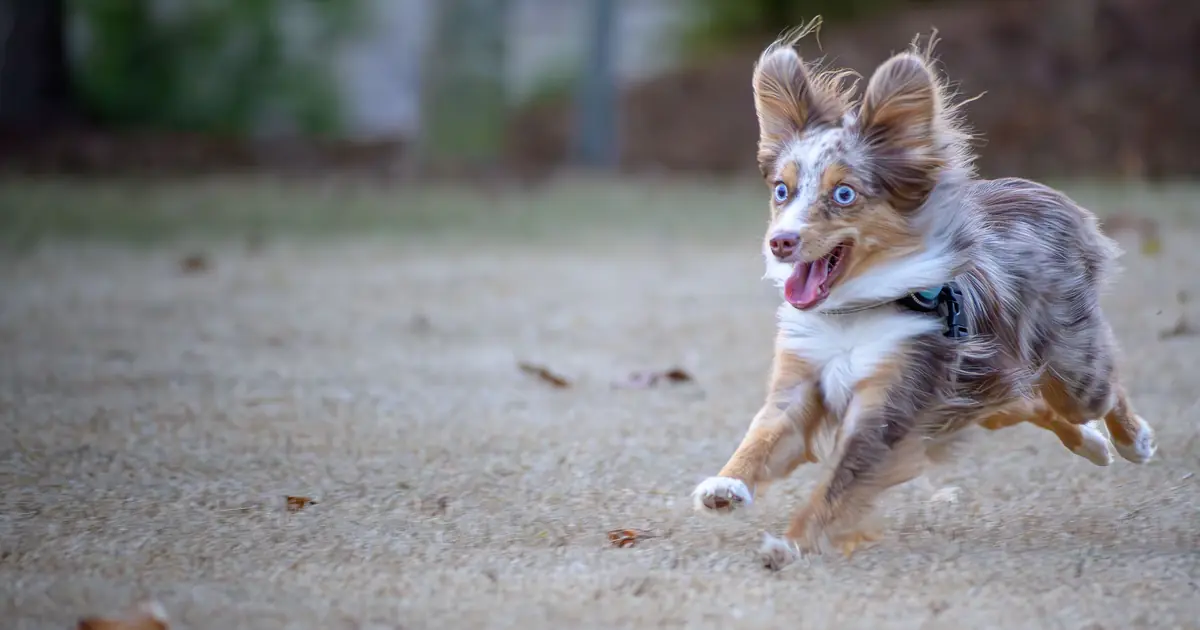
If you’ve ever watched your cat go from a peaceful nap to a full-speed lap around the living room, off the couch, across the rug, and up the cat tree in about four seconds, you’ve witnessed the zoomies. It looks chaotic. It’s usually completely normal. But it’s fair to wonder what’s going on in that little head.
Here’s the good news: most of the time, your cat getting the zoomies is just a healthy, happy cat being a cat. Let’s break down why it happens, when it’s worth a closer look, and how to keep the 3am races to a minimum.
- Cat zoomies are called Frenetic Random Activity Periods (FRAPs), short bursts of frantic running that typically last only a few minutes.
- The most common cause of cat zoomies is releasing pent-up energy, since indoor cats sleep much of the day and store it up.
- Cats are crepuscular, so zoomies often strike at dawn and dusk, which is why night zoomies are so common.
- Post-litter-box zoomies are linked to relief and stimulation of the vagus nerve after pooping, and are considered normal.
- Sudden, frequent zoomies in a cat over 7, especially with weight loss and a big appetite, can point to hyperthyroidism and warrant a vet visit.
What Are Cat Zoomies, Exactly?
Cat zoomies are sudden, intense bursts of energy where a cat sprints, darts, and changes direction at high speed, often in circles or laps around the home. Behaviorists call this a Frenetic Random Activity Period, or FRAP. Unlike normal play, zoomies look almost out of control and don’t need a toy or a partner to happen. Some cats add somersaults for good measure.
A zoomie episode is short. Most last only a few minutes, sometimes less, before your cat suddenly stops, blinks, and acts like nothing happened. The behavior shows up in cats of every age, though kittens and young cats do it far more often than seniors.
Why Does My Cat Get the Zoomies? The 7 Main Reasons
Cats get the zoomies mainly to discharge built-up energy and to act out the hunt-chase-pounce sequence wired into them. A few specific triggers set off most episodes. Here are the most common reasons your cat suddenly bolts across the house.
1. Pent-up energy needs an outlet
The number-one reason cats get the zoomies is stored-up energy with nowhere to go. Most cats sleep a large share of the day, commonly cited as around 12 to 16 hours, so energy builds up while they rest. A FRAP is the release valve. This is especially common in young, under-stimulated cats who don’t get enough active play during the day.
2. Hunting instinct is kicking in
Zoomies are partly your cat practicing the hunt. The sudden sprints, sharp turns, and pounces mirror the way wild cats chase prey. Even a well-fed house cat carries that instinct, so a FRAP can be a safe, indoor stand-in for stalking and chasing. Channelling it into toys made for indoor cats beats letting it loose on your curtains.
3. They’re crepuscular (dawn and dusk are go-time)
Cats are crepuscular, meaning they’re naturally most active at dawn and dusk. That’s prime hunting time for their wild ancestors. This is the big reason behind early-morning and late-night zoomies, when your cat’s internal clock says it’s time to move.
4. They just woke up from a nap
A fresh burst of energy after sleep is a classic zoomie trigger. Because cats pack so much rest into the day, waking up can flip a switch from deep sleep to full sprint in seconds. A quick lap around the room shakes off the grogginess.
5. They just used the litter box
Post-poop zoomies are real and they’re normal. The likely cause is a mix of plain relief and stimulation of the vagus nerve during defecation, which can create a brief feeling of release and excitement. Some experts also tie it to a leftover instinct to dash away from waste so predators can’t track the scent.
6. Something excited or startled them
Environmental triggers spark plenty of zoomies. Catnip, a sudden noise, the sight of a bird through the window, a fresh delivery box, or even your arrival home can all set off a FRAP. The energy of the moment simply spills over into a sprint.
7. They’re a kitten (or young at heart)
Kittens get the zoomies the most, full stop. Young cats have enormous energy and are still learning how to move their bodies, so frequent, intense FRAPs are part of normal kitten life. The behavior usually mellows with age, though plenty of adult and even senior cats keep a few good zoomies in them.
Are Cat Zoomies a Sign of Happiness?
Yes, in most cases cat zoomies are a sign of a happy, healthy, well-functioning cat. A relaxed zoomie is your cat playing, releasing energy, and feeling good. Read the body language to be sure: loose posture, neutral or forward ears, an upright or gently swishing tail, and maybe a playful chirp all signal happy zoomies.
There’s a flip side worth knowing. Zoomies driven by stress or overstimulation look different. Watch for a tense body, dilated pupils, flattened ears, and a puffed-up or sharply flicking tail. If your cat seems frantic, frightened, or in pain rather than playful, that’s a cue to look closer and, if it repeats, mention it to your vet.
Normal Zoomies vs. When to Worry
Normal cat zoomies are short, occasional, and playful. Concerning zoomies are sudden, frequent, paired with other symptoms, or new in an older cat. This quick comparison helps you tell the difference at a glance.
| Normal Zoomies | Worth a Closer Look |
|---|---|
| Last a few minutes, then stop on their own | Go on much longer or repeat constantly |
| Relaxed body, neutral ears, playful tail | Tense body, flat ears, dilated pupils, puffed tail |
| Happen after naps, play, or the litter box | Paired with crying, hiding, or signs of pain |
| Common in kittens and young cats | Brand-new in a cat over 7 years old |
| Cat seems happy and energetic | Cat is also losing weight or eating much more |
This article is educational and isn’t a substitute for veterinary care. If your cat’s zoomies feel “off” to you, or come with any of the warning signs above, a quick check with your vet is always the safe call.
Can Zoomies Be a Health Problem? (Especially in Older Cats)
Most zoomies are harmless, but a sudden change in an older cat’s energy can be a medical clue. If a cat over 7 years old who never used to zoom suddenly starts racing around, especially while losing weight and eating more than usual, hyperthyroidism is a real possibility worth ruling out.
Hyperthyroidism is an overactive thyroid that floods the body with thyroid hormone and ramps up metabolism. According to the Cornell Feline Health Center, it’s one of the most common hormonal disorders in older cats, and its classic signs are weight loss despite a big appetite, increased thirst and urination, and restless, hyperactive behavior. The good news is that vets usually diagnose it with a simple blood test, and it’s very treatable when caught early.
Other discomforts can also masquerade as zoomies. Pain or irritation in the urinary tract, colon, or rectum may trigger frantic dashing after the litter box, and a heavy flea burden can make a cat suddenly bolt and bite at itself. None of this means you should panic over a normal sprint. It just means new, out-of-character, or symptom-laden zoomies deserve a vet’s eyes.
See a vet promptly if zoomies come with any of these:
- Weight loss with a noticeably bigger appetite
- Increased thirst or urination
- Crying out, hiding, or other signs of pain during or after the zoomie
- Frantic biting, scratching, or chewing at the body
- A sudden new pattern of zoomies in a senior cat
Why Does My Cat Get the Zoomies at Night, and How Do I Stop Them?
Your cat gets the zoomies at night because cats are crepuscular, so their internal clock revs up at dusk and again before dawn, and an indoor cat stores all day’s energy for that window. You can’t and shouldn’t eliminate zoomies, but you can shift that energy to daytime so nights get calmer. The goal is to tire your cat out before bed and build a predictable routine, since cats thrive on patterns. Here’s a simple plan that works for most night-zoomie cats.
- Play hard, 30 to 60 minutes before bed. Use a wand toy, feather teaser, or toy mouse to mimic prey. Aim for two short sessions of about 10 to 15 minutes each, with real chasing, pouncing, and jumping until your cat is panting a little. High-energy cats often burn more of it off on a cat wheel.
- End play with a “catch.” Let your cat actually pounce on and grab the toy at the end. Finishing the hunt with a win helps satisfy the instinct instead of leaving them wound up.
- Feed a meal right after the evening play. Hunt, then eat, then groom, then sleep is the natural cat rhythm. A meal after play helps trigger the wind-down. A small snack right at bedtime can keep a hungry cat from waking you.
- Keep the schedule consistent. Same play time and feeding time every day matters more than how intense any single session is. Cats learn the pattern fast and start to settle into it.
- Enrich the daytime. Rotate toys, add a cat tree, a window perch, a puzzle feeder, or cat TV so your cat burns energy while you’re busy or asleep.
- Don’t punish the zoomies. Yelling or chasing back can scare your cat or turn into a game. If a zoomie starts at night, calmly ignore it and let it burn out, then redirect with daytime play.
If you also deal with late-night yowling on top of the zoomies, that’s often part of the same crepuscular wake-up. Tackling both with the routine above tends to help.
How to Keep Your Cat Safe During the Zoomies
Zoomies are safe as long as the path is safe, so a few quick fixes prevent crashes and falls. Because a cat in full FRAP mode isn’t watching where they’re going, the room matters more than the running.
- Clear breakable items off low shelves, tables, and the TV stand.
- Tuck away cords, blind strings, and anything a sprinting cat could snag.
- Add a soft landing near favorite jumping spots like the back of the couch.
- Use rugs or runners on slick floors so paws don’t skid into walls.
- Give them an outlet, like a cat tree or scratcher, so the energy has somewhere to go.
Do Cats Grow Out of the Zoomies?
Cats usually slow down on zoomies as they age, but most never fully grow out of them. Kittens and young cats FRAP the most, and the frequency drops as a cat matures, with arthritis and lower muscle mass naturally calming senior cats. Even so, plenty of older cats still treat themselves to the occasional victory lap, and that’s perfectly healthy.
Frequently Asked Questions About Cat Zoomies
Q: How long do cat zoomies usually last?
Cat zoomies are short. A typical FRAP lasts only a few minutes, sometimes less, before the cat suddenly stops and goes back to normal. If your cat is racing around frantically for long stretches or many times a day, that’s worth mentioning to your vet.
Q: Why does my cat get the zoomies after pooping?
Post-poop zoomies are normal and common. They’re likely driven by relief and stimulation of the vagus nerve during defecation, which creates a quick burst of excitement. An old instinct to dash away from waste to avoid predators may also play a part.
Q: Why does my cat get the zoomies at night?
Cats are crepuscular, so they’re naturally wired to be most active at dawn and dusk, which spills into nighttime zoomies. An under-stimulated indoor cat also stores energy all day and burns it off at night. A hard play session and meal before bed usually help.
Q: Are zoomies a sign my cat is happy?
Usually, yes. Zoomies with relaxed body language, neutral ears, and a playful tail signal a happy, healthy cat releasing energy. Zoomies with a tense body, flat ears, dilated pupils, and a puffed tail can signal stress or overstimulation instead.
Q: Should I be worried about my older cat’s zoomies?
Be cautious if zoomies are new in a cat over 7, especially alongside weight loss and a bigger appetite. This combination can point to hyperthyroidism, a common and treatable condition in senior cats that a vet diagnoses with a simple blood test. Schedule a check-up to be safe.
Q: Can I stop my cat’s zoomies completely?
You can’t and shouldn’t stop zoomies entirely, since they’re a healthy energy release. You can reduce disruptive night zoomies by playing hard before bed, feeding after play, and keeping a consistent daily routine. Never punish a cat for zooming.
Q: Do kittens get the zoomies more than adult cats?
Yes, kittens get the zoomies far more than adults. Young cats have huge energy reserves and are still learning to control their bodies, so frequent, intense FRAPs are completely normal. Zoomie frequency naturally drops as a cat matures.
Q: Why does my cat get the zoomies after a bath or grooming?
Post-bath and post-grooming zoomies usually come from a mix of relief, mild overstimulation, and the urge to shake off the experience. Running it out is a normal way for your cat to reset after something they found a little stressful or exciting.
So the next time you ask why does my cat get the zoomies, you’re almost always looking at a happy, energetic cat just being a cat. Enjoy the show, keep the room safe, and lean on a solid play-and-feed routine to keep night zoomies in check. And if those wild sprints ever come with weight loss, pain, or show up suddenly in an older cat, let your veterinarian take a look.

Hello and welcome to The Ideal Cat!
We are some passionate cat owners from different professions. We love our cats and have a lot of experience in how to care for our pets. We are incredibly excited to share our knowledge, experience, and research with you. So you can take good care of your loving cat. We will answer most of the common questions about owning cats, taking care of them, etc. If you have any question contact with us. Thanks for visiting! Enjoy the content.
