
Your cat hunches, makes that awful gurgle-hack sound, and up comes breakfast. You clean it, sigh, and move on. But then it happens again. And again this week. At what point does “cats just do that” become “we need to see a vet”?
Here’s the honest answer most people don’t hear: frequent vomiting is common in cats, but it’s not actually normal. A cat that throws up several times a week is telling you something. This guide is about the line between watch-and-wait and pick-up-the-phone, so you know exactly when to worry about cat vomiting and when you can relax.
This article is educational and isn’t a substitute for veterinary care. When something feels off, call your vet.
- Occasional vomiting, like one hairball every week or two in an otherwise healthy cat, is usually not an emergency.
- Vomiting more than once a week, or more than a couple of times a month, is a reason to see your vet, even if your cat seems fine afterward.
- See a vet the same day for blood in vomit, repeated retching with nothing coming up, no eating or drinking for 24 hours, or a limp, hiding cat.
- Vomiting plus diarrhea for more than about 12 hours can cause dangerous dehydration and needs prompt care.
- Kittens, senior cats, and diabetic or already-sick cats dehydrate fast, so their vomiting is always more urgent.
Is it normal for cats to vomit?
Occasional vomiting can happen, but regular vomiting is not normal for a healthy cat. Many cat parents grew up believing cats just throw up, especially hairballs. The truth from feline vets is more nuanced: a rare hairball or a one-off tummy upset is common and usually harmless, but repeated vomiting is a symptom of something that needs attention, not a quirk to ignore.
Think of vomiting as a message. Sometimes the message is boring, like “I ate too fast.” Sometimes it’s serious, like food allergies, parasites, kidney disease, hyperthyroidism, or an object stuck in the gut. The Cornell Feline Health Center notes that one or two episodes lasting under 24 hours in an otherwise healthy cat usually aren’t cause for alarm. It’s the pattern and the extra symptoms that decide whether to worry. If you are still piecing things together, our cat symptom checker helps you narrow it down. For a full breakdown of the reasons behind it, see our guide on why your cat keeps vomiting.
When should I worry about my cat vomiting?
Worry when vomiting is frequent, repeated in a short window, or paired with any red-flag sign. As a simple rule, a cat that vomits more than once a week, or more than a couple of times a month, should be checked by a vet, even if it seems totally normal in between. According to VCA Animal Hospitals, ongoing or repeated vomiting deserves a workup rather than a wait-and-see approach.
Here’s a frequency cheat sheet to help you gauge where your cat falls.
| How often your cat vomits | What it usually means | What to do |
|---|---|---|
| Once every few weeks (like a hairball) | Often mild and normal, especially in long-haired cats | Watch and note it; mention at the next checkup |
| A couple of times a month | Worth investigating; not just “a sensitive cat” | Book a routine vet visit |
| More than once a week | Not normal; points to an underlying issue | See your vet promptly |
| Several times in one day | Acute problem, possible obstruction or toxin | Call your vet the same day |
| Chronic (ongoing for 2+ weeks) | Often food allergy, IBD, kidney, thyroid, or other disease | Needs a full vet workup |
Red-flag signs that mean see a vet now
Some signs turn vomiting from a wait-and-watch into a same-day or emergency visit. Call your vet or an emergency clinic right away if you notice any of these:
- Blood in the vomit, whether bright red, pink, or dark like coffee grounds.
- Repeated retching or gagging with nothing coming up, which can signal an obstruction.
- Can’t keep water down, or vomits every time it eats or drinks.
- Not eating for 24 hours, or refusing food entirely.
- Lethargy, hiding, weakness, or collapse.
- Vomiting plus diarrhea, especially lasting more than about 12 hours.
- A painful, swollen, or bloated belly, or crying when touched there.
- Signs of a swallowed object, like sudden repeated vomiting after chewing on string, tinsel, or a toy.
- Weight loss, increased thirst, or noticeably more or less urination alongside the vomiting.
- Known toxin exposure, like a chewed lily, medication, or antifreeze.
The real danger with repeated vomiting is dehydration, and it sets in faster than most people expect. When vomiting teams up with diarrhea, fluid loss speeds up, so don’t wait it out. If you suspect your cat ate something toxic, call your vet or the ASPCA Animal Poison Control Center at (888) 426-4435 right away. If diarrhea is part of the picture, our guide on cat diarrhea and when to worry walks through that side too.
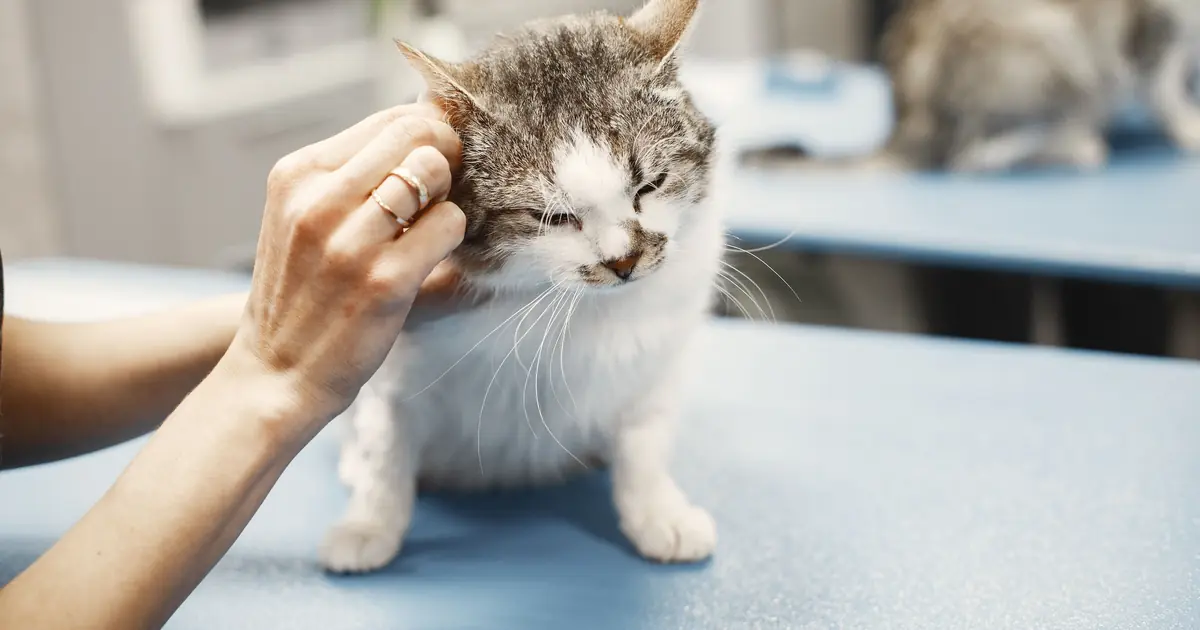
What does the color of cat vomit mean?
Vomit color offers clues about where the problem is coming from, though it’s never a diagnosis on its own. A vet reads color alongside frequency and your cat’s overall condition. Still, knowing what each color can point to helps you decide how urgently to act, and snapping a quick phone photo gives your vet real information.
| Vomit color or type | What it may mean | Urgency |
|---|---|---|
| Clear liquid | Empty stomach, or regurgitation from the esophagus | Low if one-off; watch it |
| White foam | Stomach acid and saliva on an empty stomach | Low if one-off; vet if repeated |
| Yellow or greenish | Bile, often on an empty stomach; sometimes liver issues | Moderate if it keeps happening |
| Brown or food-colored | Undigested or partly digested food, ate too fast | Low if occasional; vet if frequent |
| Tubular with a hairball | A hairball, common in long-haired cats | Low if rare; vet if frequent or straining |
| Bright red or pink | Fresh blood from the mouth, throat, or stomach | High; see a vet now |
| Coffee-ground brown or black | Digested blood, possible stomach ulcer or bleeding | High; see a vet now |
Any blood, whether red or coffee-ground, is a same-day vet call. So is vomit that looks like it contains fabric, string, or other foreign material, since that can mean something is stuck.
Which cats need a vet sooner?
Some cats can’t safely wait out even a mild bout of vomiting. For these groups, one round of “let’s see how it goes” can become dangerous fast, so lower your threshold and call sooner.
Kittens
Kittens dehydrate quickly and have little reserve, so vomiting in a kitten is more urgent than in a healthy adult. Kittens are also more prone to parasites and to swallowing things they shouldn’t. If a kitten vomits more than once, stops eating, or seems weak, call your vet the same day.
Senior cats
Senior cats vomit more often because of age-related diseases like kidney disease, hyperthyroidism, and inflammatory bowel disease, so their vomiting deserves a closer look. Repeated vomiting in an older cat is a classic early sign worth investigating, not brushing off as “just getting old.” A diet built for aging tummies can help too; here’s our pick of the best cat food for older cats that vomit.
Diabetic, pregnant, or already-sick cats
Cats with diabetes, ongoing illness, or a pregnancy have less margin for error, so vomiting in these cats should prompt a same-day call. In a diabetic cat, vomiting plus not eating can throw blood sugar dangerously off balance. When your cat is already managing a health condition, don’t wait to see if the vomiting passes.
What should I do at home when my cat vomits?
For a single episode in an otherwise bright, healthy adult cat, gentle home care and close watching are reasonable for the first 24 hours. This is only for mild, one-off cases with no red flags. Never give human anti-nausea or anti-vomiting medicine, since several are toxic to cats. Here’s a simple plan:
- Remove food for a few hours, not longer. A short rest lets the stomach settle, but adult cats should not fast for long, and kittens shouldn’t fast at all.
- Keep water available. Offer small amounts of fresh water so your cat can rehydrate without overloading the stomach.
- Reintroduce a small, bland meal. After a few hours with no vomiting, offer a spoonful of plain cooked chicken or a vet-recommended bland food, then go slow.
- Watch closely and take notes. Track how many times, what it looked like, and whether your cat is eating, drinking, and acting normal. A phone photo of the vomit helps your vet.
- Call your vet if it doesn’t stop. If vomiting continues past 24 hours, repeats, or any red flag appears, stop the home care and get your cat seen.
One more thing: don’t confuse vomiting with regurgitation. Vomiting involves heaving and abdominal effort, and often brings up yellow bile or digested food. Regurgitation is effortless and usually happens right after eating, bringing up undigested food in a tube shape. Vets treat them differently, so it’s worth mentioning which one you saw.
Cat vomiting FAQ
Q: How many times can a cat vomit before it’s an emergency?
Vomiting more than once or twice in a single day, or being unable to keep water down, is an emergency and needs same-day vet care. A single vomit in a cat that’s otherwise eating, drinking, and playing can usually be watched for 24 hours.
Q: Is it normal for a cat to throw up once a week?
No, vomiting once a week is not normal and should be checked by a vet. Many feline vets consider more than once a week, or more than a couple of times a month, a reason to investigate, even if your cat seems fine in between episodes.
Q: My cat vomited but is acting totally normal. Should I worry?
A single vomit in a cat with normal energy and appetite is usually a mild, passing upset. Watch closely for 24 hours and keep water available. Call your vet if it happens again, becomes a pattern, or any red-flag sign appears.
Q: What color of cat vomit is dangerous?
Bright red, pink, or coffee-ground brown vomit signals blood and is a same-day vet call. Yellow or green bile that keeps recurring also warrants a checkup. Vomit containing string, fabric, or foreign material can mean an obstruction and needs prompt care.
Q: Why does my cat keep vomiting but seems otherwise healthy?
A cat that vomits regularly but seems fine may have a food sensitivity, mild inflammatory bowel disease, or an early stage of a condition like hyperthyroidism. Repeated vomiting is still worth a vet visit, since “seems healthy” can hide a manageable problem caught early.
Q: How long can a cat vomit before I take it to the vet?
If vomiting lasts more than 24 hours, repeats several times, or comes with lethargy, blood, diarrhea, or refusal to eat, see a vet right away. Don’t wait a full day if your cat has any red-flag sign or can’t keep water down.
Q: Can a hairball make my cat vomit a lot?
An occasional hairball, roughly once every week or two, is common, especially in long-haired cats. But frequent hairball-related vomiting, or repeated unproductive retching, is not normal and can signal a hairball problem or another issue that a vet should check.
Q: Should I be more worried if my kitten or senior cat vomits?
Yes. Kittens dehydrate fast and are prone to parasites and swallowed objects, while senior cats often vomit from kidney disease or hyperthyroidism. For both groups, vomiting is more urgent, so call your vet the same day rather than watching at home.
Bottom line: one hairball in a happy cat rarely means trouble, but frequent vomiting is your cat’s way of waving a flag. Watch the pattern, watch the color, and watch how your cat feels in between. When in doubt about your cat’s vomiting, your vet would always rather hear from you early than late.

Hello and welcome to The Ideal Cat!
We are some passionate cat owners from different professions. We love our cats and have a lot of experience in how to care for our pets. We are incredibly excited to share our knowledge, experience, and research with you. So you can take good care of your loving cat. We will answer most of the common questions about owning cats, taking care of them, etc. If you have any question contact with us. Thanks for visiting! Enjoy the content.
