
It usually starts with a small, nagging feeling. Your cat is off. Maybe hiding under the bed, maybe skipping breakfast, maybe making too many trips to the litter box. And your brain jumps straight to the big question: what is actually wrong with my cat?
Here’s the honest truth up front. No article, and no online tool, can diagnose your cat. Cats are famous for hiding illness until they feel truly awful, so any sudden change deserves attention. What this symptom checker can do is help you sort the “watch and see” from the “grab the carrier now.”
This guide is educational and is not a substitute for veterinary care. Only a licensed veterinarian who can examine your cat can diagnose what is wrong. When in doubt, call your vet.
- A cat symptom checker sorts signs by urgency (emergency, vet soon, or monitor). It does not diagnose your cat, and it never replaces a vet exam.
- A male cat straining in the litter box with little or no urine is a life-threatening emergency that can turn fatal within 24 to 48 hours.
- Open-mouth or labored breathing in a cat is always an emergency, since cats almost never pant like dogs.
- A cat that has not eaten for 24 hours needs a vet, because fasting can trigger dangerous fatty liver disease within a few days.
- Because cats hide illness so well, any sudden change in eating, energy, or litter box habits is worth a call to your vet.
Emergency: when to call a vet right now
Some cat symptoms are true emergencies that need a vet immediately, day or night. If you see any of the signs below, skip the wait-and-see approach and call your nearest emergency vet on the way. These are the ones where minutes and hours genuinely matter.
- Open-mouth or labored breathing, panting, or belly-heaving breaths. Cats breathe through their nose and almost never pant, so mouth breathing signals a serious airway, lung, or heart problem.
- Straining in the litter box with little or no urine, especially a male cat. This can mean a urinary blockage, one of the most time-sensitive feline emergencies.
- Collapse, sudden weakness, or dragging the back legs. Sudden hind-leg paralysis can point to a dangerous blood clot.
- Seizures, twitching, or unresponsiveness.
- Pale white, blue, or yellow gums. Healthy cat gums are bubblegum pink.
- Suspected poisoning: lilies, antifreeze, human medications, or any toxin. Call the ASPCA Animal Poison Control Center at (888) 426-4435.
- Repeated vomiting in a short window, or vomiting plus diarrhea that will not stop.
- Not eating anything for 24 to 48 hours.
- Severe bleeding, a hard or painfully bloated belly, or trauma like a fall or car accident.
- Not urinating at all, or crying out in pain when trying to go.
If you are reading this at 2am and your gut says something is very wrong, trust it. Call the emergency clinic and describe what you see. They would always rather talk you through it than have you wait too long.
What is a cat symptom checker, and can it tell me what is wrong?
A cat symptom checker is a triage tool that maps common signs to their possible causes and how urgently your cat needs a vet. It helps you gauge urgency, not reach a diagnosis. As VCA Animal Hospitals explains, only a veterinarian who can examine your cat is able to actually diagnose an illness.
Think of this like the triage nurse at a hospital. The nurse does not tell you exactly what is wrong. They decide how fast you need to be seen. That is the job of the table below: turn a scary, vague feeling into a clear next step.
Cats make this harder than dogs. They are wired to mask pain and weakness, a survival instinct from their wild ancestors. So the signs are often subtle: sleeping in a new spot, grooming less, eating a little slower, quietly withdrawing. Small changes can be your only early warning, which is exactly why you noticed.
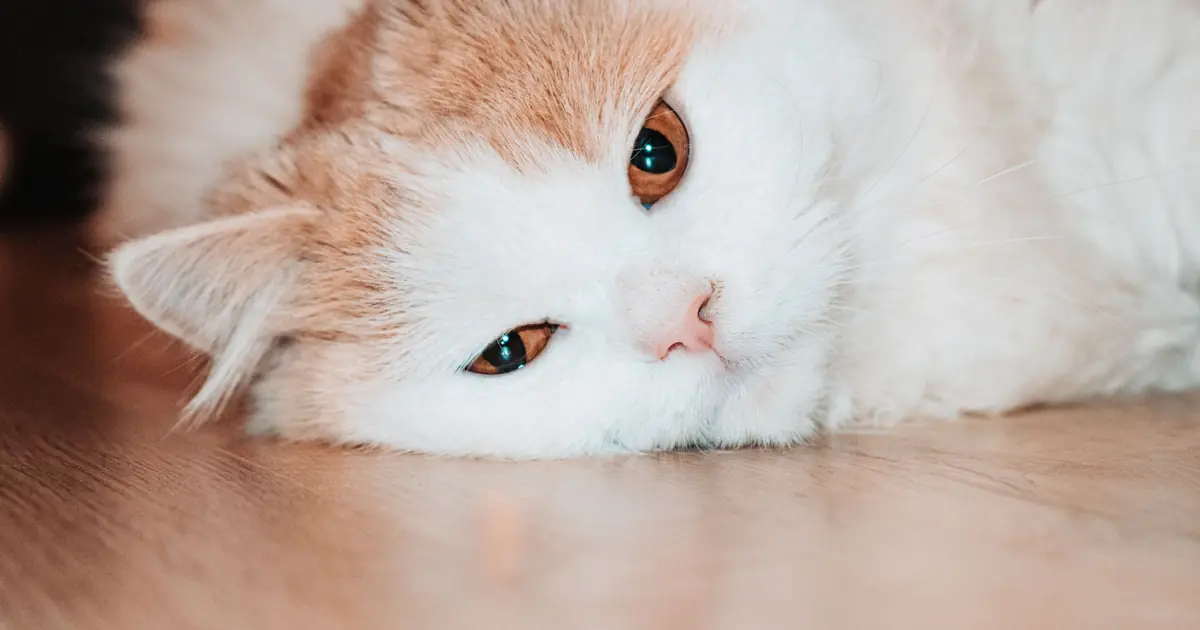
Cat symptom checker: signs, possible causes, and urgency
Use this table to match what you are seeing to likely causes and an urgency level. Remember, several conditions share the same sign, so this points you toward how fast to act, not a firm diagnosis. When two signs stack up together, always treat it as the more urgent one.
| Sign you notice | Possible causes | Urgency |
|---|---|---|
| Straining in the litter box, little or no urine (especially male cats) | Urinary blockage, FLUTD, bladder stones, severe UTI | See a vet NOW |
| Open-mouth breathing, panting, fast or labored breathing | Asthma, heart disease, fluid around the lungs, pain | See a vet NOW |
| Collapse, sudden hind-leg weakness, seizures | Blood clot, heart disease, toxin, neurological issue | See a vet NOW |
| Pale, white, blue, or yellow gums | Anemia, shock, oxygen or liver problems | See a vet NOW |
| Repeated vomiting, or vomiting blood | Blockage, poisoning, pancreatitis, kidney disease | See a vet NOW |
| Not eating for 24 to 48 hours | Illness, pain, dental disease, nausea, stress | See a vet NOW (24h+) |
| Ongoing diarrhea, or diarrhea with blood | Parasites, diet change, infection, IBD | Vet soon |
| Hiding, lethargy, or acting withdrawn | Almost any illness, pain, fever, stress | Vet soon |
| Sneezing, coughing, runny eyes or nose | Upper respiratory infection, allergies, asthma | Vet soon |
| Limping or reluctance to jump | Injury, sprain, arthritis, abscess | Vet soon (now if severe) |
| Drinking and peeing much more than usual | Kidney disease, diabetes, hyperthyroidism | Vet soon |
| Weight loss despite normal or big appetite | Hyperthyroidism, diabetes, intestinal disease | Vet soon |
| Bad breath, drooling, or trouble eating | Dental disease, mouth ulcers, kidney disease | Vet soon |
| Scratching, over-grooming, or hair loss | Fleas, allergies, ringworm, stress, ear mites | Monitor / vet soon |
| One soft stool or one hairball, cat otherwise happy | Diet, hairball, minor upset | Monitor 24 to 48h |
A quick word on the urgency levels. “See a vet now” means an emergency clinic if your regular vet is closed. “Vet soon” means book an appointment in the next day or two, sooner if it worsens. “Monitor” means watch closely at home for 24 to 48 hours, and call if anything changes or a second symptom appears.
Why a straining male cat is the one that cannot wait
A male cat straining to pee with little or no urine is a life-threatening emergency, full stop. Male cats have a narrow urethra that can become completely blocked by crystals, stones, or a plug, and once urine cannot escape, toxins build up fast. According to the University of Illinois College of Veterinary Medicine, a fully blocked cat can develop kidney failure, dangerous heart rhythms, and even a ruptured bladder within about 24 to 48 hours.
The tricky part: a blocked cat can look like a constipated cat. Both crouch and strain in the box. If your cat is straining and producing little or no urine, crying, licking the genital area, or has a firm belly, treat it as an emergency and go now. This is not one to sleep on.
Why “just not eating” is more serious in cats
A cat that refuses food for 24 hours needs a vet, and this is more urgent than most people realize. Unlike dogs, cats can develop a dangerous condition called hepatic lipidosis, or fatty liver disease, when they stop eating. It can begin after only a couple of days without food, and faster in overweight cats. On top of that, refusing food is often the first flag that something else is wrong, since a cat in pain or feeling nauseous simply stops eating.
How to observe your cat before you call the vet
Before you call, spend a few calm minutes actually watching your cat, because specific details help your vet triage over the phone. You do not need medical training. You just need to notice a handful of things clearly.
- Check the breathing. Watch the chest rise and fall while your cat is resting. A calm cat usually takes fewer than about 30 to 40 breaths a minute. Fast, open-mouth, or heaving breaths are an emergency.
- Look at the gums. Gently lift a lip. Healthy gums are pink and moist. Pale, white, blue, or yellow gums mean go now.
- Check the litter box. Is there urine? Formed stool, diarrhea, or blood? For a straining cat, whether urine is coming out is the single most important detail.
- Note eating and drinking. When did your cat last eat a real meal? Drinking much more or much less than usual both matter.
- Watch energy and posture. A cat hunched in a “meatloaf” position, hiding, or unwilling to move is telling you something hurts.
- Scan for other clues. Vomiting, limping, sneezing, drooling, swelling, or a change in how they hold their head or body.
If your cat seems more tired than usual but is otherwise eating and acting normal, our guide on why your cat sleeps so much can help you sort normal cat naps from a red flag. And if the change looks more emotional than physical, like a cat that has gone flat and withdrawn, these signs of a depressed cat are worth a read too.
What information should I have ready for the vet?
Give your vet a clear, specific rundown so they can triage quickly. Vague descriptions slow things down, while concrete details help them decide how fast you need to come in. Jot these down before you call.
- The main symptom and when it started. “Vomited three times since this morning” beats “seems sick.”
- How your cat is eating, drinking, peeing, and pooping. Especially any change in the last day or two.
- Your cat’s age, and whether male or female. A straining male cat changes the urgency instantly.
- Anything new: a food change, a new plant, a spill they may have licked, escaped outside, or a recent move.
- A phone photo or short video. Of the vomit, the stool, the breathing pattern, or the limp. This genuinely helps.
- Current medications, supplements, or existing conditions.
When is it an ER visit versus a regular vet appointment?
Head to the ER for anything on the emergency list, and book a normal appointment for slower-moving or milder signs. The dividing line is usually breathing, urinating, alertness, and pain. When those are affected, do not wait for morning.
Go to the emergency vet now for: trouble breathing, a straining cat that cannot pee, collapse or seizures, pale or blue gums, suspected poisoning, repeated vomiting, a bloated painful belly, severe bleeding, or a cat that has not eaten in 24 to 48 hours. VCA Animal Hospitals lists these among the signs that call for immediate care.
Book a regular (but prompt) appointment for: mild diarrhea in a bright cat, a couple of days of sneezing, gradual weight loss, increased thirst, on-and-off limping, or itching and over-grooming. These still need a vet, just not at 3am. If your cat is throwing up but otherwise acting fine, our guide on when to worry about cat vomiting helps you draw that line, and why cats vomit covers the common causes.
Increased thirst is a sneaky one. It is easy to miss and often points to something treatable but real, like kidney disease, diabetes, or thyroid trouble. If your cat’s water intake has crept up, here is what a cat drinking a lot of water can mean. Head shaking, scratching at the ears, or a smelly ear can signal a cat ear infection, which is uncomfortable but usually a routine vet visit.
One more reassurance from a trusted source: the Cornell Feline Health Center stresses that any cat showing labored or open-mouth breathing needs urgent care, because breathing trouble in cats can worsen quickly. With a cat’s breathing, always err on the side of the ER.
Cat symptom checker FAQ
Q: Can an online cat symptom checker diagnose my cat?
No. A cat symptom checker helps you decide how urgently to see a vet, but it cannot diagnose your cat. Only a veterinarian who can physically examine your cat, and often run tests, can identify what is actually wrong. Use a checker to gauge urgency, then confirm with your vet.
Q: What are the top signs my cat needs an emergency vet?
Open-mouth or labored breathing, straining to pee with no urine (especially male cats), collapse, seizures, pale or blue gums, suspected poisoning, repeated vomiting, and not eating for 24 to 48 hours are all emergencies. Any of these means call an emergency vet right away.
Q: My cat is hiding and acting lethargic. Should I worry?
Possibly. Cats hide illness instinctively, so hiding and lethargy can be an early sign of pain, fever, or many illnesses. If it lasts more than a day, or comes with not eating, vomiting, or breathing changes, call your vet. Sudden severe lethargy or collapse is an emergency.
Q: How long can a cat safely go without eating?
Not long. A cat that refuses food for 24 hours should see a vet. Cats can develop hepatic lipidosis, a serious fatty liver disease, after only a few days without eating, and faster in overweight cats. Do not wait days to see if their appetite returns.
Q: Why is a male cat straining to pee an emergency?
Male cats have a narrow urethra that can fully block with crystals or a plug. Once urine cannot pass, kidney failure, heart rhythm problems, and bladder rupture can develop within about 24 to 48 hours. A straining male cat producing little or no urine needs emergency care immediately.
Q: How can I tell if my cat is in pain?
Cats hide pain, so watch for subtle signs: hiding, a hunched posture, reluctance to jump or move, reduced grooming, not eating, hissing when touched, or flattened ears. A sudden change from your cat’s normal behavior is often the clearest clue that something hurts.
Q: What do my cat’s gum colors mean?
Healthy cat gums are pink and moist. Pale or white gums can mean anemia or shock, blue or grayish gums signal an oxygen problem, and yellow gums suggest liver trouble. Any of these colors is an emergency, so head to the vet right away.
Q: Should I go to the vet or wait and monitor at home?
Go now for breathing trouble, a cat that cannot pee, collapse, seizures, abnormal gum color, poisoning, or repeated vomiting. Monitor at home for a single soft stool, one hairball, or mild sneezing in a cat that is still eating and playing. When two symptoms stack up, treat it as urgent.
The bottom line: a cat symptom checker is your triage friend, not your vet. It helps you turn worry into a clear next move, whether that is calming down and watching for a day, or grabbing the carrier right now. Trust the changes you notice, keep this list handy, and remember your vet would rather hear from you early than late. You know your cat better than anyone, and noticing something was off is the first and most important step.

Hello and welcome to The Ideal Cat!
We are some passionate cat owners from different professions. We love our cats and have a lot of experience in how to care for our pets. We are incredibly excited to share our knowledge, experience, and research with you. So you can take good care of your loving cat. We will answer most of the common questions about owning cats, taking care of them, etc. If you have any question contact with us. Thanks for visiting! Enjoy the content.
