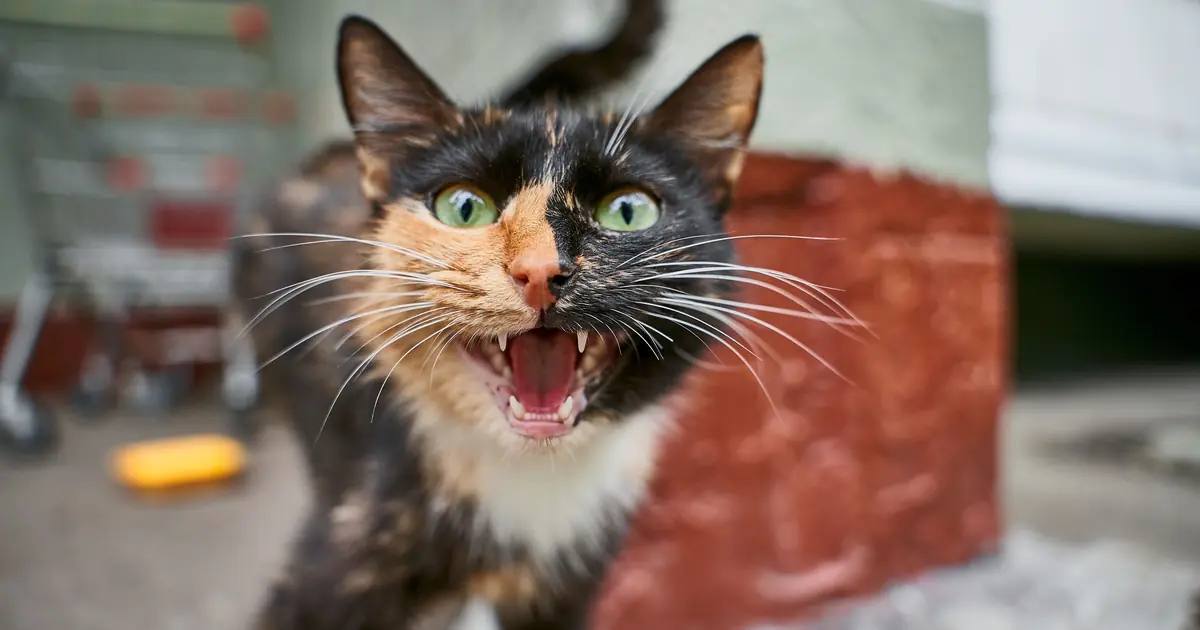
It’s 3 a.m. The house is dark and silent, and then, from somewhere down the hall, comes a sound that raises the hair on your neck. A long, warbling yowl. A rapid-fire chatter. A thump, then galloping paws. Your cat has entered its night shift.
Most of these odd noises are completely normal cat behavior, and a cat camera is the easiest way to see what she is actually up to at 3 a.m. Here’s what each one means and when a nighttime sound is worth a vet visit.
- Cats are crepuscular, wired to be most active at dawn and dusk, so night activity is natural.
- Common night sounds include yowling, chirping/chattering at prey, trilling, and caterwauling.
- Boredom, hunger, attention-seeking, and unspent energy drive most nighttime noise.
- Unspayed or unneutered cats yowl loudly at night when in heat or calling for mates.
- New, intense nighttime yowling in a senior cat can signal thyroid disease, high blood pressure, or cognitive decline, and needs a vet.
Why do cats get noisy at night in the first place?
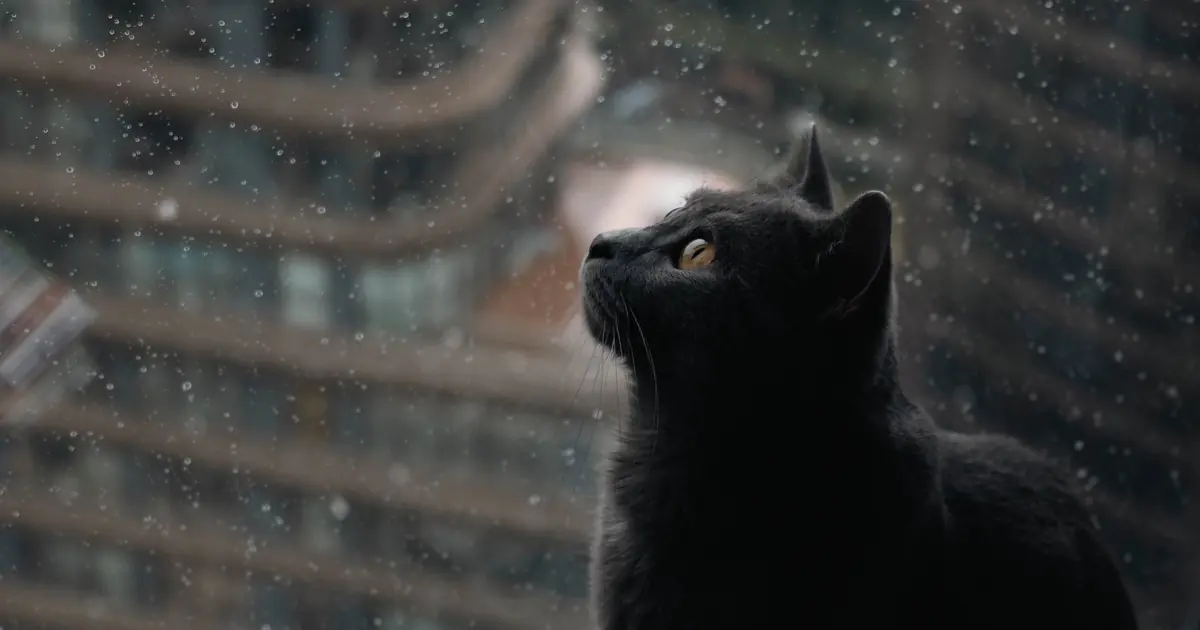
Cats are noisy at night because they’re crepuscular, biologically primed to hunt and roam at dawn and dusk. That instinct doesn’t switch off just because you’ve gone to bed. When the house goes quiet and dark, your cat’s energy and prey drive can spike, which is when the odd vocalizations and zoomies begin. International Cat Care notes this crepuscular rhythm is normal wild-cat behavior.
What do the different night sounds actually mean?
Each weird noise has its own message. Learning to tell them apart makes 3 a.m. a lot less mysterious.
| Sound | What it usually means |
|---|---|
| Long, warbling yowl | Attention-seeking, loneliness, in heat, or (in seniors) distress |
| Chattering / chirping | Excitement at prey seen through a window |
| Trilling / chirrup | Friendly greeting or “come here” |
| Caterwauling | Mating call in unfixed cats, or serious distress |
| Thumps and galloping | Zoomies, burning off pent-up energy |
Why does my cat cry or yowl specifically at night?
Nighttime crying usually comes down to unmet needs or instinct. Common triggers include boredom and too little daytime activity, hunger before breakfast, wanting your attention, or seeing another animal outside. Cats also quickly learn that if a 3 a.m. yowl gets you up to feed or pet them, it works, so the habit sticks. If your cat is a persistent night-crier, our guide to why cats meow at night breaks down the fixes.
Is my cat chattering at something?
That rapid, clicky chatter is your cat reacting to prey, usually a bird or squirrel outside the window. It’s an instinctive, excited response that may mimic a killing bite or simply express frustration at not being able to reach the target. It’s harmless and, honestly, one of the more entertaining night sounds. It ties into the same instincts behind how cats communicate with us and the world.
How do I get my cat to be quieter at night?
The goal is to shift your cat’s energy and hunger to before bedtime. A few reliable tactics:
- Play hard in the evening: a vigorous wand-toy session mimics a hunt and tires your cat out.
- Feed the last meal late: a full belly at bedtime encourages sleep, cats often nap after eating.
- Don’t reward the noise: getting up to feed or pet a yowling cat teaches it to yowl more.
- Enrich the day: puzzle feeders, window perches, and daytime play reduce nighttime restlessness.
- Keep a routine: consistent feeding and play times settle a cat’s internal clock.
If the noise is mostly non-stop meowing rather than varied night sounds, our guide on why a cat meows so much covers extra fixes.
When do weird night noises mean something is wrong?
See a vet if nighttime vocalizing is new, sudden, or intense, especially in an older cat. Loud nighttime yowling in seniors can signal hyperthyroidism, high blood pressure, pain, vision loss, or feline cognitive dysfunction (a dementia-like condition). Unspayed and unneutered cats also caterwaul when in heat, which spaying or neutering resolves. This article is educational and not a substitute for veterinary advice; a real change in your cat’s night sounds is worth a checkup. Cornell’s Feline Health Center is a trustworthy reference for age-related conditions.
Frequently Asked Questions
Q: Why does my cat make strange noises at 3 a.m.?
Cats are naturally most active at dawn and dusk, so their instincts peak overnight. Boredom, hunger, energy to burn, or prey outside the window all trigger yowls, chatters, and zoomies in the small hours.
Q: What does it mean when my cat yowls at night?
Yowling can mean attention-seeking, loneliness, hunger, or being in heat. In senior cats, new nighttime yowling can indicate hyperthyroidism, high blood pressure, or cognitive decline and should be checked by a vet.
Q: Why does my cat make a chattering sound at the window?
Chattering is an excited, instinctive reaction to prey your cat sees but can’t reach, usually birds or squirrels. It’s normal and harmless, and often paired with an intense stare and twitching tail.
Q: How do I stop my cat from waking me at night?
Play with your cat vigorously in the evening, feed a meal right before bed, keep daytime enrichment high, and avoid rewarding nighttime noise with food or attention. A consistent routine helps most.
Q: Is nighttime yowling ever an emergency?
Sudden, distressed, or intense yowling, especially with other symptoms like weight loss, disorientation, or litter box changes, warrants a prompt vet visit. It can point to a treatable medical condition.
Q: Do cats grow out of nighttime noise?
Kittens and young cats are often the noisiest and may calm down with age and routine. But some cats stay night-active, and seniors can become noisier, so ongoing changes are worth monitoring.

Hello and welcome to The Ideal Cat!
We are some passionate cat owners from different professions. We love our cats and have a lot of experience in how to care for our pets. We are incredibly excited to share our knowledge, experience, and research with you. So you can take good care of your loving cat. We will answer most of the common questions about owning cats, taking care of them, etc. If you have any question contact with us. Thanks for visiting! Enjoy the content.
