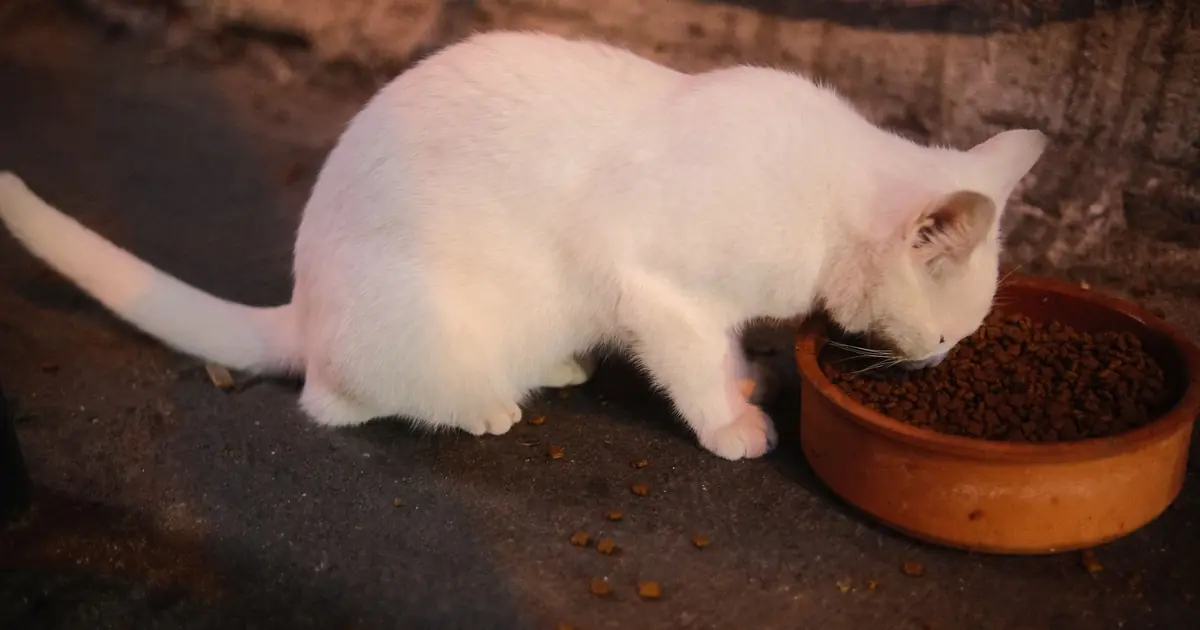
You brought home a tiny, fuzzy tornado. Now you’re standing in the pet-food aisle staring at forty bags, all shouting “kitten” and “natural,” and you just want to feed your baby the right thing.
I get it. Those first twelve months matter more than any other stretch of your cat’s life. Kittens can triple or quadruple their birth weight in just a few months, and the fuel for all that growth comes straight from the bowl. So let’s cut through the marketing and talk about what actually makes kitten food healthy, and how to pick a good one without a nutrition degree.
This article is educational and isn’t a substitute for veterinary care. Your vet knows your kitten best, so loop them in on any diet decisions.
- Healthy kitten food carries an AAFCO statement saying it’s complete and balanced for “growth” or “all life stages.”
- Kittens need at least 30% protein on a dry-matter basis, compared to about 26% for adult cats.
- DHA, an omega-3 fatty acid, supports a kitten’s brain, eye, and nervous-system development.
- A named animal protein like chicken, turkey, or salmon should be the first ingredient on the label.
- Most kittens stay on kitten food until about 12 months, then transition to adult food over 7 to 10 days.
What makes kitten food actually healthy?
Healthy kitten food is built for rapid growth, so it packs more of everything a growing body needs into every bite. Compared to adult cat food, a good kitten diet delivers more protein, more calories, more calcium and phosphorus for bones, and added DHA for the brain and eyes. It’s not just “smaller cat food.” It’s a different formula for a different life stage.
Kittens grow fast and burn energy like it’s going out of style. A three-pound kitten can need more calories per pound than a full-grown cat twice its size. That’s why the right food is nutrient-dense: it fits enough fuel into a stomach the size of a walnut.
The nutrients that matter most
Four nutrients do the heavy lifting in a healthy kitten diet: protein, DHA, calcium and phosphorus, and taurine. Here’s what each one does and why skimping on it holds a kitten back.
| Nutrient | Why kittens need it | What to look for |
|---|---|---|
| Animal protein | Builds muscle, organs, and tissue during rapid growth | At least 30% dry matter; a named meat first on the label |
| DHA (omega-3) | Supports brain, eye, and nervous-system development | Fish oil or fish listed as a source; “with DHA” claims |
| Calcium & phosphorus | Grows strong bones and teeth in the right ratio | Formulated for growth, balanced calcium-to-phosphorus |
| Taurine | Essential amino acid for heart and eye health | Listed in the ingredients; standard in quality kitten food |
| Calories & fat | Fuels a fast metabolism and constant play | Higher calorie density than adult formulas |
Cats are obligate carnivores, meaning they must get key nutrients from animal tissue, not plants. Taurine is the classic example: cats can’t make enough on their own, and a deficiency can lead to heart disease and blindness. Good kitten food has it covered, which is one more reason to skip homemade or dog-food shortcuts. If you want a deeper primer on reading labels, our guide on how to choose cat food walks through it step by step.
Why do kittens need kitten-specific food?
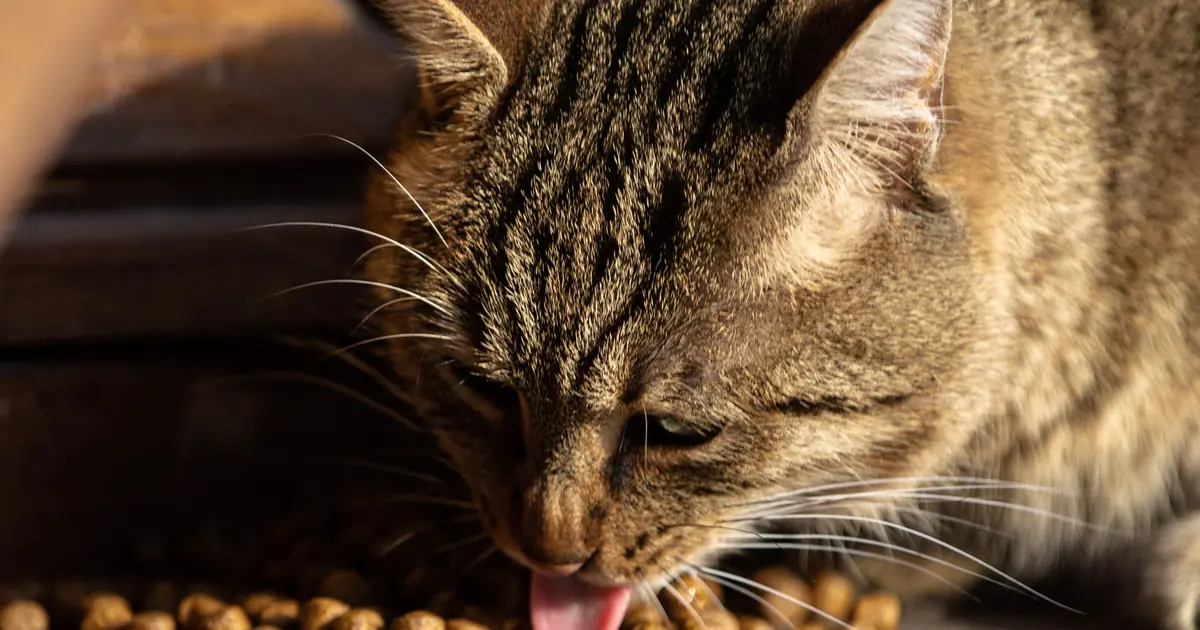
Kittens need food made for growth because their protein, calorie, and mineral needs are far higher than an adult cat’s, and adult food simply doesn’t deliver enough. During the first six months especially, a kitten is building its entire body, so the diet has to support that or growth suffers.
The numbers tell the story. AAFCO sets the minimum protein for a growing kitten at 30% on a dry-matter basis, versus about 26% for adult maintenance. Kitten food also runs higher in calcium, phosphorus, and calories. Feed an adult formula long-term and a kitten can end up with nutritional gaps, poor growth, and a weaker immune system. Short-term, it can trigger stomach upset, vomiting, or diarrhea. According to the VCA Animal Hospitals, kitten diets are specifically formulated for the extra energy and nutrient demands of this stage.
How do I read a kitten food label?
The single most important thing on a kitten food label is the AAFCO nutritional adequacy statement, usually printed in small type on the back or side. It tells you whether the food is complete and balanced, and for which life stage. Everything else on the front of the bag is marketing until you’ve checked that line.
Find the AAFCO growth statement
Look for wording like “formulated to meet the nutritional levels established by the AAFCO Cat Food Nutrient Profiles for growth” or “for all life stages.” Either one means the food is safe and complete for a kitten. A food labeled only for “adult maintenance” is not. The Association of American Feed Control Officials (AAFCO) sets these profiles, and reputable brands state clearly whether the food was formulated to meet them or proven through feeding trials. Feeding-trial foods carry a little extra reassurance, since real kittens ate them under controlled conditions.
Check the first ingredient
The first ingredient should be a specific, named animal protein like chicken, turkey, salmon, or their meal. Ingredients are listed by weight, so a real meat up top is a good sign. Vague terms like “meat by-products” or “animal digest,” or a long stack of grains and fillers before any protein, are worth a second look. You want protein doing the work, not corn or wheat padding the bag.
Wet or dry food for kittens: which is better?
Both wet and dry kitten food can be healthy, and many vets suggest offering both. Wet food adds moisture and is easy on tiny teeth, while dry food is convenient, keeps longer, and can be left out for grazing. The best choice is whatever your kitten eats well and tolerates, as long as it’s labeled complete and balanced for growth.
Here’s how I’d think about it. Wet food is great for hydration, since cats aren’t big drinkers and get a lot of their water from meals. Dry food (kibble) is handy for busy schedules and free-feeding. A common, sensible setup: leave a measured amount of dry kitten food out, and offer two to three wet meals a day. For portion help, see our guide on how much wet food to feed a kitten, and for the youngest eaters, our notes on feeding a 2-month-old kitten.
What should I avoid feeding my kitten?
Avoid adult cat food, dog food, unbalanced homemade diets, and raw diets for kittens, since each can leave dangerous nutritional gaps or expose a fragile immune system to risk. A kitten’s margin for error is small, so this is one place to play it safe.
- Adult cat food: too low in protein, calories, and growth minerals. Fine as a rare nibble, not as a daily diet.
- Dog food: lacks taurine and other cat-essential nutrients. Never a substitute for cat food.
- Cheap fillers: foods heavy on corn, wheat, and by-products with little real meat don’t fuel growth well.
- Cow’s milk: most kittens are lactose intolerant, so milk causes diarrhea. Water is what they need.
- Raw diets: the American Veterinary Medical Association discourages raw meat diets because of bacterial risks like Salmonella, which hit kittens harder. Talk to your vet before trying one.
How often should I feed my kitten?
Feed young kittens often, then space meals out as they grow. Tiny kittens need frequent small meals because their stomachs are small and their energy needs are high. As they mature, you can drop the number of meals while keeping the total daily amount appropriate for their age and weight.
| Age | Meals per day |
|---|---|
| 4 to 12 weeks | 4 meals |
| 3 to 6 months | 3 to 4 meals |
| 6 to 12 months | 2 to 3 meals |
| 12 months and up | 2 meals |
How much per meal depends on the food’s calorie content and your kitten’s weight, so follow the bag’s chart as a starting point and adjust with your vet. You can also estimate daily energy needs with our cat calorie calculator. A growing kitten should feel lean but not bony, with a slight tuck at the waist.
When do kittens switch to adult food?
Most kittens transition to adult cat food at around 12 months of age, when growth slows down. Large breeds are the exception: cats like Maine Coons keep growing until 18 months to 2 years, so they stay on kitten food longer. Make the switch gradually to avoid an upset stomach.
Do it over 7 to 10 days. Start with about 25% adult food mixed into 75% kitten food, then shift the ratio every couple of days until you’re fully switched. If you see soft stools, slow the pace down. Not sure which adult food to graduate to? Our roundups of the best wet cat food and the best cat food overall are a solid next stop.
When in doubt, ask your vet. A quick weight and body-condition check turns “I think this looks right” into a real answer.
Healthy kitten food FAQ
Q: What is the healthiest food to feed a kitten?
The healthiest kitten food is a complete, balanced diet with an AAFCO “growth” or “all life stages” statement, a named animal protein as the first ingredient, and added DHA. Both wet and dry versions can be excellent, so pick a quality brand your kitten eats well and tolerates.
Q: How much protein should kitten food have?
Kitten food should contain at least 30% protein on a dry-matter basis, which is the AAFCO minimum for growth. That’s higher than the roughly 26% minimum for adult cats, because kittens need extra protein to build muscle, organs, and tissue.
Q: Can kittens eat adult cat food?
Kittens shouldn’t eat adult cat food as their regular diet. It’s too low in protein, calories, and growth minerals, and long-term feeding can cause nutritional gaps and poor growth. A stolen bite now and then is harmless, but stick to kitten food until about 12 months.
Q: Is wet or dry food better for kittens?
Both can be healthy. Wet food adds hydration and is gentle on small teeth, while dry food is convenient and can be left out. Many vets suggest offering both, as long as each is labeled complete and balanced for growth or all life stages.
Q: What ingredients should I avoid in kitten food?
Skip foods where the first ingredients are corn, wheat, or vague “meat by-products” instead of a named meat. Avoid dog food, unbalanced homemade meals, and cow’s milk. If you’re considering a raw diet, talk to your vet first because of bacterial risks to kittens.
Q: When should kittens switch to adult cat food?
Most kittens switch to adult food at about 12 months, when growth slows. Large breeds like Maine Coons may stay on kitten food until 18 months to 2 years. Transition gradually over 7 to 10 days to prevent digestive upset.
Q: Does kitten food need DHA?
Yes, DHA is important. DHA is an omega-3 fatty acid that supports a kitten’s brain, eye, and nervous-system development. Look for a kitten food that lists a DHA source such as fish oil, or that states it contains DHA on the label.
Q: How do I know if kitten food is complete and balanced?
Look for the AAFCO nutritional adequacy statement on the packaging. It should say the food is complete and balanced for “growth” or “all life stages,” either by meeting AAFCO nutrient profiles or by passing feeding trials. Foods labeled only for “adult maintenance” aren’t right for kittens.
Bottom line: healthy kitten food isn’t about the fanciest bag or the loudest claims. It’s about a complete, growth-formulated diet with real meat up front, enough protein and calories, and that little AAFCO line that proves it’s balanced. Feed that for the first year, keep water flowing, and check in with your vet. Your kitten does the rest, one nap and one zoomie at a time.

Hello and welcome to The Ideal Cat!
We are some passionate cat owners from different professions. We love our cats and have a lot of experience in how to care for our pets. We are incredibly excited to share our knowledge, experience, and research with you. So you can take good care of your loving cat. We will answer most of the common questions about owning cats, taking care of them, etc. If you have any question contact with us. Thanks for visiting! Enjoy the content.
