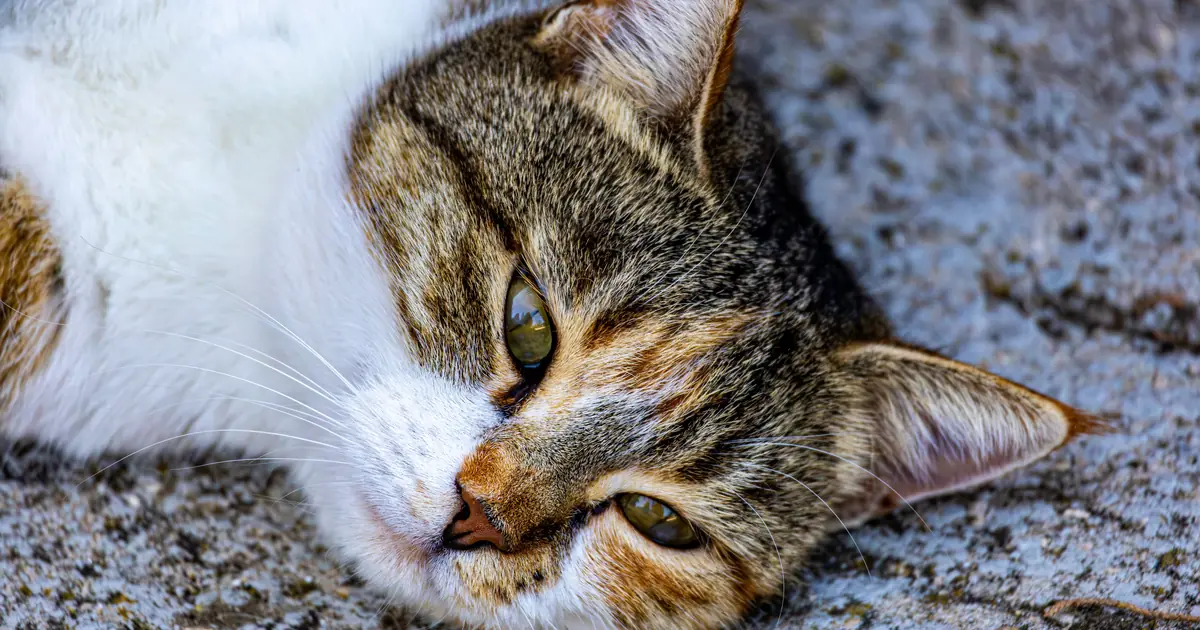
One sneeze is cute. A little “achoo” mid-nap, a shake of the head, back to sleep. But when your cat sneezes again. And again. And keeps going all afternoon, that cute quickly turns into worry.
If your cat won’t stop sneezing, you’re right to pay attention. Most of the time it’s a passing bug or a bit of dust up the nose. Sometimes it’s a sign of something that needs a vet. Here’s how to tell what’s going on, what usually causes it, and exactly when to stop watching and start calling.
This article is educational and isn’t a substitute for veterinary care. When something feels off, call your vet.
- Most non-stop sneezing in cats comes from a viral upper respiratory infection, often feline herpesvirus or calicivirus.
- An estimated 80% to 90% of cats carry feline herpesvirus, which can lie dormant and flare up again during stress.
- Everyday irritants like dusty litter, cleaning sprays, perfume, and pollen can also set off repeated sneezing.
- Clear, watery discharge is usually viral, while thick yellow or green discharge points to a secondary bacterial infection.
- See a vet promptly for bloody discharge, refusing food, labored breathing, or a lethargic cat, since these are red flags.
Why won’t my cat stop sneezing?
A cat won’t stop sneezing usually because something is irritating or infecting the nasal passages. The single most common reason is a viral upper respiratory infection, often called cat flu. Irritants, allergies, dental problems, and less common issues like polyps or a foreign object can all keep the sneezing going too.
Sneezing itself is just the nose forcing out an irritant. One or two sneezes here and there are completely normal. It’s the fits, the ones where your cat sneezes many times in a row, day after day, that tell you something is bothering the nose or sinuses.
Here’s a quick map of the usual suspects and the clue that points to each one.
| Cause | What’s happening | Common clue |
|---|---|---|
| Upper respiratory infection (cat flu) | Feline herpesvirus or calicivirus infecting the nose and throat | Sneezing fits with runny eyes, watery nose, often in kittens or shelter cats |
| Irritants | Dust, litter, cigarette smoke, perfume, or cleaning sprays up the nose | Sneezing after litter changes, cleaning, or a new scent |
| Allergies | Reaction to pollen, mold, or dust (less common than in dogs) | Comes and goes, sometimes seasonal, cat otherwise well |
| Dental disease | An infected upper tooth root pressing into the nasal cavity | Sneezing during or after eating, bad breath, one-sided |
| Foreign object | A blade of grass or seed inhaled into the nose | Sudden, violent sneezing that starts out of nowhere |
| Nasal polyp or tumor | A growth inside the nasal passage or sinus | Ongoing one-sided sneezing, often with discharge or noisy breathing |
| Fungal infection | Cryptococcus or similar fungus in the nasal tissue | Long-lasting sneezing that won’t clear, sometimes a nose bump |
Most cases land in the first two rows. Let’s break down the big ones so you know what you’re likely looking at.
Upper respiratory infections: the number one cause
Viral upper respiratory infections are behind most cases of a cat that won’t stop sneezing. Two viruses cause the vast majority: feline herpesvirus and feline calicivirus. Think of it as the cat version of a bad cold, with sneezing fits, a runny nose, watery or goopy eyes, and sometimes a mild fever.
Here’s the wild part. An estimated 80% to 90% of cats carry feline herpesvirus, and once a cat has it, the virus stays for life. It hides quietly in the nervous system and can flare up again during stressful times, like a move, a new pet, or a stay at the boarding place. So your cat’s sneezing week might trace back to last month’s chaos. According to Cornell University’s Baker Institute, calicivirus is one of the major causes of feline upper respiratory infection and often brings mouth ulcers along with the sneezing.
These infections spread easily between cats through sneezes, shared bowls, and close contact, which is why kittens, shelter cats, and multi-cat homes get hit most. The good news: many mild cases clear up on their own in a week or two, much like our colds do.
Irritants and allergies
Irritants are the most common non-infectious reason a cat keeps sneezing. A cat’s nose is sensitive, so dusty litter, cigarette smoke, scented candles, air fresheners, perfume, hairspray, and strong cleaning products can all set off a sneezing round. If the fits line up with a specific trigger, like scooping a dusty box or spraying the counter, an irritant is a strong bet.
Allergies happen in cats but are less common than most people think, and they’re more likely to cause itchy skin than sneezing. Still, pollen, mold, and household dust can trigger sneezing in some cats. If your cat sneezes seasonally but stays bright, hungry, and playful, a mild allergy or irritant is often the story. Switching to a low-dust, unscented litter is one of the easiest fixes to try.
Dental disease, foreign objects, and less common causes
Sometimes the cause sits outside the nose entirely. The root of an upper back tooth sits right below the nasal cavity, so a bad tooth infection or abscess can push into the nose and trigger sneezing, especially during or after meals. This kind of sneezing is often one-sided and comes with bad breath.
A few other causes are worth knowing:
- Foreign object: A blade of grass or a seed can get inhaled and lodge in the nose, causing sudden, frantic sneezing. Plant material is the most common nasal foreign body in cats.
- Nasal polyps: These benign growths show up mostly in young cats and can cause ongoing one-sided sneezing and noisy breathing.
- Tumors: In older cats, a nasal tumor can cause persistent sneezing, discharge, and sometimes a facial bump. It’s uncommon but important to rule out.
- Fungal infection: A fungus like Cryptococcus can infect the nasal tissue and cause long-lasting sneezing that just won’t quit.
These are the less common causes, but they’re the reason sneezing that drags on for weeks always deserves a vet’s eyes.
Single sneezing vs. constant sneezing: what’s the difference?
An occasional sneeze is normal, but constant or repeated sneezing over days points to a real problem. The pattern matters more than any single sneeze.
A cat that sneezes a few times and moves on, with clear eyes and a normal appetite, is almost always fine. Noses tickle. It happens. What raises concern is the frequency and how long it lasts:
- Occasional sneezing: A few sneezes a day in a happy, active cat. Usually harmless, often just dust or a tickle.
- Sneezing fits: Many sneezes in a row, repeated through the day. Points to irritation or infection.
- Constant sneezing: Fits that keep going for more than a few days, or that come with discharge and other symptoms. This one needs a vet.
Watch the calendar too. Sneezing that clears within a week is usually a passing bug. Sneezing that stretches past two weeks, or keeps coming back, is considered chronic and should be checked out.
What does it mean if my cat sneezes with discharge, blood, or eye problems?
The stuff that comes out of the nose tells you a lot. Clear and watery usually means a mild viral bug, while thick, colored, or bloody discharge signals something that needs a vet.
Here’s how to read it:
- Clear, watery discharge: Most often a mild viral infection or an irritant. Usually the least worrying kind.
- Thick yellow or green discharge: Suggests a secondary bacterial infection has moved in on top of the virus. This one often needs vet-prescribed treatment.
- Bloody discharge or sneezing blood: Always a reason to call the vet. It can point to a foreign object, a tumor, a fungal infection, or severe inflammation.
- Watery or goopy eyes, squinting, redness: Very common with cat flu, especially herpesvirus. Eye and nose symptoms often travel together.
If your cat has runny eyes along with the sneezing, resist the urge to treat the eyes at home with human drops. Some cause harm. Let the vet look, since herpesvirus eye flare-ups need the right medication. And if your cat is drooling or has mouth sores too, that’s a classic calicivirus combo worth mentioning to your vet.
When should I worry about my cat’s sneezing? Red flags
Worry when sneezing lasts more than a few days, or when it shows up with any red-flag sign below. A day or two of sneezing in a bright, eating, playful cat can usually be watched at home. Anything more, and it’s time to call.
Call your vet, or head to an emergency clinic, if you see:
- Sneezing that won’t stop after 3 to 4 days, or keeps coming back
- Thick yellow, green, or bloody nasal discharge
- Your cat has stopped eating or drinking
- Labored breathing, open-mouth breathing, or wheezing
- A lethargic cat, or one hiding away and acting unwell
- Coughing along with the sneezing, which can mean the infection is heading into the lungs
- A swollen face, eye that’s clamped shut, or pawing at the nose or mouth
- Sneezing in a kitten, senior, or cat with other health problems
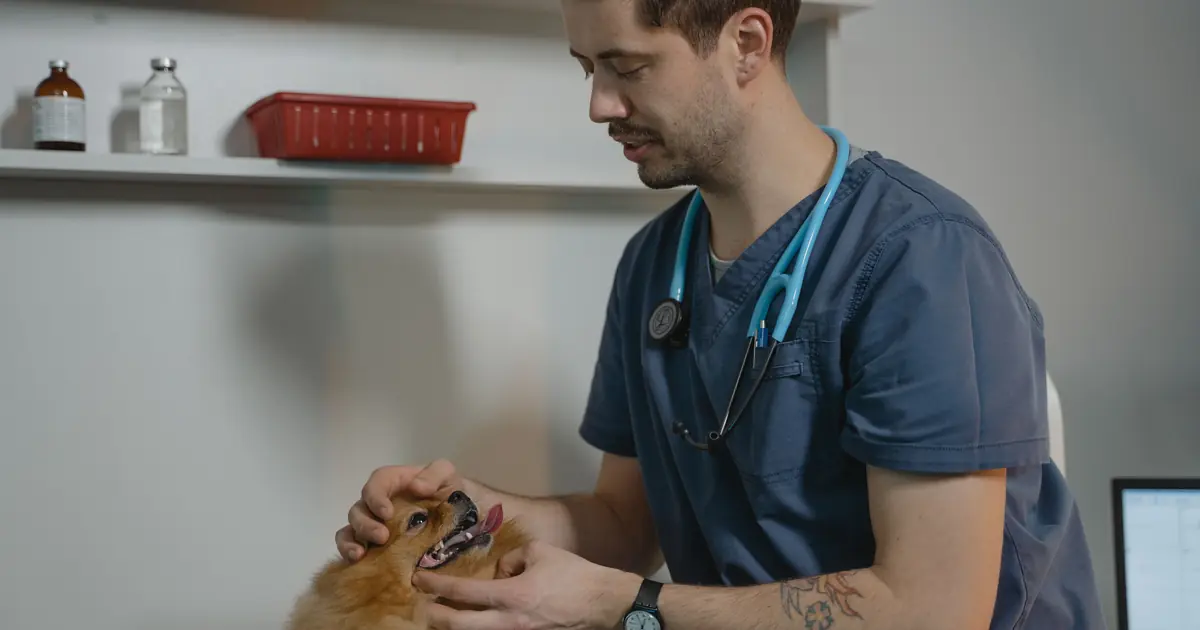
Kittens deserve extra caution. Their little bodies dehydrate fast and their immune systems are still learning, so a sneezing, snotty kitten should see a vet sooner rather than later. The same goes for senior cats and any cat already dealing with illness. When a sick cat also stops eating, dehydration and a blocked, stuffy nose can feed each other, and a stuffed-up cat that can’t smell its food often quits eating. If your cat is turning up its nose at meals, our guide on choosing a food cats actually want to eat can help you tempt a picky appetite once they’re on the mend.
How do I treat cat sneezing at home?
For mild sneezing in an otherwise healthy, happy cat, gentle home care can help while you watch for improvement. There’s no home cure for the underlying virus, so the goal is comfort and support. Never give human cold or allergy medicines, since many are toxic to cats.
- Run a humidifier. Moist air helps loosen congestion. Sitting with your cat in a steamy bathroom for 10 minutes a couple of times a day works too.
- Wipe the face gently. Use a warm, damp cloth to clean away crusty discharge from the nose and eyes so your cat stays comfortable and can breathe and smell.
- Switch to low-dust, unscented litter. This removes a common irritant while the nose recovers.
- Cut the irritants. Skip the perfume, candles, and cleaning sprays around your cat for now, and don’t smoke indoors.
- Keep food tempting. A stuffy cat can’t smell well, so gently warm the food or offer something fragrant to keep them eating.
- Reduce stress. Since stress reactivates herpesvirus, keep routines calm and steady while your cat heals.
If home care hasn’t helped within 3 to 4 days, or your cat gets worse at any point, stop the DIY approach and call your vet. Any medication your cat needs, whether an antibiotic for a bacterial infection or an antiviral, has to come from your vet. When they do prescribe something, our step-by-step guide on how to give medicine to a cat makes pill time far less of a battle.
Can I catch my cat’s cold, and can other cats?
Other cats can absolutely catch it, but you almost certainly can’t. Feline herpesvirus and calicivirus are specific to cats and don’t infect people, so your own sniffles this week are a coincidence.
Between cats, though, these viruses spread fast through sneezes, shared bowls, litter boxes, and grooming. If you have a multi-cat home, separate a sneezing cat when you can, wash your hands between handling cats, and clean shared bowls and surfaces. New kittens and shelter cats are the most common carriers, so a quiet quarantine period for any new arrival protects your resident cats. Sneezing isn’t the only illness that can pass around a household either, and a few cat conditions can affect people, like cat scratch disease, so good hygiene around cats is always smart.
How can I prevent my cat from sneezing so much?
You can prevent a lot of sneezing with vaccines, a clean-air home, and low stress. You can’t erase a virus your cat already carries, but you can cut down the flare-ups and the triggers.
- Stay current on vaccines. The core FVRCP vaccine protects against herpesvirus and calicivirus and lowers how severe infections get.
- Use low-dust, unscented litter. One of the simplest ways to spare a sensitive nose.
- Keep the air clean. Skip indoor smoking, go easy on sprays and strong scents, and dust regularly.
- Keep stress low. Steady routines, hiding spots, and calm introductions help keep dormant herpesvirus asleep.
- Quarantine new cats. Give new arrivals a health check and a separate space before they mingle.
- Keep up with vet visits and parasite care. A healthy cat fights off infections better, and staying on top of routine parasite treatment supports overall health.
For chronic sneezers, the VCA Animal Hospitals note that some cats suffer permanent nasal damage from severe early infections and may sneeze on and off for life. These cats can still live happy, full lives with a little management and regular vet support.
Cat sneezing FAQ
Q: Why does my cat keep sneezing but seems fine otherwise?
A cat that sneezes but eats, drinks, and plays normally usually has a mild irritant or a mild viral infection. Watch for a few days and remove triggers like dusty litter or sprays. Call your vet if the sneezing lasts more than 3 to 4 days or discharge appears.
Q: How long does cat sneezing usually last?
Sneezing from a mild viral infection often clears within 7 to 10 days. If it lasts longer than about two weeks, keeps returning, or comes with colored discharge or a poor appetite, it’s considered chronic and should be checked by a vet.
Q: Should I worry if my cat sneezes blood?
Yes. Sneezing blood is always a reason to call your vet. It can point to a foreign object stuck in the nose, a tumor, a fungal infection, or severe inflammation, and it needs a professional exam to find the cause.
Q: Can I give my cat human cold medicine for sneezing?
No. Many human cold, allergy, and decongestant medicines are toxic to cats, even in small amounts. Never medicate your cat without your veterinarian’s guidance. For a stuffy cat, a humidifier and gentle face-wiping are safe home comforts instead.
Q: Is my cat’s sneezing contagious to me or my other cats?
Your other cats can catch it, but you can’t. Feline herpesvirus and calicivirus only infect cats. They spread through sneezes and shared bowls, so separate a sneezing cat, wash your hands between cats, and clean shared items in a multi-cat home.
Q: Why does my cat sneeze after eating?
Sneezing during or after meals can point to a dental problem, since the root of an upper tooth sits right below the nasal cavity. An infected tooth can irritate the nose. If your cat sneezes at mealtimes and has bad breath, ask your vet to check the teeth.
Q: My kitten won’t stop sneezing. Is that more serious?
Yes. Kittens catch upper respiratory infections easily and dehydrate quickly, so a sneezing kitten should see a vet promptly rather than being watched at home. Get help sooner if the kitten stops eating, gets goopy eyes, or seems weak.
Q: Do allergies make cats sneeze?
Allergies can cause sneezing in cats, but they’re less common than infections and irritants. Pollen, mold, and dust are possible triggers. Cat allergies more often show up as itchy skin than sneezing, so an infection or irritant is usually the bigger culprit.
Bottom line: a cat that won’t stop sneezing is usually fighting a common cold-type virus or reacting to something in the air, and many cases clear up with time and a little home comfort. Keep an eye on the discharge, the appetite, and the breathing. When any of those go wrong, your vet would always rather see your cat a day early than a day late.

Hello and welcome to The Ideal Cat!
We are some passionate cat owners from different professions. We love our cats and have a lot of experience in how to care for our pets. We are incredibly excited to share our knowledge, experience, and research with you. So you can take good care of your loving cat. We will answer most of the common questions about owning cats, taking care of them, etc. If you have any question contact with us. Thanks for visiting! Enjoy the content.
