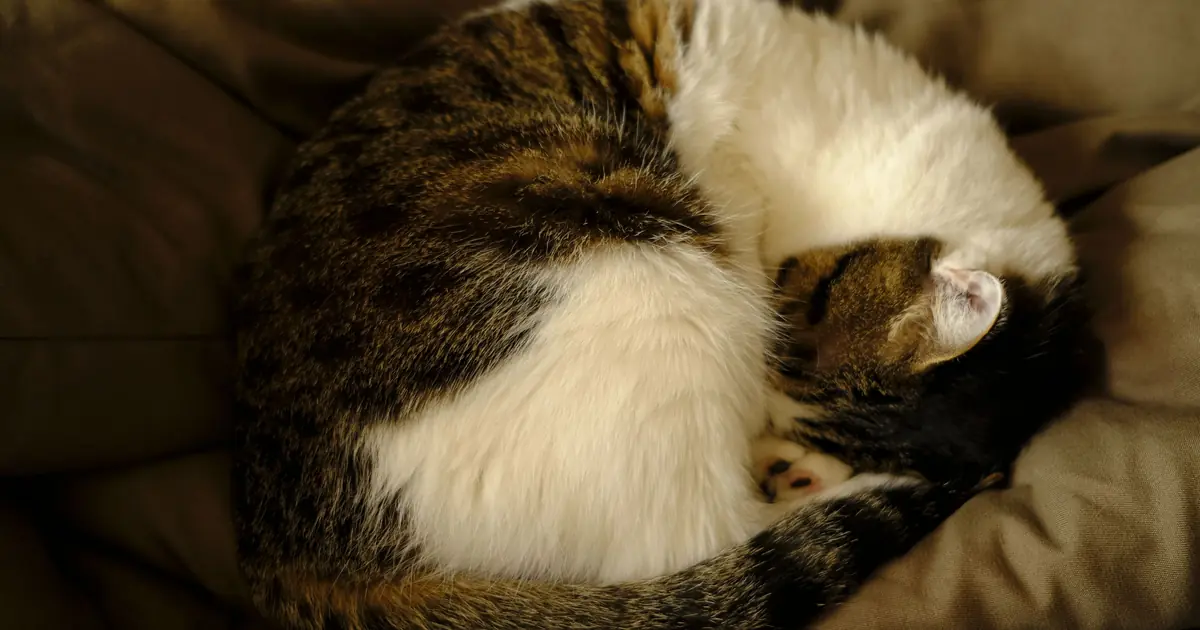
It’s a cold morning and your cat has vanished. You find her curled into a tight ball on top of the router, or wedged against the radiator, or baking in the one square of sun on the floor. Cats are heat-seeking missiles, and there’s a real reason for it.
So is a heated cat bed a genuinely good buy, or just a cute gadget? Short answer: it depends on your cat. For some cats it’s a small daily comfort. For others, especially older or achy ones, it’s close to therapy. Here’s how to decide, how to pick a safe one, and how to use it without cooking your cat.
- A cat’s comfort zone sits around 86 to 100°F, much warmer than the 68 to 72°F most people like, so cats feel chilly before we do.
- Heated beds help senior cats, arthritic cats, kittens, thin or sick cats, and any cat living in a cold house the most.
- Electric heated beds warm to about 10 to 15°F above room temperature, while self-warming beds reflect your cat’s own body heat back with no cord.
- A safe heated cat bed is low-voltage, has a thermostat or auto-shutoff, and has a chew-resistant cord; never use a human heating pad on a cat.
- Very young unsupervised kittens and cats that can’t move away from heat should not be left alone on an electric bed.
Why do cats love warmth so much?
Cats love warmth because their comfort temperature is naturally much higher than ours. A cat’s thermoneutral zone, the range where the body doesn’t have to burn energy to stay warm, sits around 86 to 100°F (30 to 38°C). Most of us keep our homes near 68 to 72°F. That gap is why your cat is hunting for a warm lap while you feel perfectly cozy.
There’s a body-size reason too. Cats are small, with a lot of surface area for their weight, so they shed body heat to the room faster than we do. Seeking out hotspots isn’t laziness, it’s smart thermoregulation. The folks at International Cat Care point out that cats actively look for warm resting spots and cope better with cold weather when we give them cozy, sheltered places to settle.
And cats spend a lot of the day resting: most sleep 12 to 16 hours. A warm, safe bed isn’t a small part of their day. It’s most of it. If your cat seems to be napping even more than usual, it’s worth reading up on why cats sleep so much, since a sudden change can mean more than just cold weather.
Is a heated cat bed worth it, and which cats benefit most?
A heated cat bed is worth it for any cat that struggles to stay warm on its own. A healthy young adult in a warm house may be perfectly happy with a sunny windowsill and a soft blanket. But some cats really can’t warm up easily, and for them, gentle heat is a daily comfort, not a luxury.
Here’s who gets the most out of one.
| Cat type | Why heat helps |
|---|---|
| Senior cats | Older cats lose body heat more easily and often have stiff, achy joints that warmth soothes. |
| Arthritic cats | Steady, gentle heat can ease sore joints and help a stiff cat settle and rest. |
| Kittens | Young kittens can’t regulate their own temperature well, so they chill fast (but need supervision, see safety below). |
| Thin or sick cats | Cats with little body fat, or recovering from illness or surgery, hold heat poorly. |
| Short-haired or hairless breeds | Sphynx, Cornish Rex, and other thin-coated cats feel the cold quickly. |
| Cats in cold homes or climates | Drafty rooms, cold basements, or a low winter thermostat leave any cat looking for extra warmth. |
For senior and arthritic cats especially, warmth is one of the simplest comfort tools you have. It pairs well with other easy wins like soft, low-sided beds, easy litter-box access, and the right nutrition. If your cat is getting on in years, our guide to the best food for senior cats is a good companion read. And if you’re still shopping for the bed itself, our roundup of the best cat beds covers heated and non-heated picks.
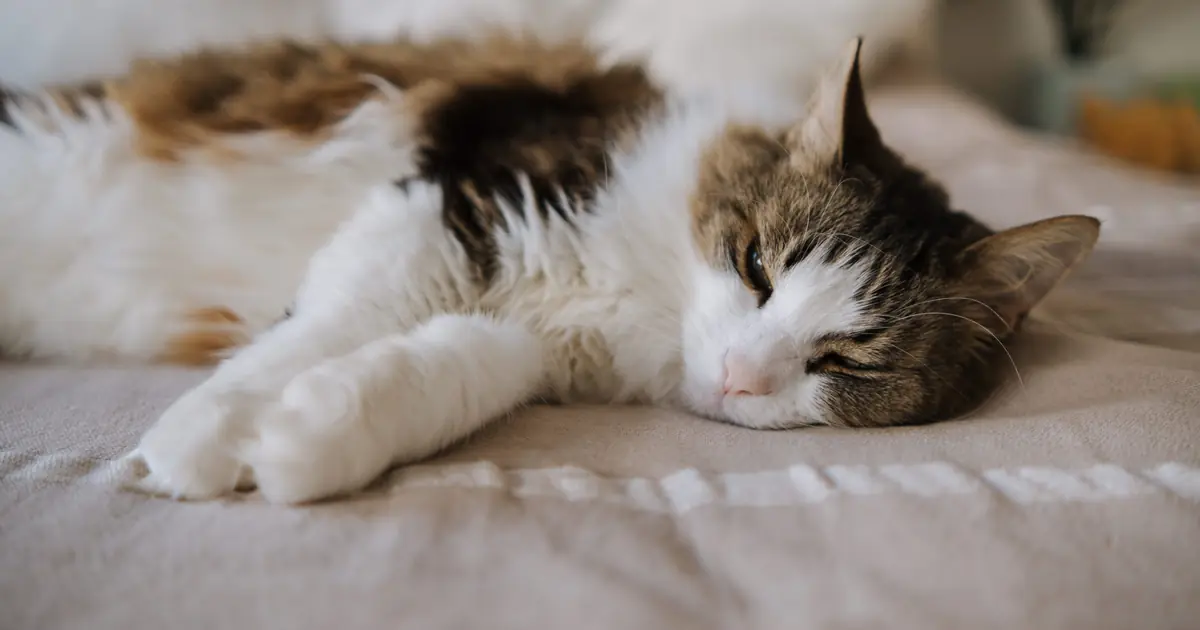
Heated bed vs self-warming bed: what’s the difference?
The big difference is the power source. An electric heated bed plugs in and adds warmth. A self-warming bed uses no electricity at all and simply reflects your cat’s own body heat back at them. Both keep a cat warmer, but they suit different cats and situations.
Self-warming (reflective) beds
A self-warming bed has a thin reflective layer inside that bounces your cat’s body heat (cats run around 100 to 102°F) back into the bed. There’s no cord, no plug, and no shock or overheating risk, which makes these great for chewers, curious kittens, and outlet-free corners. The catch: a self-warming bed can only trap heat the cat already makes. A frail senior or a tiny kitten who can’t warm the bed enough may not get much benefit.
Electric heated beds and pads
An electric heated bed or pad plugs in and warms to roughly 10 to 15°F above room temperature, often with a thermostat that holds a steady, low warmth. So a 70°F room gives you a bed around 80 to 85°F. This is the better pick for cats that genuinely can’t warm themselves: seniors, arthritic cats, and thin or sick cats. The trade-off is that it needs an outlet and a bit more safety care.
| Feature | Self-warming bed | Electric heated bed |
|---|---|---|
| Power | None, reflects body heat | Plugs in, low-voltage |
| Warmth level | Cat’s own body heat only | About 10 to 15°F above room temp |
| Best for | Healthy adults, chewers, kittens (with supervision) | Seniors, arthritic, thin, or sick cats |
| Safety risk | Very low, no cord | Low if quality, but cord and overheating to manage |
| Placement | Anywhere | Near an outlet |
| Washing | Usually fully machine-washable | Removable cover washes; heating element does not |
Are heated cat beds safe?
Yes, a good-quality heated cat bed is safe for most cats when you use it as directed. The key word is “pet-designed.” Beds made for cats run at low, tested temperatures and low voltage, unlike a human heating pad, which gets far too hot for a cat and should never be used. The American Veterinary Society of Animal Behavior notes that giving cats warm resting options is genuinely good for their comfort, as long as it’s done safely.
Look for these safety features before you buy:
- Low-voltage design. Pet-specific heated beds run at safe, low wattage, not household heating-pad levels.
- A thermostat or auto-shutoff. This keeps the bed at a steady, gentle warmth so it can’t creep too hot.
- Chew-resistant cord. A steel-wrapped or reinforced cord protects a curious cord-chewer.
- The right size. The cat should always be able to move off the warm surface if they get too toasty.
And here’s the part that matters most for older cats: a cat on a heated bed can’t always tell when they’re getting too warm, and a less-mobile senior may not move away in time. Cats can overheat or get dehydrated on an artificially warmed bed. Overheating is a real risk, and PetMD notes cats can struggle once they get too warm, so keep fresh water nearby, make sure there’s a cool spot to escape to, and check on your cat.
Use extra caution with:
- Very young kittens, who should never be left alone on an electric bed.
- Senior or disabled cats that can’t easily move off the heat.
- Cats that chew cords (choose cordless or a chew-proof cord).
- Any cat that seems lethargic, pants, or feels hot to the touch: unplug and call your vet.
This article is educational and isn’t a substitute for veterinary care. If your cat is old, arthritic, unwell, or seems bothered by heat, check with your vet before using a heated bed.
Where should you put a heated cat bed?
Put a heated cat bed in a quiet, draft-free spot where your cat already likes to rest. Cats pick sleeping places based on warmth, safety, and a good view, not just softness, so work with your cat’s existing habits instead of against them.
- Choose a low-traffic corner away from doors and drafts.
- Give it a bit of privacy: cats relax more in a semi-sheltered nook.
- Keep an outlet within reach for electric beds, and tuck the cord out of pounce range.
- Leave a cool, unheated resting spot nearby so your cat can self-regulate.
- Skip putting it right next to another heat source like a radiator or fireplace.
Where a cat chooses to sleep says a lot about how safe they feel, which is a fun rabbit hole in itself. If yours likes to pile onto you at night, our piece on where your cat sleeps on your bed and what it means unpacks it.
Self-warming alternatives if you skip the electric bed
You don’t need to plug anything in to keep a cat warmer. Plenty of cordless options add cozy warmth, which is ideal if you have a chewer, no nearby outlet, or you just want zero electrical risk.
- A self-warming reflective bed. Cordless, washable, and effective for a healthy adult in a moderately cool room.
- A covered or hooded bed, cave, or igloo. Enclosed shapes trap body heat and add a sense of security.
- A fleece blanket in a box. Cheap and surprisingly good: the walls block drafts and the fleece holds warmth.
- A sunny windowsill perch. Free solar heating your cat will find on its own.
- A microwavable pet heat disc. Warms up for hours with no cord, handy for crates or carriers.
For a frail senior or a sick cat, though, these passive options often aren’t warm enough on their own. That’s the case where a thermostat-controlled electric bed earns its keep.
Cat heated bed FAQ
Q: Are heated cat beds safe to leave on all the time?
A quality pet heated bed with a built-in thermostat is designed for continuous use and holds a steady low warmth. Still, check the manufacturer’s guidance, keep fresh water and a cool spot nearby, and monitor senior cats that may not move off the heat on their own.
Q: Can I use a human heating pad for my cat?
No. Human heating pads run much hotter than a cat’s body can safely handle and can cause burns or overheating. Always use a low-voltage bed made specifically for pets, which is tested for safe feline temperatures.
Q: What temperature should a heated cat bed be?
A cat’s comfort zone is about 86 to 100°F, and most electric pet beds warm to roughly 10 to 15°F above room temperature, landing around 80 to 90°F in a typical home. That gentle warmth is enough to keep a cat cozy without overheating.
Q: Do indoor cats need a heated bed?
Most healthy adult indoor cats don’t strictly need one, since they’ll find warm spots on their own. Heated beds matter most for senior, arthritic, thin, sick, or short-haired cats, and for any cat in a cold or drafty home.
Q: Are heated beds safe for kittens?
Young kittens chill easily and can benefit from gentle warmth, but they should never be left alone on an electric heated bed. A self-warming reflective bed or a supervised low setting is safer until they can reliably move away from heat on their own.
Q: Will a heated bed help my cat’s arthritis?
Gentle, steady warmth can soothe stiff, sore joints and help an arthritic cat settle and rest more comfortably. It’s a supportive comfort, not a treatment, so talk to your vet about a full arthritis-management plan for your cat.
Q: How do I know if my cat is too hot on the bed?
Watch for panting, restlessness, moving away from the bed, or a cat that feels hot to the touch. If you see these signs, unplug the bed, offer water and a cool spot, and contact your vet if your cat seems unwell.
Bottom line: a heated cat bed isn’t a must-have for every cat, but for the ones that feel the cold, seniors, achy joints, kittens, thin or sick cats, and anyone shivering through a chilly house, it’s one of the kindest small comforts you can offer. Pick a low-voltage, thermostat-controlled bed with a chew-safe cord, place it somewhere quiet and draft-free, and let your cat do what cats do best: find the warm spot and stay there.

Hello and welcome to The Ideal Cat!
We are some passionate cat owners from different professions. We love our cats and have a lot of experience in how to care for our pets. We are incredibly excited to share our knowledge, experience, and research with you. So you can take good care of your loving cat. We will answer most of the common questions about owning cats, taking care of them, etc. If you have any question contact with us. Thanks for visiting! Enjoy the content.
