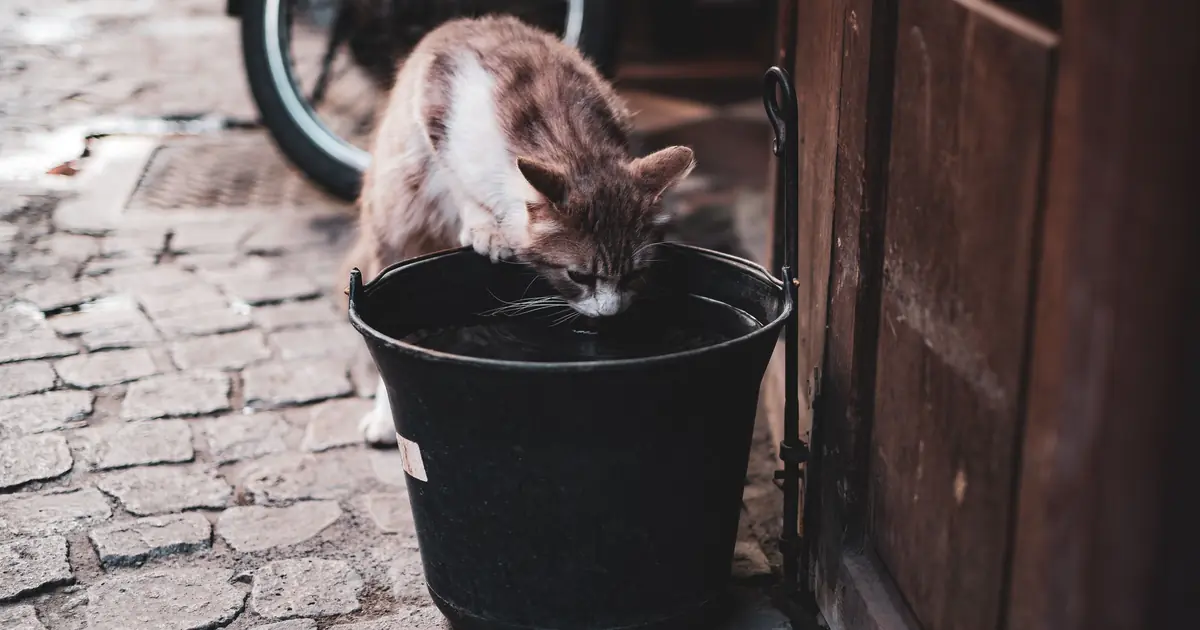
Ever watched your cat sniff the water bowl, walk away, then beg you to turn on the bathroom faucet? You’re not imagining it. A lot of cats treat a full, room-temperature bowl like it’s beneath them, then go wild for a cold trickle of tap water.
It’s not pickiness for its own sake. Cats have strong opinions about water temperature and freshness, and those opinions trace back to how their wild ancestors drank. Once you understand what your cat is actually responding to, it gets a lot easier to get more water into her (and that matters more than you might think).
- Most cats prefer cool or cold water over water sitting at room temperature, mainly because it tastes fresher.
- Cold water is safe for adult cats. Very young kittens and cats with certain health conditions do better with cool, not ice-cold, water.
- Cats evolved from desert-dwelling ancestors, which is part of why moving, cold water reads as “safe to drink” and stagnant water doesn’t.
- A healthy 10-pound cat needs roughly one cup of water a day from all sources combined, according to the Cornell Feline Health Center.
- A sudden, big change in how much water your cat drinks (a lot more or a lot less) is worth a vet visit, since it can point to kidney disease, diabetes, or a urinary problem.
Do Cats Actually Like Cold Water?
Yes, most cats do prefer cold water to water that’s been sitting out at room temperature. Cats have a sharp sense of taste and smell, and warm, stagnant water simply tastes flatter and less appealing to them. Cool water also feels closer to what a cat’s body expects from a natural water source.
That doesn’t mean every cat is the same. Some cats genuinely don’t mind room-temperature water, and a few even seem to prefer it, especially seniors with sensitive teeth. But if you had to bet on one preference across most cats, cold and fresh wins over warm and stale almost every time.
Why Do Cats Prefer Cold, Fresh Water?
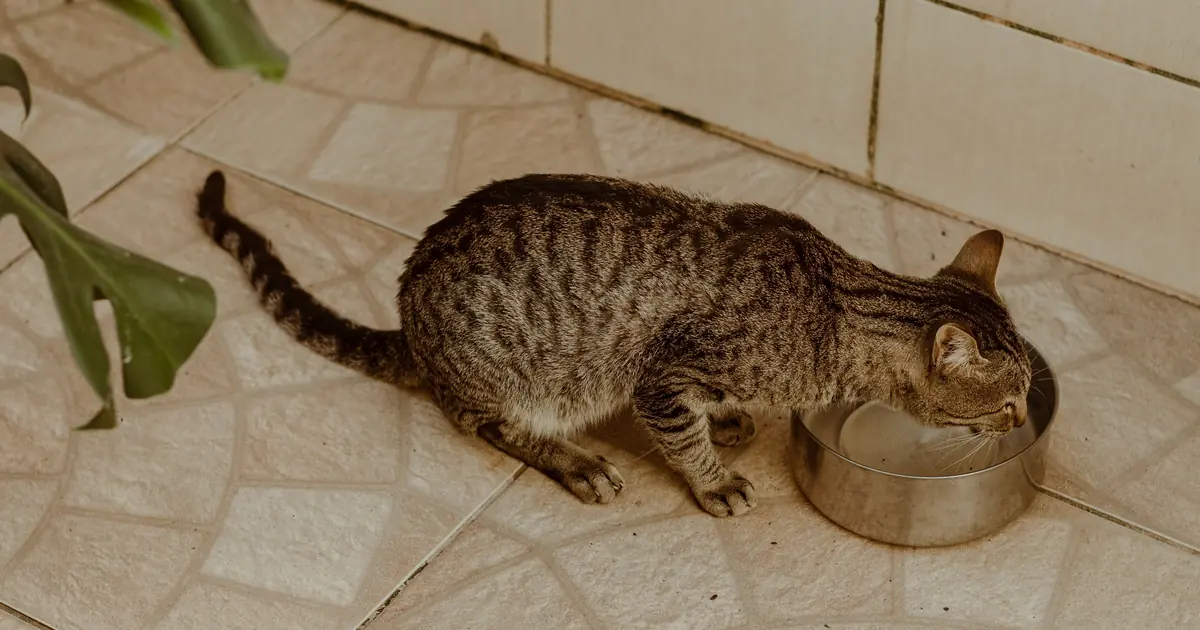
Cats gravitate toward cold water because it tastes fresher, carries more dissolved oxygen, and mimics the moving water their instincts trust. A few things are happening at once here, and they all point the same direction.
- Taste and smell: Water left out for hours picks up dust, room odors, and a flat taste. Cold, freshly poured water simply tastes cleaner to a cat’s sensitive palate.
- Oxygen content: Colder water holds more dissolved oxygen than warm water, which gives it a crisper taste, similar to why a chilled glass of water tastes better to us than a lukewarm one.
- Instinct for moving water: A cat’s wild ancestors were desert hunters who learned that still, warm puddles were more likely to carry bacteria, while cool, flowing water usually meant a safer source. That instinct never left domestic cats.
- Whisker comfort: Cold water often gets refreshed more often, which also means a cleaner bowl rim, something a whisker-sensitive cat notices more than you’d expect.
This same running-water instinct is part of why so many cats will drink eagerly from a dripping tap while ignoring their own bowl, even though most cats would rather not get wet themselves. If you want the full picture on that split personality, our guide on why cats are afraid of water breaks down why cats can love drinking it and hate bathing in it at the same time.
Is Cold Water Safe for Cats to Drink?
Yes, cold water is safe for healthy adult cats and won’t upset their stomach or throat. Cats regulate their body temperature just fine drinking water straight from the fridge or with a few ice cubes mixed in.
The one place to ease off is with very young kittens, seniors with certain health conditions, or any cat that’s already unwell. Extremely ice-cold water can be a bit of a shock to a small kitten’s system, and cats that are already dealing with digestive upset sometimes do better with cool water rather than water fresh out of the freezer. When in doubt, aim for cool, not frigid, and let your cat’s own reaction guide you. If your cat is very young, it’s also worth reading up on how cats handle cold temperatures in general, since kittens lose body heat faster than adult cats.
Does Cold Water Help Cats Drink More?
Yes, offering cold, fresh water is one of the easiest ways to get a cat to drink more, and that matters because cats are naturally prone to under-drinking. Cats descended from desert animals that got most of their moisture from prey, so their thirst drive is weaker than a dog’s or a human’s. That’s exactly why dehydration and urinary issues show up so often in house cats.
A healthy 10-pound cat needs roughly a cup of water a day from food and drinking combined, according to Cornell Feline Health Center guidelines. Cats on dry food need to drink more of that from the bowl, since kibble has very little moisture, while cats on wet food get a big head start because canned diets run 70 to 80% water. If you want exact numbers for your cat’s weight, our guide on how much water a cat should drink a day lays out the math.
Getting more water in also protects your cat’s urinary tract. Water helps flush the kidneys and bladder and lowers the odds of crystals or stones forming, according to PetMD. So a cold bowl isn’t just about a happier cat at the water dish. It’s a real, low-effort tool for keeping her healthier long term.
Why Do Some Cats Prefer Running Water Over a Bowl?
Some cats prefer running water because it looks and smells fresher, and it plays into that same wild instinct that moving water is safer to drink than still water. That’s why so many cats camp out by the bathroom sink or headbutt you until you turn on the tap.
This is also the whole idea behind pet water fountains. A fountain keeps water circulating and lightly aerated, so it stays cooler and tastes fresher for longer than a bowl that sits untouched for hours. The evidence on whether fountains reliably make every cat drink more is genuinely mixed. Some cats love them and drink noticeably more, others barely notice, and it really comes down to your individual cat’s personality. It’s worth trying one, especially for a cat that’s a known picky drinker. Our roundup of the best cat water fountains compares the models that actually hold up over time.
| Water Option | Appeal to Cats | Notes |
|---|---|---|
| Room-temperature bowl | Low to moderate | Tastes flatter over time; needs refreshing at least once a day |
| Cold water (fridge-cool) | High for most cats | Tastes fresher, safe for healthy adult cats |
| Ice cubes added | High, especially in warm weather | Fun for many cats to bat around; skip for very young kittens |
| Pet water fountain | High for some cats, neutral for others | Keeps water moving and cooler; needs regular cleaning to avoid buildup |
How Can You Encourage Your Cat to Drink More Water?
The fastest way to get a cat drinking more is to make water colder, fresher, and easier to reach without stressing her whiskers. Try these steps together rather than just one:
- Refresh the bowl at least once, ideally twice, a day with cold water.
- Set out two or three water stations around the house, not just one by the food bowl.
- Switch to a wide, shallow bowl instead of a narrow, deep one. Deep bowls press against a cat’s whiskers with every sip, which vets call whisker fatigue, and it’s a real reason some cats avoid drinking, according to PetMD.
- Try a fountain if your cat is drawn to running water, and clean it weekly so it stays appealing rather than gross.
- Add a splash of low-sodium chicken broth or a bit of tuna water once in a while to make plain water more exciting.
- Feed some wet food if your cat is currently on dry food only, since it adds meaningful moisture without any effort on the cat’s part.
Keep the water bowl away from the litter box, too. Cats are surprisingly fussy about not eating or drinking anywhere near where they go to the bathroom (fair, honestly).
Can Cats Drink From a Fridge Dispenser or With Ice Cubes?
Yes, cats can safely drink water from a refrigerator dispenser or a bowl with ice cubes added, and plenty of cats genuinely enjoy both. The cold, filtered water from a fridge dispenser hits the same “fresh and cool” note that draws cats to a running tap.
Ice cubes are fine for most healthy adult cats and can even double as a low-key toy. Just skip the ice for very young kittens, and always leave a non-icy bowl available too, so your cat always has an easy option regardless of temperature preference on a given day.
If you ever notice your cat’s water habits change suddenly, drinking a lot more or a lot less than normal, it’s worth a call to your vet. That kind of shift can be an early sign of a health issue like kidney disease, diabetes, or a urinary problem, and catching it early makes a real difference. This article is meant to help you understand normal drinking habits, not replace an actual exam. Our guide on why your cat might be drinking too much water covers the warning signs in more detail.
Frequently Asked Questions
Q: Do cats prefer cold water over room temperature water?
Most cats do prefer cold water. It tastes fresher and holds more oxygen than water that’s been sitting at room temperature for hours, which is why cold water usually gets a cat drinking faster.
Q: Is it safe to give a cat ice cubes in their water?
Yes, ice cubes are safe for healthy adult cats and many enjoy batting them around before the water melts. Skip ice for very young kittens, whose bodies handle sudden cold less well.
Q: Why does my cat only drink from the faucet or a fountain?
Cats are drawn to moving water because it reads as fresher and safer, an instinct passed down from wild ancestors that avoided still, stagnant puddles. A dripping tap or fountain taps directly into that instinct.
Q: Can cold water upset a kitten’s stomach?
Very cold or ice water can be a shock to a young kitten’s system, though it’s not typically dangerous. Cool, not freezing, water is the safer choice until a kitten is a few months old.
Q: How much water should a healthy cat drink each day?
A healthy 10-pound cat needs roughly one cup of water a day from food and drinking combined, according to the Cornell Feline Health Center. Cats eating only dry food usually need to drink more of that from the bowl.
Q: Why is my cat drinking a lot more water than usual?
A sudden jump in water intake can be harmless, like hot weather or a recent diet change, but it can also signal kidney disease, diabetes, or hyperthyroidism. It’s worth mentioning to your vet if the change sticks around for more than a couple of days.
Q: Can I use a refrigerator water dispenser for my cat?
Yes, cold, filtered water straight from a fridge dispenser is safe and often appealing to cats, since it’s both cold and fresh, two things cats naturally prefer in their water.
Q: Does cold water help prevent urinary problems in cats?
Cold water itself doesn’t prevent urinary issues, but getting a cat to drink more water does. More water intake dilutes urine and helps flush the bladder and kidneys, which lowers the risk of crystals and stones forming.

Hello and welcome to The Ideal Cat!
We are some passionate cat owners from different professions. We love our cats and have a lot of experience in how to care for our pets. We are incredibly excited to share our knowledge, experience, and research with you. So you can take good care of your loving cat. We will answer most of the common questions about owning cats, taking care of them, etc. If you have any question contact with us. Thanks for visiting! Enjoy the content.
