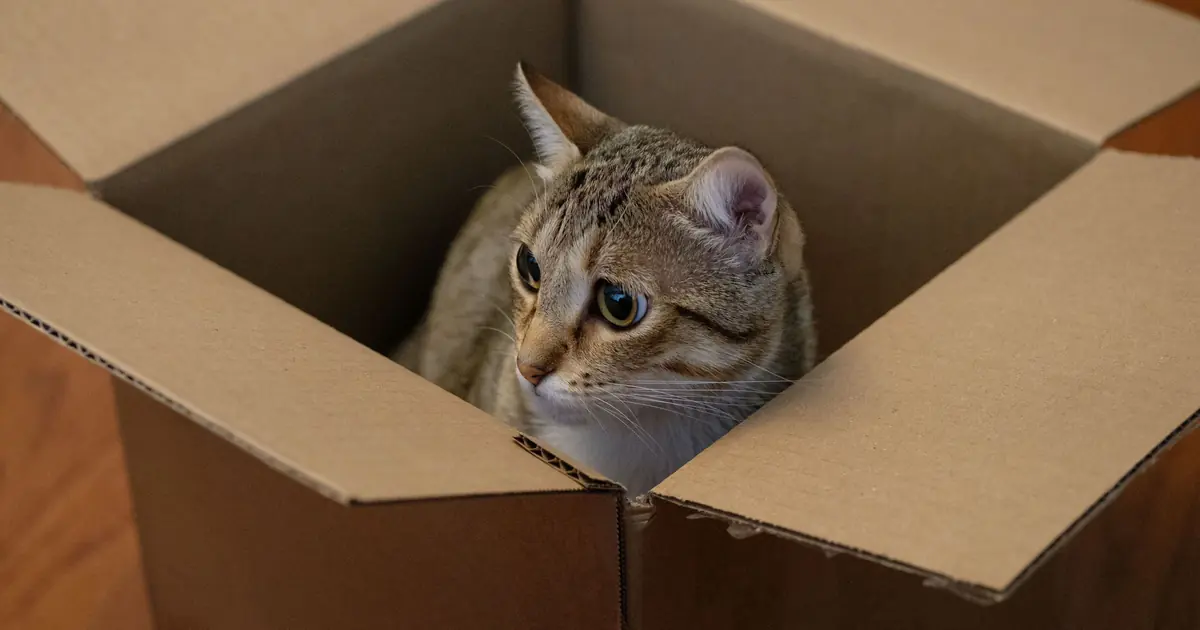
Picture this. It’s morning, and your cat is hunched in the litter box, straining, tail up, looking uncomfortable. A minute passes. Nothing. They hop out, then hop back in five minutes later and do it all again. If you’ve ever stood there wondering whether something’s wrong, you’re not alone, and your instinct to pay attention is a good one.
Learning how to tell if a cat is constipated really comes down to two things: knowing what normal cat pooping looks like, and spotting when that changes. A constipated cat goes less often than usual, and when they do go, the stool is hard, dry, and small. Below, we’ll walk through the exact signs, how to check the litter box and belly, and one dangerous look-alike you must never ignore.
- Most healthy cats poop about once a day, and normal stool is brown, formed, and slightly moist.
- A constipated cat passes hard, dry, small pellet-like stools, or nothing at all, and often strains in the litter box.
- Common causes of cat constipation include dehydration, low fiber, hairballs, obesity, stress, litter box aversion, and underlying illness.
- Straining with little or no urine is a urinary blockage, a life-threatening emergency, especially in male cats, not simple constipation.
- No stool for more than 48 to 72 hours, crying while straining, or a hard bloated belly needs prompt vet care.
Quick note before we start: this article is educational, not a substitute for a vet visit. Constipation can sometimes signal a bigger health problem, so when in doubt, call your veterinarian.
What does normal cat pooping look like?
Normal cat pooping means one bowel movement roughly every 24 hours, though anywhere from every 12 to 36 hours can be healthy depending on the cat. A normal stool is brown, formed like a firm log, and slightly moist, not rock hard and not runny. If your cat’s poop suddenly looks different, that change is your first clue.
Knowing your cat’s baseline is half the battle. Some cats are clockwork-regular, others skip a day now and then. What matters is a shift from what’s usual for your cat. If your normally-daily cat hasn’t produced anything in two days, that’s worth watching. (For the opposite problem, loose or watery stool, see our guide on cat diarrhea.)
What are the signs a cat is constipated?
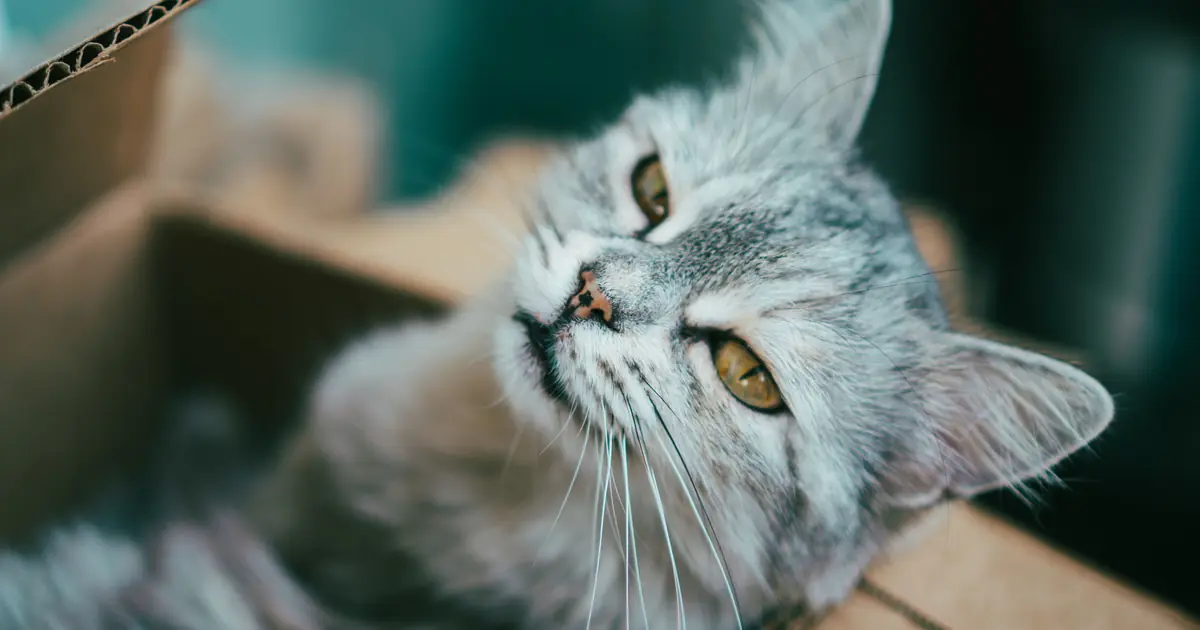
The signs a cat is constipated center on effort and output: your cat strains a lot and produces little. A constipated cat often makes frequent, unproductive trips to the litter box, and any stool that does come out is hard, dry, and small, sometimes like little pellets. Some cats cry or vocalize while trying to go.
Here’s a clear checklist of constipation signs to watch for:
- Straining, hunching, or crying in the litter box
- Small, hard, dry, pellet-like stools, or no stool at all
- Frequent trips to the box with little or nothing to show for it
- Pooping outside the box (the box may feel linked to discomfort)
- Reduced appetite or turning away from food
- Lethargy, hiding, or seeming generally off
- A hard or tender belly when gently touched
- Occasional vomiting
One caution worth repeating: vomiting alongside constipation is a red flag, not a minor detail. If your cat is both straining to poop and throwing up, call your vet rather than waiting it out.
How do I check the litter box and my cat’s belly?
Checking the litter box and your cat’s belly is the fastest way to confirm constipation at home. Start with the box, because it holds the evidence. Scoop and actually look: how many stools are there, what do they look like, and are there normal urine clumps too? A day or more with no stool, plus small hard pellets, points toward constipation.
Here’s how to do a simple at-home check:
- Scoop the box and count stools over 24 to 48 hours. Note whether they’re formed and moist or hard and dry.
- Confirm your cat is still peeing normally. You should see the usual damp clumps. This step matters more than you’d think (more on that below).
- Lift the tail and glance at the rear for stuck, dried stool or matting, common in long-haired cats.
- Gently feel the belly. Firm, tube-shaped material higher in the abdomen can be backed-up stool. Stop if your cat seems painful.
If your cat’s belly feels hard and bloated, or they yelp when you touch it, skip the home detective work and call your vet.
Constipation vs urinary blockage: how do I tell them apart?
Constipation and a urinary blockage can look almost identical from across the room, and telling them apart can save your cat’s life. Both make a cat strain in the litter box. The difference is what they’re straining to pass. Constipation is about stool. A urinary blockage means your cat can’t pass urine, and that is a true emergency.
A urinary blockage happens when the urethra gets obstructed and urine can’t get out. It most commonly hits male cats, because their urethra is longer and narrower. Left untreated, a blockage can cause kidney failure and death in as little as 24 to 48 hours. So the golden rule is simple: never assume straining is “just constipation” until you’ve confirmed your cat is peeing.
| Sign | Constipation | Urinary blockage (emergency) |
|---|---|---|
| What they’re straining to pass | Stool | Urine |
| Litter box output | Little or no stool; urine looks normal | Little or no urine; may drip or show blood |
| Vocalizing | Sometimes | Often crying in obvious pain |
| Belly feel | Firm stool higher up | Firm, painful, round bladder low down |
| Who’s most at risk | Any cat | Male cats especially |
| Urgency | Monitor, vet if it persists | Emergency vet now |
When you truly can’t tell, treat it as a urinary emergency and get to a vet. It’s far better to be safe than to gamble on a blockage. The ASPCA and emergency vets are clear that a cat who can’t urinate needs care within hours, not days. For more on reading symptoms at home, PetMD keeps a helpful cat symptom library.
What causes constipation in cats?
Constipation in cats usually comes from stool moving too slowly through the colon, so too much water gets absorbed and the stool dries out. Several everyday factors drive this, and often more than one is at play at once. Sorting out the cause is what actually fixes the problem long term.
Common causes of cat constipation include:
- Dehydration: the single most common cause. Cats on dry-food-only diets often don’t drink enough.
- Low fiber: not enough dietary fiber to keep stool moving.
- Hairballs: swallowed hair, especially in long-haired cats, can clog things up.
- Obesity and inactivity: extra weight and little movement slow the gut.
- Stress or litter box aversion: a dirty box, a new location, or a scary environment can make a cat “hold it.”
- Pain or arthritis: older cats may find the squatting position uncomfortable.
- Underlying illness: kidney disease, an underactive thyroid, or megacolon can all cause chronic constipation.
Because dehydration and diet top the list, hydration and food are where most home improvement starts. A diet built for digestive health and plenty of water often make a real difference, and getting the basics of food and hydration right prevents repeat episodes. Adding a spoonful of plain pumpkin for fiber is another popular gentle helper, though it’s worth checking with your vet first. Cornell’s Feline Health Center is a solid resource for understanding the digestive conditions behind chronic cases.
When should I take a constipated cat to the vet?
Take a constipated cat to the vet when it’s been more than 48 to 72 hours since their last bowel movement, when they’re clearly in pain, or when other symptoms show up alongside the straining. Mild, one-off constipation in an otherwise happy cat often resolves on its own. Persistent or painful constipation does not, and it can spiral into a serious backup called megacolon.
Get prompt veterinary care if you notice any of these red flags:
- No stool for more than 48 to 72 hours
- Straining while crying or clearly in pain
- A hard, bloated, or very tender belly
- Vomiting along with the constipation
- Refusing food, growing lethargic, or hiding
- Straining with little or no urine (treat as an emergency, especially in male cats)
- Blood in the stool or around the rear
Your vet can safely clear the blockage, rehydrate your cat, and dig into the cause. Please don’t give human laxatives or enemas at home, some are toxic to cats, and dosing is a vet’s job. For safe next steps and gentle relief ideas, see our guide on how to help a constipated cat. VCA Hospitals also keeps a trustworthy pet health library if you want to read more.
Bottom line: knowing how to tell if your cat is constipated comes down to watching the litter box closely and trusting the changes you see. Less frequent, harder, smaller stools plus straining usually means constipation. But if the straining comes with little or no urine, don’t wait. That’s an emergency. When you’re unsure, your vet is one phone call away.
Frequently Asked Questions
Q: How often should a cat poop?
Most healthy cats poop about once a day, though anywhere from every 12 to 36 hours can be normal. What matters most is your cat’s own baseline. Going noticeably less often than usual, especially with hard or small stools, can signal constipation.
Q: What does constipated cat poop look like?
Constipated cat poop is hard, dry, and small, often like little dark pellets rather than a smooth, formed log. In some cases there’s no stool at all despite plenty of straining. Healthy stool by contrast is brown, formed, and slightly moist.
Q: Can constipation kill a cat?
Severe or untreated constipation can become dangerous. Chronic cases can lead to megacolon, where the colon stretches and stops working properly. Constipation itself rarely kills quickly, but a urinary blockage, which looks similar, can be fatal within 24 to 48 hours, so never ignore straining.
Q: How can I tell constipation from a urinary blockage?
Check what your cat produces. A constipated cat passes little or no stool but pees normally. A blocked cat strains to urinate with little or no urine coming out, and often cries in pain. A urinary blockage is a life-threatening emergency, especially in male cats, so seek care immediately if urine output stops.
Q: Why is my cat straining but nothing comes out?
Straining with nothing to show for it can mean constipation, but it can also mean a urinary blockage. First confirm whether your cat is peeing normally by checking for damp clumps in the litter. If there’s no urine, treat it as an emergency and call your vet right away.
Q: What can I give my cat for constipation at home?
Start with more water, wet food, and gentle steps like a spoonful of plain pumpkin, which adds fiber. Never give human laxatives or enemas, as some are toxic to cats and dosing needs a vet. If home measures don’t help within a day or two, see your veterinarian.
Q: Do cats show pain when constipated?
Yes, many constipated cats show discomfort. Signs include crying or vocalizing in the litter box, a tender or hard belly, hiding, reduced appetite, and general lethargy. Pain is a signal to act, so persistent straining with obvious discomfort warrants a vet visit.
Q: Can stress cause constipation in cats?
Yes, stress can contribute to constipation. A dirty litter box, a move, new pets, or a scary environment can make a cat hold their stool, which dries it out and makes it harder to pass. Reducing stress and keeping a clean, quiet litter setup often helps.

Hello and welcome to The Ideal Cat!
We are some passionate cat owners from different professions. We love our cats and have a lot of experience in how to care for our pets. We are incredibly excited to share our knowledge, experience, and research with you. So you can take good care of your loving cat. We will answer most of the common questions about owning cats, taking care of them, etc. If you have any question contact with us. Thanks for visiting! Enjoy the content.
