Picture your cat stretched out in a sunbeam, blinking slowly, not a care in the world. That’s the indoor life. It’s cozy and safe, but there’s a catch: an indoor cat burns far fewer calories than a cat prowling a backyard all day.
That’s exactly why choosing the right wet cat food for indoor cats matters so much. Less movement means weight creeps on fast, and that spells trouble for joints, energy, and long-term health.
The good news? A well-chosen wet food gives your cat moisture, lean protein, and portion-friendly calories all in one spoonful. We picked 7 that get the balance right.
- Indoor cats are less active than outdoor cats, so they need fewer daily calories to avoid steady weight gain.
- Wet cat food is roughly 70 to 80 percent moisture, which supports hydration and helps hairballs pass through the gut more easily.
- Any food you pick should say complete and balanced for your cat’s life stage per AAFCO on the label.
- Portion size should match your cat’s ideal body weight and vet guidance, not the number of cans in a pack.
- A wet-plus-dry combo can give indoor cats hydration from wet food and dental-friendly crunch from dry food.
Our Top Picks
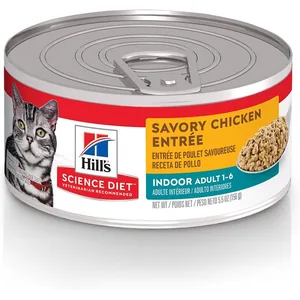
Hill’s Science Diet Indoor Chicken Canned Cat Food, 5.5-oz, 24 ct
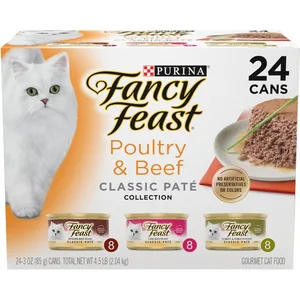
Fancy Feast Poultry & Beef Variety Pack Canned Cat Food, 3-oz, 24 ct
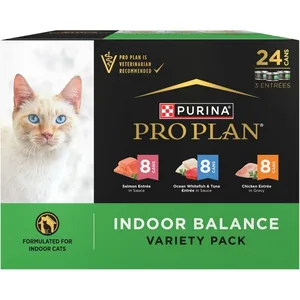
Purina Pro Plan Indoor Balance Chicken, Salmon, Whitefish & Tuna Variety Pack Wet Cat Food, 3-oz can, case of 24
Wet cat food for indoor cats compared at a glance
| Food | Best for | Type | Price |
|---|---|---|---|
| Hill’s Science Diet Indoor Chicken Canned Cat Food, 5.5-oz, 24 ct | Best overall indoor | Variety pack | $62.16 |
| Fancy Feast Poultry & Beef Variety Pack Canned Cat Food, 3-oz, 24 ct | Best vet-recommended | Pate | $22.86 |
| Purina Pro Plan Indoor Balance Chicken, Salmon, Whitefish & Tuna Variety Pack Wet Cat Food, 3-oz can, case of 24 | Best budget | Variety pack | $47.04 |
| Purina Pro Plan Indoor Grilled Chicken Entree in Gravy Wet Cat Food, 3-oz can, case of 24 | Best for hairballs | In gravy | $47.04 |
| Weruva Classic Press Your Dinner Chicken Pate Grain-Free Wet Cat Food, 3-oz, 12 count | Best natural pate | Pate | $23.88 |
| Tiki Cat Grill Variety Pack Grain-Free Pate Wet Cat Food, 2.8-oz can, case of 12 | Best grain-free | Pate | $20.41 |
| Purina Pro Plan Indoor Grilled Ocean Whitefish & Tuna Entrée Wet Cat Food, 3-oz can, case of 24 | Best high-protein indoor | In gravy | $47.04 |
The 7 best wet cat food for indoor cats picks, reviewed
Hill’s Science Diet Indoor Chicken Canned Cat Food, 5.5-oz, 24 ct: best overall indoor
Purina Pro Plan Indoor Balance is our top all-round pick for indoor cats, and the variety pack keeps picky eaters interested. You get chicken, salmon, whitefish, and tuna recipes, each built as a complete-and-balanced meal with real protein up front. The 3-oz cans make portioning simple.
It’s a great fit for the average indoor adult cat who needs steady calories and a bit of menu rotation. It’s less ideal if your cat has a diagnosed food sensitivity to fish or poultry, so check the recipe list first.
Fancy Feast Poultry & Beef Variety Pack Canned Cat Food, 3-oz, 24 ct: best vet-recommended
Hill’s Science Diet Indoor is the pick to reach for if you want a formula many vets know and trust. The chicken pate is designed for indoor adult cats, with controlled calories and added fiber to help manage hairballs. Texture is a smooth, easy-to-eat pate.
It’s a strong choice for owners who like a science-backed brand and a consistent recipe. It sits at a higher price per can than budget options, so it’s less ideal if you’re feeding a multi-cat household on a tight budget.
Purina Pro Plan Indoor Balance Chicken, Salmon, Whitefish & Tuna Variety Pack Wet Cat Food, 3-oz can, case of 24: best budget
Fancy Feast Poultry and Beef Variety Pack proves you don’t have to overspend to feed your cat well. These 3-oz cans are complete and balanced, widely available, and most cats devour them. The poultry and beef mix keeps things interesting across the week.
It’s ideal for budget-conscious owners and cats who turn their noses up at fancier recipes. It’s less ideal if you specifically want an indoor-formulated, calorie-reduced recipe, so watch your portions a little more closely with this one.
Purina Pro Plan Indoor Grilled Chicken Entree in Gravy Wet Cat Food, 3-oz can, case of 24: best for hairballs
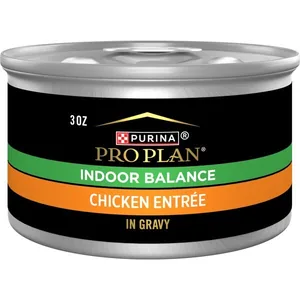
Purina Pro Plan Indoor Grilled Chicken Entree in Gravy is our pick when hairballs are the main headache. The indoor formula supports hairball management, and the extra gravy adds moisture that helps everything move through the digestive tract. Cats who love to lick up sauce tend to clean the bowl.
It’s a great match for long-haired or frequently grooming cats prone to hairballs. It’s less ideal for cats who flat-out refuse gravy textures and only eat firm pate.
Weruva Classic Press Your Dinner Chicken Pate Grain-Free Wet Cat Food, 3-oz, 12 count: best natural pate
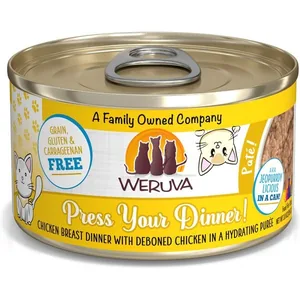
Weruva Classic Press Your Dinner Chicken Pate keeps the ingredient list short and recognizable. It’s a grain-free chicken pate with a clean, natural feel and high moisture, which suits indoor cats who need hydration support. The 3-oz cans are easy to portion.
It’s a good fit for owners who want simple, natural recipes without a lot of fillers. It’s less ideal if your cat prefers a chunky, shredded texture, since this one is a dense pate.
Tiki Cat Grill Variety Pack Grain-Free Pate Wet Cat Food, 2.8-oz can, case of 12: best grain-free
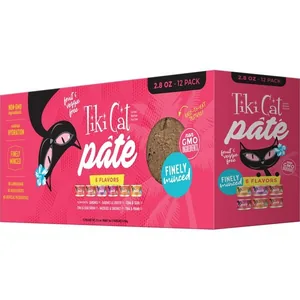
Tiki Cat Grill Variety Pack is our grain-free pick, and the price per can is genuinely friendly. These grain-free pate recipes lean on real protein and moisture, giving indoor cats a satisfying meal without grains. The variety pack keeps mealtime from getting boring.
It’s a smart choice for cats doing better on grain-free food and owners who want variety. Grain-free isn’t automatically healthier for every cat, so it’s less necessary if your cat already thrives on grain-inclusive food.
Purina Pro Plan Indoor Grilled Ocean Whitefish & Tuna Entrée Wet Cat Food, 3-oz can, case of 24: best high-protein indoor
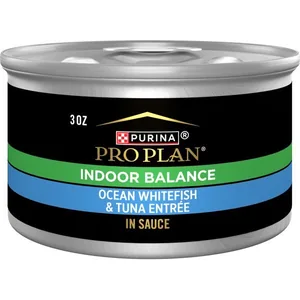
Purina Pro Plan Indoor Grilled Ocean Whitefish and Tuna Entree leads with fish protein and an indoor-friendly formula. It gives active-minded indoor cats a protein-forward meal with the moisture they need, and the entree texture is easy to serve. It’s complete and balanced for adult cats.
It’s ideal for indoor cats who thrive on higher protein and love fish flavors. It’s less ideal for cats with a known fish sensitivity, so poultry recipes may suit them better.
How to choose the best wet cat food for indoor cats
Choosing wet food for an indoor cat comes down to a few things you can check on any label. Here’s how to shop smart.
Watch the calories
Indoor cats move less, so extra calories add up fast. Look for wet foods labeled indoor or weight-management, or simply feed a normal recipe in smaller portions. Feline obesity is a real health problem linked to diabetes and joint disease, and the Cornell Feline Health Center stresses feeding to a healthy body condition rather than free choice.
Prioritize moisture
Wet food is around 70 to 80 percent water, which is a big win for indoor cats who often don’t drink enough. That moisture supports kidney and urinary health and helps hairballs slide through instead of building up. Cats evolved from desert animals and get much of their water from food.
Look for real protein
Cats are obligate carnivores, so a named meat or fish should sit near the top of the ingredient list. Protein keeps muscle strong even while calories stay moderate.
Confirm it’s complete and balanced
Check the label for an AAFCO statement saying the food is complete and balanced for your cat’s life stage. That one line means the food can serve as a full diet, not just a topper.
Portion to your cat, not the can
Feeding guides on the can are averages. Portion to your cat’s ideal weight and adjust with your vet. The American Animal Hospital Association recommends regular body condition checks to keep weight on track.
Consider a wet-plus-dry combo
Many indoor cats do great on a mix: wet food for hydration and lean calories, plus a measured amount of dry food for crunch. Just count the calories from both so the total still fits your cat’s needs.
Transition slowly
Switch foods over 7 to 10 days, mixing a little more new food into the old each day. A slow change avoids stomach upset and helps a picky indoor cat accept the new recipe.
This guide is educational and not a substitute for veterinary advice. If your indoor cat is overweight or gaining fast, talk to your vet, since excess weight is a genuine health issue that shortens cats’ lives.
Is wet food good for indoor cats?
Yes, wet food is a great choice for indoor cats, and often better than dry alone. Indoor cats tend to drink too little and move too little, and wet food helps with both problems at once.
- Hydration: Wet food is mostly water, so it supports urinary and kidney health without your cat needing to visit the water bowl.
- Weight control: Wet food is usually lower in calories per gram than dry kibble, so it can help indoor cats feel full on fewer calories.
- Hairball help: The extra moisture helps swallowed hair pass through the gut instead of coming back up.
- Protein: Many wet foods are protein-rich, which suits a cat’s carnivore biology.
The main things to manage are cost, portioning, and dental care, since wet food doesn’t scrape teeth the way some dry foods do.
Common mistakes to avoid
- Free-feeding all day: Leaving food out around the clock is a fast track to weight gain for a low-activity indoor cat. Serve measured meals instead.
- Trusting the label over the portion: Can guidelines are averages. Feed to your cat’s ideal body weight and vet advice, not the printed serving.
- Ignoring hydration: Skipping wet food entirely leaves many indoor cats chronically under-hydrated, which strains the urinary tract.
- Too many treats: Treats and toppers add up quickly. Keep them under 10 percent of daily calories so meals stay balanced.
- Feeding the wrong life stage: Kitten food is calorie-dense and wrong for an adult indoor cat. Match the AAFCO life-stage statement to your cat’s age.
Related guides
Related guides:
- Best indoor cat food overall
- Best wet cat food for all cats
- Best cat food for weight loss
- How much should I feed my cat?
- How to help a cat with hairballs
Frequently asked questions
Q: Is wet food good for indoor cats?
Yes. Wet food gives indoor cats hydration they often miss and tends to be lower in calories per gram than dry food, which helps with weight control. The high moisture also helps hairballs pass through more easily.
Q: How much wet food should I feed an indoor cat?
Most adult indoor cats need roughly 4 to 6 ounces of wet food per day, split into two meals, but the exact amount depends on your cat’s weight and calorie needs. Use the can’s calorie count and your vet’s guidance rather than eyeballing portions.
Q: Does wet food help with hairballs?
It can help. Wet food is around 70 to 80 percent moisture, and that extra water helps swallowed hair move through the digestive tract instead of coming back up. Some indoor formulas also add fiber for hairball control.
Q: Wet or dry food, which is better for indoor cats?
Wet food wins on hydration and calorie control, while dry food is cheaper and adds crunch. Many indoor cats do best on a combo of both, as long as you count the calories from each so the daily total stays right.
Q: What is the best wet food for indoor weight control?
Look for a wet food labeled indoor or weight-management with moderate calories and named meat protein, such as an indoor-formula pate. Then portion it to your cat’s ideal weight, since portion size matters as much as the recipe itself.
Q: Do indoor cats need special wet food?
Not strictly, but indoor formulas help. They usually run lower in calories and add fiber for hairballs, which suits less active cats. A regular complete-and-balanced wet food works too if you portion it carefully.
Q: How do I switch my indoor cat to a new wet food?
Change foods gradually over 7 to 10 days, mixing a little more of the new food into the old each day. A slow transition helps avoid stomach upset and gives a picky indoor cat time to accept the new taste.
The bottom line
The best wet cat food for indoor cats balances moderate calories, high moisture, and real protein, and our overall winner is Purina Pro Plan Indoor Balance for its variety and indoor-friendly formula. Whichever pick you choose, confirm it’s AAFCO complete-and-balanced, portion it to your cat’s ideal weight, and transition over 7 to 10 days. Do that, and your sunbeam-loving indoor cat gets hydration, hairball help, and a healthy waistline in every bowl.

Hello and welcome to The Ideal Cat!
We are some passionate cat owners from different professions. We love our cats and have a lot of experience in how to care for our pets. We are incredibly excited to share our knowledge, experience, and research with you. So you can take good care of your loving cat. We will answer most of the common questions about owning cats, taking care of them, etc. If you have any question contact with us. Thanks for visiting! Enjoy the content.
