
You call your cat’s name. Nothing. You crouch down, pat the floor, maybe even shake the treat bag. Still nothing but a slow blink from across the room and a tail that isn’t even twitching. Sound familiar?
Cats aren’t ignoring you out of spite. They just don’t respond to pressure the way dogs do. Whether you’re trying to coax your own cat off the bookshelf or win over a shy new rescue who flinches at every footstep, the fix is almost always the same: slow down, get small, and let the cat decide you’re worth the walk over.
- Cats approach faster when a person crouches low, turns sideways, and avoids direct eye contact, since a face-on stare reads as a threat to a cat.
- A slow blink, closing your eyes halfway and opening them again slowly, is a recognized feline signal of trust and non-threat.
- Cats can be trained to come when called using their name paired with a treat, usually within a few short sessions a day.
- Chasing, looming over, or grabbing a cat are the top three behaviors that make a cat avoid a person long-term.
- A scared or newly adopted cat may need several days to a few weeks of quiet, low-pressure exposure before approaching a new person.
How Do You Get a Cat to Come to You?
You get a cat to come to you by making yourself small, quiet, and non-threatening, then letting the cat close the distance. Cats are both predator and prey in the wild, so anything that looks like a chase, a loom, or a sudden move puts them on alert. Follow these steps in order, and give the cat time between each one.
- Get down on the cat’s level. Sit or crouch instead of standing over the cat. Standing tall makes you look like a threat looming from above.
- Turn your body sideways, not head-on. A direct approach reads as confrontational. Angling your shoulders away is a calming signal.
- Soften your eyes and slow blink. Look near the cat, not straight into their eyes, then blink slowly. International Cat Care notes this mimics a relaxed, trusting cat greeting another cat.
- Offer a hand or finger, low and still. Hold one finger out around nose height and let the cat come sniff it.
- Use a soft, high-pitched voice. Say the cat’s name gently, or make a light kissy or chirping sound. A loud, flat tone can sound like a warning.
- Add a treat or a favorite toy. Place a treat a foot or two in front of you, or drag a wand toy slowly along the floor so your hand isn’t what’s moving toward them.
- Stay still and wait. Freeze once you’ve made the invitation. Cats often circle and sniff the air before approaching in stages.
- Reward any forward movement. A treat, a soft word, or letting the cat sniff and walk away builds trust for next time, even without full contact yet.
What Body Language Invites a Cat to Approach?
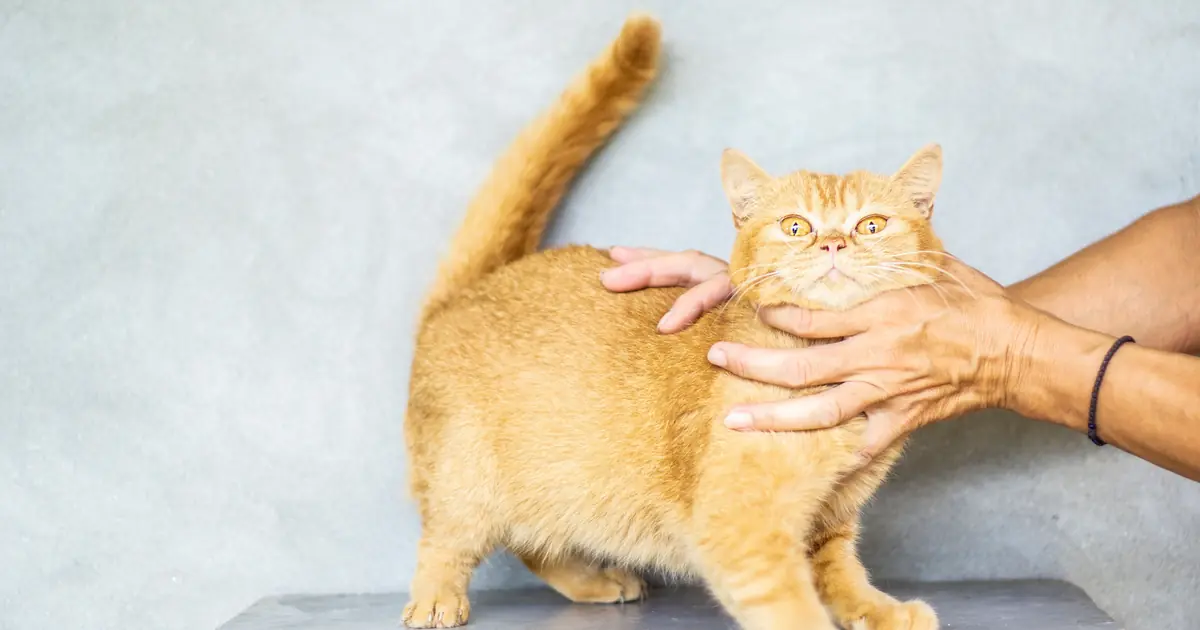
The body language that invites a cat closer is small, slow, and sideways, the opposite of how most people naturally greet an animal. A few habits make the biggest difference.
- Crouch or sit instead of towering over the cat.
- Angle your body sideways rather than squaring up to face the cat directly.
- Blink slowly instead of holding a hard stare, which cats read as a challenge.
- Keep your hands low and still rather than reaching out fast toward the cat’s head.
- Move slowly, or not at all once the cat notices you, since sudden motion triggers a cat’s chase-or-flee instinct.
Learning to read these signals both ways helps too. If you want a fuller picture of what a cat’s ears, tail, and posture are telling you, our guide to cat body language breaks down the full range of feline signals.
How Do You Train a Cat to Come When Called?
You train a cat to come when called by pairing their name with something they love, almost always food, until the sound alone makes them show up. This is basic name-and-reward conditioning, and most cats pick it up faster than owners expect.
- Pick a short, distinct cue. Use the cat’s actual name or a clicker, said or clicked the same way every time.
- Say the cue, then immediately reward. Give a small, high-value treat within a second or two so the cat links the sound to the reward.
- Practice in short sessions. Five minutes, two or three times a day, beats one long session. Cats lose interest fast if training drags on.
- Gradually increase distance. Once the cat responds from a few feet away, call from across the room, then from another room.
- Keep every session positive. Never call a cat’s name right before something unpleasant, like a nail trim, or the name starts to mean “bad thing happens.”
- Stay consistent across the household. If everyone uses the same cue and reward, the cat learns the pattern faster.
Clicker training works well too, since a sharp, consistent click removes any tone-of-voice variation. The ASPCA notes that reward-based training builds a cat’s confidence, not just obedience.
How Do You Get a Shy or Scared Cat to Come to You?
You get a shy or scared cat to approach by giving them control of the distance and timing entirely, without any coaxing pressure at all. A frightened cat needs to decide you’re safe before food or toys will matter.
- Sit in the same room without looking at the cat. Read or scroll your phone, so your presence stops feeling like an event.
- Toss a treat near the cat, then look away. Removing eye contact after the toss takes the pressure off.
- Let the cat set the pace, even if it takes days. Some cats need one visit, others need a couple of weeks of calm exposure.
- Use a consistent routine. Feeding and sitting at the same times each day helps a scared cat predict you, and predictability builds trust.
- Avoid cornering the cat in a small space. Always leave a clear exit path so they never feel trapped.
If you’re settling in a brand-new rescue, the first few days set the tone for everything after. Our guide on how to calm a scared cat walks through a slower approach, and if the fear seems to have come out of nowhere in a cat you already know well, why a cat might suddenly become scared covers the common triggers. Keep an eye on ongoing signs of stress in cats too if the hiding continues past the first couple of weeks.
Do This vs Avoid This When Approaching a Cat
| Do This | Avoid This |
|---|---|
| Crouch or sit low to the ground | Standing and looming over the cat |
| Turn your body sideways | Walking straight at the cat head-on |
| Slow blink and soften your gaze | Staring directly into the cat’s eyes |
| Offer a still finger for the cat to sniff | Reaching fast toward the cat’s face or head |
| Let the cat set the pace and walk away if needed | Chasing or following the cat when they retreat |
| Use a soft, quiet voice | Talking loudly or making sudden noises nearby |
| Wait for the cat to finish sniffing before touching | Grabbing or scooping the cat up uninvited |
What Mistakes Push Cats Away Instead of Drawing Them In?
The biggest mistakes that push a cat away are chasing, looming, and grabbing, all of which trigger a cat’s instinct to flee rather than approach. Cats are more likely to trust people who let them opt in.
- Chasing the cat when they walk off turns you into a predator in their mind and can undo days of progress in seconds.
- Looming or standing over the cat makes you look bigger and more threatening than sitting or crouching.
- Loud noises or sudden movement, including clapping or yelling a cat’s name, startle a cat out of an approach.
- Grabbing or picking the cat up without warning removes their ability to choose, the one thing that makes an approach feel safe.
- Cornering the cat so there’s no escape route raises stress even if you never touch them.
- Punishing a cat for not coming, including scolding or spraying water, teaches the cat your voice means something unpleasant.
If your cat trails you around the house on their own but freezes when you call them over, that’s not a contradiction. A lot of cats prefer following on their terms to being summoned on yours. Our piece on why cats follow their owners everywhere gets into that dynamic, and whether cats understand words is worth a look too if you’re wondering how much they follow when you call.
How Long Does It Take for a Cat to Trust You Enough to Approach?
Most cats take anywhere from a few days to a few weeks to start approaching a new or nervous person, though timelines vary by the cat’s history and temperament. A confident, social cat might warm up in a single sitting, while a cat with a history of trauma or limited human contact can take months. The Cornell Feline Health Center notes that consistency and predictability build a cat’s sense of safety over time more than any single trick. Don’t take slow progress personally. It’s rarely about you and almost always about the cat’s own history.
Frequently Asked Questions
Q: Why won’t my cat come to me when I call?
Cats often ignore a call because it feels like a demand rather than an invitation, or because the name hasn’t been linked to anything rewarding. Pairing the cat’s name with a treat consistently, and never calling them right before something unpleasant, usually improves the response within a few weeks.
Q: Does slow blinking really make a cat trust you?
Yes. A slow blink is a documented feline trust signal, closing the eyes shows a cat you aren’t watching them as a threat. Cats are more likely to approach and slow blink back at a person who slow blinks at them first.
Q: Should I hold out my hand for a cat to smell?
Yes, offer one finger held low and still, at roughly nose height, and let the cat close the last few inches themselves. Reaching toward a cat’s face instead of waiting for them to sniff first often makes a nervous cat back away.
Q: How do I get a new rescue cat to come out of hiding?
Give a new rescue cat a small, quiet space with food, water, and a litter box, then sit nearby without direct eye contact for short periods each day. Most rescue cats start approaching within a few days to two weeks once the environment feels predictable and safe.
Q: Is it bad to pick up a cat that doesn’t come to you?
Yes, picking up a cat that hasn’t approached on their own removes their choice and can set trust back significantly. Let the cat initiate contact first, then handling becomes far easier over time.
Q: Do treats work better than toys for calling a cat over?
Food is usually the strongest motivator for training a cat to approach, since it’s a direct, reliable reward. Toys work well too, especially for playful or younger cats, but a high-value treat tends to get a faster, more consistent response during training.
Q: Why does my cat run away when I approach but follow me later?
Cats often prefer to control the timing of contact, so a direct approach can trigger avoidance even from a cat who’s affectionate on their own schedule. Letting the cat initiate, rather than walking toward them, usually gets a much better response.
Q: Can a cat be trained to come every time, like a dog?
Cats can be trained to reliably respond to their name and a reward cue, but consistency depends on ongoing reinforcement more than it does in dogs. Short, frequent, positive training sessions get the most reliable long-term results.

Hello and welcome to The Ideal Cat!
We are some passionate cat owners from different professions. We love our cats and have a lot of experience in how to care for our pets. We are incredibly excited to share our knowledge, experience, and research with you. So you can take good care of your loving cat. We will answer most of the common questions about owning cats, taking care of them, etc. If you have any question contact with us. Thanks for visiting! Enjoy the content.
