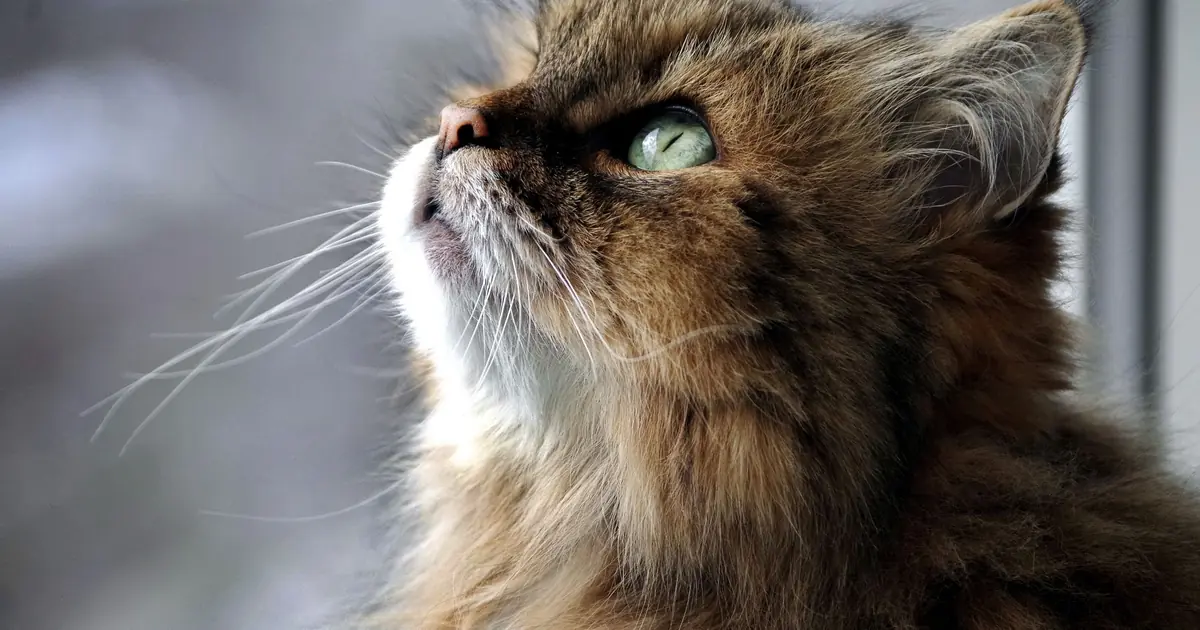
Picture this. You’re trying to take a relaxing bath, and a giant fluffy paw appears at the edge of the tub. Then a whole cat. Then the cat is fishing in the water like it owns the place.
Welcome to life with a Siberian cat. This is a big, triple-coated forest cat from Russia that acts more like a loyal dog than an aloof feline. It follows you room to room, “talks” back when you talk to it, and somehow ends up in every conversation you have at home.
Here’s the fact that surprises most people: the Siberian cat is famous for producing less of the protein that triggers cat allergies. Not zero. Less. We’ll get honest about what that actually means for your sneezing later on.
Siberian Cat Breed Stats at a Glance
| Origin | Russia (centuries-old natural breed, formalized in the late 1980s) |
| Weight (Male) | 12 to 20 lbs (some larger males reach the mid-20s) |
| Weight (Female) | 8 to 12 lbs |
| Lifespan | 11 to 15 years (some reach 18) |
| Coat | Semi-long to long, dense triple coat (guard, awn, and down hairs) |
| Colors | Most Western colors and patterns: brown/black, blue, red, cream, silver, white, tabby, tortie, bicolor, colorpoint (Neva Masquerade) |
| Energy Level | Moderate to high |
| Grooming Needs | Moderate (more during seasonal shed) |
| Good With Kids | Yes, one of the best breeds for families |
| Good With Other Pets | Yes, including dogs, with proper introductions |
| Average Price | $1,200 to $4,000 from a registered breeder (rare colors and show lines run higher) |
- The Siberian cat is a large Russian breed, with males weighing 12 to 20 pounds and females 8 to 12 pounds.
- Siberian cats produce lower levels of the Fel d 1 allergen than most breeds, but no cat is truly hypoallergenic.
- Siberians have a thick triple coat that needs brushing a few times a week and sheds heavily twice a year.
- The biggest health concern in Siberian cats is hypertrophic cardiomyopathy (HCM), a heritable heart condition.
- A Siberian kitten from an ethical breeder usually costs $1,200 to $4,000, depending on color, lineage, and region.
Where Do Siberian Cats Come From?
The Siberian cat comes from Russia, where it lived as a natural farm and forest cat for centuries before anyone bothered to write down a breed standard. These cats weren’t designed in a cattery. They were shaped by brutal Russian winters, which is why they ended up with that famous heavy, weatherproof coat.
You’ll find Siberians mentioned in Russian folk tales and old writings going back hundreds of years. For most of that history, they were simply “the cats,” beloved mousers in homes, barns, and monasteries.
The breed only became formalized in the late 1980s, when Russian cat fanciers started developing official standards. Siberians arrived in the United States in 1990. After that, recognition followed: TICA accepted the breed in the 1990s, and the Cat Fanciers’ Association (CFA) granted full championship status in 2006. FIFe in Europe also recognizes the Siberian, along with its colorpoint version, the Neva Masquerade.
What Does a Siberian Cat Look Like?
A Siberian cat looks like a cat built for the cold: round, sturdy, and covered in fur from nose to tail-tip. Everything about the body is curved and strong rather than long and slinky. Think powerful, athletic, and a little bit wild.
The signature feature is that triple coat. Siberians grow three layers of fur: long guard hairs on top, a middle layer of awn hairs, and a soft, dense down underneath. Around the neck you get a full ruff, and the tail is thick and bushy like a fox brush. Many also grow tufts between their toes and little lynx-like tips on their ears.
Colors and patterns
Siberian cats come in almost every Western color and pattern you can name. Brown (black) tabby is the classic, but you’ll also see blue, red, cream, silver, white, tortoiseshell, and bicolor. The major registries do not accept the “Eastern” colors of chocolate, lilac, cinnamon, and fawn in the Siberian, so be cautious if a breeder advertises those.
One special variety is the Neva Masquerade: a colorpoint Siberian with a pale body, darker points on the face, ears, legs, and tail, and striking blue eyes. Same cat underneath, just wearing a Siamese-style mask.
Kitten vs adult
Siberian kittens are absurdly fluffy little potatoes, but here’s the catch: this breed grows slowly. A Siberian cat isn’t fully mature until around 4 to 5 years old. That ruff and full body coat fill in over time, so a gangly one-year-old can look very different at four. If you want the full majestic look, you’ll need patience.
Siberian Cat Personality and Temperament
This is the part that makes people fall in love. The Siberian cat has a personality that feels more like a dog than a cat, and owners almost never shut up about it (for good reason).
Siberians are deeply social. They want to be wherever you are. Cooking, working, showering, sleeping: your Siberian will supervise all of it. A lot of owners describe a cat that trots behind them from room to room and greets them at the door.
They’re also playful well into adulthood. Most cats mellow out and turn into furniture by age three. Siberians keep their kitten energy for years, chasing toys, fetching, and inventing games. Many learn to play fetch without anyone teaching them.
And then there’s the water thing. Siberians are oddly fascinated by it. They’ll dip a paw in your glass, splash the water bowl, follow you to the bathtub, and “fish” for nothing in particular. If you don’t want a wet floor, a heavy water bowl helps.
They’re talkers too, but gentle ones. Expect soft chirps, trills, and quiet meows rather than the constant loud yelling of a Siamese. It’s more “hey, what’s up?” than “FEED ME NOW.”
Honestly? If you want a low-contact cat that ignores you, this is the wrong breed. The Siberian wants a relationship.
Is a Siberian Cat Right for You?
A Siberian cat is right for you if you want an affectionate, interactive, sturdy companion and you have time to spend with it. This is not a cat that thrives left alone all day. It’s the wrong fit if you want a quiet, independent cat that mostly does its own thing.
Run through this honestly before you commit.
A Siberian is a great match if you:
- Want a cat that’s genuinely involved in your daily life
- Have a busy household with kids, dogs, or other cats
- Like an active, playful cat that stays kitten-ish for years
- Don’t mind brushing a few times a week and living with some fur
- Have a mild cat allergy and want a breed that may be easier on you
A Siberian may not be for you if you:
- Are away from home most of the day with no other pets for company
- Want a small, dainty lap cat (these are large, solid animals)
- Hate vacuuming and can’t deal with seasonal shedding
- Expect “hypoallergenic” to mean zero reaction (it doesn’t)
- Want a cheap pet (good kittens aren’t cheap, and the vet bills add up)
Siberian Cat Health Issues to Know About
Siberian cats are generally hardy, but they do carry a few breed-linked health risks worth knowing before you buy. The single most important one is a heart condition called HCM. The rest are manageable with good breeding and routine vet care.
This section is educational, not a substitute for veterinary advice. Always work with your own vet on screening, diet, and any symptoms you notice.
Hypertrophic cardiomyopathy (HCM)
HCM is the biggest health concern in Siberian cats. It’s a heart disease where the heart muscle wall thickens, which makes the heart work harder and can eventually lead to heart failure, blood clots, or sudden death. It’s heritable, meaning it passes through bloodlines, and it shows up across Siberian lines worldwide.
The frustrating part: there isn’t yet a reliable single DNA test for HCM in Siberians the way there is for Maine Coons and Ragdolls. The best tool right now is regular heart screening by ultrasound (an echocardiogram) done by a veterinary cardiologist. Responsible breeders screen their breeding cats and can show you results. Early signs in a cat can include fast breathing, low energy, or trouble breathing, so call your vet quickly if you notice those.
Other conditions to watch
- Polycystic kidney disease (PKD): fluid-filled cysts in the kidneys. A DNA test exists, so ethical breeders screen for it.
- Feline lower urinary tract disease (FLUTD): painful bladder and urinary issues, more common in cats that don’t drink enough.
- Dental and gum disease: common in many cats, so regular dental care matters.
- Obesity: these are big cats with big appetites, and extra weight strains the heart and joints.
The takeaway is simple. Buy from a breeder who screens for heart and kidney disease, keep up with yearly vet visits, and don’t ignore changes in breathing, energy, or bathroom habits.
Grooming and Care for a Siberian Cat
A Siberian cat needs brushing a few times a week, with daily brushing during its big seasonal sheds. The good news: that triple coat is less prone to matting than you’d expect, so the upkeep is more about managing fur than untangling knots.
Siberians “blow” their coat twice a year, usually spring and fall. During those few weeks, the fur comes out in clouds. A stainless steel comb and a de-shedding tool will save your sanity and your sofa. Outside of shedding season, a slicker brush or comb two or three times a week keeps things tidy.
A sturdy de-shedding brush makes a real difference on a triple coat like this one. Something like the FURminator long hair de-shedding tool pulls loose undercoat that a regular brush misses, which means less fur on your clothes and fewer hairballs for your cat.
Beyond brushing, the basics apply: trim nails every couple of weeks, check ears, and brush teeth when you can. Most Siberians keep themselves clean and rarely need a bath (though, given their water obsession, yours might actually enjoy one).
Feeding and Diet for a Siberian Cat
Siberian cats do best on a high-protein, meat-first diet that matches their muscular, active build. They’re true carnivores, so look for food where real meat or fish leads the ingredient list, not corn or fillers.
Because these are large, athletic cats, portion control matters. Free-feeding dry food all day is the fastest route to a chunky Siberian, and extra weight is hard on a breed already prone to heart disease. Measured meals beat a constantly full bowl.
Wet food (or a wet-and-dry mix) helps with hydration, which is a nice bonus for a breed that can be prone to urinary issues. And since your Siberian probably loves water anyway, a pet fountain often encourages more drinking.
Whatever you choose, transition slowly over a week or so to avoid stomach upset, and check portion guidance with your vet based on your cat’s age and weight.
Exercise and Enrichment
Siberian cats need daily play and mental stimulation to stay happy. They’re smart, athletic, and curious, which is wonderful until they get bored and decide your bookshelf is a climbing wall.
Plan for at least two good play sessions a day. Wand toys, balls, and puzzle feeders all go over well. Many Siberians love fetch, so a crinkle ball or small toy you can toss will keep them busy.
Give them vertical space too. A tall, sturdy cat tree suits a big climbing breed, and window perches let them watch the world. Some Siberians take happily to harness walks, thanks to that bold, dog-like streak.
Here’s the thing about an under-exercised Siberian: it gets into mischief. Knocked-over cups, opened cabinets, 2am zoomies. Channel that energy into play and you’ll both sleep better.
Living With Kids, Dogs, and Other Cats
The Siberian cat is one of the best breeds for a full, busy household. They’re patient with children, confident around dogs, and usually fine with other cats once introductions are done right.
With kids, that sturdy build is a real plus. A Siberian is solid enough to handle gentle, supervised handling from children, and most are tolerant and playful with them. Still, teach kids to respect the cat’s space and never to grab.
With dogs, Siberians often shine. Their bold, social nature means many of them treat the family dog as a buddy rather than a threat. Slow introductions still matter, but the odds are good.
With other cats, most Siberians are sociable and adapt well, especially when introduced gradually with separate spaces at first. If anything, a single Siberian left alone all day may actually do better with a feline companion.
Siberian Cat Lifespan and Aging Tips
The Siberian cat lifespan is typically 11 to 15 years, and some well-cared-for cats reach 18. That’s a solid stretch for a large breed, and good care can push it toward the upper end.
What helps your Siberian age well:
- Keep them at a healthy weight. Obesity strains the heart and joints, both real concerns in older Siberians.
- Stay on top of heart screening. Given the HCM risk, ask your vet about periodic heart checks as your cat ages.
- Don’t skip senior vet visits. Twice-yearly checkups after age 8 catch kidney, dental, and heart issues early.
- Adjust food and play. Older cats need fewer calories but still want gentle play and easy climbing options.
Watch for slowing down, changes in appetite or thirst, or labored breathing. Aging is normal, but those signs are worth a vet call, not a wait-and-see.
How Much Does a Siberian Cat Cost?
A Siberian cat from a registered, ethical breeder usually costs $1,200 to $4,000 in the United States. Show-quality cats, rare colors like silver or gold, and the colorpoint Neva Masquerade often sit at the higher end or beyond.
| Cost type | Typical range |
|---|---|
| Pet-quality kitten | $1,200 to $2,500 |
| Show or breeding quality | $3,000 to $4,000+ |
| Rare colors / Neva Masquerade | Often $500 to $1,000 more |
| First-year supplies and setup | $300 to $600 |
| Routine vet care (yearly) | $200 to $500 |
| Food and litter (yearly) | $400 to $800 |
Remember the lifetime cost, not just the sticker price. A big cat eats more, and the HCM risk means heart screening and possible treatment down the road. Budget like you’re adopting a 15-year commitment, because you are.
Ethical-sourcing red flags
- No health testing for HCM or PKD, or a breeder who dodges the question
- Kittens available year-round in large numbers (a kitten mill sign)
- Willing to send a kitten home before 12 weeks old
- No contract, no health guarantee, no questions asked of you
- Advertised “chocolate” or “lilac” Siberians (not accepted colors)
Where to Find a Siberian Cat Ethically
The safest way to get a healthy Siberian cat is through a registered breeder who screens for heart and kidney disease and lets you meet the kittens in person. Rescue is possible but rare, since purebred Siberians don’t land in shelters often.
Look for a breeder registered with TICA, CFA, or FIFe who can show health testing on the parent cats, especially heart screening. A good breeder asks you plenty of questions, raises kittens in the home, and keeps them until at least 12 weeks. They’ll give you a contract and a health guarantee, and they’ll happily talk about HCM instead of changing the subject.
Want to adopt instead? Check breed-specific Siberian rescues and search shelter networks like Petfinder. You may wait a while, and many “Siberian mix” cats in shelters aren’t purebred, but you’ll give a great cat a home for far less money.
Breeds Similar to the Siberian Cat
If you love the Siberian but want to compare your options, here are a few close cousins.
- Maine Coon: Even bigger, equally dog-like and friendly, but no allergen advantage and a longer body shape.
- Norwegian Forest Cat: Similar size and forest-cat look, but usually more reserved and less in-your-face than a Siberian.
- Ragdoll: Big, gentle, and floppy-relaxed, great for calm homes, though more mellow and less playful.
- Balinese: A smaller long-haired breed also known for lower allergens and a chatty, affectionate streak.
- Birman: Sweet, social, and colorpointed like the Neva Masquerade, but lighter and calmer.
Siberian vs Maine Coon vs Norwegian Forest Cat
| Trait | Siberian | Maine Coon | Norwegian Forest |
|---|---|---|---|
| Origin | Russia | USA | Norway |
| Size | Large (8 to 20 lb) | Largest (up to 25 lb) | Large (9 to 20 lb) |
| Body shape | Round, compact, muscular | Long, rectangular | Athletic, triangular face |
| Personality | Bold, playful, very social | Goofy, social, talkative | Sweet but more reserved |
| Allergen level | Often lower | Typical | Typical |
| Loves water | Yes | Yes | Somewhat |
Common Myths and Misconceptions About Siberian Cats
A few myths follow this breed around. Let’s clear them up.
Myth: Siberian cats are completely hypoallergenic
This is the big one. Siberian cats are not allergen-free. They produce less of the Fel d 1 protein that triggers most cat allergies, and research suggests a real chunk of Siberians have lower levels than other breeds. But “lower” varies cat to cat. If you have allergies, spend time with the specific cat before committing, and ask the breeder about allergen testing.
Myth: That huge coat is constant grooming nightmare
Not really. The Siberian coat resists matting better than most long-haired breeds. A few brushings a week handles it, with extra effort during the twice-yearly shed.
Myth: Siberians and Maine Coons are basically the same cat
They’re both big, fluffy, and friendly, but they’re separate breeds. Siberians are rounder and more compact with a triple coat and the allergen advantage. Maine Coons are longer-bodied, often larger, and don’t share the lower-allergen trait.
Myth: Big cat, so low energy
Nope. Siberians are athletic and playful well into adulthood. Plan for daily play, not a furry paperweight.
Siberian Cat FAQ
Q: Are Siberian cats hypoallergenic?
Siberian cats are not fully hypoallergenic, but they often produce lower levels of the Fel d 1 allergen than other breeds. Research suggests roughly half of Siberians have reduced Fel d 1, which can mean fewer symptoms for some allergy sufferers. Always spend time with the individual cat first, since levels vary.
Q: Do Siberian cats shed a lot?
Yes, Siberian cats shed, especially during two big seasonal sheds in spring and fall when they “blow” their coat. Outside those periods, shedding is moderate. Brushing two to three times a week (daily during shedding season) keeps loose fur under control.
Q: How much does a Siberian cat cost?
A Siberian kitten from a registered breeder usually costs $1,200 to $4,000 in the United States. Rare colors, show-quality lines, and the colorpoint Neva Masquerade often run higher. Budget for ongoing food, litter, and vet costs on top of the purchase price.
Q: Are Siberian cats good with kids and dogs?
Siberian cats are one of the best breeds for families with kids and dogs. They’re sturdy, patient, and social, and their confident, dog-like nature helps them get along with other pets. Slow, supervised introductions still give the best results.
Q: How big do Siberian cats get?
Siberian cats are a large breed. Males typically weigh 12 to 20 pounds, with some larger, and females weigh 8 to 12 pounds. They also mature slowly, reaching full size around 4 to 5 years of age.
Q: What’s the lifespan of a Siberian cat?
The Siberian cat lifespan is typically 11 to 15 years, and some reach 18 with good care. Keeping a healthy weight, staying current on vet visits, and screening for heart disease all help your Siberian live longer.
Q: Do Siberian cats really like water?
Yes, many Siberian cats are fascinated by water. They’ll dip paws in water bowls, splash, follow you to the bathtub, and even play in running taps. It’s thought to trace back to their origins around Russian rivers and forests.
Q: Are Siberian cats high-maintenance?
Siberian cats are moderate-maintenance. The coat needs regular brushing but resists matting, and the cats need daily play and company. They’re not demanding to groom, but they do crave interaction, so they’re happiest in active, social homes.
Final Verdict: Should You Get a Siberian Cat?
If you want a big, affectionate, dog-like cat that’s genuinely part of the family, the Siberian cat is hard to beat. It’s playful for years, brilliant with kids and dogs, and the lower-allergen reputation is a real (if not guaranteed) bonus for mild allergy sufferers.
Just go in clear-eyed. This is a large cat that sheds, wants your attention, and carries a real heart-disease risk you’ll want screened. Skip it if you want a quiet, independent, low-cost pet.
But if you’ve got the time, the budget, and a little patience for fur on your favorite sweater, a Siberian cat will reward you with years of company, conversation, and the occasional surprise swim in your bathwater. For the right home, it’s about as good as cats get.

Hello and welcome to The Ideal Cat!
We are some passionate cat owners from different professions. We love our cats and have a lot of experience in how to care for our pets. We are incredibly excited to share our knowledge, experience, and research with you. So you can take good care of your loving cat. We will answer most of the common questions about owning cats, taking care of them, etc. If you have any question contact with us. Thanks for visiting! Enjoy the content.
