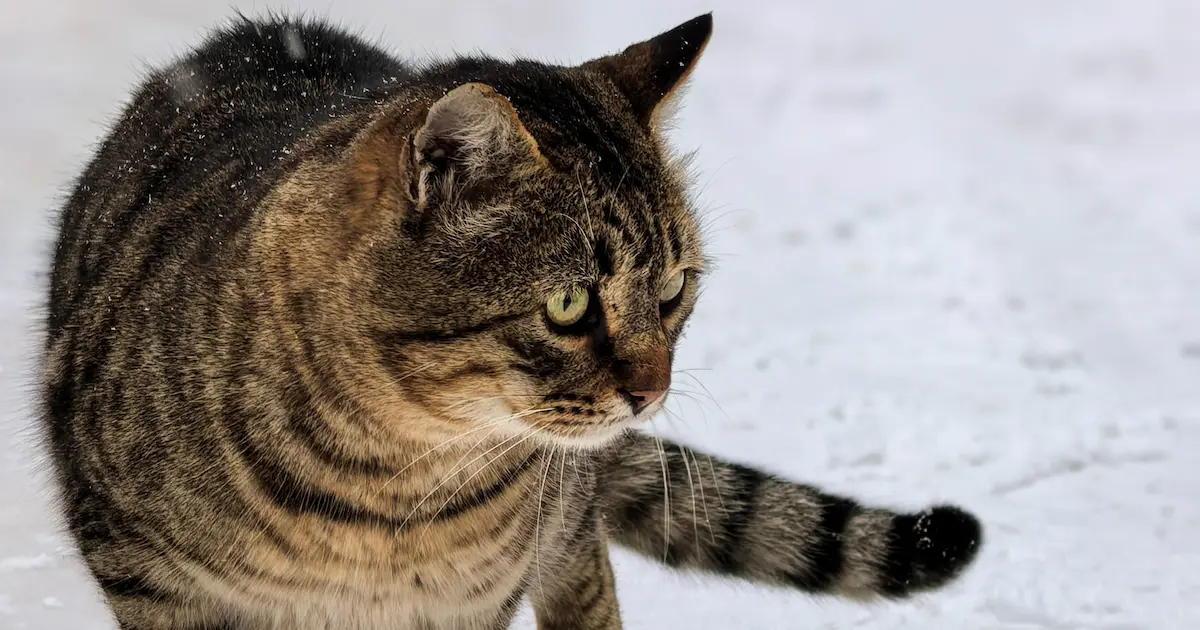
Here’s a funny thing about the European Shorthair. You could be looking at one right now and have no idea. They look so much like the regular cat curled up on half the sofas in the world that even seasoned cat people squint and go, “wait, is that a breed?”
It is. And it isn’t quite what most people assume.
The European Shorthair is one of the oldest working cats on the continent, with a bloodline that runs back to Roman mousers, yet it’s also one of the most misunderstood pedigreed breeds you’ll ever read about. So before you fall down a rabbit hole of confusing breed sites, let’s clear the whole thing up together, the friendly way.
European Shorthair Cat Breed Stats at a Glance
| Origin | Sweden (modern standard); ancestry traces to ancient Rome |
| Weight (Male) | 11 to 15+ lbs |
| Weight (Female) | 8 to 13 lbs |
| Lifespan | 15 to 20 years |
| Coat | Short, dense, glossy, very little undercoat |
| Colors | Almost all natural colors and patterns (no colorpoint, chocolate, lilac, cinnamon, or fawn) |
| Energy Level | Moderate |
| Grooming Needs | Low |
| Good With Kids | Yes |
| Good With Other Pets | Yes, with a slow intro |
| Average Price | $100 to $500 (much higher and harder to find outside Europe) |
History and Origin: From Roman Barn Cat to Swedish Pedigree
The story of this breed is older than almost any other house cat you’ll meet. When Roman legions marched across Europe, they brought working cats along to guard the grain from rats and mice. Those cats stuck around. They settled into farms, barns, ports, and kitchens, and over many centuries they quietly became the everyday cat of Europe.
So in a sense, the European Shorthair has been “the European cat” for two thousand years. The pedigree part, though, is much more recent.
For a long stretch, registries lumped three look-alike cats together: the British Shorthair, the Chartreux, and this one. That caused real headaches. Swedish breeders had a slim, natural-looking cat they wanted recognized, but it kept getting judged against the stockier British standard and losing on technicalities like eye color.
The breed was eventually registered with the Fédération Internationale Féline, and in the early 1980s it finally got its own separate standard, distinct from the British Shorthair. The goal of that standard is unusual and kind of charming: keep the cat looking like an honest, balanced, natural European house cat, with no exaggerated features at all.
Today it’s recognized by FIFe and a couple of other European bodies, and it’s beloved across Scandinavia. It’s even the national cat of Finland. What it is not, at least as a separate breed, is recognized by TICA or the CFA in North America. Hold that thought, because it matters a lot when we talk about finding one.
What a European Shorthair Actually Looks Like
If you pictured something flashy, adjust your expectations. The whole point of this cat is balance. Nothing about it screams for attention, and that’s by design.
You’re looking at a medium to large cat with a muscular, athletic body, a broad chest, sturdy legs, and round little paws. The head is gently rounded with well-developed cheeks, and the ears are medium, sometimes with cute tufts at the tips. The eyes are big, round, and open, and they can be green, amber, blue, or even two different colors.
The coat is the easy part. It’s short, dense, glossy, and close-lying, with barely any undercoat. Color-wise, almost anything natural goes: solid black, blue, red, cream, white, every flavor of tabby, tortie, and smoke. The standard does draw a line at a few things, though. You won’t see a true European Shorthair in colorpoint, sepia, mink, chocolate, lilac, cinnamon, or fawn, because those colors point to other breeds slipping into the family tree.
Kittens look like miniature versions of the adults, just rounder and clumsier. Males in particular keep filling out into their second and third year, so a lanky teenage tom can become a surprisingly solid adult.
European Shorthair vs British Shorthair vs Your Regular Moggie
This is the section the internet keeps fumbling, so let’s slow down and do it properly. Three cats get tangled together constantly, and telling them apart will save you a lot of confusion (and possibly a lot of money).
Your regular moggie (a.k.a. domestic shorthair). If you adopted a sweet shorthaired tabby from a US or UK shelter, you almost certainly have a moggie, not a European Shorthair. A moggie is simply a cat with no planned breeding behind it. In shelters and vet records it gets labeled “domestic shorthair.” It might look exactly like a European Shorthair, because the breed was literally built to resemble the common cat, but looking alike isn’t the same as being the breed. A European Shorthair has registered pedigree parents. Your shelter cutie has a mystery family tree, and that’s perfectly wonderful too.
The British Shorthair. Here’s the cat people mix it up with most. The British Shorthair was crossed with Persians along the way, which gave it that famously round, chunky, teddy-bear look with a plush, thick coat and a softer face. The European Shorthair stayed natural. So next to each other, the British looks cobby and rounded, while the European looks leaner, more athletic, and more like a cat that could still earn its keep catching mice. The European Shorthair appears rounded, not round, if that distinction helps.
The quick gut check: chunky, round-faced, plush, and bred by a registered British Shorthair breeder? That’s a British. Athletic, natural-looking, and from a registered FIFe European Shorthair line (usually European, often Scandinavian)? That’s a European Shorthair. Athletic, natural-looking, and from a shelter with no paperwork? That’s a beloved moggie, and you got a great deal.
Personality and Temperament: What Living With One Is Really Like
This is where the European Shorthair shines, and where it surprises people. Because the breed grew from ordinary working cats with all sorts of temperaments, you don’t get one rigid personality. You get a friendly, flexible, mellow cat with its own individual flavor.
Most are warm and people-oriented without being needy. They’ll follow you from room to room, supervise your cooking, and happily flop onto your lap in the evening. But they won’t fall apart if you go to work. That balance is rare and genuinely lovely.
They’re smart, too. You can teach one to come when called, do little tricks, and learn the rhythm of your day. Many keep their old hunting instincts, so a feather wand or a toy mouse can turn your calm cat into a tiny athlete for ten minutes before the dignity returns.
The honest downside? They can be shy with strangers. A houseful of loud guests isn’t really their scene. Give one a quiet window perch to retreat to and it’ll handle visitors fine, just on its own terms.
Is the European Shorthair Right for You?
Let’s be real with each other, because no breed fits everyone.
This cat is a great match if you: want a low-drama, low-maintenance companion; appreciate a healthy, hardy cat that ages gracefully; have a fairly calm home; and like the idea of a friendly cat that’s affectionate but also independent. First-time owners often do really well with one.
You might want to look elsewhere if you: are set on a cat that constantly demands attention and cuddles (a Ragdoll fits that better); throw frequent loud parties (the shyness will show); or live outside Europe and aren’t prepared for how hard finding a genuine one will be.
The good news is that this is one of the most adaptable cats around. Apartment or house, kids or no kids, one cat or a small zoo, the European Shorthair tends to settle in and just get on with life.
European Shorthair Health Issues to Know About
If you want a sturdy cat, you found one. Because the breed developed naturally instead of through heavy selective breeding, it dodged a lot of the inherited problems that plague more “designed” breeds. There’s no long list of breed-specific diseases here, and that’s a real gift.
That said, “robust” doesn’t mean invincible. Here’s what to actually keep an eye on.
Obesity
This is the big one, and it’s almost entirely on us as owners. An easygoing indoor cat that loves food and naps can quietly pack on pounds, and extra weight opens the door to diabetes, arthritis, and heart strain. Measure meals, skip the constant free-feeding, and keep treats to a small fraction of daily calories. Your future self (and your vet bill) will thank you.
Pyruvate Kinase (PK) Deficiency
This is an inherited condition that can cause anemia because red blood cells break down too early. It’s not common, but a responsible breeder can screen for it with a simple genetic test. If you’re buying a kitten, ask whether the parents were tested. A good breeder won’t be offended by the question.
Dental Disease
Like nearly every cat, the European Shorthair can build up plaque and tartar and develop gum trouble over the years. Start a dental routine early. Tooth brushing at home plus regular vet checks goes a long way toward avoiding painful (and pricey) dental work later.
Grooming and Care
If you’ve ever sighed at a long-haired cat’s grooming demands, relax. The European Shorthair is about as easy as it gets.
That short, dense coat mostly takes care of itself, and these cats are excellent self-groomers. A quick brush once a week keeps shedding tidy and your furniture cleaner, and during the two heavier seasonal sheds you might bump that up a little. That’s basically it for the coat.
The bits they can’t do alone are the usual suspects: trim their claws every few weeks, peek in their ears, and keep that dental routine going. Since indoor life means they’re not wearing claws down on the great outdoors, nail trims matter more than people expect.
Feeding and Diet
There’s no exotic, breed-specific diet here, which keeps things simple. Cats are carnivores, so your European Shorthair wants a meat-forward, protein-rich food with named proteins like chicken, turkey, or fish near the top of the label.
Pick a complete and balanced food that meets AAFCO nutritional standards, and you’ve covered the basics. Many owners do a mix of wet and dry: wet food helps with hydration (great for kidneys and skin), while a bit of dry can be convenient and helps some cats with crunch.
The real watch-point, again, is portions. This breed’s calm nature plus a healthy appetite is a recipe for sneaky weight gain. Feed to your cat’s ideal weight, not its enthusiasm.
Exercise and Enrichment
Don’t let the laid-back reputation fool you. There’s a hunter under that mellow exterior, and a bored European Shorthair is a chunky, mischievous European Shorthair.
Ten to fifteen minutes of active play, once or twice a day, keeps them happy and trim. Wand toys, toy mice, and a classic laser pointer all tap into that prey drive. Picture this: you flick a feather toy across the floor and your dignified cat suddenly forgets it’s an adult and pounces like a kitten. That’s the goal.
Vertical space helps a ton, too. A cat tree, a window perch, or a tall shelf gives them somewhere to climb, watch birds, and feel like the boss of the room. Indoor life suits them well, especially since it protects that long lifespan.
Living With Kids, Dogs, and Other Cats
This is one of the breed’s quiet superpowers. The European Shorthair generally rolls with a busy family better than most.
With kids, they’re patient and friendly, especially when children are taught to be gentle and to respect the cat’s “leave me alone” signals. With dogs and other cats, they usually do great, as long as you handle introductions slowly rather than tossing everyone in a room and hoping.
One small heads-up: many of these cats like to feel they’re top of the social order. So with other pets, a calm, gradual intro where the European Shorthair doesn’t feel challenged tends to lead to lasting friendships. Give it a week or two of scent-swapping and supervised meetings, and you’ll usually end up with a peaceful household.
Lifespan and Aging Tips
Here’s a number to smile about: 15 to 20 years. That’s well above the average cat, and it’s a direct payoff of the breed’s natural, healthy genetics. Plenty of these cats stay spry well into their teens.
To get the most of those years, the playbook is gentle and consistent. Keep them at a healthy weight (noticing a theme?), stay on top of dental care, and shift to senior-appropriate food and more frequent vet visits as they age. Older cats can develop the usual feline issues like kidney changes or arthritis, so annual checkups quietly catch problems early.
As they slow down, make life easy: lower-sided litter boxes, a warm spot to sleep, and stairs or a stool to reach their favorite perch. Small kindnesses, big difference.
How Much Does a European Shorthair Cost?
In Europe, where the breed is established, a pedigreed kitten from a registered breeder tends to land somewhere in the rough range of $100 to $500, depending on lineage, location, and whether it’s pet or show quality. That’s reasonable as pedigreed cats go.
Outside Europe, though, the math changes fast. The breed is genuinely rare in places like the US, so a true registered European Shorthair can be much more expensive and much harder to track down, if you find one at all.
Don’t forget the ongoing costs either. Across a 15 to 20 year life, food, litter, routine vet care, dental work, and the occasional emergency add up. Pet insurance taken out while your cat is young can soften the surprise bills later.
Where to Find a European Shorthair Ethically
Time for the honest talk, especially if you’re reading this in North America.
If you’re in Scandinavia or parts of Europe, look for a breeder registered with FIFe (or a recognized national club), visit in person, meet the parent cats, and ask about health screening including PK deficiency. A trustworthy breeder welcomes questions, lets the kittens stay with mom until they’re properly weaned and socialized, and provides vaccination records.
If you’re in the US, here’s the reality: anyone advertising a cheap “European Shorthair kitten” should make you cautious. Because the breed isn’t recognized as separate by TICA or the CFA here and is so rare, that listing is often just a domestic shorthair with a fancy name slapped on for a higher price.
And honestly? That’s not the tragedy it sounds like. A shelter domestic shorthair gives you the same look, the same hardy genetics, and the same loving temperament, often for an adoption fee instead of a breeder price, while giving a cat in need a home. If your heart is set on the type rather than the paperwork, your local rescue is full of cats that fit the bill.
Red flags to walk away from: no health testing, won’t let you see the parents or the living space, pushes kittens out before eight weeks, or has multiple “rare” breeds always in stock.
Similar Breeds to Consider
- British Shorthair: Want the round, plush, teddy-bear version with a calmer, couch-potato vibe? This is it.
- American Shorthair: Another sturdy natural breed, easier to find in the US, with a similar easygoing personality.
- Domestic Shorthair (your local moggie): Same look, same hardiness, available at every shelter, and arguably the most ethical choice of all.
- Chartreux: If you love the muscular, mellow, quiet type and don’t mind that signature blue-grey coat.
- Russian Blue: For a reserved, gentle, low-shedding cat that’s also a bit shy with strangers.
Common Myths and Misconceptions
Let’s bust a few things that get repeated everywhere.
Myth: “Every shorthaired house cat is a European Shorthair.” Nope. The breed is a specific pedigreed line, mostly European. Your unregistered tabby is a domestic shorthair, no matter how identical it looks.
Myth: “European and British Shorthairs are the same cat.” They were once judged together, which is where this came from, but they’ve had separate standards for decades. The European is leaner and natural; the British is round and Persian-influenced.
Myth: “They’re hypoallergenic because they’re ‘natural.'” Sadly, no. No cat is truly hypoallergenic. They produce the Fel d 1 protein like every other cat, so allergy sufferers should spend time around one before committing.
Myth: “They need almost no attention.” They’re independent, yes, but they still want play, company, and enrichment. Independent is not the same as neglectable.
European Shorthair FAQ
Q: Is a European Shorthair the same as a domestic shorthair?
No. A European Shorthair is a pedigreed breed with registered parents, mostly found in Europe. A domestic shorthair is any shorthaired cat without planned breeding. They can look identical, but only one has documented breed lineage.
Q: Are European Shorthair cats rare?
In Europe they’re common and very popular, especially in Scandinavia, where they’re the national cat of Finland. Outside Europe, including the US, genuine registered European Shorthairs are quite rare and hard to find.
Q: How much does a European Shorthair cost?
From a registered European breeder, expect roughly $100 to $500 depending on lineage and location. Outside Europe the price climbs significantly because the breed is scarce, and many cheap “European Shorthair” listings are actually domestic shorthairs.
Q: What’s the difference between a European Shorthair and a British Shorthair?
The British Shorthair was bred with Persian influence, giving it a round face, chunky body, and plush coat. The European Shorthair stayed natural, so it’s leaner and more athletic. They’ve had separate breed standards since the early 1980s.
Q: How long do European Shorthair cats live?
They’re one of the longer-lived cat breeds, typically 15 to 20 years. Their natural genetics give them excellent baseline health, and good weight management and dental care help them reach the top of that range.
Q: Are European Shorthair cats hypoallergenic?
No. Like all cats, they produce the Fel d 1 allergen found in saliva, skin, and dander. If you have allergies, spend time with the breed first before bringing one home.
Q: Do European Shorthairs shed a lot?
They shed a moderate amount, with two heavier seasonal sheds a year. Their short coat is low maintenance, so a weekly brush usually keeps loose hair under control without much effort.
Q: Do European Shorthairs make good pets?
Yes, they’re excellent pets for most homes. They’re friendly, smart, adaptable, healthy, and easy to groom. They suit first-time owners and families well, though they can be a little shy around strangers.
Final Verdict: Should You Get a European Shorthair?
If you want a cat that’s healthy, hardy, friendly, easy to care for, and likely to be by your side for the better part of two decades, the European Shorthair is hard to beat. It’s the rare breed that’s affectionate without being clingy and playful without being chaotic.
The catch is finding a real one, especially outside Europe. So here’s the kindest, most honest advice in this whole guide: if you love the look and personality of the European Shorthair but can’t track down a genuine breeder, your local shelter is overflowing with domestic shorthairs who are the same cat in everything but paperwork. Same sturdy health, same loving nature, just waiting for a couch.
Either way, you’re choosing a wonderful companion. And that easygoing European Shorthair charm? You really can’t go wrong with it.

Hello and welcome to The Ideal Cat!
We are some passionate cat owners from different professions. We love our cats and have a lot of experience in how to care for our pets. We are incredibly excited to share our knowledge, experience, and research with you. So you can take good care of your loving cat. We will answer most of the common questions about owning cats, taking care of them, etc. If you have any question contact with us. Thanks for visiting! Enjoy the content.
)