
You’re apartment hunting with a cat, or thinking of adopting one while renting, and the big question looms: will landlords even let you? Nobody wants to fall in love with a place, or a kitten, only to hit a “no pets” wall.
The good news is cats are one of the easier pets to rent with. Here’s what to expect and how to line it up.
- Many apartments allow cats, often more readily than dogs, because cats are quiet and cause little disturbance.
- Policies vary: expect possible pet deposits, monthly pet rent, or a limit on how many cats.
- Always confirm the written pet policy and get approval in writing before signing a lease.
- Emotional support animals may be exempt from some pet rules under housing laws, with documentation.
- Being a responsible cat tenant, no damage, no odor, no noise, keeps you and future renters welcome.
Do apartments allow cats?
Many apartments do allow cats, and cats are frequently easier to get approved than dogs. Because cats are quiet, stay indoors, don’t need yard access, and rarely disturb neighbors, plenty of landlords who hesitate on dogs will say yes to a cat. Still, “pet-friendly” isn’t universal, policies differ from building to building, so you always need to check the specific rules.
Why are cats often easier to rent with than dogs?
Cats tick the boxes landlords care about. They’re low-noise (no barking to bother neighbors), they don’t need to be walked through shared hallways, and they’re small and self-contained. As we cover in are cats quieter than dogs, a cat’s quietness is a genuine selling point to a landlord worried about complaints. Many “no dogs” buildings still permit cats for exactly these reasons.
What restrictions might apply to cats?
Even cat-friendly buildings usually attach some conditions. Knowing them upfront avoids surprises.
| Common condition | What it means |
|---|---|
| Pet deposit | A one-time (sometimes refundable) fee for pet-related wear |
| Monthly pet rent | An added charge per month, often per pet |
| Cat limit | A cap on the number of cats (often one or two) |
| Spay/neuter or vaccine proof | Some require records |
| Declaw clauses | Rare and controversial; some old leases mention it |
What about emotional support cats?
Emotional support animals (ESAs) are treated differently from ordinary pets under many housing rules. In some regions, a landlord must make reasonable accommodation for an ESA even in a “no pets” building, and may not charge pet fees, with proper documentation from a licensed professional. Rules vary by country and locality and can change, so verify the current law where you live and get everything in writing.
How do you find and secure a cat-friendly apartment?
A little diligence protects you and your cat:
- Filter for “cat-friendly” on rental sites, then confirm directly.
- Read the pet clause in the lease, deposits, rent, limits, and any breed or size rules.
- Get approval in writing, a verbal “sure” won’t protect you later.
- Offer a “pet resume”, vet records, spay/neuter proof, and references, to reassure landlords.
- Ask about renters insurance that covers pets.
How can you be a good cat tenant?
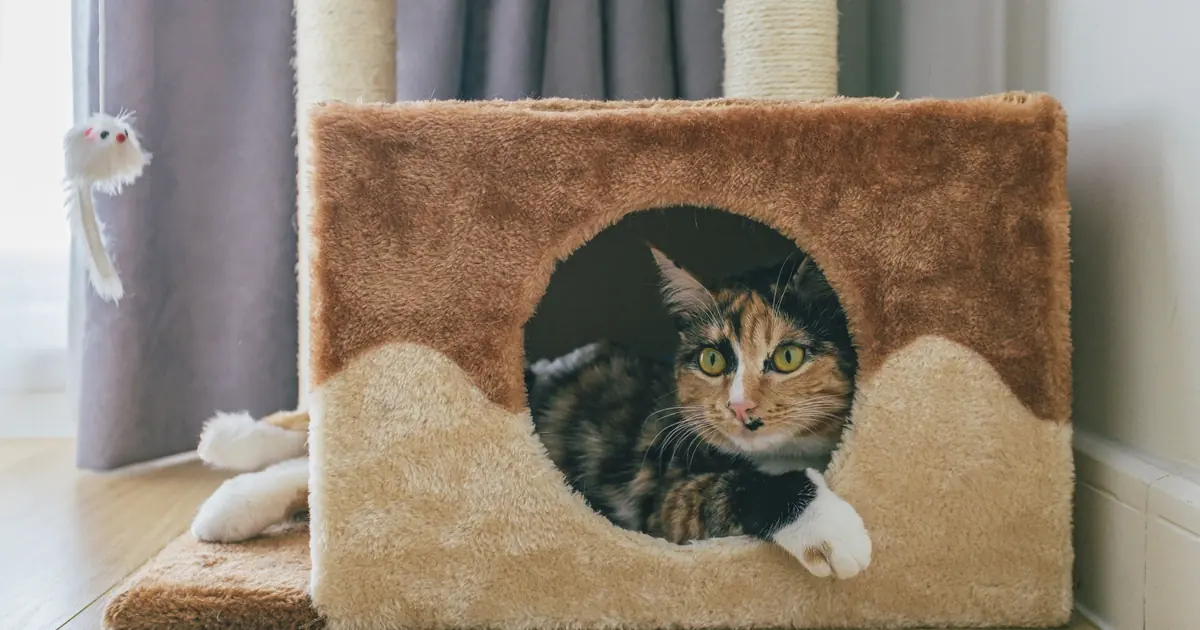
Keeping your rental damage-free helps you now and keeps landlords open to cats in future. Provide scratching posts to protect walls and furniture, keep the litter box clean to avoid odor, give your cat enough exercise and enrichment so it doesn’t get destructive, and clean cat gear regularly, our guide on cleaning a cat tree helps.
This article is educational and not legal advice; tenancy and ESA laws vary by location, so confirm your local rules. The ASPCA’s guidance on renting with pets and the Humane Society offer helpful, up-to-date resources.
Frequently Asked Questions
Q: Are cats allowed in most apartments?
Many apartments allow cats, often more readily than dogs, because cats are quiet and low-impact. But it varies by building, so always confirm the specific written pet policy before you rely on it.
Q: Do landlords prefer cats over dogs?
Often, yes. Cats don’t bark, stay indoors, don’t need hallway walks, and rarely disturb neighbors, so many landlords who won’t allow dogs will permit cats.
Q: Do apartments charge extra for cats?
Frequently. Expect a possible pet deposit, monthly pet rent, or both, and sometimes a limit on the number of cats. Check the lease’s pet clause for exact fees and conditions.
Q: Can a landlord say no to an emotional support cat?
In many places, housing rules require reasonable accommodation for a documented emotional support animal, even in “no pets” buildings, sometimes without pet fees. Laws vary by location, so verify your local rules and keep documentation.
Q: How do I get approved to have a cat in a rental?
Confirm the pet policy, get approval in writing, and offer a “pet resume” with vet and spay/neuter records and references. Being upfront and organized reassures landlords and protects you legally.
Q: Is it hard to keep a cat in an apartment?
Not usually, cats adapt well to indoor apartment life. Provide scratching posts, a clean litter box, vertical space, and enough play, and a cat can be a happy, low-impact apartment companion.

Hello and welcome to The Ideal Cat!
We are some passionate cat owners from different professions. We love our cats and have a lot of experience in how to care for our pets. We are incredibly excited to share our knowledge, experience, and research with you. So you can take good care of your loving cat. We will answer most of the common questions about owning cats, taking care of them, etc. If you have any question contact with us. Thanks for visiting! Enjoy the content.
