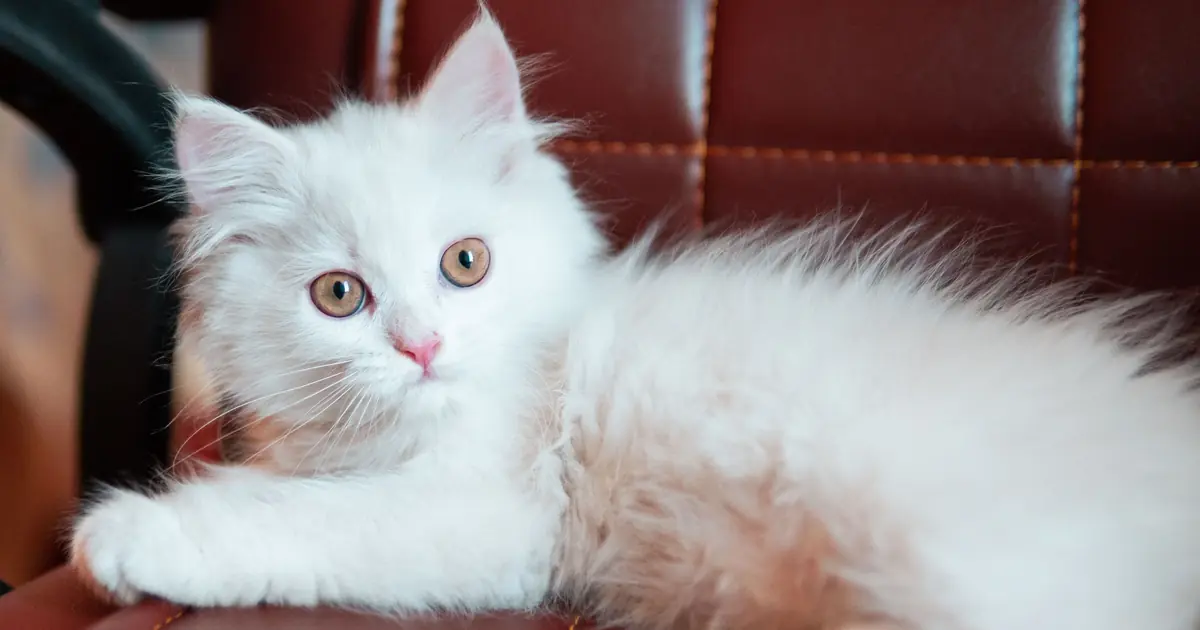
Persians are gorgeous, calm, and famously fluffy, so it’s natural to hope that plush coat somehow makes them gentle on allergies. Sadly, that fluffy coat works against you here.
Let’s clear up whether a Persian can work for an allergic household, and what actually helps if you’re set on the breed.
- Persian cats are not hypoallergenic and are among the harder breeds for allergy sufferers.
- The allergen Fel d 1 comes from saliva and skin; Persians produce it like every cat.
- Their long, thick double coat sheds a lot, spreading more allergen-carrying dander around the home.
- No cat breed is truly hypoallergenic, though some shed less and feel “easier” for certain people.
- Daily brushing, cleaning, and air filtration reduce allergens if you choose a Persian, but won’t eliminate them.
Is a Persian cat hypoallergenic?
A Persian cat is not hypoallergenic. In fact, of all the popular breeds, Persians are among the least allergy-friendly. They produce the main cat allergen (Fel d 1) like any cat, and their long, dense coat means more shed hair and dander distributed throughout your living space. If low-allergen is your goal, the Persian sits at the wrong end of the scale.
Why do people think fluffy cats are hypoallergenic?
It’s a common myth that fur equals allergen, so people assume more fur must mean more allergy, or sometimes the reverse, that a “clean-looking” plush coat is safer. Neither is accurate. The trigger is a protein, not the hair itself. Still, a heavy-shedding coat does spread the allergen more, because Fel d 1 clings to shed hair and dander that then coats your furniture, clothes, and air. As PetMD explains, no cat is truly hypoallergenic, and coat length affects how far the allergen travels.
Why are Persians harder on allergies?
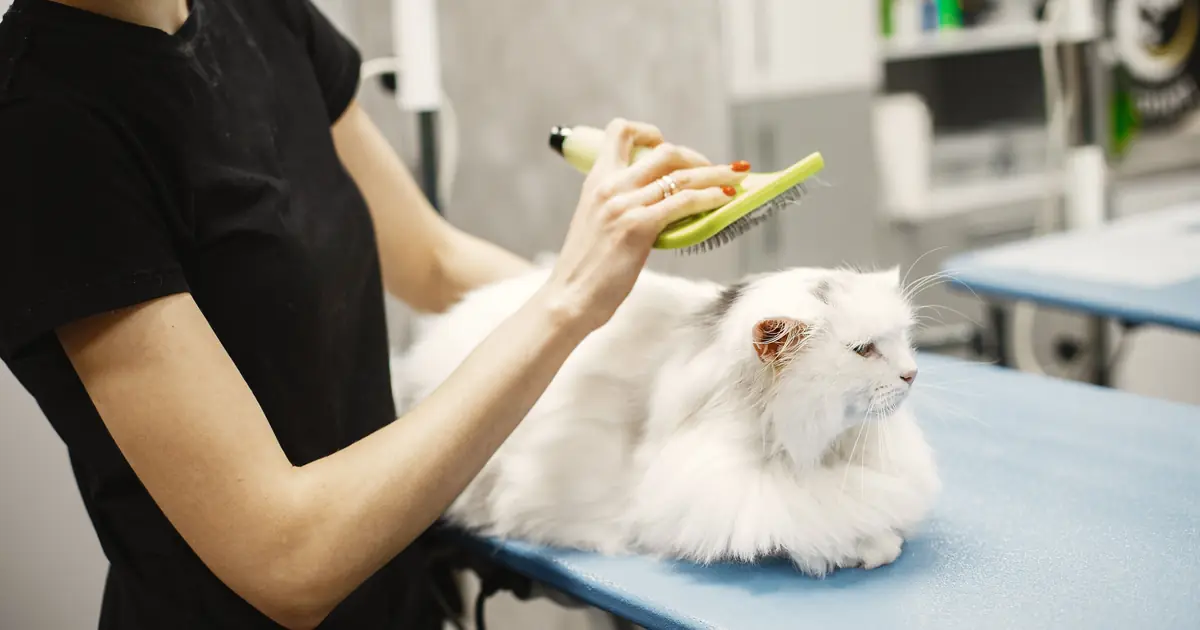
The Persian’s coat is the problem. Their long, thick double coat sheds constantly and requires daily grooming, and all that loose, allergen-coated hair becomes airborne and settles everywhere. Compared with a sleek, low-shedding breed, a Persian simply moves more allergen around your home. You can see just how much they drop in our guide on whether Persian cats shed.
How do Persians compare to low-allergen breeds?
Persians rank near the bottom for allergy-friendliness, though remember no breed is truly safe. Here’s a realistic ranking.
| Breed | Allergy-friendliness |
|---|---|
| Persian | Low, heavy double coat, lots of dander spread |
| Maine Coon | Low to moderate, long coat, heavy shedder |
| Siamese / Balinese | Moderate, finer coat, may shed less |
| Siberian | Sometimes lower Fel d 1 in individuals |
For the fuller list, see which cat breeds are hypoallergenic, and note that even the “better” options, like the Siamese, still produce the allergen.
How can you reduce allergens if you get a Persian?
If you love the breed and your allergies are mild, you can lower (not erase) your exposure:
- Brush daily: removes loose, allergen-coated hair before it spreads, and prevents mats.
- Use HEPA air purifiers in the rooms you use most.
- Keep the cat out of the bedroom so you get allergen-free sleep.
- Vacuum and wash fabrics often to remove settled dander.
- Wash your hands after petting and consider wiping the cat down between baths.
Our Persian cat guide covers the daily grooming these cats need anyway, which doubles as allergen control.
Should allergy sufferers get a Persian?
If you have anything beyond mild allergies, a Persian is a risky choice, and it’s worth reconsidering. Spend real time around Persians first to test your reaction, and talk to an allergist before committing, since cat allergies can worsen with constant exposure. This article is educational and not medical advice. The ASPCA notes consistent grooming and cleaning help control household allergens, and a doctor can advise on managing symptoms safely.
Frequently Asked Questions
Q: Are Persian cats good for allergy sufferers?
Generally no. Persians are among the least allergy-friendly breeds because they produce Fel d 1 and shed a heavy, long coat that spreads a lot of dander. Allergy sufferers usually do better with lower-shedding breeds.
Q: Do Persian cats produce more allergens than other cats?
They don’t necessarily make more Fel d 1, but their dense, heavy-shedding coat distributes more allergen-carrying hair and dander around the home, which can make symptoms worse in practice.
Q: Does grooming a Persian reduce allergies?
Daily brushing removes loose, allergen-coated hair before it spreads and helps reduce airborne dander. It lowers exposure but doesn’t make a Persian hypoallergenic.
Q: What cat is best if I’m allergic but want a fluffy cat?
Truly hypoallergenic fluffy cats don’t exist. Some people tolerate the Siberian better despite its long coat, but you’d need to test your own reaction. No long-haired breed is a safe bet for significant allergies.
Q: Can I build up a tolerance to my Persian cat?
Some people’s symptoms ease over time, but others worsen with ongoing exposure. Don’t count on tolerance. Test your reaction first and consult an allergist rather than assuming you’ll adjust.
Q: Is any long-haired cat hypoallergenic?
No long-haired breed is truly hypoallergenic. Long coats generally spread more dander. If allergies are a concern, sleeker, lower-shedding cats are usually the more manageable choice.

Hello and welcome to The Ideal Cat!
We are some passionate cat owners from different professions. We love our cats and have a lot of experience in how to care for our pets. We are incredibly excited to share our knowledge, experience, and research with you. So you can take good care of your loving cat. We will answer most of the common questions about owning cats, taking care of them, etc. If you have any question contact with us. Thanks for visiting! Enjoy the content.
