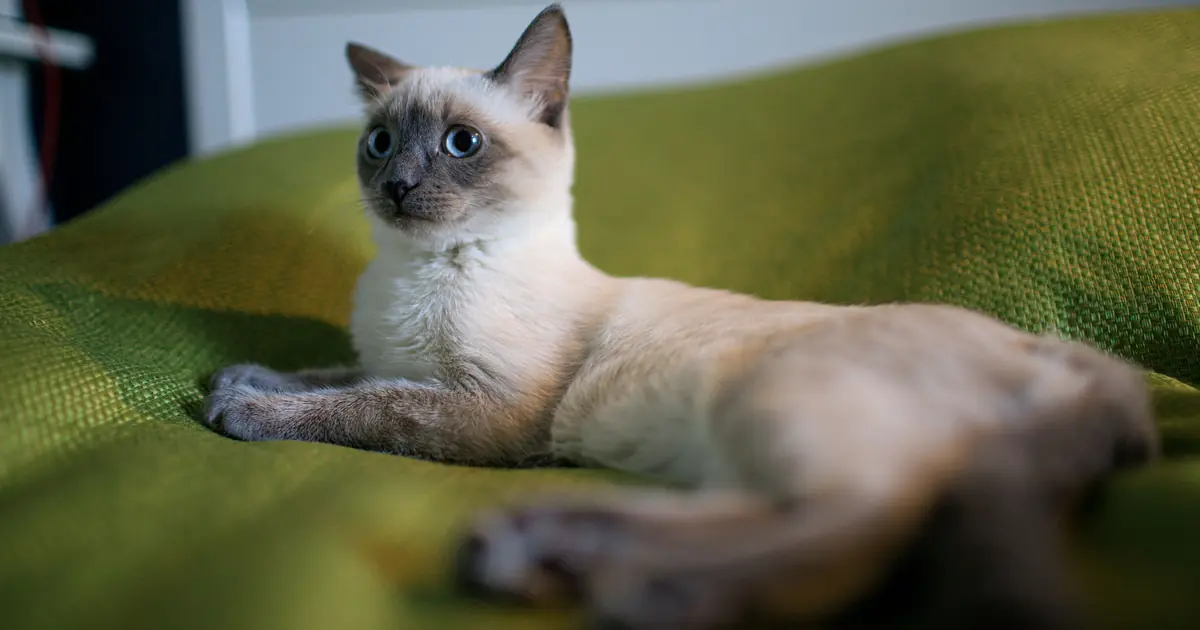
You’ve fallen for those blue eyes and that loud, chatty personality. Now you’re sitting there wondering if your nose and your new favorite breed can actually coexist. If you’ve ever sneezed your way through a friend’s living room and then immediately started googling “are Siamese cats hypoallergenic” from the couch, you’re not alone.
Here’s the honest answer: Siamese cats are not hypoallergenic in the scientific sense. Nothing with fur and skin truly is. But among the cat world’s options, Siamese cats sit in a slightly better spot for people with mild allergies, and that difference comes down to biology, not magic. Let’s get into what actually causes cat allergies, why Siamese cats sometimes get an easier pass, and what you can realistically do about it.
- No cat breed, including the Siamese, is truly hypoallergenic. Every cat produces some amount of the Fel d 1 protein.
- Fel d 1 comes mostly from a cat’s saliva and skin glands, not the fur itself, and it triggers roughly 90 to 95 percent of cat allergy cases.
- Siamese cats have a short, fine, single coat with no thick undercoat, so they shed less and scatter less loose hair and dander around a home.
- Allergic reactions vary a lot from person to person, and Siamese cats are not considered safe for people with severe cat allergies.
- Regular grooming, weekly bathing, HEPA air purifiers, and frequent hand washing can meaningfully cut down allergen levels at home.
Are Siamese Cats Hypoallergenic?
No. Siamese cats are not hypoallergenic, and no breed carries that title, no matter what a breeder’s website claims. Every cat produces Fel d 1, the protein responsible for most human cat allergies, so a completely allergen-free cat doesn’t exist.
What Siamese cats do have going for them is a lighter shedding pattern. Less shed fur means less allergen gets tracked onto your couch, your clothes, and your car seats. Some allergy sufferers genuinely tolerate a Siamese better than a heavy-shedding breed like a Ragdoll. Others react just as badly. It’s worth being honest with yourself about that gamble before you fall in love with one.
What Actually Causes Cat Allergies?
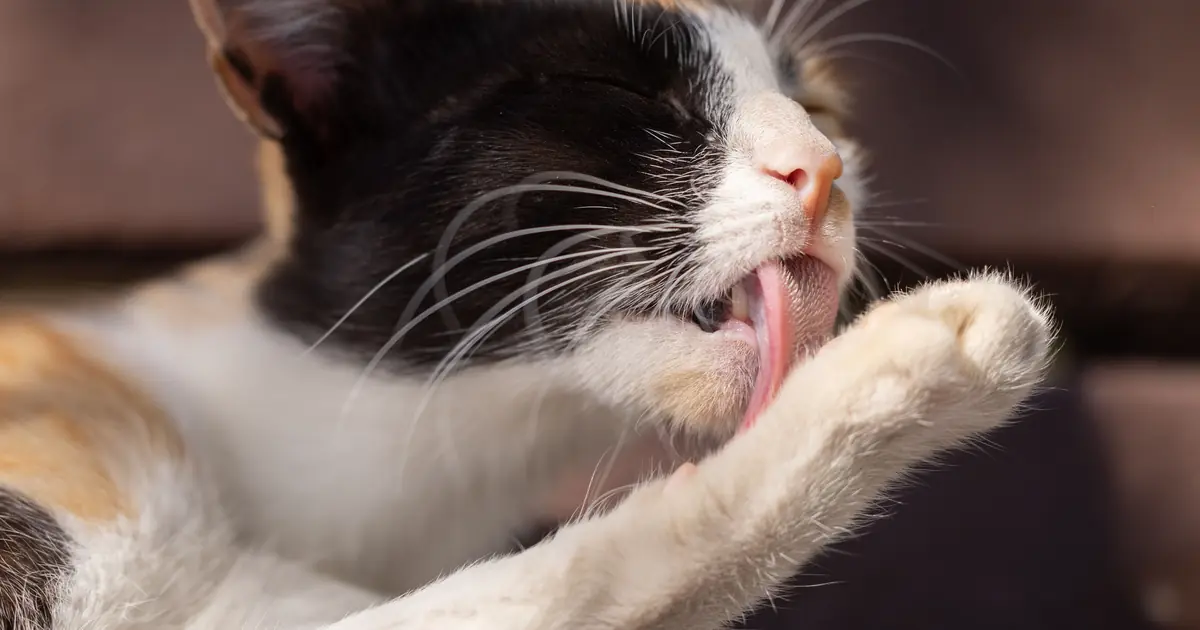
Cat allergies come from a protein called Fel d 1, not from the fur itself. This protein is made in a cat’s saliva and in the sebaceous glands of their skin, and it’s the trigger behind an estimated 90 to 95 percent of cat allergy cases in people.
Here’s how it spreads: a cat grooms itself constantly, coating its fur with saliva. That saliva dries into microscopic particles, some small enough to float in the air for days. They land on furniture, bedding, and clothing, and Fel d 1 is stubborn stuff, sticking around a home for months after the cat that made it is gone.
This is the part a lot of people get backwards. Coat length or thickness isn’t really what makes a cat allergenic. A hairless Sphynx still produces Fel d 1 on its bare skin. What matters is how much protein an individual cat makes, and how much ends up airborne in your space. The Cornell Feline Health Center notes allergen levels can vary even between cats of the same breed.
Why Do Siamese Cats Seem Easier on Allergies?
Siamese cats seem easier on allergies mainly because of how little they shed, not because they make less Fel d 1. Their coat is short, fine, and sits close to the body with no fluffy undercoat, a very different setup from a double-coated breed that blows out fur twice a year.
Less loose hair means less surface area for dried saliva and dander to hitch a ride on and drift through your home. Some Siamese owners with mild allergies report they do fine, while a longhaired, heavy-shedding cat left them reaching for tissues within minutes.
That’s an individual experience, though, not a guarantee. A Siamese cat with naturally high Fel d 1 output can still trigger a strong reaction, coat or no coat. If you’re weighing breeds specifically for allergy reasons, it helps to look at the full list of cat breeds considered more allergy-friendly before deciding.
Do All Cats React the Same Way for Allergy Sufferers?
No, allergic reactions to cats vary quite a bit from person to person, and even from cat to cat within the same breed. Fel d 1 production is influenced by a cat’s individual biology, hormones, and even sex, with unneutered male cats generally producing more of the protein than spayed females.
So two Siamese cats from the same litter can affect an allergic person completely differently. One might barely register. The other might set off sneezing, itchy eyes, or a stuffy nose within an hour. This is exactly why meeting a specific cat before bringing them home matters so much, especially if you already know your allergies run on the sensitive side.
A quick safety note: if you have a severe cat allergy, including a history of asthma flare-ups around cats, don’t count on any breed, Siamese included, to be a safe bet. Talk to a board-certified allergist before adopting, and consider an in-person trial visit first. The American College of Allergy, Asthma and Immunology can help you find testing and guidance in your area.
How Can You Reduce Cat Allergens If You Choose a Siamese?
You can meaningfully lower the allergen load in your home with a few consistent habits, even though you can’t eliminate Fel d 1 completely. None of these turn a Siamese into a truly hypoallergenic cat, but together they add up.
- Groom weekly. Brushing removes loose fur and dander before it scatters around the house.
- Bathe occasionally. A cat-safe bath every few weeks rinses away surface allergens without drying out the skin.
- Run a HEPA air purifier. True HEPA filters trap the tiny airborne particles Fel d 1 rides on, especially in the bedroom.
- Vacuum and dust often. A HEPA-filter vacuum picks up settled allergens instead of stirring them back into the air.
- Wash your hands and avoid face-touching. Wash up after handling your cat, especially before touching your eyes.
- Keep the bedroom cat-free. One allergen-lower room to sleep in makes a real difference overnight.
- Ask your vet about diet. Some cat foods aim to bind Fel d 1 in saliva and reduce airborne spread.
International Cat Care has more practical advice on living well with cats if you want a deeper dive into home management.
Siamese vs. Other Popular Breeds: How Do They Compare on Allergies?
Comparing coat type and shedding across breeds can help you see where the Siamese lands relative to other popular choices for allergy-conscious households.
| Breed | Coat Type | Shedding Level | Allergy-Friendliness |
|---|---|---|---|
| Siamese | Short, fine, single coat | Low | Often better tolerated, not guaranteed |
| Ragdoll | Semi-long, plush | Moderate to high | Sometimes labeled hypoallergenic, but not consistently lower in Fel d 1 |
| Balinese | Long, single coat | Low to moderate | Often marketed as a “longhaired Siamese” alternative for allergy sufferers |
| Sphynx | Hairless | Very low (skin oils instead) | Still produces Fel d 1 on skin, requires frequent bathing |
| Persian | Long, dense double coat | High | Generally harder for allergy sufferers |
Curious what makes Siamese cats tick beyond the allergy question? Our full Siamese cat breed guide covers their personality, history, and care needs in detail. And if one joins your household, our guide to feeding a Siamese cat walks through what actually keeps them healthy.
Should You Get a Siamese Cat If You Have Allergies?
A Siamese cat can be a reasonable choice for people with mild cat allergies, but it’s not a safe bet for anyone with a severe allergy or asthma triggered by cats. Their low shedding helps keep allergen spread down, and that’s a real, practical advantage over heavier-shedding breeds.
My honest take: if your allergies are mild, a sneeze here, an itchy eye there, a Siamese is worth trying. If you’ve ever needed an inhaler after fifteen minutes in a cat-owning friend’s house, don’t gamble on breed alone. Spend real time with a specific Siamese cat before you commit, ideally a few visits over a couple of weeks, and see how your body actually responds. Your sinuses will tell you the truth faster than any breed description will.
Frequently Asked Questions
Q: Are Siamese cats good for people with allergies?
Siamese cats can work well for people with mild cat allergies since they shed less than many breeds, spreading less dander around a home. They’re not a safe choice for people with severe allergies or asthma, since they still produce Fel d 1.
Q: What cat breed is closest to truly hypoallergenic?
No cat breed is truly hypoallergenic, but Balinese, Siberian, and Devon Rex cats are often mentioned as producing somewhat lower levels of Fel d 1 in some individuals. Reactions still vary from person to person and cat to cat.
Q: Does a Siamese cat’s short coat mean it produces less Fel d 1?
No. A short coat mainly means less shed fur to carry dander around the house, not less Fel d 1 production. Fel d 1 comes from saliva and skin glands, so coat length doesn’t directly control how much a cat makes.
Q: Can you build up a tolerance to a Siamese cat over time?
Some people do become less reactive with steady, low-level exposure, but this isn’t reliable or guaranteed for everyone. Anyone with a serious allergy should talk to an allergist rather than testing tolerance on their own.
Q: Do male or female Siamese cats cause fewer allergies?
Unneutered male cats generally produce more Fel d 1 than females, and neutering tends to lower that output. A neutered male or a female Siamese may trigger a milder reaction than an intact male, though individual variation still applies.
Q: Are Siamese kittens less allergenic than adult Siamese cats?
Kittens typically produce less Fel d 1 than adult cats, since allergen production tends to ramp up with sexual maturity. This means a Siamese kitten’s allergy impact may change, usually increasing, as they grow into adulthood.
Q: What’s the difference between a Siamese and a Balinese for allergies?
A Balinese is essentially a longhaired Siamese, sharing the same single-coat structure without a thick undercoat. Both breeds are often mentioned in allergy-friendly conversations, though neither is scientifically proven to produce meaningfully less Fel d 1.
Q: Will an air purifier really help with Siamese cat allergies?
Yes, a true HEPA air purifier can capture a meaningful share of the airborne Fel d 1 particles that trigger reactions, since many of these particles are small enough to stay suspended in the air for days. Combined with regular grooming and cleaning, it can noticeably cut down symptoms for people with mild sensitivities.

Hello and welcome to The Ideal Cat!
We are some passionate cat owners from different professions. We love our cats and have a lot of experience in how to care for our pets. We are incredibly excited to share our knowledge, experience, and research with you. So you can take good care of your loving cat. We will answer most of the common questions about owning cats, taking care of them, etc. If you have any question contact with us. Thanks for visiting! Enjoy the content.
