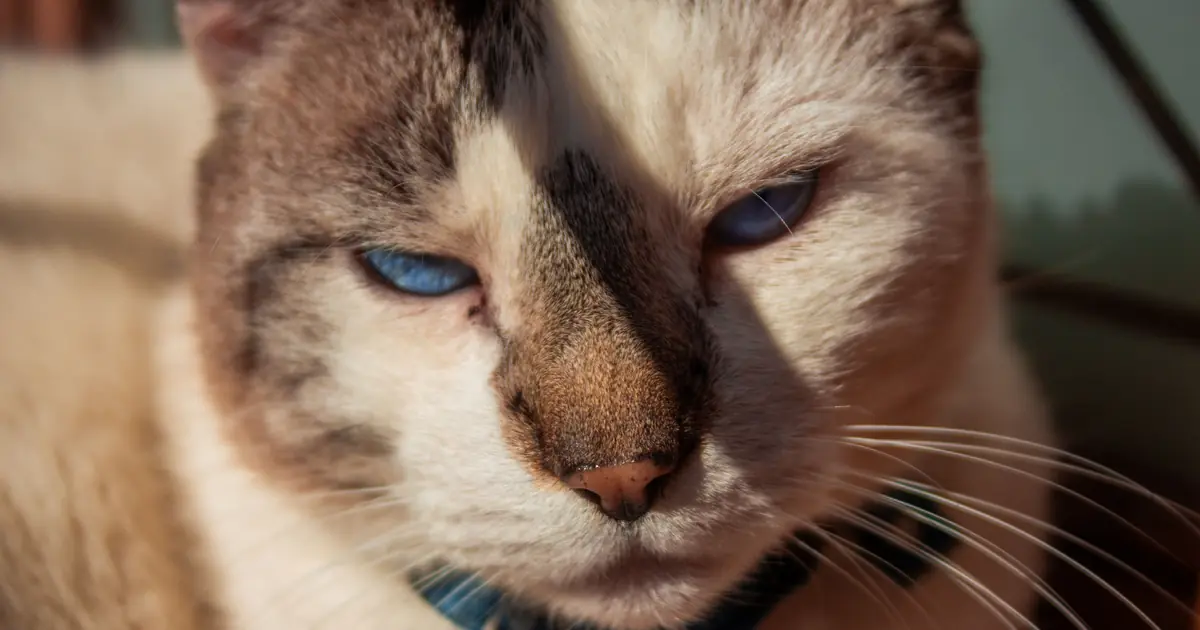
Picture a cat that looks like a tiny werewolf. Or a snow-white cat with one blue eye and one gold. Or a curly-coated kitten that showed up out of nowhere on an Oregon farm. These cats exist, and most people will never meet one in person.
The cat world is full of familiar faces: tabbies, tuxedos, orange lap warmers. But tucked away in the corners are breeds so rare that spotting one is a genuine event. Some come from remote islands. Some are barely a few decades old. A few are so unusual you’d swear they were made up.
Here’s a warm, curious tour of the rarest and most unusual cat breeds out there, what makes each one special, and what they’re actually like to live with.
- A cat breed is considered rare when few cats are registered each year, the breed is very new, or it comes from an isolated region.
- The Sokoke, a marbled forest cat from Kenya, is frequently named the single rarest domestic cat breed in the world.
- The Lykoi, or “werewolf cat,” gets its patchy, hairless look from a natural genetic mutation, not from wild ancestry.
- Many rare breeds like the Khao Manee and Turkish Van are ancient, while others like the Minskin and Serengeti were created in the last few decades.
- Rare breeds are hard to adopt and pricey, but shelters are full of one-of-a-kind mixed cats with just as much personality.
What makes a cat breed rare?
A cat breed is rare when only a small number of cats are registered with cat associations each year, and there are a few reasons that happens. Some breeds are brand new and still building their numbers. Some come from a small, isolated place and were never mass-bred. Others carry an unusual trait, like a natural bobtail or a curly coat, that takes careful breeding to keep going.
Rarity isn’t the same as “expensive designer cat,” either. A breed can be rare simply because it’s obscure, not because it’s fashionable. Groups like The International Cat Association (TICA) and the Cat Fanciers’ Association track which breeds are recognized and how many are registered, and the rarest ones often sit at just a few dozen new cats a year worldwide.
Curious which one takes the crown? We dug into that in our guide on what the rarest cat breed actually is. This article is the wider roundup: the whole cast of unusual felines worth knowing.
Rare and unusual cat breeds at a glance
Here’s a quick comparison of 15 rare and unusual cat breeds, where they come from, and what makes each one stand out. Scan it first, then read on for the full profiles.
| Breed | Origin | What makes it rare or unusual | Personality |
|---|---|---|---|
| Sokoke | Kenya | Marbled coat, wild forest origins, very few registered yearly | Active, dog-like, bonded |
| Kurilian Bobtail | Kuril Islands (Russia) | Unique pom-pom tail of 2 to 10 kinked vertebrae | Smart, gentle, playful |
| Lykoi | United States | “Werewolf” look from a natural partial-hairless mutation | Affectionate, curious, dog-like |
| Peterbald | St. Petersburg, Russia | Hairless or velour coat, slim elegant body | Social, vocal, cuddly |
| Serengeti | United States | Serval look with no wild blood (Bengal x Oriental) | Confident, energetic, chatty |
| Chartreux | France | Dense blue-grey coat and a permanent “smile” | Quiet, calm, loyal |
| LaPerm | Oregon, USA | Springy curly coat from a spontaneous mutation | Affectionate, gentle, curious |
| Turkish Van | Turkey | Rare color-on-white pattern, often loves water | Energetic, bold, playful |
| Norwegian Forest | Northern Europe | Thick water-shedding double coat, large and sturdy | Gentle, social, calm |
| Devon Rex | Devon, England | Wavy coat, huge ears, pixie face | Playful, clingy, mischievous |
| Egyptian Mau | Egypt | Only naturally spotted domestic cat, extremely fast | Loyal, athletic, sensitive |
| Khao Manee | Thailand | Pure white coat, often odd-colored jewel eyes | Bright, affectionate, active |
| Bombay | United States | Sleek all-black “mini-panther” with copper eyes | Loving, clever, people-focused |
| Minskin | Boston, USA | Short legs plus near-hairless body, still very new | Snuggly, social, playful |
| Dragon Li | China | Natural Chinese breed, rarely seen outside China | Independent, smart, gentle |
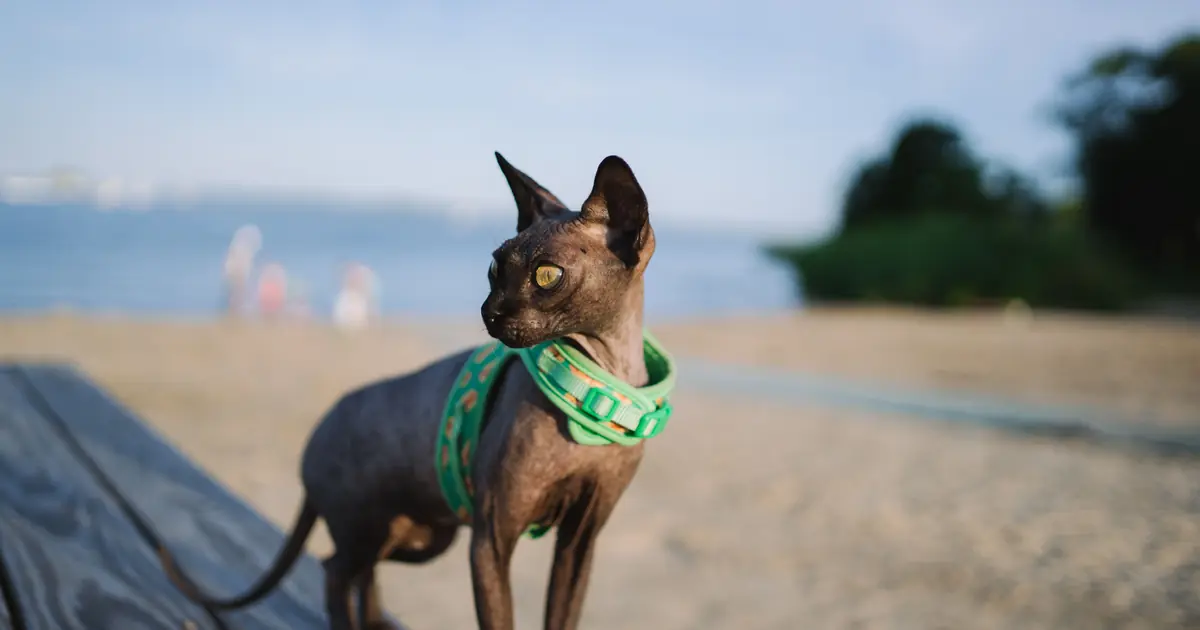
The Sokoke: the world’s rarest cat?
The Sokoke is a lean, marbled cat from the coastal forests of Kenya, and it’s regularly called the single rarest domestic cat breed in the world. Only a small number are registered each year, sometimes just a few dozen worldwide. Its coat has a striking “tabby-on-tabby” marbled pattern that looks almost wild.
Sokokes are athletic, alert, and deeply bonded to their people. They tend to pick a favorite human and follow them everywhere, chattering along the way. If you ever meet one, count yourself lucky.
The Kurilian Bobtail: the cat with a pom-pom tail
The Kurilian Bobtail is a Russian breed from the remote Kuril Islands, famous for its short, fluffy tail that no two cats share exactly. That tail is made of anywhere from 2 to 10 kinked vertebrae, shaped like a whisk, a spiral, or a snag. TICA granted it championship status in 2012.
Under that wild look is a gentle, clever cat. Kurilians are sociable, trainable, and known for having almost no aggression. Many love water and will happily “fish” in their water bowl.
The Lykoi: the “werewolf cat”
The Lykoi is a young American breed known as the “werewolf cat” thanks to its patchy, roan coat and partly bald face. That look comes from a natural genetic mutation, not from any wild or hairless breeding. The name comes from the Greek word for wolf.
Despite the spooky appearance, Lykoi are sweet, playful, and famously dog-like. They bond hard, follow you around, and have a strong hunting drive. Their rarity comes from how new they are and how carefully breeders protect the mutation.
The Peterbald: elegant and (mostly) hairless
The Peterbald is a slim, hairless-to-velvety breed developed in St. Petersburg, Russia in the 1990s. It’s a cousin of the Sphynx, but with a more refined, willowy build and big pointed ears. Coats range from fully bald to a soft peach-fuzz “velour.”
Peterbalds are social butterflies. They’re vocal, affectionate, and want to be involved in everything you do. Like other bare-skinned cats, they get chilly easily and love a warm lap. If sleek coats fascinate you, our Exotic Shorthair guide covers the opposite end of the spectrum, the plush teddy-bear look.
The Serengeti: a wild look with a gentle heart
The Serengeti is an American breed created to mimic the look of an African serval, but with zero wild ancestry. Breeders crossed Bengals and Oriental Shorthairs to get the long legs, big ears, and bold spots, all in a fully domestic cat. It first appeared in the mid-1990s.
Serengetis are confident, curious, and chatty. They’re active climbers who love height and interaction, and they tend to be fearless in a way that keeps their households entertained.
The Chartreux: France’s smiling blue cat
The Chartreux is an ancient French breed known for its dense, water-resistant blue-grey coat and round, copper-orange eyes. Its subtly curved mouth gives it a permanent “smile,” which is where the nickname comes from. The breed’s history is often linked to French monastic life.
Chartreux cats are quiet, calm, and deeply loyal, often bonding closely with one person. They’re not big talkers, which makes them a favorite for people who love a peaceful, watchful companion.
The LaPerm: the accidental curly cat
The LaPerm is a curly-coated breed that started as a happy accident on an Oregon farm in the early 1980s, when a bald kitten grew into a cat with soft, springy curls. That curly coat comes from a spontaneous genetic mutation. Coats range from waves to tight ringlets, and even the whiskers curl.
LaPerms are affectionate, gentle, and endlessly curious. They love to be near their people and often reach out with a paw for attention. The curly coat sheds less than you’d expect, though it still needs regular care.
The Turkish Van: the swimming cat
The Turkish Van is an old breed from the Lake Van region of Turkey, best known for its rare “Van pattern,” a mostly white cat with color only on the head and tail. Many Turkish Vans also have an unusual love of water and will wade or splash given the chance, earning them the “swimming cat” nickname.
These cats are energetic, bold, and playful well into adulthood. They’re strong, athletic, and not really lap cats, more like a busy roommate who wants to be part of the action.
The Norwegian Forest Cat: the Viking’s cat
The Norwegian Forest Cat is a large, natural breed from Northern Europe, built for cold with a thick wooly undercoat and a water-shedding top coat. Legend ties them to Viking ships and Norse folklore. They’re sturdy, muscular, and slow to fully mature, sometimes taking up to five years.
Despite the imposing size, “Wegies” are gentle, social, and easygoing. They enjoy climbing and play but stay calm and family-friendly. That gorgeous coat does need regular brushing, especially in shedding season.
The Devon Rex: the pixie with big ears
The Devon Rex is a short, wavy-coated breed that appeared in Devon, England in 1960 from a single curly kitten named Kirlee. A spontaneous mutation gave it a soft rippled coat, oversized ears, big eyes, and crinkled whiskers, the whole pixie-meets-elf look.
Devon Rex cats are often described as part cat, part dog, part monkey. They’re playful, clingy in the best way, and expert climbers who’ll perch anywhere high. They love warmth and will burrow under blankets or ride around on your shoulder.
The Egyptian Mau: the spotted sprinter
The Egyptian Mau is the only naturally spotted domestic cat breed, with spots that appear on the fur and even the skin. Similar spotted cats show up in ancient Egyptian art thousands of years old, and cat welfare groups like International Cat Care note that only a small share of cats worldwide belong to any recognized breed at all. The Mau is also one of the fastest domestic cats, able to hit speeds close to 30 miles per hour.
Maus are loyal, athletic, and a little sensitive. They bond tightly with their families and can be shy with strangers. Their expressive “worried” eyebrows and gooseberry-green eyes only add to the charm.
The Khao Manee: Thailand’s diamond-eyed cat
The Khao Manee is an ancient Thai breed prized for its pure white coat and brilliant, jewel-like eyes, which are often two different colors (one blue, one gold). Its name means “white gem.” For centuries it was kept by Thai royalty and seen as a symbol of good fortune.
Khao Manees are bright, active, and affectionate. They’re social, people-loving cats that stay playful and engaged. Outside Thailand they remain genuinely rare, with breeding programs still small.
The Bombay: the pocket panther
The Bombay is a sleek, all-black American breed developed in 1953 to look like a miniature panther. Breeder Nikki Horner crossed a black American Shorthair with a sable Burmese, and the result is a glossy black cat with copper eyes and even black paw pads. The coat looks patent-leather shiny.
Bombays are affectionate, clever, and deeply people-focused. They love warmth, follow their humans around, and often burrow under the covers. If you love black cats, they pair beautifully with the rare blue-eyed breeds in our Ojos Azules guide.
The Minskin: the short-legged cuddle bug
The Minskin is one of the newest and rarest breeds around, created in Boston in the late 1990s by crossing the hairless Sphynx with the short-legged Munchkin. The result is a small cat with stubby legs and a mostly bare, velvety body, often warm to the touch. TICA still lists it as a developing breed. Other breeds you will almost never meet in person include the Aegean, Greece’s only native cat, the wiry-coated American Wirehair, the Arabian Mau from the Gulf, the spotted Australian Mist, and the curly German Rex.
Minskins are playful, social, and famously snuggly, sometimes compared to little hot water bottles. Their sparse coat means they need help staying warm and gentle skin care to stay comfortable.
The Dragon Li: China’s natural treasure
The Dragon Li, also called the Li Hua, is a natural breed from China with a warm brown mackerel-tabby coat and green or yellow eyes. It’s one of very few Chinese breeds recognized in the cat fancy, and it’s rarely seen outside China. Fans consider it a living piece of Chinese cat heritage.
Dragon Lis are independent, intelligent, and gentle. They tend to be calm and low-drama, with a strong hunting instinct that hints at their natural, un-engineered origins.
Can you adopt a rare cat breed?
You can adopt a rare cat breed, but it takes patience, research, and usually a bigger budget. Rare breeds come from a small pool of ethical breeders, and waiting lists can run months long. Prices often climb into the thousands, especially for new or heavily-in-demand breeds like the Lykoi or Khao Manee.
A few honest pointers if you’re set on a rare breed:
- Buy only from registered, health-testing breeders. Ask to see the parents and health records.
- Check breed rescues. Even rare breeds occasionally end up needing new homes.
- Be realistic about care. Hairless and short-coated breeds need warmth and skin care; big coated breeds need serious grooming.
- Watch for scams. If a “rare kitten” is cheap and available today, be suspicious.
Honestly? The rarest, most unique cat of all might already be waiting in a shelter. Mixed cats come in endless one-of-a-kind coats and personalities, and none of them need papers to be extraordinary. If you’re wondering about your own cat’s roots, our guide on figuring out what breed your cat is is a fun place to start, and the Korat, another ancient rare breed, is worth a look too.
This article is for fun and general education. For breed-specific health or care questions, talk to a veterinarian or a reputable breed club.
Rare cat breeds FAQ
Q: What is the rarest cat breed in the world?
The Sokoke, a marbled forest cat from Kenya, is most often named the rarest domestic cat breed, with only a handful of cats registered worldwide each year. The Khao Manee and Minskin are also extremely rare. You can read the full breakdown in our dedicated rarest cat breed guide.
Q: What is the “werewolf cat”?
The “werewolf cat” is the Lykoi, a rare American breed with a patchy, partly hairless coat caused by a natural genetic mutation. Despite the spooky look, Lykoi are affectionate, playful, and known for dog-like loyalty. The breed is still very new.
Q: Are rare cat breeds more expensive?
Yes. Rare breeds usually cost more because few ethical breeders produce them and demand is high. Prices often range from about $1,000 to several thousand dollars, and waiting lists can be long. New breeds like the Minskin and Lykoi tend to be the priciest.
Q: Which cat breeds are truly hypoallergenic?
No cat breed is fully hypoallergenic, since the Fel d 1 protein that triggers allergies is in cat saliva and skin, not just fur. Still, some people react less to breeds like the Peterbald or Devon Rex. Always spend time with a breed before committing if you have allergies.
Q: What makes a cat breed “rare”?
A cat breed is rare when few cats are registered each year. That happens when the breed is very new, comes from an isolated region, or carries an unusual trait that’s hard to reproduce. Rarity isn’t about price; it’s about small numbers.
Q: Do any rare cat breeds like water?
Yes. The Turkish Van is famous for its love of water and its “swimming cat” nickname. The Kurilian Bobtail also tends to enjoy playing in water and even “fishing” in its bowl. Most other breeds prefer to stay dry.
Q: Are rare breeds harder to care for than regular cats?
Sometimes. Hairless and short-coated breeds like the Peterbald and Minskin need warmth and gentle skin care, while heavy-coated breeds like the Norwegian Forest Cat need frequent brushing. Their basic health needs, though, are the same as any cat: good food, vet care, and enrichment.
The world of rare cat breeds is a reminder that cats never stop surprising us, from a marbled Sokoke slipping through a Kenyan forest to a Khao Manee with one blue eye and one gold. Whether you dream of adopting one of these unusual felines or you just love learning about them, one thing holds true: every cat, rare breed or shelter mystery, is its own small marvel.

Hello and welcome to The Ideal Cat!
We are some passionate cat owners from different professions. We love our cats and have a lot of experience in how to care for our pets. We are incredibly excited to share our knowledge, experience, and research with you. So you can take good care of your loving cat. We will answer most of the common questions about owning cats, taking care of them, etc. If you have any question contact with us. Thanks for visiting! Enjoy the content.
