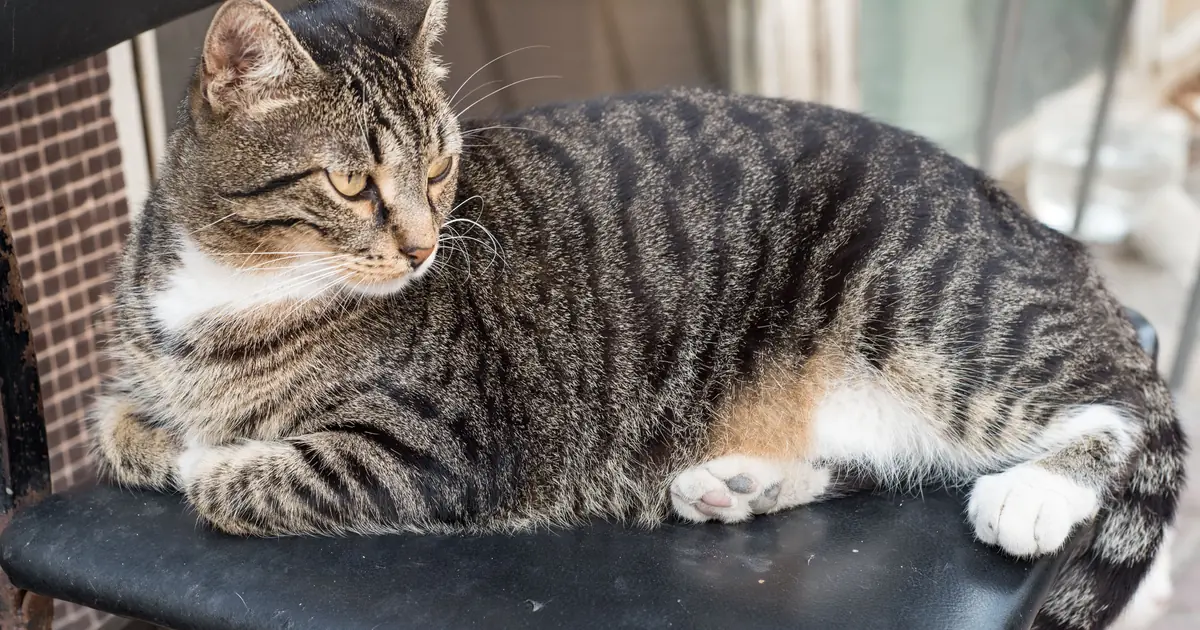
Picture a cat that climbs your bookshelf like a tree, follows you room to room like a small dog, and wears a coat that looks like polished tree bark. Now picture that there are only a few hundred of them on the planet.
That is the Sokoke cat. It started as a wild-looking forest cat on the Kenyan coast, and today it is widely called the rarest domestic cat breed in the world.
Here is the fun part. Despite the jungle looks, the Sokoke cat is 100% house cat. No wildcat blood, no lynx, no leopard. Just a chatty, athletic, deeply loyal little shadow who happens to be almost impossible to find.
🐱 Quick Answer: The Sokoke cat is a rare, medium-sized natural breed from coastal Kenya, weighing 5 to 10 pounds and living 12 to 16 years. It has a short, almost undercoat-free “African tabby” ticked coat in chestnut and black. Sokokes are active, dog-like, talkative, and bond hard to their people. Expect to pay roughly $500 to $2,500.
Sokoke Cat Breed Stats at a Glance
| Origin | Coastal Kenya (Arabuko-Sokoke forest region) |
| Weight (Male) | 7 to 10 lbs |
| Weight (Female) | 5 to 8 lbs |
| Lifespan | 12 to 16 years |
| Coat | Short, fine, little to no undercoat, ticked “African tabby” pattern |
| Colors | Brown-black blotched tabby (rare seal point, blue, and black lines exist) |
| Energy Level | Very high, athletic, loves to climb |
| Grooming Needs | Low, a weekly brush is plenty |
| Good With Kids | Yes, with respectful, active kids |
| Good With Other Pets | Yes, including cat-friendly dogs |
| Average Price | $500 to $2,500 (long waitlists common) |
- The Sokoke is a natural breed from coastal Kenya, descended from local feral cats called khadzonzo, and is one of the rarest cat breeds in the world.
- Sokoke cats weigh 5 to 10 pounds, live 12 to 16 years, and are lean and muscular rather than chunky.
- The Sokoke’s coat is short with almost no undercoat, so the breed sheds very little but feels the cold easily.
- Sokokes are active, vocal, dog-like cats that bond intensely with their people and dislike being alone.
- DNA testing confirms the Sokoke is a fully domestic cat, not a wildcat hybrid like the Bengal or Savannah.
Where Do Sokoke Cats Come From?
Sokoke cats come from the coastal forests of eastern Kenya, near the Arabuko-Sokoke National Park that gives the breed its name. They are not a lab-made hybrid. They are a natural landrace of cat that lived semi-wild in the region for generations, known to local Giriama people long before the cat fancy ever noticed them.
The locals called these cats khadzonzo (sometimes spelled kadzonzo), roughly meaning “looks like tree bark.” Once you see the coat, that name makes perfect sense.
The Jeni Slater Story
The Western breed story starts in 1978. A horse breeder and wildlife artist named Jeni Slater found a litter of kittens nesting in a hollow tree in her garden near Watamu, on the Kenyan coast. The kittens had a coat she had never seen on a house cat, so she kept a pair and hand-reared them.
In 1983, her friend Gloria Moeldrup carried a breeding pair to Denmark to help preserve the line. The cats were shown in Copenhagen in 1984, and more Kenyan imports followed in the late 1980s to widen the gene pool. That tiny founding group is the reason almost every Sokoke alive today traces back to Scandinavia and Kenya.
Is the Sokoke Officially Recognized?
Yes, but not everywhere. FIFe (the European federation) was first to recognize the Sokoke, in 1993. The International Cat Association (TICA), the UK’s Governing Council of the Cat Fancy (GCCF), and the Canadian Cat Association (CCA) recognize it too. One big name that does not: the Cat Fanciers’ Association (CFA) in the United States does not recognize the Sokoke. That gap is part of why the breed stays so rare in North America.
What Does a Sokoke Cat Look Like?
A Sokoke cat looks like a lean, leggy tabby wearing a coat of polished wood. The short fur sits very close to the body, and the famous “African tabby” pattern shows blotchy, hollow-centered swirls in warm chestnut brown over a finely ticked, agouti background. Even the tail tip is ticked. The whole effect is almost see-through, like light shining through bark.
Sokokes are athletes, not couch potatoes. The body is medium-sized and muscular, the back legs are slightly longer than the front, and they move with a tip-toe, almost cheetah-like walk. Eyes range from amber to light green and tilt slightly, giving that alert, “what are you up to” expression.
Sokoke Kitten vs Adult
Sokoke kittens are often born quite dark and a bit plain, and the famous bark-like pattern develops as they grow. The coat keeps refining for many months, so the swirls and ticking you see on an adult are not always obvious on a tiny kitten. Adults settle into a sleek, hard, glossy coat with very little fluff.
How Is a Sokoke Different From a Bengal, Egyptian Mau, or Abyssinian?
People mix up the Sokoke with other wild-looking tabbies all the time. Here is how to tell them apart.
| Breed | Coat and Look | Background |
|---|---|---|
| Sokoke | Brown blotched “African tabby,” ticked and see-through, bark-like swirls | Natural breed from Kenya, fully domestic |
| Bengal | Bold spots or marbling, often with glitter and high contrast | Hybrid of domestic cat and Asian leopard cat |
| Egyptian Mau | Distinct dark spots on a silver, bronze, or smoke coat | Naturally spotted domestic breed |
| Abyssinian | Evenly ticked, no blotchy pattern, “warm glow” coat | Ancient ticked-tabby domestic breed |
Quick rule of thumb: Bengals and Egyptian Maus are spotted, Abyssinians are pure ticked with no pattern, and the Sokoke is the only one with that ticked-and-blotched bark look.
What Is a Sokoke Cat’s Personality Like?
Sokoke cats are active, intelligent, talkative, and intensely bonded to their humans. People often call them dog-like because they follow you everywhere, come when called, and want to be part of whatever you are doing. They are not lap-blanket cats so much as right-next-to-you, supervising-your-every-move cats.
Here is the honest version. A Sokoke is a lot of cat in a small body. If you want a quiet ornament who naps all day, this is not your breed.
Are Sokoke Cats Friendly?
Sokoke cats are very friendly and affectionate with their own people, though many prefer companionship on their terms over being scooped up and squeezed. A lot of Sokokes will happily trail you around the house, chat at you, and curl up beside you, but squirm if you try to cradle them like a baby. Loyal, yes. Cuddly on demand, not always.
Are Sokoke Cats Vocal?
Yes, Sokoke cats are talkers. They use a wide range of chirps, trills, and meows to tell you exactly what they think, and they think a lot. If background noise drives you up the wall, factor that in. If you like a cat who holds a running conversation, you will adore this trait.
Is the Sokoke Cat Right for You?
The Sokoke cat suits active homes that want an engaged, playful, people-focused companion and can offer vertical space and company. It is a poor match for someone who is out twelve hours a day, wants a calm lap cat, or keeps a cold house. Be honest about your lifestyle before joining a years-long waitlist.
A Sokoke is probably right for you if:
- You are home often, or have other pets, so the cat is not alone all day.
- You want an interactive, trainable, almost dog-like cat.
- You can give it tall climbing space and daily play.
- You keep a warm home and do not mind a chatty roommate.
It is probably not for you if:
- You want a quiet, low-energy lap cat.
- Your home is cold, or you travel constantly.
- You need a cat you can adopt this month (waitlists are long).
Are Sokoke Cats Healthy? Common Health Issues
Sokoke cats are generally a healthy, hardy breed with no widely documented breed-specific genetic diseases, which is unusual and welcome. Their wild, natural origins gave them a tough constitution. The main thing to watch is not a disease at all: it is the cold.
Because the Sokoke has almost no undercoat, it feels low temperatures more than most cats. A draughty room that another cat would shrug off can leave a Sokoke shivering and miserable, and chronic chilling is hard on any animal. Keep the house comfortably warm, offer cozy beds and warm spots, and never leave a Sokoke outdoors in cold weather.
One more caveat. The breed comes from a very small founding population, so the gene pool is tight. Responsible breeders track lineage carefully to avoid the problems that can creep in with limited diversity. Ask any breeder how they manage genetic diversity.
This guide is educational, not veterinary advice. Sokokes are rare, so general feline care still applies: schedule regular checkups, keep vaccines and parasite prevention current, and call your own veterinarian about any health concern. A vet who knows your individual cat always beats a web page.
How Do You Groom and Care for a Sokoke Cat?
Grooming a Sokoke is about as easy as cat care gets. The short, almost undercoat-free coat needs only a quick weekly brush to keep it glossy and to clear away the few loose hairs. There is no mat-prone fluff and no seasonal fur explosion.
Do Sokoke Cats Shed?
Sokoke cats shed very little compared with most breeds, thanks to that thin, single-layer coat. They are not hypoallergenic (no cat truly is), but low shedding means less fur on your couch and less dander floating around. A weekly brush with a soft rubber tool keeps things tidy.
Warmth Comes First
The most important “grooming” task with a Sokoke is climate, not coat. Give it warm sleeping spots, keep it indoors in cold months, and consider a heated cat bed for genuinely chilly homes. Round out care with routine nail trims, dental care, and ear checks like any cat.
What Should You Feed a Sokoke Cat?
Feed a Sokoke a high-quality, protein-rich diet built for an active cat, because this breed burns energy all day. Cats are obligate carnivores, so look for a food with named animal protein as the first ingredient and keep an eye on portions to prevent weight gain in calmer adult cats.
Fresh water should always be available, and many active, curious cats drink more readily from a fountain. Split meals across the day rather than free-feeding if your Sokoke tends to overeat. As always, ask your vet to tailor the amount to your cat’s age, weight, and activity.
How Much Exercise Does a Sokoke Cat Need?
A Sokoke needs plenty of daily exercise and, above all, height. These are tree-climbing cats by heritage, so they want to get up high, leap, and survey their kingdom. Give them vertical space or they will invent their own, usually involving your curtains.
Plan for two or more active play sessions a day with wand toys, chase games, and puzzle feeders. A tall cat tree or wall shelves will save your furniture and your sanity. Many Sokokes also learn tricks, walk on a harness, and play fetch, so lean into that brainy, dog-like streak.
A sturdy, tall cat tree is genuinely useful for a climber like this. Look for one taller than a typical model with stable wide bases and a few high perches.
Frisco 72-Inch Faux Fur Cat Tree
This is a tall, multi-level cat tree with high perches and scratching posts, which suits a climbing-obsessed Sokoke that wants to be up at eye level. It gives a high-energy cat a legal place to leap and survey the room.
How Does a Sokoke Cat Do With Kids, Dogs, and Other Cats?
Sokoke cats generally do well with respectful children, cat-friendly dogs, and other cats, partly because they are social and dislike being alone. Their playful, active nature meshes with energetic kids who understand that this cat prefers play to being carried around.
With dogs, calm and cat-savvy ones often become play partners, since the Sokoke’s confident, dog-like personality is not easily intimidated. With other cats, slow introductions still matter, but a second compatible pet can be a real gift to a Sokoke that hates an empty house. If you work long hours, a companion animal helps a lot.
How Long Do Sokoke Cats Live, and How Do You Help Them Age Well?
Sokoke cats typically live 12 to 16 years, and many stay sprightly well into their senior years thanks to their lean, athletic build. There is no breed-specific illness known to cut that short, which is part of the appeal.
To support a long, comfortable life, keep your Sokoke at a healthy weight, stay current on vet checkups (twice yearly once they are senior), and watch for the usual age-related changes like stiff joints, dental disease, or kidney issues common in older cats. Keep older Sokokes especially warm, since thin coats and aging joints both dislike the cold. Catching problems early is the best gift you can give an aging cat.
How Much Does a Sokoke Cat Cost?
A Sokoke cat usually costs between $500 and $2,500 from a registered breeder, with price varying by lineage, location, and quality. That range is wide because supply is so thin: in some years, almost no Sokoke kittens are registered worldwide, which keeps both prices and waitlists high.
| Cost Item | Typical Range |
|---|---|
| Kitten from a registered breeder | $500 to $2,500 |
| Initial vet visit, vaccines, microchip | $150 to $400 |
| Spay or neuter (if not already done) | $100 to $300 |
| Travel or import (often from Europe) | Varies, can be significant |
| First-year supplies (tree, beds, gear) | $200 to $500 |
Because so few breeders exist, many buyers wait months or even years and travel or import to bring one home. Budget for that, not just the sticker price.
Where Can You Find a Sokoke Cat Ethically?
Find a Sokoke through breeders registered with a recognized body like TICA, GCCF, FIFe, or the CCA, and expect a waitlist. There are only a handful of active Sokoke breeders worldwide, with most in Europe, so North American buyers often import. Patience and homework matter more here than with almost any other breed.
When you find a breeder, look for these signs:
- Registration with TICA, GCCF, FIFe, or the CCA.
- Willingness to talk openly about lineage and genetic diversity.
- Kittens raised in the home, socialized, and not released too young.
- Health records, a written contract, and references.
- No pressure, no shipping a kitten sight-unseen to the highest bidder.
Rescue is unlikely for such a rare breed, but it never hurts to ask breed clubs whether an adult Sokoke ever needs rehoming. Avoid any “breeder” advertising suspiciously cheap, always-available kittens.
What Breeds Are Similar to the Sokoke?
If you love the Sokoke’s look or personality but cannot find one, a few breeds scratch a similar itch. None is an exact match, but each shares part of the appeal.
- Abyssinian: Shares the ticked coat and the active, people-focused, athletic personality, and is far easier to find.
- Egyptian Mau: Another naturally patterned, athletic shorthair with a wild look and a loyal streak.
- Bengal: Wild-looking and high-energy, though it is a hybrid breed and tends to be more demanding.
- Ocicat: A spotted, dog-like, sociable cat that is fully domestic and widely available.
- Somali: Essentially a longhaired Abyssinian, ticked and lively, for those who want the personality with more floof.
Common Myths and Misconceptions About the Sokoke
The Sokoke’s wild looks fuel a lot of myths. Let us clear up the big ones.
Myth: The Sokoke is a wildcat hybrid
False. DNA studies, including work tied to the U.S. National Cancer Institute, confirm the Sokoke is a fully domestic cat descended from Asian-lineage domestic cats, not a cross with any wild species. Its bark-like coat is natural domestic-cat genetics, not leopard blood. This is the single biggest misunderstanding about the breed.
Myth: Sokokes are aloof and unaffectionate
Mostly false. Sokokes bond deeply and follow their people everywhere; they just often prefer being beside you to being held. Loyalty and cuddliness are not the same thing.
Myth: A rare breed must be sickly
False. Despite the small gene pool, the Sokoke is known as a robust, healthy breed with no widespread breed-specific disease. Rarity is about numbers, not fragility.
Sokoke Cat FAQ
Q: Is the Sokoke the rarest cat in the world?
The Sokoke is widely described as one of the rarest domestic cat breeds in the world, and in some years almost no Sokoke kittens are registered globally. Only a handful of breeders exist, mostly in Europe, which keeps numbers extremely low.
Q: Are Sokoke cats friendly?
Yes, Sokoke cats are friendly and loyal, bonding strongly with their families. They tend to show love by following you and staying close rather than by being held, so they read as affectionate but independent.
Q: How much is a Sokoke cat?
A Sokoke cat usually costs between $500 and $2,500 from a registered breeder, depending on lineage and location. Because breeders are scarce, many buyers also pay for import or travel and wait months on a list.
Q: Do Sokoke cats shed?
Sokoke cats shed very little because their short coat has almost no undercoat. They are not hypoallergenic, but low shedding means less fur around the house and only a weekly brush is needed.
Q: Where do Sokoke cats come from?
Sokoke cats come from the coastal forests of eastern Kenya, near the Arabuko-Sokoke National Park. They descend from a local feral cat population called khadzonzo and were developed into a breed starting in 1978.
Q: Are Sokoke cats good with dogs and kids?
Yes, Sokoke cats usually do well with cat-friendly dogs and respectful children. Their social, confident, playful nature makes them good fits for active households, and many enjoy having another pet for company.
Q: Do Sokoke cats need a lot of attention?
Yes, Sokoke cats are active and social and dislike being alone all day. They need daily play, climbing space, and company, so a busy single-pet home that is empty for long hours is not ideal.
Q: Is the Sokoke recognized by major cat registries?
The Sokoke is recognized by FIFe, TICA, the UK’s GCCF, and the Canadian Cat Association. It is not recognized by the Cat Fanciers’ Association (CFA) in the United States, which adds to its rarity in North America.
The Final Verdict on the Sokoke Cat
The Sokoke cat is a rare, athletic, deeply loyal little marvel: a natural Kenyan breed with a bark-pattern coat and a dog-like heart. It is healthy, low-shedding, and endlessly entertaining, as long as you can offer warmth, height to climb, daily play, and steady company.
It is not the breed for a quiet lap-cat seeker or a long-hours, cold-house lifestyle, and it takes patience and likely a waitlist to find one. But if you want a chatty, clever shadow who treats your home like a forest and your shoulder like a favorite branch, the Sokoke cat is one of the most special companions on earth, and one of the hardest to find.

Hello and welcome to The Ideal Cat!
We are some passionate cat owners from different professions. We love our cats and have a lot of experience in how to care for our pets. We are incredibly excited to share our knowledge, experience, and research with you. So you can take good care of your loving cat. We will answer most of the common questions about owning cats, taking care of them, etc. If you have any question contact with us. Thanks for visiting! Enjoy the content.
