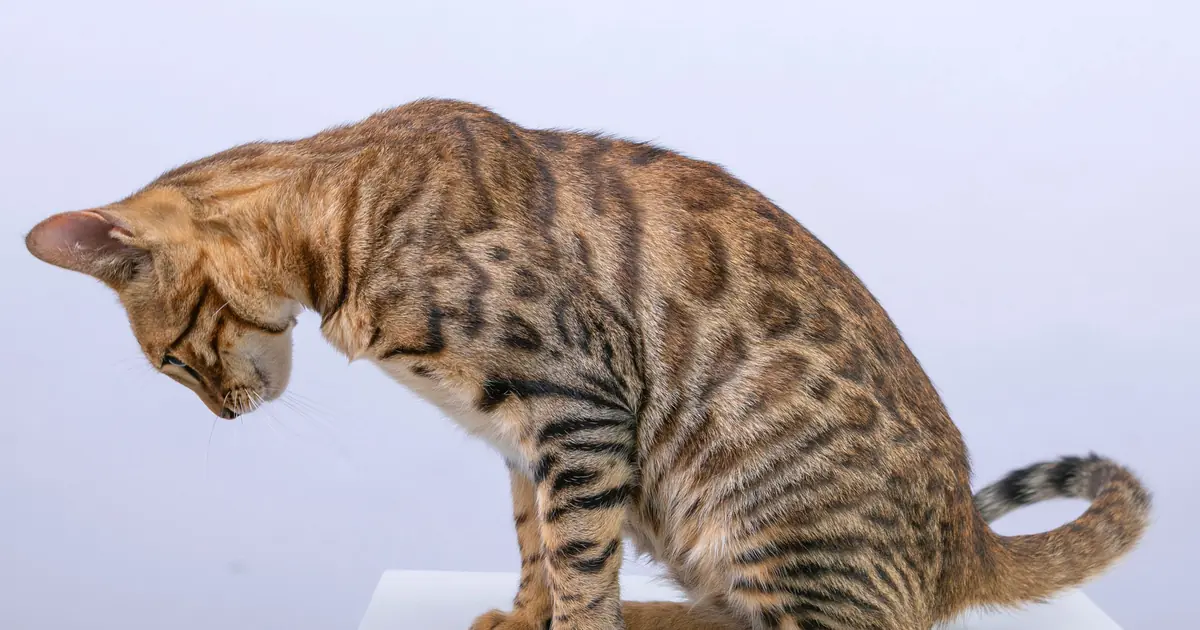
Picture this. There’s a tiny leopard curled up on your sofa, spotted coat and all, watching a bird out the window like it’s about to pounce through the glass. Except it’s not a leopard. It’s a house cat that just looks like it belongs on a nature documentary.
That’s the pull of exotic cat breeds. They give you the wild look without the wild-animal problems (mostly). But some of these cats are more complicated than a fluffy tabby, and a few come with real legal strings attached. Let’s walk through the most striking ones, who they’re actually good for, and what you’re signing up for.
- Most “exotic” cats are 100% domestic breeds that simply look wild, like the Egyptian Mau, Ocicat and Toyger, with no wild ancestry and standard care needs.
- Only a few are true wild hybrids: the Bengal descends from the Asian leopard cat, and the Savannah from the African serval.
- Early-generation Savannah cats (F1 to F3) are banned or need a permit in several U.S. states, including Georgia, Hawaii, Nebraska and Rhode Island.
- Exotic breeds often cost more, from around $1,000 for a Bengal to $10,000 or more for an F1 Savannah.
- The wilder the look, usually the higher the energy. Many of these cats need daily play, climbing space and mental work to stay happy.
What makes a cat breed “exotic”?
An exotic cat breed is a domestic cat bred to look wild, rare or unusual, whether through spotted and striped coats, hairless skin, big ears, or actual wild-cat ancestry. The word “exotic” here is about the look, not the passport. Most of these cats are ordinary house cats under the hood.
There are really three flavors of “exotic,” and it helps to keep them separate:
- Wild-look, fully domestic: breeds like the Toyger, Ocicat and Egyptian Mau that were bred to resemble tigers or leopards but carry no wild blood.
- Wild hybrids: breeds like the Bengal and Savannah that trace back to an actual wild cat a few generations up the family tree.
- Unusual-looking: breeds like the hairless Sphynx and Peterbald or the werewolf-ish Lykoi that turn heads for a totally different reason.
One quick note on names. “Exotic” also happens to be the nickname for the Exotic Shorthair, a flat-faced Persian cousin. That’s a name clash, and we’ll clear it up near the end. If you’re just trying to figure out your own cat’s background, our guide on how to tell what breed your cat is is a better starting point than any DNA guessing game.
What are the most popular exotic cat breeds?
The most popular exotic cat breeds are the Bengal, Savannah, Sphynx, Egyptian Mau, Ocicat, Toyger, Lykoi and Peterbald. Each one earns the “exotic” label for a different reason, from leopard rosettes to zero fur. Here’s what sets each one apart.
Bengal
The Bengal is a spotted, muscular cat bred from crossing a domestic cat with the small wild Asian leopard cat. It’s the breed most people picture when they say “tiny leopard.” Bengals have a glittering, pelt-like coat with rosettes or marbling, and they’re smart, loud and endlessly busy.
Today’s pet Bengals are usually four or more generations from their wild ancestor, so they’re recognized as fully domestic by The International Cat Association (TICA) and the Cat Fanciers’ Association (CFA). They love water, they climb everything, and they get bored fast. Give a Bengal puzzle feeders and vertical space or it’ll invent its own entertainment, usually at 3am. For more wild-looking spotted cats, our roundup of rare cat breeds covers a few cousins.
Savannah
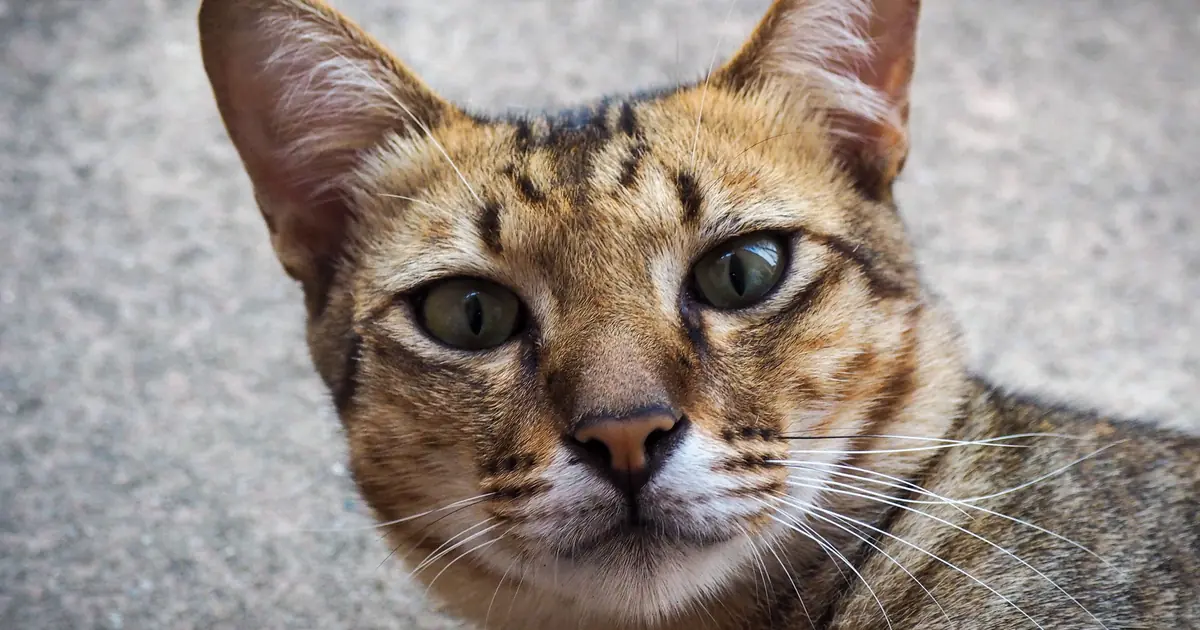
The Savannah is a tall, long-legged hybrid bred from a domestic cat and the African serval, a wild cat with huge ears. It’s one of the most dramatic exotic breeds out there, and a Savannah once held the Guinness record for tallest domestic cat. They’re dog-like, trainable, and hugely energetic.
Savannahs are graded by generation. An F1 is half serval and about as wild as a pet cat gets. By F4 and F5 they’re calmer and legal in most places. TICA recognized the Savannah as a championship breed in 2012. These are not beginner cats. High-generation Savannahs need space, patience, and an owner who’s home a lot.
Sphynx
The Sphynx is a hairless cat known for its wrinkled skin, big ears and suede-soft feel. There’s no wild ancestry here at all. The look comes from a natural genetic mutation. Sphynx cats are warm to the touch, wildly affectionate, and basically velcro that follows you room to room.
Hairless does not mean low-maintenance. Sphynx cats need weekly baths because they have no fur to soak up skin oils, and they get cold easily, so sweaters and warm spots matter. If a bald cat is calling your name, our guide to no-fur cat breeds breaks down every hairless option.
Egyptian Mau
The Egyptian Mau is the only naturally spotted domestic cat breed, and its spots are the real deal, not bred in from a wild cat. Maus are ancient, elegant, and fast. In fact they’re often called the fastest domestic cat, clocked at speeds around 30 mph.
Maus are fully domestic, so care is standard, but they’re sensitive and bond hard with their people. They can be shy with strangers and they hate being rushed. Give a Mau a calm home and it’ll reward you with quiet devotion and the occasional blistering sprint down the hallway.
Ocicat
The Ocicat is a spotted domestic breed that looks like a wild ocelot but has zero wild blood. It’s actually a happy accident, born from crossing Siamese, Abyssinian and American Shorthair cats. So you get the jungle look with the personality of a friendly, chatty lap cat.
Ocicats are outgoing, social and easy to live with, which makes them one of the best “exotic look, easy care” picks on this list. They’re smart enough to learn tricks and fetch, and they usually get along with kids, dogs and other cats.
Toyger
The Toyger is a striped domestic cat bred specifically to look like a miniature tiger. The name is literally “toy tiger.” It’s a newer breed, developed in the 1980s, with bold vertical stripes on an orange coat and no wild ancestry whatsoever.
Toygers are laid-back, friendly and good with families, which is a nice surprise for a cat that looks this fierce. They’re still fairly rare and pricey. If you want the full story, we have a dedicated Toyger cat breed guide.
Lykoi
The Lykoi is a partly hairless breed nicknamed the “werewolf cat” for its patchy, grizzled coat and sparse fur around the eyes and muzzle. The look comes from a natural mutation found in domestic shorthairs, so again, no wild cat involved. Just a very goth-looking house cat.
Lykoi cats are friendly, doglike and playful once they trust you. Their coat sheds oddly and some go nearly bald in patches, so they need Sphynx-style skin care. Curious about this one? Our Lykoi cat guide goes deeper.
Peterbald
The Peterbald is a slender, elegant hairless or thin-coated cat from Russia, related to the Sphynx look but with its own graceful build. Coats range from totally bald to a soft peach-fuzz, and some are even born with a light coat that they shed over time.
Peterbalds are gentle, people-focused and quiet compared to a Bengal or Savannah. They need the same skin care as other hairless cats. See our Peterbald breed guide for the full rundown.
Serengeti
The Serengeti is a spotted, long-legged domestic breed created to resemble the wild serval, but without using any serval blood. Breeders crossed Bengals with Oriental Shorthairs to get the look instead. So you get the tall, exotic silhouette with fully domestic genes and no legal headaches.
Serengetis are confident, athletic and vocal. They love heights and attention in equal measure. It’s still a rare breed, so expect a wait and a higher price. There’s more in our Serengeti cat breed guide.
Which exotic cat breeds are wild hybrids?
The main exotic breeds with real wild ancestry are the Bengal (Asian leopard cat) and the Savannah (African serval), with the Chausie (jungle cat) and Caracat (caracal) as rarer examples. Every other cat on this page is fully domestic and just looks wild.
Here’s how the popular exotic breeds stack up at a glance.
| Breed | The look | Wild ancestry? | Care level |
|---|---|---|---|
| Bengal | Leopard spots and rosettes | Yes, Asian leopard cat | High energy |
| Savannah | Tall, serval-like, big ears | Yes, African serval | Very high, advanced |
| Sphynx | Hairless, wrinkled skin | No | High grooming |
| Egyptian Mau | Natural spots, sleek | No | Moderate |
| Ocicat | Ocelot-like spots | No | Easy |
| Toyger | Tiger stripes | No | Easy |
| Lykoi | Patchy “werewolf” coat | No | High grooming |
| Peterbald | Hairless, slender | No | High grooming |
| Serengeti | Serval-like, long legs | No | Moderate |
| Chausie | Cougar-like, athletic | Yes, jungle cat | Very high |
The Chausie is worth flagging because it’s another true hybrid, bred from the wild jungle cat. Like the Savannah, higher-generation hybrids need experienced owners and sometimes special permits.
Are exotic cat breeds legal to own?
Most exotic cat breeds are legal everywhere because they’re fully domestic. The exceptions are wild hybrids like the Savannah, Bengal and Chausie, where early generations closest to the wild ancestor can be restricted, permitted or banned depending on your U.S. state and even your city.
Laws hinge on the generation number. An F1 Savannah is half serval and gets treated almost like an exotic animal. By F4 or F5, most states consider the cat domestic. A few examples of how states handle it:
- Full bans on pet Savannahs: Georgia, Hawaii, Nebraska and Rhode Island.
- Permit or generation limits: some states, like Alaska, Colorado, Iowa, Massachusetts, New Hampshire and Vermont, allow only F4 and later. New York allows F5 and later.
- Bengals: usually legal from the F4 generation on, but a handful of places restrict early-generation Bengals too.
Here’s the part people miss. Your city or county can ban a cat your state allows. Before you fall in love with a hybrid, check with your state’s Department of Fish and Wildlife or Agriculture, plus your local animal control. A breeder’s website is not the authority here. The American Veterinary Medical Association has long cautioned that wild and hybrid animals bring welfare and safety concerns that ordinary house cats don’t.
- High-generation hybrids (F1 to F3) can need special diets, more space and enrichment than a typical cat, and can be harder to rehome.
- Always confirm your state and city laws in writing before buying a hybrid kitten.
- Buy only from an ethical breeder who health-tests and is transparent about generation and paperwork. Never support wild-caught parents.
Do exotic cats make good pets?
Many exotic cat breeds make excellent pets, especially the fully domestic ones like the Ocicat, Toyger and Egyptian Mau. The wild hybrids can also be wonderful, but they demand more space, energy and commitment than an average cat. The right fit depends far more on your lifestyle than on the cat’s looks.
Here’s the honest breakdown. If you want the exotic look with easygoing care, go for a domestic breed like the Ocicat or Toyger. They’re social, adaptable and fine for first-time owners. If you want a Bengal or Savannah, be ready for a cat that treats your bookshelf like a climbing wall and gets destructive when bored.
What most exotic breeds share is high intelligence and high energy. These are some of the smartest cat breeds around, and a bored smart cat is a menace. Plan for daily play, tall cat trees, puzzle toys and, ideally, another pet or a person around a lot.
One reassuring note. Cats sleep 12 to 16 hours a day, even the wild-looking ones, so this isn’t a nonstop tornado. It’s more like intense bursts of activity followed by long, luxurious naps in a sunbeam.
Wait, isn’t “Exotic” an actual cat breed?
Yes, and this trips people up constantly. The “Exotic Shorthair” is a specific recognized breed: a short-haired version of the Persian with the same flat, round face and plush coat. It has nothing to do with wild-looking spotted or hybrid cats. It just shares the word “exotic.”
So when someone searches “exotic cat breeds,” they usually mean the wild-looking cats we’ve covered. But if you actually want the sweet, mellow, squishy-faced Exotic Shorthair, that’s a totally different cat. It’s calm, quiet and low-energy, basically the opposite of a Bengal. Our guide to flat-faced cat breeds covers the Exotic Shorthair and its Persian relatives in detail.
How much do exotic cat breeds cost?
Exotic cat breeds typically cost between $1,000 and $10,000 or more, depending on the breed, rarity and generation. Fully domestic exotics sit at the lower end, while early-generation wild hybrids are the priciest cats you can legally own.
| Breed | Typical price range |
|---|---|
| Ocicat | $800 to $1,500 |
| Egyptian Mau | $800 to $1,800 |
| Bengal | $1,000 to $3,000 |
| Toyger | $1,500 to $5,000 |
| Sphynx | $1,500 to $6,000 |
| Peterbald | $1,700 to $3,000 |
| Lykoi | $1,500 to $2,500 |
| Savannah (F4 to F5) | $1,000 to $5,000 |
| Savannah (F1 to F2) | $10,000 to $25,000 |
And remember the sticker price is just the start. Exotic cats need enrichment, quality food, and sometimes bigger vet bills, especially the hairless breeds with skin needs and the hybrids with sensitive stomachs. Budget for the life, not just the kitten.
Prices vary a lot by breeder and region, so treat these as ballparks. Ethical breeders who health-test and socialize their kittens tend to charge more, and they’re worth it.
The bottom line on exotic cat breeds
Exotic cat breeds let you bring home a slice of the wild without actually owning a wild animal. Most of them, like the Ocicat, Toyger and Egyptian Mau, are fully domestic cats that simply look spectacular and live like any other house cat. A few, the Bengal and Savannah especially, carry real wild ancestry and real responsibilities.
Pick the cat that fits your life, not just your Instagram. Check the laws if you’re eyeing a hybrid, buy from someone ethical, and be ready to keep a clever cat busy. Do that, and you’ll have a stunning, one-of-a-kind companion curled up on your sofa, looking every bit the tiny leopard.
This article is educational. For any health or care questions about a specific exotic cat breed, especially a wild hybrid, talk with a licensed veterinarian who knows the breed.
Frequently asked questions about exotic cat breeds
Q: What is the most exotic cat breed?
The Savannah is often called the most exotic domestic cat breed, thanks to its African serval ancestry, tall body and huge ears. Early-generation (F1) Savannahs look and behave the most like a wild cat. Among fully domestic breeds, the Bengal and Egyptian Mau are the most exotic-looking.
Q: Which exotic cat breed is best for beginners?
The Ocicat and Toyger are the best exotic breeds for beginners. Both give you a wild spotted or striped look with an easygoing, social personality and no wild ancestry or legal restrictions. They’re friendly with kids and other pets and don’t demand the intense care that a Bengal or Savannah does.
Q: Are Bengal cats considered exotic or wild?
Bengal cats are considered exotic-looking domestic cats, not wild animals. They descend from the small wild Asian leopard cat, but today’s pet Bengals are usually four or more generations removed and are fully domestic. Both TICA and the CFA recognize the Bengal as a domestic breed.
Q: What is the difference between an exotic cat and an Exotic Shorthair?
An “exotic cat breed” usually means a wild-looking cat like a Bengal or Savannah. The Exotic Shorthair is a completely separate, specific breed: a short-haired Persian with a flat face and calm personality. They share the word “exotic” but have nothing else in common.
Q: Do exotic cats need special care?
Some do. Hairless breeds like the Sphynx and Peterbald need weekly baths and warmth. High-energy breeds like the Bengal need daily play and climbing space. Wild hybrids like the Savannah can need extra room, enrichment and sometimes special diets. Fully domestic exotics like the Ocicat need standard cat care.
Q: Are exotic cat breeds legal in every state?
No. Fully domestic exotic breeds are legal everywhere, but wild hybrids can be restricted. Early-generation Savannah cats (F1 to F3) are banned or need permits in states like Georgia, Hawaii, Nebraska and Rhode Island. Always check your state and local laws before buying a hybrid.
Q: What is the cheapest exotic cat breed?
The Ocicat and Egyptian Mau are usually the most affordable exotic breeds, often priced from $800 to $1,800 from a reputable breeder. They give you an exotic spotted look without the high cost of a rare hybrid, which can run $10,000 or more for an early-generation Savannah.
Q: Why do exotic cats look like wild animals?
Exotic cats look wild for two reasons. Some, like the Bengal and Savannah, actually descend from wild cats. Others, like the Toyger and Ocicat, were selectively bred from domestic cats to mimic the coats of tigers or ocelots. In both cases, breeders chose for wild-looking spots, stripes or builds.

Hello and welcome to The Ideal Cat!
We are some passionate cat owners from different professions. We love our cats and have a lot of experience in how to care for our pets. We are incredibly excited to share our knowledge, experience, and research with you. So you can take good care of your loving cat. We will answer most of the common questions about owning cats, taking care of them, etc. If you have any question contact with us. Thanks for visiting! Enjoy the content.
)