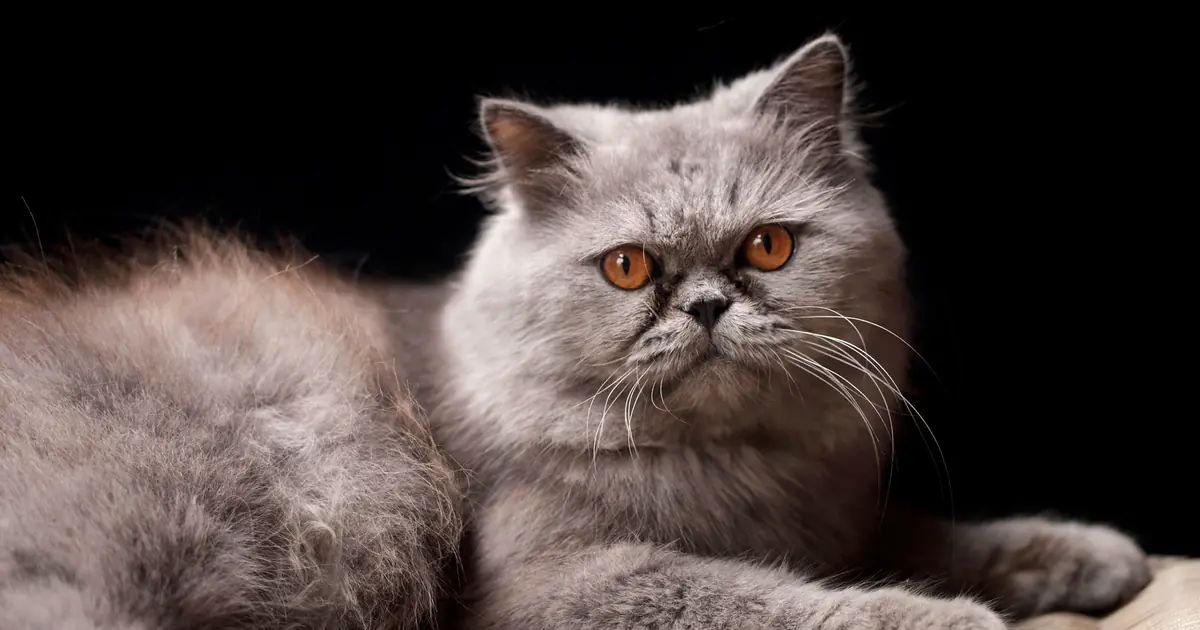
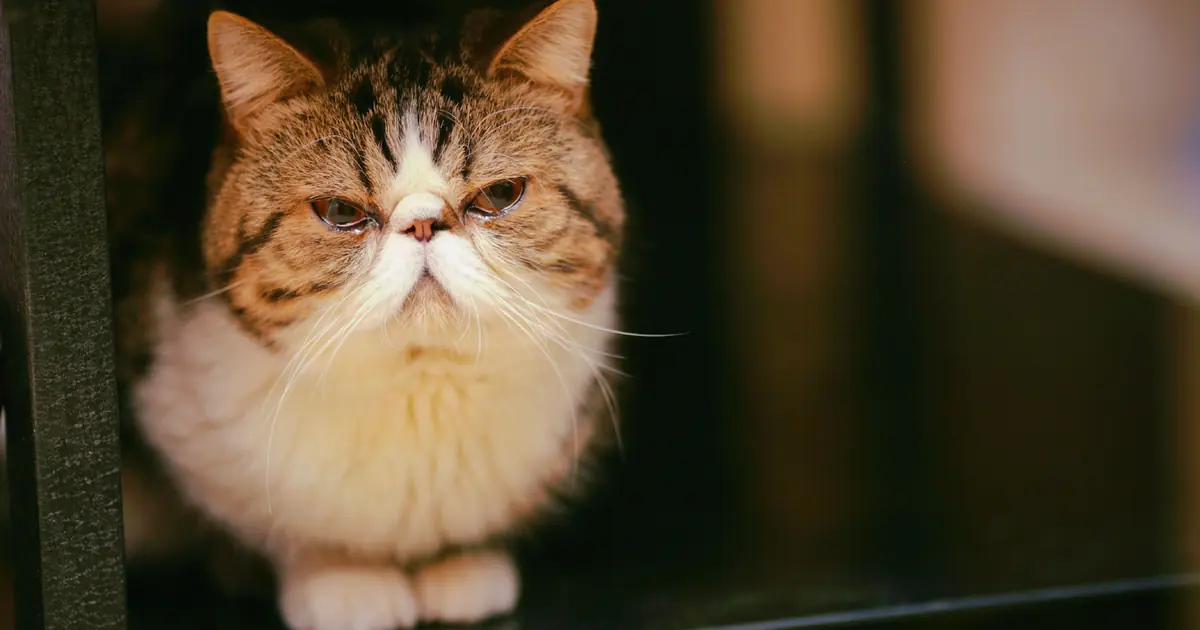
Big round eyes. A tiny button nose that looks pushed right into the face. That squishy, permanently grumpy expression that makes people go “aww” in the pet store. Flat-faced cats are internet-famous for a reason.
But here’s the part the cute photos leave out. That flat face is the result of selective breeding, and it can bring some genuine health baggage. A flat face cat breed can be one of the sweetest, calmest companions you’ll ever share a couch with. It can also need daily face-wiping and closer vet care than the average tabby.
This guide covers every main flat-faced breed, why they look the way they do, their lovely personalities, and the honest health trade-offs you should know before you fall in love.
This article is educational and isn’t a substitute for veterinary care. If your flat-faced cat is struggling to breathe or has runny, sore eyes, call your vet.
- Brachycephalic means “short head,” a shortened, flattened skull created through selective breeding.
- The Persian, Exotic Shorthair, and Himalayan are the only truly flat-faced (fully brachycephalic) cat breeds.
- British Shorthairs, Scottish Folds, Burmese, and Selkirk Rex are semi or moderately flat-faced and usually much healthier.
- Flat-faced cats are prone to noisy breathing, constant eye tearing, crowded teeth, heat sensitivity, and birthing trouble.
- These breeds tend to have wonderfully calm, affectionate, low-energy personalities.
- Daily face and eye cleaning, plus regular vet checks, are part of the deal with a flat-faced cat.
What does brachycephalic (flat-faced) mean in cats?
Brachycephalic is the vet word for a flat face. It comes from Greek roots meaning “short” and “head,” and it describes a cat whose skull is shorter and wider than a normal cat’s, which pushes the nose and jaw inward and flattens the face. The bones of the face are compressed, but the soft tissue inside (nose, palate, tear ducts) doesn’t shrink to match, and that mismatch is where the health problems begin.
A normal cat has a gently sloped muzzle. A flat-faced cat has almost no muzzle at all. In the most extreme “peke-faced” Persians, the nose sits up between the eyes instead of out front. Cute? Absolutely. But that squashed layout crowds the airway, the eyes, and the teeth into a space that was never designed to hold them.
Which cat breeds are flat-faced?
Only three cat breeds are considered truly flat-faced, or fully brachycephalic: the Persian, the Exotic Shorthair, and the Himalayan. A handful of others have a rounder, shorter face without the extreme flatness, so people often lump them in too. Here’s how the main flat-faced and semi-flat-faced breeds compare.
| Breed | Flatness level | Coat | Personality | Health notes |
|---|---|---|---|---|
| Persian | Extreme (fully flat) | Long | Calm, gentle, quiet lap cat | Highest risk: breathing, eyes, teeth |
| Exotic Shorthair | Extreme (fully flat) | Short | Sweet, easygoing, playful | Same face risks as Persian, easier coat |
| Himalayan | Extreme (fully flat) | Long | Affectionate, docile, mellow | Persian-Siamese cross, same flat-face risks |
| British Shorthair | Moderate (round, not flat) | Short/dense | Reserved, steady, independent | Generally healthy face; watch heart (HCM) |
| Scottish Fold | Moderate (round) | Short or long | Sweet, quiet, affectionate | Round face mild; known for joint/cartilage issues |
| Burmese | Mild to moderate | Short | Playful, social, dog-like | Some lines have flatter faces and airway/skull issues |
| Selkirk Rex | Mild (rounded) | Curly | Patient, cuddly, laid-back | Persian ancestry; mostly a rounded, not flat, face |
If you’re trying to work out what your own cat is, our guide on how to tell what breed your cat is can help you read the clues. And if a fluffy flat face is what you’re after, most of these breeds also show up in our roundup of long-haired cat breeds.
Persian: the classic flat-faced cat
The Persian is the original flat-faced cat and the most extreme of the bunch. Persians have a long, flowing coat, a broad round head, huge eyes, and a nose so short it nearly disappears. Personality-wise, they’re the definition of a lap cat: calm, quiet, gentle, and happy to lounge for hours. They’re not climbers or chaos agents. They want soft laps and a peaceful house. Because of that extreme face and long coat, Persians need the most daily upkeep of any breed here. Our full Persian cat guide walks through their care in detail.
Exotic Shorthair: the Persian in pajamas
The Exotic Shorthair is basically a Persian with a short, plush coat, which is why fans call it “the lazy man’s Persian.” It has the same flat face, same round eyes, and the same sweet, mellow temperament, but without hours of daily brushing. Exotics are a touch more playful than Persians and adore their people. If you love the squishy face but dread the grooming, this is your cat. Read more in our Exotic Shorthair guide.
Himalayan: Persian looks, Siamese color
The Himalayan is a cross between a Persian and a Siamese, so it has the flat Persian face and long coat with the pointed color pattern and blue eyes of a Siamese. Himalayans are gentle, docile, and affectionate, and they carry the exact same flat-face health risks as Persians. Our Himalayan cat guide covers their grooming and care.
The semi-flat-faced breeds
The British Shorthair, Scottish Fold, Burmese, and Selkirk Rex have rounder, shorter faces without the extreme flatness of a Persian. They’re usually much healthier in the airway and eye department because their nose and tear ducts still work more or less normally. The British Shorthair has that chubby-cheeked teddy-bear look but a functional face. Just know each has its own separate health watch-list (British Shorthairs and heart disease, Scottish Folds and their cartilage/joint condition), unrelated to the flat-face issues.
Why do flat-faced cats look that way?
Flat-faced cats look that way because of selective breeding, not nature. Breeders over many decades chose cats with shorter and shorter faces to meet a fashionable “look,” and each generation pushed the muzzle flatter. The original Persians of a century ago had far longer noses than today’s show cats. A natural, healthy cat face has a clear muzzle for a reason: it gives the nose, airway, and teeth room to work.
This matters because the flat face isn’t a harmless quirk. It’s a deliberately bred trait that comes with predictable medical costs, which is why welfare groups now push breeders to select for healthier, more open faces.
What health problems do flat-faced cats have?
Flat-faced cats are prone to breathing trouble, chronic eye tearing, crowded teeth, birthing difficulty, and heat sensitivity, all stemming from that compressed skull. The more extreme the face, the higher the risk. Not every flat-faced cat suffers badly, but the odds are stacked, so knowing the signs helps you catch problems early.
Breathing difficulty (BOAS)
Breathing problems are the most serious risk for flat-faced cats. Because the skull is squashed but the soft tissue isn’t, many brachycephalic cats have narrowed nostrils and a soft palate that’s too long for the shortened mouth, a cluster of issues known as brachycephalic obstructive airway syndrome (BOAS). According to VCA Animal Hospitals, this can cause noisy or labored breathing, snoring, mouth-breathing, and reduced tolerance for exercise. Loud, snorty breathing in a flat-faced cat isn’t “cute,” it’s a sign the airway is working too hard, and it’s worth a vet visit.
Eye tearing and discharge
Constant eye tearing is one of the most common flat-faced cat problems. The shortened skull kinks or blocks the tear ducts, so tears can’t drain into the nose the way they should and spill down the face instead. Vets call this overflow epiphora. The result is those permanent brown tear stains under the eyes, and skin that stays wet and can get sore or infected. International Cat Care notes that flat-faced cats are also more prone to eye conditions like corneal ulcers because their large, prominent eyes are more exposed. Daily gentle wiping is a must.
Dental crowding and malocclusion
Flat-faced cats often have crowded, misaligned teeth. The jaw is shortened, but the teeth are still full-size, so they get crammed together and don’t meet properly, a bite problem called malocclusion. Crowded teeth trap food and plaque, which raises the risk of dental disease and painful gums. Many flat-faced cats need extra dental care and more frequent professional cleanings.
Skin fold infections
The deep facial folds on an extreme flat face trap moisture and debris. That warm, damp crease is a perfect spot for bacterial and fungal skin infections, especially the fold right below the eyes where tears constantly run. Keeping the folds clean and dry helps prevent flare-ups.
Heat sensitivity
Flat-faced cats overheat more easily than other cats. Cats cool themselves partly by moving air across the nose and airway, and a squashed, narrow airway does that job poorly. On hot days, a brachycephalic cat can struggle to regulate its temperature, so they need shade, cool spots, and fresh water, and should never be left in a warm car or stuffy room.
Birthing difficulties
Flat-faced breeds have a higher rate of birthing complications. Kittens inherit the same big, round heads, which can make natural delivery hard, so brachycephalic breeds see more difficult births (dystocia) and cesarean sections than normal-faced cats. It’s one more reason responsible breeding of these cats takes real veterinary support.
How do you care for a flat-faced cat?
Caring for a flat-faced cat means a bit of daily maintenance plus closer vet attention. None of it is hard, but it’s a routine you’ll do for the cat’s whole life. Here’s what good flat-faced cat care looks like day to day.
- Wipe the eyes and face daily. Use a soft, damp cloth or a vet-approved wipe to clean tear stains and keep the under-eye folds dry. This prevents staining, sores, and skin infections.
- Brush long coats every day. Persians and Himalayans mat fast, so daily brushing keeps the coat healthy and the rear end clean. Exotic Shorthairs need far less.
- Watch the breathing. Learn your cat’s normal breathing. Sudden snorting, open-mouth breathing, or struggling after light play means call the vet.
- Stay on top of dental care. Regular tooth brushing and professional cleanings help fight the dental disease that crowded mouths invite.
- Keep them cool. Provide shade, good airflow, and fresh water, and skip strenuous play in the heat.
- See the vet regularly. Twice-yearly checkups catch airway, eye, and dental problems before they get serious.
Are flat-faced cats healthy? The honest trade-off
Flat-faced cats can live long, happy lives, but the extreme flat face is a real welfare concern, and it’s fair to be uneasy about it. A cat that snores, tears constantly, and can’t cool itself well is paying a price for a look humans chose. Many vets and welfare groups, including International Cat Care, openly discourage breeding for ever-flatter faces and encourage healthier, more moderate features instead.
That doesn’t mean you can’t love and own one. It means going in with open eyes. If you want a flat-faced breed, buy from a responsible breeder who prioritizes health over an extreme look: one who screens for breathing and eye problems, breeds cats with slightly more open faces and functional nostrils, tests for breed-specific diseases, and lets you meet the parents. Honestly, a Persian or Exotic with a bit more nose is a better bet than the flattest cat in the litter. Adopting an adult flat-faced cat from a rescue is another great option, since you can see its health as it already is.
Flat-faced cat breeds FAQ
Q: What is the most flat-faced cat breed?
The Persian is the most flat-faced cat breed, especially the extreme “peke-faced” show type whose nose sits up between the eyes. The Exotic Shorthair and Himalayan share the same extreme flatness, since both were developed from Persians.
Q: Are flat-faced cats always unhealthy?
No, but they carry a higher risk of breathing, eye, and dental problems than normal-faced cats. Many live comfortable lives, especially those bred with slightly more moderate faces. The more extreme the flatness, the higher the chance of serious issues.
Q: Why do flat-faced cats have watery eyes?
Flat-faced cats have watery eyes because their shortened skull kinks or blocks the tear ducts, so tears overflow onto the face instead of draining into the nose. This overflow, called epiphora, causes the brown tear stains you see under their eyes and needs daily cleaning.
Q: Do flat-faced cats have trouble breathing?
Many do. Flat-faced cats often have narrow nostrils and an overly long soft palate, part of brachycephalic obstructive airway syndrome (BOAS), which causes snoring, snorting, and labored breathing. Persistent noisy breathing should always be checked by a vet.
Q: Which flat-faced cat is best for a first-time owner?
The Exotic Shorthair is often the easiest flat-faced breed for beginners because it has the same sweet, calm Persian personality but a short coat that needs far less grooming. Just be ready for daily face-wiping and closer vet care with any brachycephalic cat.
Q: Is the British Shorthair a flat-faced breed?
Not truly. The British Shorthair has a round, chubby-cheeked face but a functional muzzle, so it’s considered moderate rather than fully flat-faced. It generally avoids the severe airway and tear-duct problems that Persians and Exotics face.
Q: How much does it cost to care for a flat-faced cat?
Flat-faced cats usually cost more to care for than average cats because of grooming supplies, daily eye care, and extra vet visits for breathing, eye, and dental issues. Budget for potential dental cleanings and, in some cases, surgery to widen the nostrils or airway.
Q: Are flat-faced cats affectionate?
Yes, very. Persians, Exotic Shorthairs, and Himalayans are famously gentle, calm, and affectionate lap cats that love quiet company. Burmese are more playful and social. Overall, flat-faced breeds are known for sweet, easygoing personalities.
Flat-faced cat breeds like the Persian, Exotic Shorthair, and Himalayan are some of the most charming, cuddly cats around, but that squished face is a package deal. Go in knowing the breathing, eye, and dental risks, commit to the daily face care, and choose a health-first breeder or a rescue. Do that, and your flat-faced cat can have the long, comfy, lap-warming life it deserves.

Hello and welcome to The Ideal Cat!
We are some passionate cat owners from different professions. We love our cats and have a lot of experience in how to care for our pets. We are incredibly excited to share our knowledge, experience, and research with you. So you can take good care of your loving cat. We will answer most of the common questions about owning cats, taking care of them, etc. If you have any question contact with us. Thanks for visiting! Enjoy the content.
