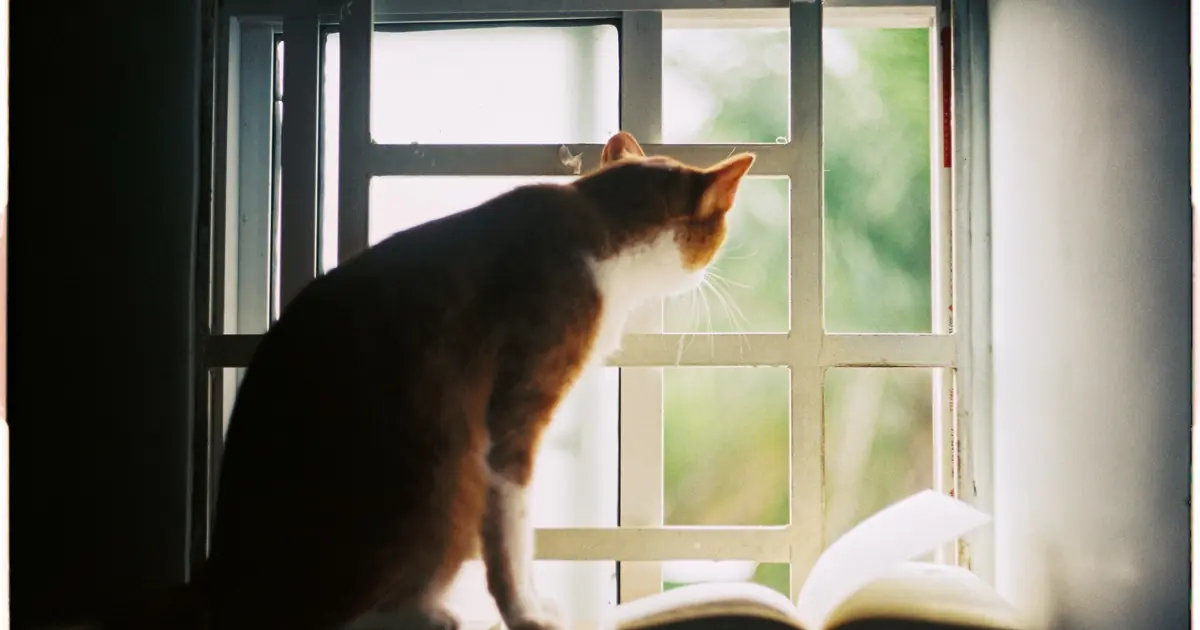
Rehoming a cat, whether you’re adopting or having to give one up, tugs at the heart. You can’t help wondering: does the cat feel it too? Are they sad?
The honest answer is yes, they feel the upheaval, and here’s how to help them through it.
- Cats can feel sad, anxious, or stressed after rehoming because it disrupts their routine and territory.
- Common signs include hiding, reduced appetite, withdrawal, over-grooming, or clinginess.
- Most cats settle into a new home within a few weeks with patience and consistency.
- A quiet safe room, a steady routine, and familiar items ease the transition.
- See a vet if your cat won’t eat for more than a day or two or stays deeply withdrawn.
Do cats get sad when rehomed?
Yes, cats often get sad or stressed when they’re rehomed. Cats are creatures of habit that bond to their territory, routine, and people, so a new home upends everything familiar at once. Many respond by hiding, eating less, or acting quiet and withdrawn in the first days. This is a normal stress reaction, not a sign the cat won’t be happy, and most cats adjust well with time and gentle support.
How do cats show sadness after rehoming?
Cats show rehoming stress mainly through changes in behavior. Watch for these common signs:
- Hiding for hours or days in a safe spot.
- Reduced appetite or refusing food at first.
- Withdrawal, less play, interaction, or curiosity.
- Excessive grooming or, conversely, less grooming.
- Clinginess, vocalizing, or litter-box changes.
These overlap with other emotional states, so it helps to know the broader signs of cat depression symptoms and how cats process loss in do cats grieve.
How long does it take a cat to adjust to a new home?
Most cats adjust to a new home within about two to six weeks, though it varies by cat. Confident cats may settle in days, while shy or older cats can take a couple of months to fully relax. A common guideline is the “3-3-3” idea: roughly 3 days to decompress, 3 weeks to learn the routine, and 3 months to feel truly at home. Patience is everything, don’t rush the process.
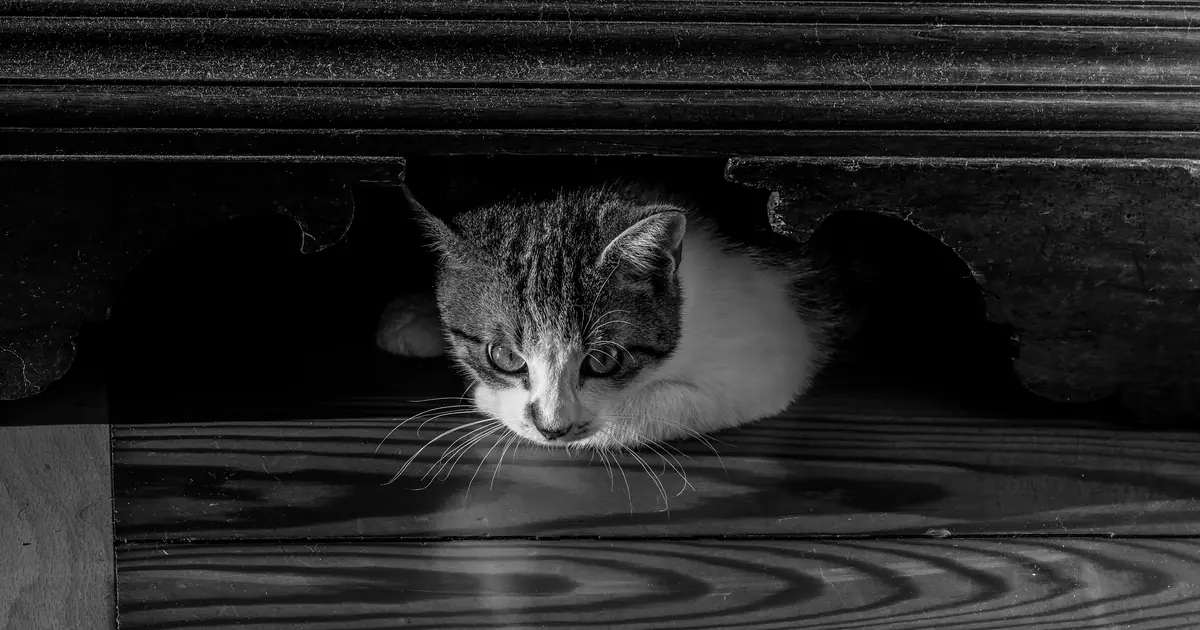
How can you help a rehomed cat feel better?
You help a rehomed cat by creating safety, routine, and gentle familiarity. Start with a quiet safe room stocked with food, water, a litter box, and hiding spots, then expand its space gradually. Keep feeding and play times consistent, let the cat approach you rather than forcing contact, and bring along familiar items (a blanket or toy) if you can. Calm, predictable days rebuild a cat’s sense of security faster than anything else, much like the approach in socializing a shy cat.
Rehoming stress vs a happy adjustment
Here’s how to tell normal settling from a cat that needs more help.
| Adjusting normally | Needs more support or a vet |
|---|---|
| Hides at first, then explores more each day | Stays hidden and withdrawn for weeks |
| Appetite returns within a day or two | Won’t eat for more than 24 to 48 hours |
| Starts using the litter box normally | Ongoing litter-box avoidance or accidents |
| Begins to play and seek attention | Persistent lethargy or signs of illness |
When should you worry about a rehomed cat?
Worry, and call your vet, if a rehomed cat won’t eat for more than a day or two, stays deeply withdrawn beyond the normal settling period, or shows physical symptoms like vomiting, diarrhea, or weight loss. A cat that stops eating can develop a serious liver problem quickly, so appetite loss is the biggest red flag. This article is educational and not a substitute for veterinary care. If loneliness seems part of the picture, see do cats get lonely. Trusted guidance on feline stress and adjustment comes from the ASPCA and International Cat Care.
Frequently Asked Questions
Q: Do cats miss their old owners after rehoming?
Cats can miss familiar people and their old territory, which is part of why they seem sad at first. They form attachments, so the change is felt. Most, however, bond with new caregivers as they settle into a stable, loving routine.
Q: How long will my rehomed cat be sad?
Usually a few days to a few weeks. Many cats decompress in about 3 days, learn the routine in 3 weeks, and feel fully at home by 3 months. Shy or older cats may need longer, so be patient.
Q: Is it cruel to rehome a cat?
No, rehoming isn’t cruel when it’s necessary and done thoughtfully. Cats feel the transition, but most adjust well to a caring new home. A calm introduction, a safe space, and routine make the change far easier on them.
Q: My rehomed cat won’t eat, what should I do?
Offer familiar or strong-smelling food in a quiet spot and give it space. If your cat still won’t eat for more than 24 to 48 hours, contact your vet, prolonged appetite loss in cats can cause serious liver problems and needs prompt care.
Q: How do I help my new cat settle in faster?
Set up a quiet safe room, keep feeding and play times consistent, let the cat come to you, and add familiar items if possible. Expand its space gradually. Calm, predictable routines rebuild a cat’s confidence quickly.
Q: Can rehoming make a cat depressed?
It can trigger temporary depression-like behavior, hiding, low appetite, and withdrawal. This usually lifts as the cat adjusts. If low mood, lethargy, or appetite loss persists beyond a few weeks, have your vet rule out illness and discuss support.

Hello and welcome to The Ideal Cat!
We are some passionate cat owners from different professions. We love our cats and have a lot of experience in how to care for our pets. We are incredibly excited to share our knowledge, experience, and research with you. So you can take good care of your loving cat. We will answer most of the common questions about owning cats, taking care of them, etc. If you have any question contact with us. Thanks for visiting! Enjoy the content.
