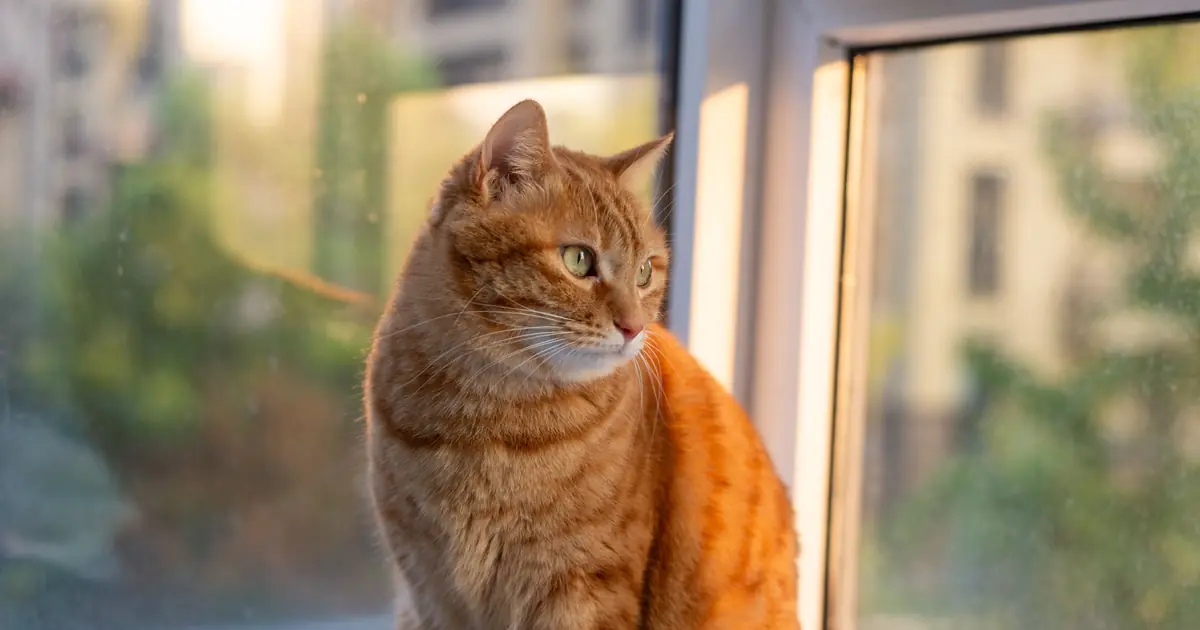
One day your cat had a best friend curled up beside her on the windowsill. The next day, that spot is empty, and something about your cat feels a little empty too. If she’s gone quiet, stopped finishing her food, or started wandering the house calling out at odd hours, you’re probably asking the question a lot of grieving cat parents ask: do cats grieve?
Here’s the honest answer. No one can climb inside a cat’s head and confirm she understands death the way we do. But cats are creatures of routine, scent, and attachment, and when a companion disappears, plenty of them act like something important is missing. Let’s walk through what grief actually looks like in a cat, how long it tends to last, and what genuinely helps.
- Cats often show grief-like behavior after losing a companion animal or a person they were bonded to, including searching, reduced appetite, extra sleep, and clinginess.
- A 2016 survey of dog and cat owners, published in the journal Animals, found 78% of surviving cats showed changes in affectionate behavior and 63% showed changes in territorial behavior after a companion’s death.
- A 2024 study of more than 400 cat owners found grieving cats commonly searched for the missing companion, ate less, slept more, and asked for extra attention from their people.
- Most cats settle back into a normal routine within a few days to a few weeks, though a smaller number stay unsettled for a couple of months.
- Grief and illness can look almost identical in cats, so a vet check is a smart move if the changes drag on or your cat stops eating.
Do Cats Really Grieve?
Cats do appear to grieve, though researchers choose their words carefully here. What we can actually measure is behavior: does a cat search for a missing companion, eat less, sleep more, or act differently after a loss? On that question, the evidence says yes for a lot of cats. What we can’t measure is whether a cat understands death the way a person does, or experiences sadness in the same way we describe it.
Cats are sentient animals, meaning they can experience real feelings like fear, comfort, and distress. But a cat’s experience of loss may be simpler than ours: an absence she notices and reacts to, rather than a story she tells herself about it. VCA Animal Hospitals notes that surviving cats commonly change their eating, sleeping, and vocal habits after a companion’s death, even though vets stop short of confirming exactly what a cat understands about death. Because of that, most researchers now use careful terms like “grief-like behavior” or “mourning-like response” instead of claiming to know a cat’s exact inner experience.
What Are the Signs a Cat Is Grieving?
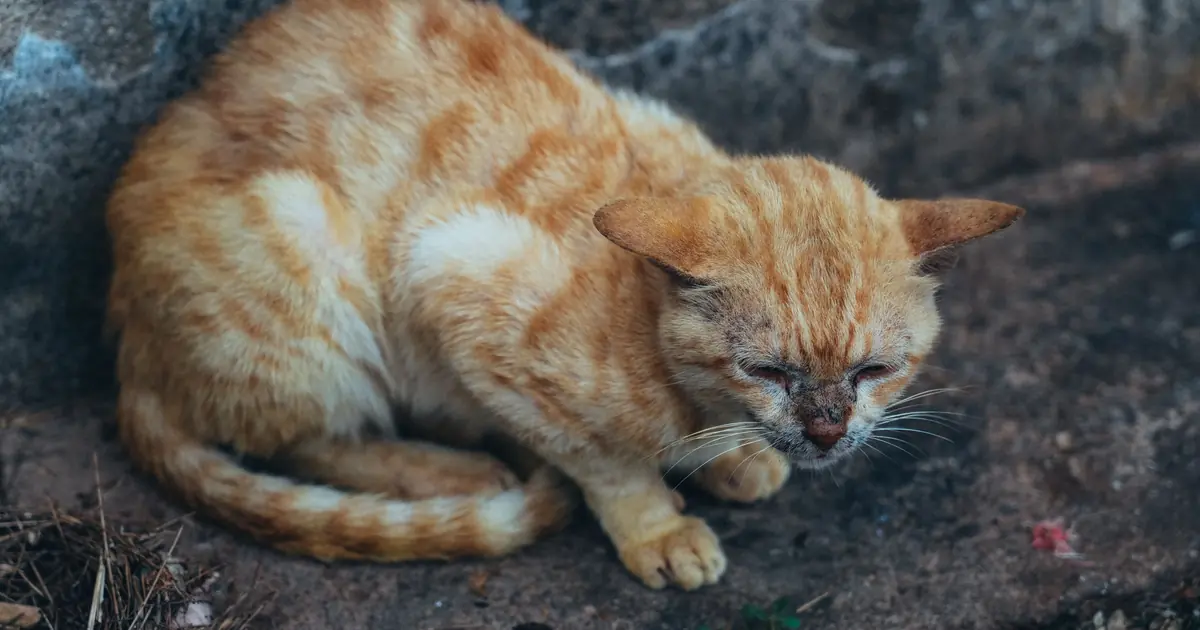
A grieving cat usually shows a cluster of changes at once, not just one odd behavior. The most common signs include searching or calling for the missing companion, eating less than usual, sleeping more, becoming extra clingy or hiding away, vocalizing differently, and shifting how she uses the litter box.
- Searching and calling out: Wandering room to room, checking favorite spots, and meowing louder or more often, sometimes at night.
- Appetite loss: Skipping meals or picking at food she used to finish easily.
- Sleeping more: Napping longer stretches, or curling up in unusual, quieter spots.
- Clinginess or hiding: Some cats shadow their owner everywhere. Others do the opposite and retreat under the bed.
- Vocal changes: More meowing, less meowing, or a different pitch than her normal voice.
- Litter box changes: Missing the box, or spending more or less time in it than before.
These specific numbers come from a 2016 study published in the journal Animals, which surveyed the owners of 152 cats and 159 dogs about behavior after a companion animal’s death. The table below breaks down each common sign, what it tends to look like day to day, and a quick way to respond.
| Sign of Grief | What It Looks Like | How to Help |
|---|---|---|
| Searching or calling out | Pacing, checking closets and beds, meowing at doors or windows | Sit with her during these moments, don’t scold the vocalizing, keep familiar scents around |
| Appetite loss | Leaving food untouched or eating much less than usual | Offer a favorite meal, warm wet food slightly to boost aroma, call a vet if it lasts past a day or two |
| Sleeping more | Longer naps, sleeping in new or hidden spots | Let her rest, but check in gently and watch for total withdrawal |
| Clinginess or hiding | Following you room to room, or disappearing under furniture | Offer calm attention on her terms, don’t force interaction if she’s hiding |
| Vocal changes | More frequent, louder, or unusually quiet meowing | Respond with a calm voice and gentle touch, avoid punishing the noise |
| Litter box changes | Accidents outside the box, or lingering in it longer than normal | Keep the box extra clean, add a second box temporarily, mention accidents to your vet |
Do Cats Grieve Other Cats, and Do They Grieve People Too?
Cats can grieve both other cats and the people they were close to, though bonded pairs show the clearest reaction. When two cats groomed each other, slept together, or ate side by side for years, the survivor is far more likely to search for her friend and act unsettled for a while. Cats who tolerated each other but weren’t close sometimes show little change at all, and a few even relax once a rival for food or attention is gone.
Cats grieve people too. A cat who loses a favorite family member, or who is suddenly separated from someone who moved away, can show the same searching, appetite loss, and clinginess described above. If you’ve ever wondered whether your cat truly loves you, this kind of reaction is one more sign that cats form real, specific attachments. They aren’t just showing up for the food bowl.
How Long Does Cat Grief Usually Last?
Most cats work through grief within a few days to a few weeks. International Cat Care describes a loose pattern many cats follow: a short, active phase right after the loss where a cat is more vocal and searches the house, sometimes followed by a quieter, withdrawn phase, before she settles back into her normal self. Not every cat goes through every phase, and some skip the withdrawn stage entirely.
A smaller number of cats stay unsettled for a couple of months. There’s no fixed timeline, and how a cat grieves depends on her personality, her bond with the companion she lost, and how much her daily routine changed along with the loss. If the change seems more like ongoing loneliness than short-term grief, it may help to read about whether cats get lonely and what that looks like day to day.
How Can You Help a Grieving Cat?
You help a grieving cat mainly by keeping her world steady and giving her time. Here’s what actually makes a difference:
- Keep the routine the same. Feed, play, and go to bed at the usual times. Predictability is comforting when everything else feels different.
- Offer extra calm attention. Sit near her, talk softly, and let her come to you rather than forcing cuddles.
- Add gentle enrichment. A new perch, a puzzle feeder, or a short play session can ease boredom and stress without overwhelming her. Reducing everyday stress matters here too, and our guide to signs of stress in cats can help you tell normal grief from something that needs more attention.
- Let her set the pace. Some cats want company constantly after a loss. Others want space. Follow her lead instead of your own instinct.
- Be patient with setbacks. A quiet day followed by a rough one is normal. Grief rarely moves in a straight line.
One question comes up a lot: should you let a surviving cat see or sniff a companion’s body before burial or cremation? This is genuinely debated among vets and behaviorists. Some believe it helps a cat register that her companion is truly gone, which may shorten the confused searching phase. Others see no solid evidence either way. If you do this, keep it brief, low pressure, and entirely the cat’s choice to approach or walk away. If you’re facing this decision as part of a pet’s final days, our guide on how to comfort a dying cat covers the practical side of that time too.
When Are “Grief” Signs Actually a Sign of Illness?
Grief-like signs can also mean your cat is sick, and that overlap is the most important thing to watch for. Not eating, hiding, sleeping more, and acting withdrawn are classic grief behaviors, but they’re also classic symptoms of pain, infection, dental disease, and plenty of other conditions that have nothing to do with loss.
Timing and severity are the clues that separate the two. Grief-like behavior tends to soften gradually over days to weeks. Illness tends to hold steady or get worse. If your cat is hiding and not eating for more than a day, losing weight, vomiting, or straining in the litter box, treat it as a medical issue first and a grief issue second.
Should You Get Another Cat Right Away?
Not necessarily, and rushing it can backfire. A new cat might genuinely help a social, easygoing survivor who clearly misses company. But a cat who’s hiding, on edge, or clearly wants solitude right now may see a new arrival as one more stressful change stacked on top of a loss she hasn’t processed yet.
Give it a few weeks to a couple of months and watch her personality return before deciding. If she’s back to her playful, food-motivated, window-watching self, a calm, slow introduction to a new cat can go well. If she’s still unsettled, wait longer and let her fully land before adding anything new to her world.
Grief signs and illness signs overlap so much in cats that it’s worth staying alert. Watching your cat go through a hard time is stressful for you too, and this article is meant to help you understand what’s normal, not replace a vet’s judgment. The ASPCA’s guidance on end of life care is a good place to start if your cat’s grief is tangled up with your own loss of another pet. See a veterinarian if grief-like signs last more than a couple of weeks, or if your cat stops eating at all, since a cat who goes without food for even a day or two can develop a serious complication called hepatic lipidosis, a form of liver disease. When in doubt, a quick vet visit rules out illness and gives you real peace of mind.
Frequently Asked Questions
Q: Do cats grieve the loss of another cat?
Yes, especially when the two cats were bonded. Bonded cats often show searching behavior, reduced appetite, and changes in vocalizing for days to weeks after a companion dies, while cats who weren’t close may show little reaction at all.
Q: Do cats grieve for their owners or other people?
Cats can show grief-like reactions after losing or being separated from a person they were attached to, including searching, clinginess, and eating less. The bond doesn’t have to be with another cat for a cat to react to its loss.
Q: How do I know if my cat is grieving or actually sick?
Grief-like behavior usually eases gradually over days to weeks, while illness tends to stay the same or worsen. If your cat stops eating for more than a day, loses weight, or shows other symptoms like vomiting, see a vet rather than waiting it out.
Q: How long does cat grief usually last?
Most cats settle back to normal within a few days to a few weeks. A smaller number of cats stay unsettled for a couple of months, and there’s no fixed timeline since it depends on the cat’s personality and how close the bond was.
Q: Should I let my cat see its deceased companion’s body?
This is debated among vets and behaviorists. Some think a brief, calm chance to sniff or view the body helps a cat register the loss, while others see no clear evidence it changes anything. If you try it, keep it short and let the cat choose whether to approach.
Q: Will getting a new cat help my grieving cat?
It depends on the cat. A social, easygoing cat may adjust well to a new companion once she’s back to her normal self, but introducing a new cat too soon, while she’s still withdrawn or on edge, can add stress instead of comfort.
Q: Do cats cry when they grieve?
Cats don’t cry emotional tears the way people do, but many vocalize more, or differently, when grieving, including louder or more frequent meowing, especially while searching for a missing companion.
Q: Can grief make a cat stop eating completely?
Yes, some grieving cats eat very little or skip meals entirely for a day or two. Because cats can develop a serious liver condition called hepatic lipidosis after going without food for even a short stretch, a cat who won’t eat at all needs a vet’s attention right away, grief or not.

Hello and welcome to The Ideal Cat!
We are some passionate cat owners from different professions. We love our cats and have a lot of experience in how to care for our pets. We are incredibly excited to share our knowledge, experience, and research with you. So you can take good care of your loving cat. We will answer most of the common questions about owning cats, taking care of them, etc. If you have any question contact with us. Thanks for visiting! Enjoy the content.
