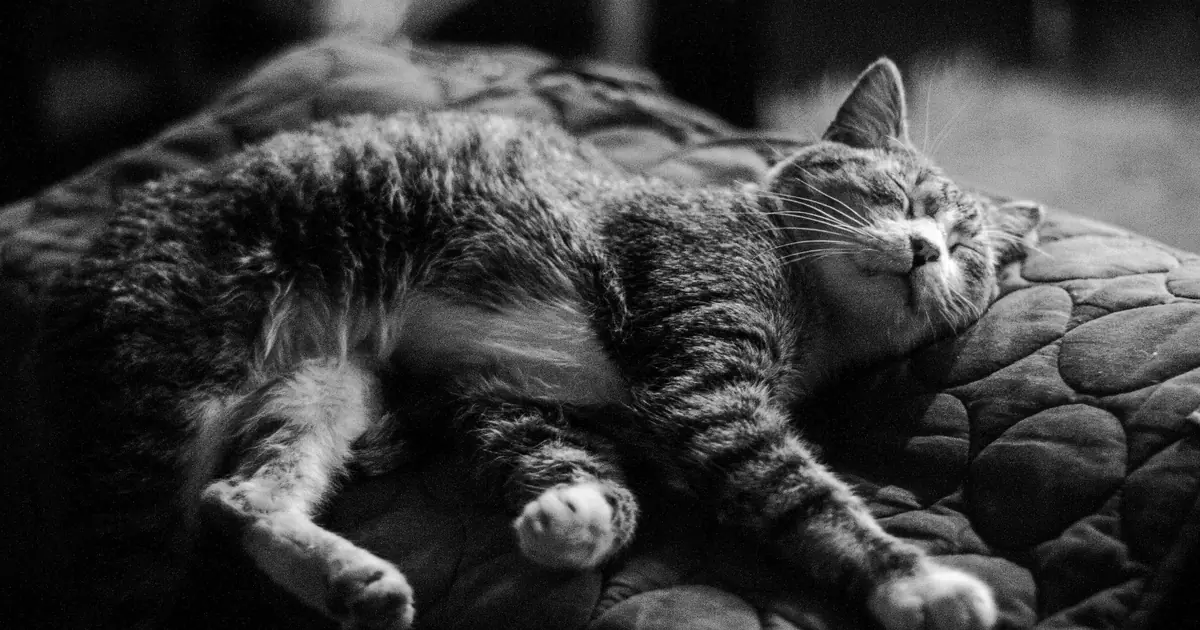
There’s a certain quiet that settles over a home when your cat is nearing the end. Maybe they’re sleeping more, tucked into a corner they’ve claimed as their own. Maybe they still lift their head when you walk in, or maybe they don’t anymore. Either way, you’re here because you love them and want to do right by them. That instinct is everything.
Learning how to comfort a dying cat isn’t about fixing what can’t be fixed. It’s about making their remaining time as gentle, warm, and pain-free as possible. You don’t have to have all the answers, and you don’t have to do this alone. Your vet is your partner here, and small acts of care can mean more to your cat than you might realize.
- A dying cat feels most comforted by warmth, a soft quiet resting place, and easy access to food, water, and a low-sided litter box.
- Pain management is the single most important part of end-of-life comfort, and it should always be guided by your veterinarian.
- Offer favorite foods and water gently, but never force a dying cat to eat or drink, as forcing can cause distress.
- Your calm, quiet presence is one of the greatest comforts you can give a dying cat.
- When a cat’s suffering can no longer be eased, an honest talk with your vet about hospice and euthanasia is an act of love, not failure.
How do you physically comfort a dying cat?
You physically comfort a dying cat by keeping them warm, soft, and close to everything they need. A dying cat has less energy to stay warm or travel across the house, so bring comfort to them rather than asking them to reach for it.
The comfort measures that help most:
- A warm, soft bed. Line a low bed with fleece or towels that are easy to wash. A pet-safe heating pad on low, or a warm (not hot) water bottle wrapped in a towel, can soothe an older, frail body.
- A quiet, low-traffic spot. Choose a calm corner away from noise and other pets. Many cats feel safest with sides around them, a little nook where they can feel hidden.
- Everything within reach. Place food, fresh water, and a litter box a step or two from their bed. A litter box with low or cut-down sides is far easier for a weak cat.
- Gentle grooming. A dying cat often stops grooming. Soft brushing, wiping the eyes and chin with a warm damp cloth, and cleaning up accidents keep them clean and dignified.
Watch how your cat responds. If they lean into a stroke, keep going. If they flinch or move away, ease off. Comfort is whatever feels good to them, and that can change day to day. Learning how to recognize pain and discomfort will help you read those cues.
How do you keep a dying cat calm and reduce stress?
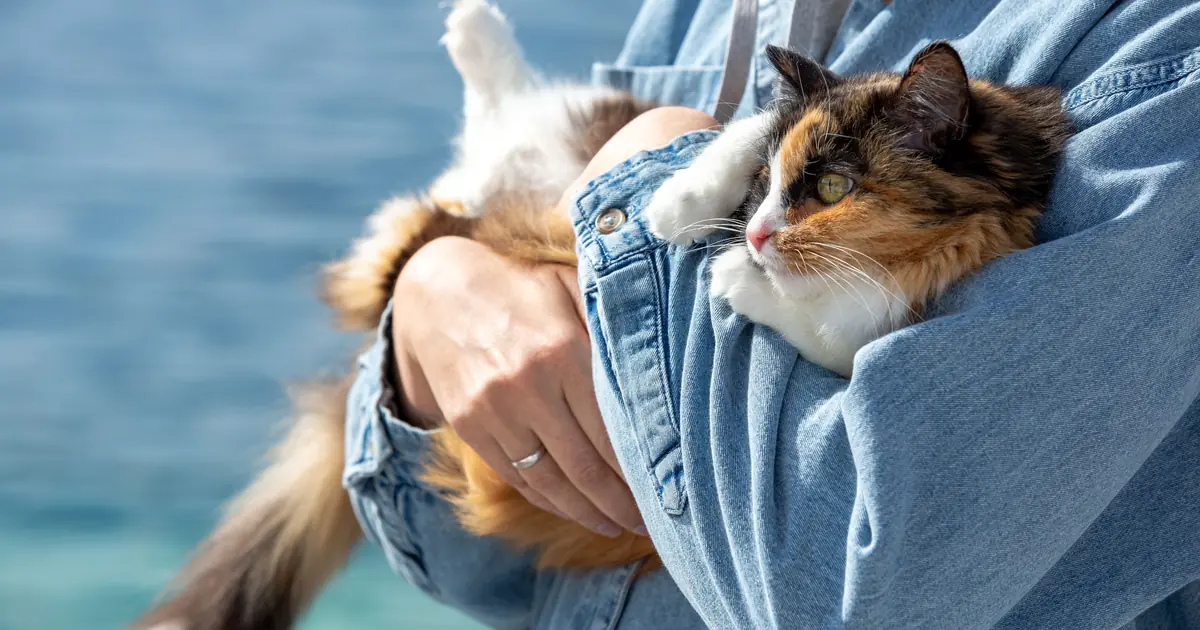
You keep a dying cat calm by lowering the noise, slowing the household pace, and letting them rest undisturbed. Stress and fear can make a cat’s final days harder, so a peaceful environment is a real gift.
A few simple things go a long way:
- Dim bright lights and keep the room quiet. Soft, low sounds beat a loud TV or busy kitchen.
- Keep visitors and handling to a minimum, and let your cat come to you when they can.
- Move slowly and speak softly. Your calm energy is contagious.
- Ask your vet about pheromone diffusers, which mimic the calming scent cats leave when they feel safe.
Some cats want to be near you constantly at the end. Others quietly withdraw. Both are normal. If your cat retreats, let them choose, and simply be nearby. Cornell’s Feline Health Center is a trusted place to read more about supporting a senior cat’s wellbeing.
How do you manage a dying cat’s pain?
You manage a dying cat’s pain by working closely with your veterinarian, who can prescribe safe, effective medications. Pain relief is the most important part of end-of-life care, and it is not something to attempt on your own with human medicines, which can be toxic to cats.
Vets often take a layered approach, combining several therapies for the best relief. That might include prescription pain medications, anti-nausea drugs, or appetite support, and some families also explore vet-guided massage or acupuncture, which many cats find soothing.
Please never give your cat any human pain reliever. Ibuprofen, acetaminophen, and aspirin can be deadly to cats even in tiny doses. If you think your cat is hurting, call your vet the same day. A cat in pain may hide, stop grooming, hunch, breathe faster, or grow unusually still and withdrawn.
| Comfort need | How you can help |
|---|---|
| Warmth | Soft bedding, a towel-wrapped heat source on low, a draft-free spot |
| Pain relief | Vet-prescribed medications; never human painkillers |
| Calm surroundings | Quiet room, dim lights, minimal handling, slow movements |
| Easy access | Food, water, and a low-sided litter box within a step or two |
| Cleanliness | Gentle brushing, wiping eyes and chin, prompt cleanup of accidents |
| Connection | Soft touch if welcomed, your quiet presence, a familiar voice |
Your vet may also offer palliative or hospice care, which focuses entirely on keeping your cat comfortable rather than curing illness. VCA Animal Hospitals has helpful, compassionate guidance on caring for a pet at the end of life that’s worth reading with your vet’s input.
Should you feed a dying cat, and what about water?
You should offer a dying cat food and water, but never force them to eat or drink. Appetite naturally fades near the end, and forcing food can cause nausea, choking, or distress. Gently offer, then honor whatever your cat wants.
To tempt a fading appetite, try these gentle ideas:
- Warm their wet food slightly to bring out the aroma many cats find appealing.
- Offer favorite, strong-smelling foods like tuna, plain cooked chicken, or a lick of meat baby food (with no onion or garlic).
- Hand-feed tiny amounts or let them lick food from your finger.
- Keep fresh water close, and ask your vet whether offering water by syringe is appropriate.
If your cat turns away, that’s okay. A dying cat refusing food isn’t being stubborn, and you’re not failing them. Their body is simply slowing down. Your vet can prescribe anti-nausea medication or appetite stimulants if they’d help, so mention any changes.
How can you stay present and connected with your dying cat?
You stay connected with your dying cat by being gently present on their terms, offering quiet company and soft touch when they welcome it. You don’t need grand gestures. Your steady, loving presence is the comfort that matters most.
Sit near their bed, talk softly, or just breathe with them. If they enjoy it, stroke them slowly in the spots they’ve always loved. Some cats purr right up until the end, and if you’ve wondered why cats purr when they are dying, it’s often a way of self-soothing rather than a sign they feel fine.
Let yourself grieve, too. Watching a companion fade is one of the hardest parts of loving an animal, especially after the many years cats can share our lives. There’s no right way to feel.
What are the signs the end is near, and when should you talk to your vet?
The signs the end is near include deep weight loss, extreme lethargy, hiding, refusing food and water, and changes in breathing. In a cat’s final hours, you may notice slow or irregular breathing, a drop in body temperature, muscle twitching, or loss of bladder and bowel control as the body relaxes.
Reach out to your vet whenever your cat’s comfort slips beyond what you can restore at home: ongoing pain, labored breathing, constant hiding, or a total loss of interest in food, family, and favorite routines. When the hard days start outnumbering the good ones, even with medication, it’s time for an honest conversation.
Many vets use a quality-of-life scale to help you see the whole picture together. It gently weighs things like:
- Hurt: Is pain well controlled? Can your cat breathe comfortably?
- Hunger and hydration: Are they eating and drinking on their own?
- Hygiene: Can they stay clean, or use the litter box?
- Happiness: Do they still enjoy you and the world around them?
- Mobility: Can they move around and rest without struggle?
This article offers comfort guidance, not a replacement for veterinary care. Only your vet can assess your cat and guide pain relief, hospice, and end-of-life decisions. International Cat Care shares thoughtful advice on caring for cats through illness and old age that can help you feel more prepared.
How do you know when it’s time, and what about hospice and euthanasia?
You’ll often know it’s time when your cat can no longer find comfort, joy, or relief from suffering, even with your best care and your vet’s support. Choosing euthanasia when suffering can’t be eased is one of the most loving gifts you can give. It is not giving up. It is sparing them pain.
Talk openly with your vet about your cat’s quality of life. Ask what to expect, what pain relief is possible, and whether hospice could keep your cat comfortable a little longer, or whether the gentlest choice is to say goodbye. There’s no shame in either path, and no perfect moment. Many families say they’d rather be a day early than a day late.
You also have choices about how and where. Some opt for a peaceful, vet-guided goodbye, and you can read about the humane option of euthanasia at home so your cat can rest in familiar surroundings. It helps to understand the practical planning and costs involved ahead of time, too.
Whatever you decide, know this: choosing to comfort a dying cat, and choosing to end their suffering when the time comes, both grow from the same deep love. You showed up. You paid attention. You put their comfort first. That’s everything a cat could ask for.
Frequently Asked Questions
Q: How do I comfort a dying cat in its final hours?
Comfort a dying cat in its final hours by keeping them warm, quiet, and undisturbed in a soft bed. Speak gently, offer slow touch if they welcome it, and stay nearby. Keep lights and noise low, and contact your vet at any sign of pain or distress.
Q: Should I force my dying cat to eat or drink?
No, never force a dying cat to eat or drink. Appetite and thirst naturally fade at the end of life, and forcing food or water can cause nausea, choking, or distress. Offer favorite foods gently, and ask your vet about anti-nausea medication if you’re worried.
Q: Do cats want to be alone when they are dying?
Some cats seek solitude when dying and hide away, while others want to stay close to family. Both are normal. Let your cat choose, keep their resting place calm and accessible, and offer your quiet presence without forcing interaction.
Q: How can I tell if my dying cat is in pain?
A dying cat in pain may hide, stop grooming, hunch, breathe faster, flinch when touched, or grow unusually still. Cats hide pain well, so any change is worth a call to your vet, who can prescribe safe pain relief. Never give human painkillers.
Q: What is cat hospice care?
Cat hospice, or palliative care, focuses on keeping a dying cat comfortable rather than curing illness. It centers on pain relief, nutrition support, and quality of life. Your vet guides the plan and helps you decide when euthanasia becomes the kindest option.
Q: How do I know when it’s time to euthanize my cat?
It may be time when your cat’s suffering can’t be eased and their bad days outnumber the good ones, even with medication. Ongoing pain, labored breathing, refusing food, and loss of joy are key signs. A quality-of-life scale and your vet can guide the decision.
Q: Is it better to let a cat die naturally or euthanize?
A natural death is often slow and can involve pain or distress that’s hard to control at home. When suffering can’t be relieved, vets generally consider euthanasia the gentler, more peaceful choice. Discuss both paths with your vet to decide what’s kindest.
Q: What are the final signs a cat is about to pass away?
Final signs include very slow or irregular breathing, a drop in body temperature, extreme weakness, muscle twitching, and loss of bladder or bowel control as the body relaxes. Keep them warm and calm, and contact your vet for guidance and comfort care.

Hello and welcome to The Ideal Cat!
We are some passionate cat owners from different professions. We love our cats and have a lot of experience in how to care for our pets. We are incredibly excited to share our knowledge, experience, and research with you. So you can take good care of your loving cat. We will answer most of the common questions about owning cats, taking care of them, etc. If you have any question contact with us. Thanks for visiting! Enjoy the content.
