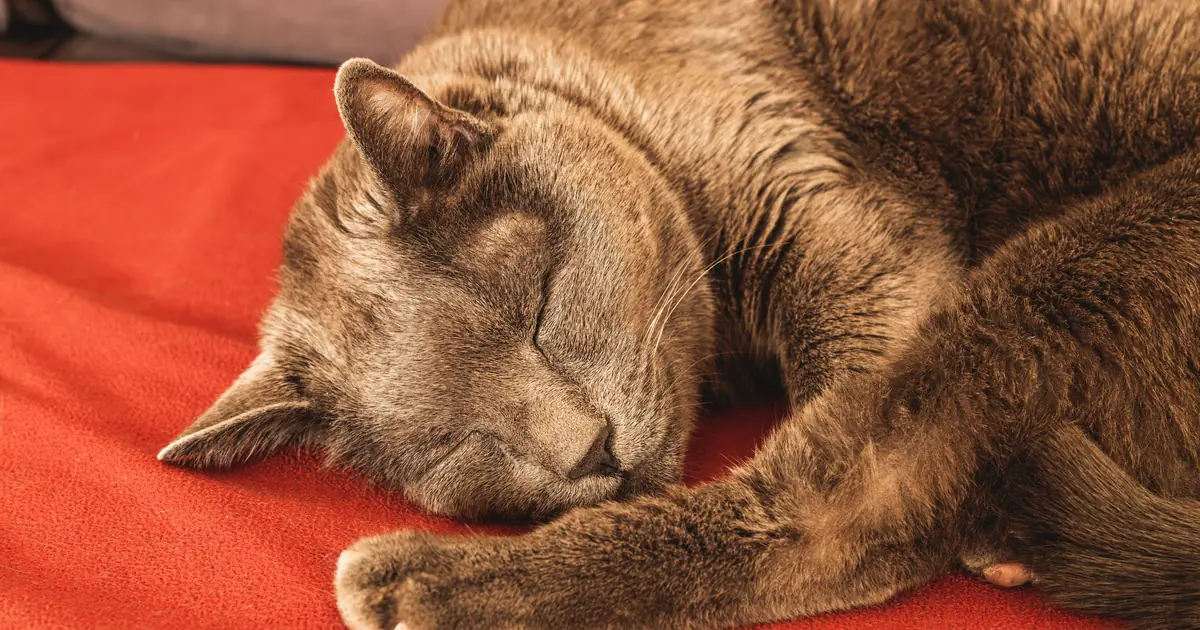
If you’re reading this, you’re probably facing one of the hardest days of loving a cat. Maybe she’s very old, or very sick, and you can see she’s tired. You just want her to be at peace, somewhere she feels safe, without the fear of the car and the clinic.
That wish is deeply loving. And there’s a real, gentle way to honor it. But the phrase “euthanize a cat at home” gets misread all the time, so let’s be clear and kind about what it actually means, and what it should never mean.
This article is educational and isn’t a substitute for veterinary care. Please talk with a licensed veterinarian about your cat and your options. If you’re struggling right now, a pet loss support line can help too.
- “Euthanize a cat at home” safely means a licensed veterinarian comes to your house to perform in-home euthanasia, not a do-it-yourself procedure.
- In-home cat euthanasia in the United States typically costs about $300 to $500, plus separate aftercare like cremation or burial.
- The vet gives a sedative first so your cat falls into a deep, painless sleep, then administers a final injection that gently stops the heart.
- You should never attempt euthanasia yourself or use household drugs. It is often agonizing for the cat, and it is illegal in many places.
- A quality-of-life scale like Dr. Alice Villalobos’s HHHHHMM tool can help you and your vet decide when it may be time.
What does “euthanize a cat at home” actually mean?
Euthanizing a cat at home means a licensed veterinarian travels to your house and performs a peaceful, medically proper euthanasia in a room your cat already knows and trusts. It does not mean handling it yourself. The word euthanasia means a gentle, painless death, and only a trained vet with the right medications can truly provide that.
A lot of grieving cat parents type this search hoping to spare their cat one last stressful trip. That instinct is beautiful. The good news is you can spare her that trip, safely, by booking a mobile or hospice vet who does home visits. Your cat gets to stay curled in her favorite blanket, on your lap, with the people she loves close by.
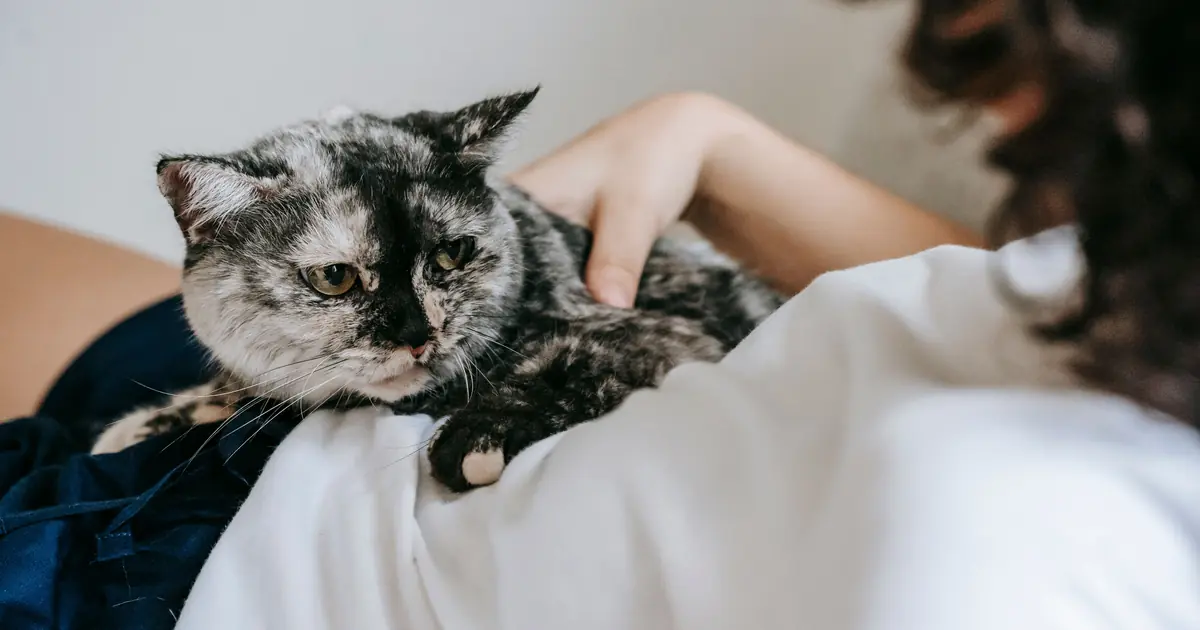
Is it safe to euthanize a cat at home myself?
No. You should never try to euthanize a cat yourself, and no household product, human medication, or over-the-counter substance can do it humanely. There is nothing you can safely give at home to help a cat pass gently. Attempting it usually causes fear, pain, seizures, or a slow, distressing death, which is the exact opposite of what a loving owner wants.
Here’s why the professional route is so different. The medications a veterinarian uses are controlled drugs, dosed and given in a specific way so the body shuts down without convulsions or suffering. A vet sedates your cat first, so she’s already deeply, peacefully asleep before anything else happens. That two-step process is what makes it painless, and it simply can’t be recreated with things from a cabinet or a pet store.
There’s a legal side too. In many states and countries, a person who is not a licensed veterinarian ending an animal’s life can face animal cruelty charges, even with the kindest intentions. Please don’t put yourself or your cat through that. If cost or access is the barrier, keep reading, because there are real options below.
How does in-home cat euthanasia work?
In-home cat euthanasia is a calm, two-step process led entirely by the veterinarian. The whole visit is unhurried, and you set the pace. Here’s what usually happens, step by step:
- A gentle arrival and a talk. The vet arrives, often in regular clothes rather than scrubs, and sits down with you first. You’ll talk about your cat, how she’s doing, and exactly how you’d like things to go.
- A quick comfort check. The vet may do a brief, gentle exam so you both feel confident about the decision.
- Sedation. Your cat gets a sedative injection, usually under the skin. Over about 5 to 15 minutes she relaxes and slips into a deep, painless sleep, right there on your lap or in her bed.
- The final injection. Once she’s fully asleep and feeling nothing, the vet gives the final medication. Her breathing and heartbeat slow and then quietly stop. It’s usually very fast and very peaceful.
- Time to say goodbye. The vet confirms she has passed, then gives you all the time you need. Many vets also make a clay paw print or save a lock of fur if you’d like a keepsake.
You’re encouraged to hold her, stroke her, and talk to her the whole time. Cats take comfort from your voice and your hands, and being close often helps you feel more at peace too. You can dim the lights, play soft music, or offer a last favorite treat if she’s up for it.
How much does it cost to euthanize a cat at home?
In-home cat euthanasia in the United States typically costs about $300 to $500, with a national average around $350 to $360. That’s usually more than an in-clinic visit, because you’re paying for the vet’s travel and their unhurried time in your home. Aftercare, like cremation or burial, is billed separately.
A few things move the price up or down. Where you live matters, and city visits often cost more than rural ones. Evening, weekend, holiday, or last-minute appointments can add a surcharge of roughly $100 to $200. If money is tight, ask your regular vet or local humane society about lower-cost options, because many will help.
| Cost factor | Typical range or note |
|---|---|
| In-home euthanasia (base service) | About $300 to $500 |
| National average | Around $350 to $360 |
| After-hours or urgent surcharge | Roughly $100 to $200 extra |
| Communal cremation (ashes not returned) | Often included or low added cost |
| Private cremation (ashes returned to you) | Separate fee, varies by provider |
For a fuller breakdown, see our guides on how much it costs to euthanize a cat and how much it costs to cremate a cat.
How do I know when it’s time? The quality-of-life scale
You’ll rarely feel completely sure, and that’s normal. A quality-of-life scale gives you a gentle, honest way to look at your cat’s daily life instead of guessing through the fog of grief. The most widely used one is the HHHHHMM scale, created by veterinary oncologist Dr. Alice Villalobos.
You score each of seven areas from 0 to 10, where higher is better. A total above about 35 out of 70 suggests your cat’s quality of life is still acceptable, while a lower or falling score is a sign to talk with your vet soon. The seven letters stand for:
| Letter | What you’re looking at |
|---|---|
| Hurt | Is pain well controlled? Can she breathe comfortably? |
| Hunger | Is she eating enough, on her own or with help? |
| Hydration | Is she drinking, or staying hydrated with vet support? |
| Hygiene | Can she stay clean, especially after using the litter box? |
| Happiness | Does she still show interest, joy, or connection with you? |
| Mobility | Can she move around enough to do what she wants to do? |
| More good days than bad | Are the good days still outnumbering the hard ones? |
The scale is a conversation starter, not a verdict. Score her over several days, then share it with your vet, who can weigh it against her diagnosis. And remember, a fading interest in life isn’t only physical. If you’ve noticed her withdrawing, our piece on signs of depression in cats may help you read her mood alongside her body.
What about hospice and palliative care first?
Pet hospice and palliative care are ways to keep a seriously ill cat comfortable and loved for as long as her quality of life holds. They aren’t giving up. They’re a plan for good days. Palliative care focuses on easing pain and symptoms, and can run alongside treatment. Hospice is the later stage, when the goal shifts fully to comfort near the end.
A hospice or palliative vet can help with pain relief, appetite, nausea, and gentle at-home nursing, and they’ll help you recognize when comfort is no longer possible. Leading veterinary groups, including the American Animal Hospital Association, encourage this kind of care so families have more calm, connected time and a clearer sense of when to say goodbye. The American Veterinary Medical Association highlights feline hospice guidelines built around both the cat’s wellbeing and the caregiver’s.
How do I find a vet who does home euthanasia?
Start with your own vet, who often either offers home visits or can refer you to a trusted mobile or hospice colleague nearby. Regular veterinarians know your cat’s history, which makes the decision feel less lonely. From there, a few reliable paths can connect you with an in-home vet:
- Ask your regular veterinary clinic directly, and ask for a referral if they don’t travel.
- Search national in-home services like Lap of Love or CodaPet, which list vets by area.
- Search “mobile vet euthanasia” or “in-home pet euthanasia” plus your city.
- Contact a local pet hospice or palliative care practice.
- Call an emergency animal hospital, which can guide you after hours.
When you call, mention your cat’s condition and ask what the visit includes, what it costs, and what aftercare they offer. A good end-of-life vet will answer gently and never rush you. For a sense of what to expect from the appointment itself and helpful questions to ask, the Cornell Feline Health Center has a compassionate guide.
What happens afterward? Aftercare and goodbye
After your cat passes, you’ll choose how to lay her to rest, and there’s no wrong choice. The two main options are cremation and burial. Your vet can handle it for you or hand her back so you can arrange things yourself. Take your time deciding. Nothing has to happen in a rush.
- Communal cremation: Your cat is cremated with other pets and the ashes aren’t returned. It’s the most affordable option.
- Private cremation: Your cat is cremated alone and the ashes are returned to you, often in an urn, usually for an added fee.
- Home or pet-cemetery burial: Allowed in many areas, but check local rules first, since home burial is restricted in some places.
Many home-visit vets bring keepsakes too, like a clay paw print or a clipping of fur. Small as they seem, a lot of families treasure them for years.
Taking care of yourself through the grief
Losing a cat can hurt as much as any loss, and your grief deserves care and patience. Please don’t let anyone make you feel silly for crying over a cat. That grief is a measure of the love you shared. Give yourself real time, and lean on people who understand.
Free, confidential pet loss support lines run through several veterinary schools, including Cornell, Tufts, and Washington State University, staffed by people who truly get it. Lap of Love and others host online grief support groups as well. The American Veterinary Medical Association keeps a helpful list of pet loss resources. Reaching out is a sign of strength, not weakness.
Cat euthanasia at home FAQ
Q: Can I euthanize my cat at home without a vet?
No. There is no safe, humane, or legal way to euthanize a cat yourself at home. Home methods and household or over-the-counter substances commonly cause pain, seizures, and a distressing death, and can lead to animal cruelty charges. The humane path is a licensed vet who offers in-home euthanasia.
Q: Is it painful for the cat?
When a veterinarian performs it, no. Your cat is given a sedative first and is in a deep, painless sleep before the final injection. Most cat parents describe the passing as remarkably calm and gentle, often quicker than they expected.
Q: How much does in-home cat euthanasia cost?
In the United States it usually runs about $300 to $500, with a national average around $350 to $360. Evenings, weekends, and urgent visits can add roughly $100 to $200. Cremation or burial is charged separately.
Q: How long does the whole visit take?
Most home visits last about 30 to 60 minutes, though the vet lets you set the pace. The sedative takes roughly 5 to 15 minutes to work, and the peaceful passing after the final injection is usually just a minute or two. You get all the time you need to say goodbye.
Q: Should I be there when it happens?
That’s entirely your choice, and there’s no wrong answer. Many cats find comfort in your voice and touch, and many owners are grateful they stayed. If it’s too much for you, that’s okay too. Your cat has felt your love every day.
Q: Can my other pets or my kids be present?
Yes, if you feel it’s right for your family. Some other pets seem to understand and settle afterward when they can be near. For children, a calm, honest goodbye can help. Do what feels gentle for everyone in your home.
Q: How do I know when it’s really time?
Use a quality-of-life scale like the HHHHHMM tool to look honestly at pain, appetite, hydration, hygiene, happiness, mobility, and the balance of good days versus bad. Then talk it through with your vet. If she has more bad days than good and comfort is slipping, it may be time.
Whatever you decide, know this: choosing a peaceful goodbye for a suffering cat is one of the kindest, most loving things you’ll ever do for her. Talk with a veterinarian, ask about an in-home visit, and let the professionals carry the medical part so you can simply be there, holding your cat, telling her she was loved.

Hello and welcome to The Ideal Cat!
We are some passionate cat owners from different professions. We love our cats and have a lot of experience in how to care for our pets. We are incredibly excited to share our knowledge, experience, and research with you. So you can take good care of your loving cat. We will answer most of the common questions about owning cats, taking care of them, etc. If you have any question contact with us. Thanks for visiting! Enjoy the content.
