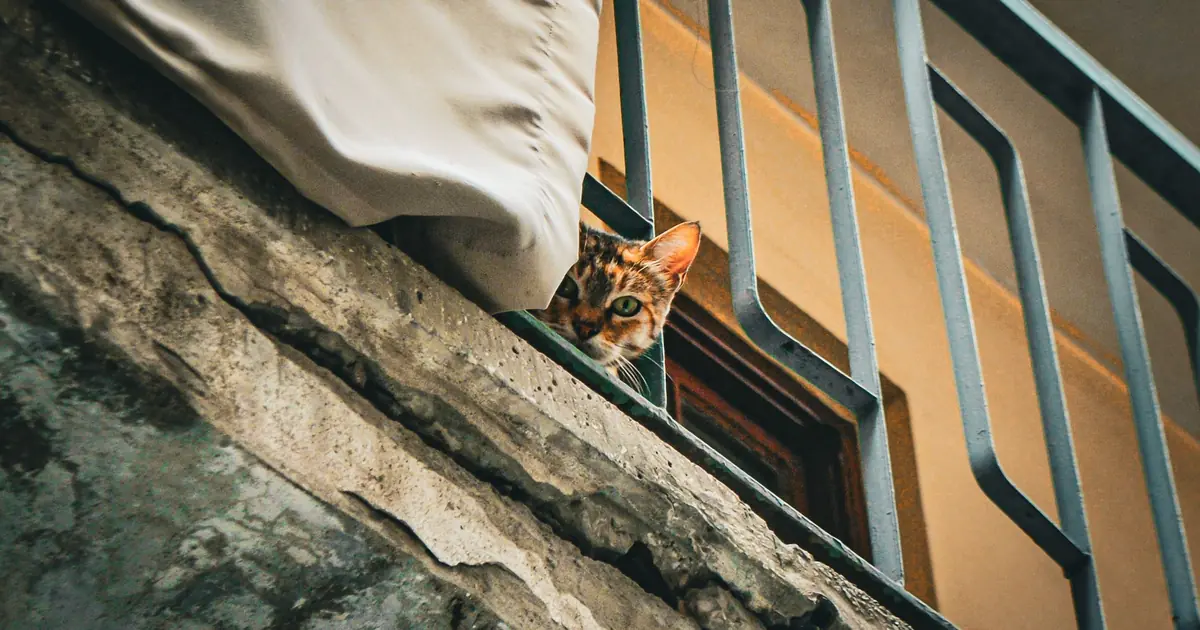
You grab your keys, and your cat appears out of nowhere to sit right in the doorway. Ten hours later you’re back, and she’s parked at the door like she never moved. It’s easy to laugh it off as cats being cats. But there’s a decent chance she actually missed you.
Cats built their reputation on independence, and there’s truth to it: a cat can survive a long day home alone just fine. Survive is not the same as thrive, though, and the empty-apartment stretch between your morning coffee and your evening key-jingle is exactly when loneliness and boredom creep in for a cat who’s wired for more interaction than she lets on.
- Cats can get lonely, and many form strong attachments to their owners similar in some ways to how dogs bond with people.
- Common signs of a lonely or bored cat include excessive meowing, clinginess, destructive scratching, over-grooming, and hiding.
- Healthy adult cats can generally be left alone for up to about 24 hours with fresh food, water, and a clean litter box, but kittens need much more frequent attention.
- A second cat can help some lonely cats, but it’s not a guaranteed fix and depends heavily on the individual cat’s personality.
- Sudden behavior changes can signal illness as well as loneliness, so a vet visit is worth it if new symptoms show up out of nowhere.
Do cats actually get lonely?
Yes, cats get lonely, though it doesn’t always look the way loneliness looks in a dog or a person. Cats evolved as solitary hunters, which is where the “aloof loner” myth comes from, but domestic cats are a different story. Many live in social groups, recognize their favorite humans, and seek out contact on their own terms. According to International Cat Care, cats that are highly bonded to their owners can show real distress when that person is away for long stretches, not just mild inconvenience.
The confusion comes from how differently cats show it. A lonely dog might bark at the door for hours. A lonely cat might just get quieter, sleep more, or pick a weird new spot to sulk in. Easy to miss if you’re not looking for it.
What are the signs of a lonely or bored cat?
A lonely or bored cat usually tells you through behavior changes, not words. Watch for a shift from her normal baseline rather than any single quirky moment.
- Excess vocalizing: more meowing, yowling, or crying, especially right when you get home or right before you leave.
- Clinginess: following you room to room, sitting on your keyboard, or refusing to let you out of sight. If this sounds familiar, our guide on why your cat is so clingy breaks down the common triggers.
- Destructive behavior: shredded furniture, knocked-over plants, or garbage raided while you’re out.
- Over-grooming: bald patches or raw skin from licking, often a stress response as much as a boredom one.
- Litter box lapses: peeing or pooping outside the box when nothing medical explains it.
- Withdrawal: hiding more, sleeping more than usual, or losing interest in toys and treats she used to love.
Some of these overlap with plain old stress, so it helps to rule that out too. Our post on signs of stress in cats covers the wider list of red flags.
How long can you leave a cat home alone?
Most healthy adult cats can handle being alone for about 8 to 24 hours, as long as they have fresh water, enough food, and a clean litter box. That covers a typical workday without much worry. Push much past 24 hours and you’re leaning on a friend, sitter, or boarder, not just a full bowl.
Kittens are a different case entirely. A kitten under 4 months old shouldn’t go more than a few hours alone. They need frequent meals, bathroom breaks, and socialization while their habits and confidence are still forming. Senior cats and cats with health conditions like diabetes or kidney disease also do better with someone checking in daily, since their needs can change fast.
| Cat | Reasonable time alone |
|---|---|
| Kitten (under 4 months) | 2 to 4 hours max |
| Healthy adult cat | Up to 24 hours, with food, water, and a clean box |
| Senior cat or cat with a health condition | Daily check-in recommended |
| Any cat, multiple days | Pet sitter or boarding needed |
The ASPCA notes that even independent-seeming cats do best with a consistent daily routine, since unpredictability itself can add stress on top of the alone time.
Does my cat need a companion cat?
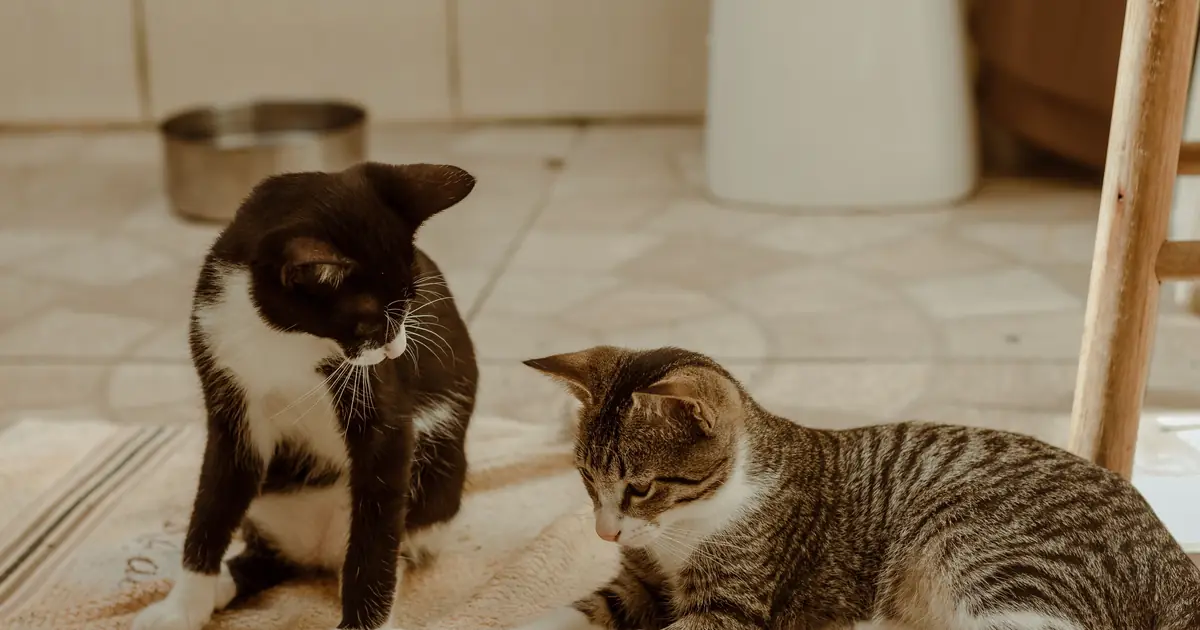
A second cat can ease loneliness for some cats, but it’s not a guarantee, and it can backfire with the wrong match. Some cats genuinely light up with a feline roommate: more play, more grooming each other, less destructive energy. Others, especially cats that were only-pets for years, see a new cat as an intruder and get more stressed, not less.
Before you adopt a second cat purely to solve loneliness, think about your current cat’s personality. Does she seek out other cats at the vet or a friend’s house, or does she hiss and hide? A slow, careful introduction matters too, since a botched first meeting can sour the relationship for months. If you do bring a companion home, expect a few weeks of gradual, supervised introductions rather than tossing them together on day one.
How can you prevent a cat from getting lonely?
You can prevent a lot of cat loneliness with a predictable routine and a few minutes of real engagement each day, even if you can’t be there around the clock.
- Play with her, twice a day if you can. Ten to fifteen minutes with a wand toy before work and again in the evening covers a real chunk of her exercise and hunting instinct.
- Give her a window seat. A perch overlooking birds, squirrels, or just the street gives her something to do for hours.
- Use puzzle feeders. Making her work a little for food turns mealtime into enrichment instead of a five-second event.
- Rotate her toys. Swapping toys in and out keeps them feeling new instead of ignored on the floor.
- Keep a consistent schedule. Feed, play, and say goodbye at roughly the same times each day. Predictability lowers stress on its own.
- Consider a cat TV or bird feeder outside a window. Movement to watch beats a blank wall.
- Ask a neighbor or sitter to pop in on long days. Even a five-minute visit breaks up a lonely stretch.
If you’re not sure which toys are worth the money, our roundups of best interactive cat toys and best cat toys overall are a good starting point. And if laser pointers are part of your routine, it’s worth reading whether laser pointers are bad for cats first, since they can frustrate a cat if that’s the only toy she gets.
Loneliness, separation anxiety, or boredom: what’s the difference?
Loneliness, separation anxiety, and boredom look similar from the outside but come from different places. Loneliness is about missing social contact. Boredom is about not having enough to do. Separation anxiety is a more intense, specific reaction tied to you leaving, and it tends to show up right at departure or arrival rather than sitting steady all day.
| Sign | Could mean | What helps |
|---|---|---|
| Meowing only when you grab your keys or return home | Separation anxiety | Calm, low-key departures and arrivals; consult a vet if severe |
| Meowing steadily throughout the day | Loneliness | More social time, a companion cat, or a sitter check-in |
| Shredded furniture or knocked-over items | Boredom | Puzzle feeders, more play, rotating toys |
| Following you constantly, sitting on your work | Loneliness or clinginess | Scheduled one-on-one play and affection |
| Over-grooming or bald patches | Stress, boredom, or anxiety | Enrichment plus a vet check to rule out medical causes |
| Hiding and low energy that’s new | Loneliness, stress, or illness | Vet visit first, then enrichment |
Some cats also just get jealous when attention shifts to a new pet or partner, which can look a lot like loneliness. If that sounds like your cat, our piece on whether cats get jealous is worth a read.
One more thing worth saying plainly: sudden behavior changes, especially hiding, appetite loss, or new litter box accidents, can signal illness just as easily as loneliness. This article is educational, not a substitute for veterinary care. If a new symptom shows up out of nowhere or sticks around more than a couple of days, it’s worth a call to your vet before assuming it’s boredom.
Why does my cat follow me everywhere all of a sudden?
A cat who suddenly starts following you everywhere is usually looking for reassurance, attention, or stimulation she isn’t getting elsewhere. This kind of shadowing often ramps up after a change: a new work schedule, a move, a new pet, or even just shorter days with less daylight. It’s rarely random. Something in her routine shifted, and sticking close to you is her way of managing it. Our full breakdown of why cats follow their owners everywhere digs into the specific triggers and when it’s worth extra attention.
Frequently Asked Questions
Q: Do cats get lonely when left alone all day?
Yes, some cats do get lonely during a full workday, particularly social cats that are strongly bonded to their owner. Signs include excess meowing when you get home, clinginess, or destructive behavior. A short daily check-in or extra playtime before and after work usually helps.
Q: How do I know if my cat is lonely or just sleeping a lot?
Cats naturally sleep 12 to 16 hours a day, so sleep alone isn’t a red flag. Look for a change from her normal pattern instead: new clinginess, more vocalizing, less interest in play, or hiding more than usual. A shift in behavior matters more than the total hours she naps.
Q: Can one cat be happy alone without another cat?
Yes, plenty of cats are perfectly content as the only pet, especially if they get regular play and attention from their owner. A second cat helps some lonely cats but stresses out others, so it depends on the individual cat’s personality rather than being a universal fix.
Q: What are the signs of separation anxiety in cats?
Signs of separation anxiety in cats include excessive vocalizing right before you leave or right after you return, accidents outside the litter box tied specifically to your absence, and destructive behavior clustered near doors and windows. It’s more intense and departure-specific than general loneliness.
Q: How long is too long to leave a cat alone?
More than 24 to 48 hours alone is generally too long for most adult cats, even with automatic feeders, since litter boxes need cleaning and cats benefit from social contact. Kittens should never go more than a few hours without a check-in.
Q: Do cats get sad when their owner leaves for vacation?
Many cats do show signs of missing their owner during a vacation, including reduced appetite, more sleeping, or a quieter mood, especially if the cat is closely bonded to that person. A trusted pet sitter who visits daily can ease this a lot more than an automatic feeder alone.
Q: Can boredom make a cat sick?
Boredom itself isn’t a disease, but the stress and inactivity it causes can contribute to issues like over-grooming, weight gain, and stress-related bladder problems such as feline idiopathic cystitis. The Cornell Feline Health Center notes that environmental enrichment plays a real role in reducing stress-linked illness in indoor cats.
Q: Does playing with my cat actually reduce loneliness?
Yes, regular interactive play meets a cat’s need for both mental stimulation and social contact, which are the two things missing most when a cat is lonely or bored. Even two short 10 to 15 minute sessions a day with a wand toy can noticeably cut down on clingy or destructive behavior.

Hello and welcome to The Ideal Cat!
We are some passionate cat owners from different professions. We love our cats and have a lot of experience in how to care for our pets. We are incredibly excited to share our knowledge, experience, and research with you. So you can take good care of your loving cat. We will answer most of the common questions about owning cats, taking care of them, etc. If you have any question contact with us. Thanks for visiting! Enjoy the content.
