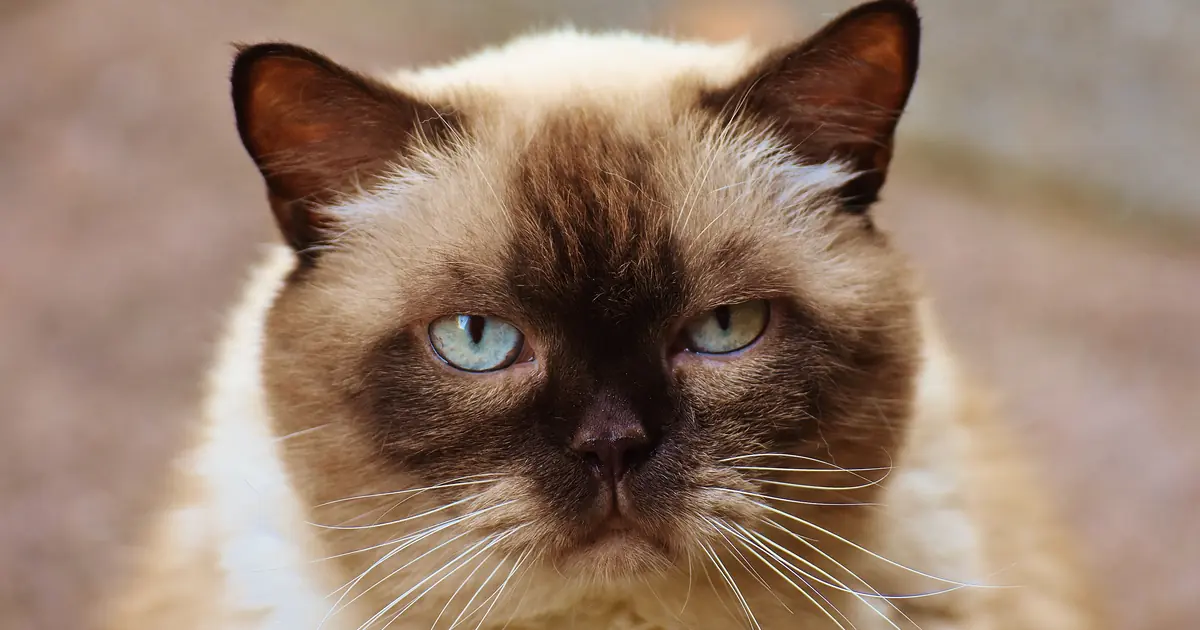
If you’ve ever spotted a cat with a warm, chocolatey coat and no stripes or spots anywhere on it, you were looking at something genuinely uncommon. Most brown cats you see out and about aren’t solid brown at all. Look closer and you’ll usually find faint tabby swirls hiding in the coat, especially in bright sunlight.
A true, solid brown cat, sometimes called a “self brown,” is a different story. Breeders spent decades chasing that exact color on purpose, because it doesn’t show up easily on its own. Here’s what’s actually going on with brown cat genetics, why solid brown is so hard to come by, and how to tell a true brown cat from a brown tabby in about five seconds.
- Solid brown coats come from recessive alleles of the black gene: “b” produces chocolate, and “bl” produces the lighter, more reddish cinnamon.
- Both parent cats must carry a copy of the recessive brown gene for a kitten to be born solid brown, which is why the color stays uncommon in random-bred cats.
- The Havana Brown was developed in England in the 1950s specifically to fix a solid chestnut brown coat as a breed standard.
- The York Chocolate was established in New York in the 1980s and remains extremely rare, with very few breeders working with it today.
- Brown tabby cats are common. A true solid, self-brown cat with zero tabby markings is not.
Are Brown Cats Rare?
Yes, a solid brown cat is genuinely rare. What most people picture when they hear “brown cat,” a warm, all-over chocolate or cinnamon coat with no stripes, patches, or points, only shows up when a kitten inherits two copies of a recessive gene. Random-bred cats rarely carry even one copy, so two cats carrying it and mating is a bit of a long shot. Most of the brown cats you’ll actually meet are brown tabbies, which are common, not solid brown, which isn’t.
Why Are True Brown Cats So Rare, Genetically?
Brown cats are rare because their color depends on a recessive variant of the black gene, and recessive traits need two copies to show up. Cat coat color starts with a gene locus scientists call the B locus, which controls the TYRP1 gene. This gene decides how eumelanin, the pigment responsible for black and brown tones, gets built in each hair shaft. There are three versions: B (dominant, produces black), b (recessive, produces chocolate), and bl (recessive to both of the others, produces the lighter cinnamon shade).
A kitten only ends up chocolate or cinnamon if it inherits the recessive version from both its mother and its father. If a kitten gets just one copy, the dominant black gene wins and the kitten is born black (or another color, depending on what other genes are in the mix), while quietly carrying brown as a hidden trait. That’s the whole reason solid brown stays uncommon: the gene has to be doubled up, and most cats simply don’t carry it at all. The University of California, Davis Veterinary Genetics Laboratory runs a DNA panel that tests specifically for these chocolate and cinnamon gene variants in cats, which tells you how deliberately breeders track this color.
Solid Brown vs. Brown Tabby: What’s the Real Difference?
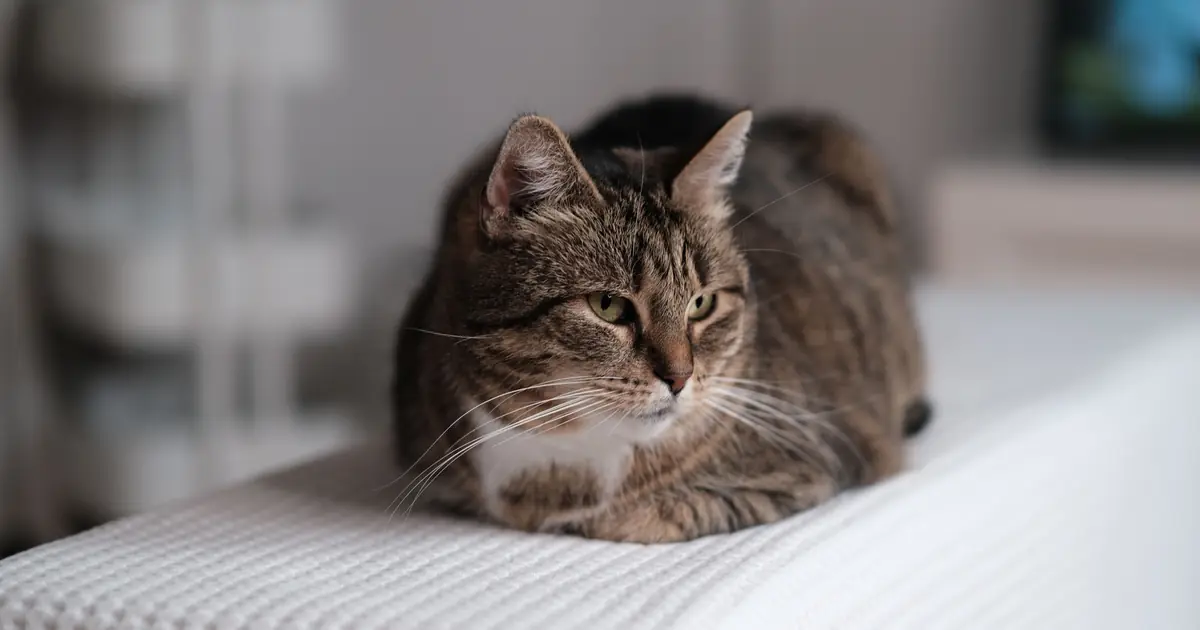
A solid brown cat has one even brown color across its entire coat, with no stripes, spots, or swirls anywhere. A brown tabby has a base brown or tan coat overlaid with darker brown or black striping, the classic “M” marking on the forehead, and ringed legs and tail. If you part the fur or look at the cat in strong light and see any patterning at all, you’re looking at a tabby, not a self-colored brown cat. Curious about the tabby pattern itself and where it comes from? Our guide on what makes a cat a tabby breaks down the different tabby patterns in more detail, and our guide to cat coat patterns covers how tabby, solid, and other patterns are inherited together.
Here’s a trick breeders use: even future solid-brown kittens are usually born with faint “ghost” tabby markings. Those markings fade out as the kitten matures, and by the time the cat is around a year old, the coat should read as a clean, even brown with no patterning left.
Which Cat Breeds Come in Solid Brown?
Two breeds were purpose-built around a solid brown coat, and a handful of others allow chocolate or cinnamon as an accepted color within their breed standard. The clearest example is the Havana Brown, developed in England in the 1950s by a group of breeders who deliberately paired a chocolate-carrying Siamese with a chocolate-carrying black cat to lock in a rich, warm chestnut coat with no tabby markings. You can read the full backstory in our Havana Brown cat guide, and the Cat Fanciers’ Association’s Havana Brown breed profile covers the official standard for the color.
The York Chocolate is the other true self-brown breed. It was established in New York State in the 1983, starting from a single chocolate-colored kitten named Brownie. It’s a long-haired breed with a solid chocolate or dilute lilac coat, and it’s kept remarkably rare on purpose: only a small handful of dedicated breeders work with the York Chocolate today, and outside a few catteries, you’re unlikely to ever meet one in person.
Beyond those two, chocolate and cinnamon also turn up as recognized colors in breeds like the Oriental Shorthair, the Cornish Rex, and some lines of Colorpoint Shorthair, where the brown gene shows up as chocolate or cinnamon points rather than an all-over coat. Our Colorpoint Shorthair breed guide walks through how point colors, including chocolate point, get inherited.
Are Brown Tabby Cats Rare Too?
No, brown tabby cats are one of the most common coat types in the world, not rare at all. The tabby pattern itself is caused by a completely different set of genes than the ones controlling solid brown, and tabby is actually the “default” pattern hiding under most solid-colored cats unless another gene specifically suppresses it. So while a solid, self-brown cat is uncommon, a brown (technically “brown tabby,” sometimes casually called a tiger cat) is something you’ll see in nearly every neighborhood. This is the single biggest mix-up people make: they call a brown tabby a “brown cat” and assume brown cats must be common, when the truly solid version is the rare one.
How Rare Is a True Self-Brown Cat, Exactly?
There’s no official worldwide count of solid brown cats, but breed registries give a good clue. Chocolate and cinnamon are minority colors even within the breeds that allow them, and the two breeds built entirely around solid brown, the Havana Brown and the York Chocolate, are both listed among the rarest pedigreed cats you can find. The Havana Brown has just a small number of active breeders across the US and UK, and the York Chocolate is rarer still, with numbers low enough that some registries list it as critically limited. Outside a pedigree, you’d need two random cats to both happen to carry a hidden copy of the recessive brown gene and then have kittens together, which simply doesn’t happen very often.
| Brown Coat Type | How Common It Is | Example Breed |
|---|---|---|
| Solid chocolate | Rare, needs two recessive “b” genes | Havana Brown |
| Solid cinnamon | Very rare, needs two recessive “bl” genes | Selkirk Rex, some Oriental lines |
| Chocolate or cinnamon points | Uncommon, breed-specific | Colorpoint Shorthair, Oriental Shorthair |
| Brown tabby | Extremely common | Domestic Shorthair, Maine Coon |
Do Brown Cats Have a Special Personality?
No, coat color does not determine a cat’s personality, and brown cats are no exception. There’s a popular idea online that certain colors come with certain temperaments (orange cats are “chaotic,” black cats are “mysterious,” and so on), but no real evidence backs any of that up for brown or chocolate-colored cats specifically. A Havana Brown’s chatty, people-focused personality has a lot more to do with its Siamese ancestry than its coat color. If you meet a laid-back brown tabby and an outgoing solid chocolate cat, that’s breed, upbringing, and individual personality talking, not the pigment in their fur.
Frequently Asked Questions
Q: Are all-brown cats rare?
Yes. A cat with a solid, all-over brown coat and no tabby markings is rare, because that color needs two copies of a recessive gene. Most cats people call “all brown” are actually brown tabbies with subtle striping.
Q: What is the rarest brown cat breed?
The York Chocolate is generally considered the rarest solid brown breed. It was established in New York in 1983 from a single foundation cat, and only a small number of dedicated breeders work with it today.
Q: What causes a cat to have a brown coat?
A brown coat comes from a recessive variant of the TYRP1 gene at the B locus. The “b” version produces chocolate and the “bl” version produces cinnamon, and a kitten needs one copy from each parent to be born solid brown.
Q: Is a brown tabby the same as a solid brown cat?
No. A brown tabby has stripes, swirls, or spots over a brown or tan base coat, while a solid brown cat has one even color with zero patterning. Brown tabbies are common; solid brown cats are not.
Q: What breed of cat is naturally brown?
The Havana Brown was developed specifically for a solid chestnut brown coat, using a chocolate-carrying Siamese crossed with a chocolate-carrying black cat in 1950s England. The York Chocolate is the other breed built around a solid brown coat.
Q: Do brown kittens stay brown as they grow up?
Yes, though it can take about a year. Kittens destined to be solid brown are often born with faint “ghost” tabby markings that fade out as the coat matures, leaving a clean, even brown color by adulthood.
Q: Can two black cats have a brown kitten?
Yes, if both black cats happen to carry a hidden copy of the recessive brown gene. Since black is dominant over chocolate and cinnamon, a black cat can carry brown without showing it, and if both parents pass on that hidden copy, a solid brown kitten can result.
Q: Are brown cats more expensive than other colors?
Purebred solid brown cats, like the Havana Brown, often cost more than common colors simply because breeders are limited and demand outpaces supply. A random-bred brown tabby costs nothing more than any other shelter cat.

Hello and welcome to The Ideal Cat!
We are some passionate cat owners from different professions. We love our cats and have a lot of experience in how to care for our pets. We are incredibly excited to share our knowledge, experience, and research with you. So you can take good care of your loving cat. We will answer most of the common questions about owning cats, taking care of them, etc. If you have any question contact with us. Thanks for visiting! Enjoy the content.
