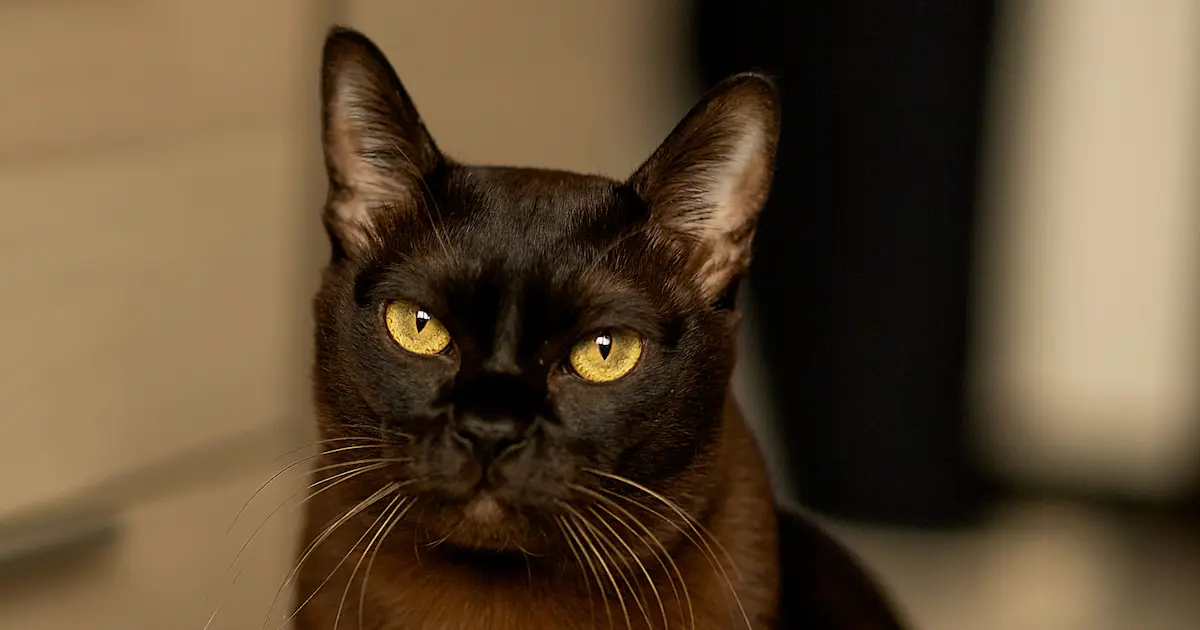
Here’s a cat that almost vanished from the planet. In the early 1990s, breeders had so few Havana Browns left that they were pairing close relatives just to keep the line alive. A university geneticist had to step in to save it.
And yet most people have never heard of it. Walk into a shelter and ask for a Havana Brown, and you’ll get a blank look. That’s part of the charm, and part of the problem.
Because the breed is so rare, plenty of brown cats get sold as Havana Browns when they’re really something else. If you’re thinking about one, you need to know what you’re actually buying. Let’s get into it.
| Origin | United Kingdom, 1950s |
| Weight (Male) | 8 to 10 lbs |
| Weight (Female) | 6 to 8 lbs |
| Lifespan | 12 to 15 years |
| Coat | Short, smooth, glossy |
| Colors | Rich mahogany brown (and lilac/frost in some registries) |
| Energy Level | Moderate to High |
| Grooming Needs | Low |
| Good With Kids | Yes |
| Good With Other Pets | Yes, with a calm introduction |
| Average Price | $600 to $1,500 (pet), $1,500 to $2,500+ (show) from breeders |
Where the Havana Brown Came From
The story starts in 1950s England. A small group of cat fanciers got curious about chocolate-colored cats and decided to create one on purpose. They crossed black domestic shorthairs with chocolate-point and seal-point Siamese, and after some patient genetics work, out came solid brown kittens.
One early kitten, an all-brown male, is widely credited as the cat that kicked off the whole breed. The Brits first called these cats Chestnut Browns, since their bodies looked a lot like the Oriental type.
The name “Havana” is the fun part. Most fans believe it points to the rich color of a Havana cigar. (A few insist it’s a nod to a rabbit breed with the same tone.) Either way, the name stuck, and in the mid-1950s the first Havanas crossed the Atlantic to North America.
Then came the near-disaster. By the early 1990s, the gene pool had shrunk so badly that breeders were forced to mate closely related cats. That kind of inbreeding is exactly how a breed quietly dies.
Here’s the part competitors leave out. Dr. Leslie Lyons, a geneticist at the Veterinary Genetics Laboratory at UC Davis, worked with the Winn Feline Foundation to help design a rescue plan. The result was a carefully controlled outcrossing program. The Cat Fanciers’ Association now allows breeders to pair Havanas with certain Oriental Shorthairs, chocolate-point or seal-point Siamese, and unregistered black or blue domestic shorthairs.
The catch: kittens from those crosses have to be bred back to a pure Havana, and only offspring that meet the breed standard get registered as Havana Browns. It worked. The breed gained fresh genetic diversity and what breeders call hybrid vigor. So when someone tells you a Havana is “100% pure with no outcrossing ever,” they don’t understand their own breed’s recent history.
What a Havana Brown Actually Looks Like
This is the only cat breed that’s chocolate from nose to tail. And I mean all the way: even the whiskers are brown, not white. That single detail is your first clue when you’re trying to spot a fake.
The coat is short, smooth, and glossy, like polished wood when the light hits it. Most are a warm reddish-mahogany. Some registries also recognize a lilac or “frost” version, a soft pinkish-grey, with matching pink-toned whiskers.
The body is medium-sized and surprisingly muscular. They look slim, but pick one up and you’ll feel dense, lean muscle. The eyes are big, oval, and a vivid green that pops against the brown.
A fun kitten quirk: babies often show faint tabby “ghost” stripes. Don’t panic if your kitten looks slightly striped. Those markings usually fade as the solid chocolate color fills in with age.
One more signature feature is the muzzle. Looked at from the side, a Havana’s muzzle has a distinct squared-off shape that breeders sometimes compare to a corn cob. It’s subtle, but it’s real, and it matters in the next section.
Havana Brown vs Burmese vs Oriental Shorthair: How to Tell Them Apart
This is where buyers get burned. Because real Havanas are so rare and expensive, plenty of brown cats get passed off as the real thing. Some sellers are dishonest. Some honestly don’t know. Either way, you can lose over a thousand dollars on a cat that isn’t what you were promised.
Here’s how to tell the difference.
Havana Brown vs Burmese
This is the most common mix-up. A sable Burmese is also brown, but the head is the giveaway. Burmese have rounder, domed heads and big round eyes. Havanas have a more angular face with that squared muzzle and oval eyes. Burmese also tend to be louder and chattier. If the brown cat in front of you has a round, heavy head and won’t stop talking at full volume, it’s very likely a Burmese.
Havana Brown vs Oriental Shorthair
A solid chocolate Oriental Shorthair looks almost identical to a Havana, especially the more extreme English type. The difference is build. Orientals are more stretched out, with bigger flared ears and a sharper wedge head. Havanas (the North American type) are a touch more moderate and rounded in their lines. Honestly, even experts use pedigree papers to be sure here, which is why registration matters so much.
Havana Brown vs a Brown Domestic Shorthair
The cheapest “Havana Brown” scam is just a regular brown shorthair mixed-breed cat. The tells: white or pale whiskers (a real Havana’s are brown), tabby stripes that never fade, and no pedigree paperwork at all. A brown moggy can be a wonderful cat, but it is not a $1,200 Havana Brown.
The simple rule: brown whiskers, green eyes, squared muzzle, and real CFA or TICA papers. No papers, no proof. For a breed this rare, that’s not being picky, that’s just being smart.
Living With a Havana Brown: Personality and Temperament
If you want a cat that ignores you, look elsewhere. The Havana Brown is the definition of a “Velcro cat.” It will follow you from the kitchen to the bathroom to the bedroom, then sit and supervise while you fold laundry.
They’re deeply people-oriented and form intense bonds, often with one favorite human. Picture this: you sit down to work and within a minute there’s a warm brown cat draped across your keyboard, chirping softly to get your attention. That’s daily life with a Havana.
They are smart, and they prove it constantly. A closed door is a personal insult. A new box on the floor must be inspected. These cats reach out and touch things with a paw, almost like little hands, testing the world around them.
The good news for apartment dwellers: they’re talkative but gentle about it. Yes, they “chat,” but their voice is soft and chirpy, nothing like the foghorn yowl of a classic Siamese. You get the conversation without the volume.
They also stay playful well into adulthood. Feather wands, fetch, puzzle feeders, even leash walks once they’re trained. A bored Havana is a mischievous Havana, so give that clever brain something to do.
Is a Havana Brown Right for You?
Let’s be honest, because the breed sites usually aren’t. A Havana Brown is fantastic for the right home and a poor match for the wrong one.
Get a Havana Brown if: you’re home a lot, you want a cat that’s genuinely involved in your life, you’ll provide daily play, and you’re okay with a cat that needs companionship. They’re great for retirees, work-from-home people, families, and anyone who wanted “a cat that acts like a dog.”
Think twice if: you work long hours away from home, travel constantly, or want an independent, aloof cat. A Havana left alone all day, every day, gets stressed and lonely. If your schedule is packed, either get a second pet to keep it company or choose a more self-sufficient breed.
Also think twice if you want a cat now. Reputable Havana breeders often have waitlists of six months to a year or more. This is not an impulse adoption.
Health Issues to Know About
The good news first: the Havana Brown is generally a hardy, healthy breed with no long list of inherited diseases. That outcrossing program actually helped here, bringing in fresh genes and reducing inbreeding problems. But “healthy overall” doesn’t mean “no risks,” and one risk deserves real attention.
Calcium oxalate bladder stones
This is the big one, and most breed posts barely mention it. Veterinary research, including data from the Minnesota Urolith Center, lists the Havana Brown among the breeds at higher risk for calcium oxalate stones in the urinary tract.
In plain language: minerals in the urine can clump together and harden into stones in the bladder. These stones hurt, and unlike the older “struvite” stones, calcium oxalate stones usually can’t be dissolved with diet. They often have to be removed surgically. Watch for signs like straining to pee, blood in the urine, frequent trips to the litter box, or peeing outside it. If you see those, call your vet that day.
Here’s a nuance almost nobody explains. Years ago, pet food was made more acidic to prevent struvite stones. That shift may have actually pushed up the rate of calcium oxalate stones. So a diet that protects against one stone type can raise the risk of the other. This is exactly why you shouldn’t guess. If your Havana has any urinary history, get a vet’s diet recommendation rather than buying a random “urinary” food off the shelf.
Dental disease
Like most cats, Havanas can build up plaque and develop periodontal disease. It’s common and very preventable. Regular brushing at home plus professional cleanings keep their teeth (and their breath) in good shape.
A note on the gene pool
Because the breeding population is small, responsible breeders now do genetic testing on their cats. This is a feature, not a worry. Ask any breeder you talk to what testing they do. A good one will be happy to tell you.
Grooming and Care
This is the easy part. That short, sleek coat is about as low-maintenance as cat coats get. A quick brush once a week removes loose hair, spreads the natural oils, and keeps that glossy shine. That’s basically it.
The usual basics still apply: keep nails trimmed, check the ears, and stay on top of dental care since that’s their main grooming-related health risk. No fancy de-matting, no daily brushing marathons. For a purebred, a Havana is a refreshingly low-effort cat to keep looking great.
Feeding and Diet
Feed a high-quality, protein-forward diet built around real animal protein, the same gold standard you’d use for any cat. Havanas can tend toward putting on weight if they’re overfed and under-exercised, so measure meals instead of free-feeding a bottomless bowl.
Given the calcium oxalate risk, hydration genuinely matters here. More water means more dilute urine, which makes stones less likely to form. A pet water fountain encourages drinking, and mixing in wet food adds moisture to the diet. If your cat has had any urinary trouble, let your vet steer the food choice rather than buying based on the label alone.
Exercise and Enrichment
Havanas are playful and clever, which means they need daily stimulation to stay happy. Two short play sessions a day with a wand toy will burn energy and deepen your bond at the same time.
Because they’re so smart, they love a challenge. Puzzle feeders, treat balls, and toys they have to work at will keep that busy brain out of trouble. Many Havanas also take to leash training, so a harness and a quiet backyard can add real enrichment.
They don’t need a mansion. They do need you, plus enough toys and vertical space (a cat tree, some shelves) to climb and explore. A tall perch by a window is often a Havana’s favorite spot in the house.
Living With Kids, Dogs, and Other Cats
This is one of the breed’s best traits. Havanas are sociable and gentle, and they usually do beautifully in busy households. They tend to be patient, affectionate companions for kids who know how to handle a cat kindly.
They also get along with cat-friendly dogs and other cats, especially with a slow, calm introduction over a few days rather than a sudden face-to-face. Honestly, a Havana often prefers having company around, since being alone is its least favorite thing. If you’re out of the house a lot, a second pet can be a genuine kindness to a lonely Havana.
Lifespan and Aging Tips
A well-cared-for Havana Brown typically lives 12 to 15 years, and plenty go beyond that. To get the most healthy years possible, lean into the basics: yearly vet visits (twice yearly once they’re seniors), a healthy weight, dental care, and steady hydration to protect those kidneys and bladder.
As they age, watch for changes in litter box habits, drinking, appetite, or weight. Cats are masters at hiding illness, and catching urinary or kidney issues early makes a huge difference for this breed in particular. Keep their routine stable and their favorite human nearby, and a senior Havana stays a happy, chatty companion.
How Much Does a Havana Brown Cost?
Brace yourself, because rarity sets the price. From a reputable, registered breeder, a pet-quality Havana Brown kitten usually runs $600 to $1,500. Show-quality or breeding-quality kittens from strong bloodlines can hit $1,500 to $2,500 or more.
Why so pricey? There are estimated to be fewer than 1,000 registered Havana Browns in the world at any time, with only a handful of active breeding programs. That’s genuinely rare, on the level of the rarest pedigreed cats out there.
Then there’s the ongoing cost: food, litter, yearly vet care, and the occasional unexpected bill. Given the calcium oxalate risk, pet insurance is worth pricing out for this breed, since stone surgery isn’t cheap.
The biggest red flag: a “purebred Havana Brown” priced under $400. At that price, you’re almost certainly looking at a Burmese, an Oriental, or a brown mixed-breed cat with no papers. For a breed this scarce, a suspiciously low price isn’t a deal, it’s a warning.
Where to Find a Havana Brown Ethically
Start with the breed clubs and the official find-a-breeder tools from registries like the CFA and TICA. Cat shows are also a great place to meet breeders in person and see the cats up close.
A good Havana breeder will:
- Register litters with the CFA, TICA, or ACFA and hand you real paperwork
- Raise kittens inside the home, not in cages or outbuildings
- Do genetic health testing on their breeding cats and share the results
- Offer a written health guarantee covering congenital issues
- Require a spay/neuter contract for pet-quality kittens
- Ask you plenty of questions about your home and lifestyle
Walk away if a “breeder” won’t show papers, pressures you for a fast deposit, has kittens always available with no waitlist, or dodges questions about health testing. With a rare breed, patience protects you. Expect a six-month-to-a-year wait, and treat that wait as a sign you’ve found a serious, responsible breeder.
Adoption is possible but uncommon. Purebred Havanas rarely land in shelters, though breed-specific rescues do exist and adoption fees run far lower, roughly $75 to $200. If you simply love the look and feel of the breed, a brown domestic shorthair from a shelter can be a wonderful, affordable companion, just without the pedigree.
Similar Breeds to Consider
If you love the Havana but can’t find one (or can’t wait a year), here are close cousins worth a look:
- Burmese: similar warm coloring and a deeply affectionate, people-loving nature, with a rounder face and louder voice.
- Oriental Shorthair: comes in a chocolate color almost identical to a Havana, plus dozens of other colors, with a more extreme, sleek build.
- Tonkinese: a Siamese-Burmese blend that’s playful, chatty, and just as cuddly and social.
- Siamese: the talkative, devoted ancestor of the Havana, if you don’t mind a much louder cat.
- Russian Blue: a different color entirely, but a sleek, gentle, attached shorthair with similar elegance.
Common Myths and Misconceptions
“Havana Browns are basically Burmese.” Nope. They share some ancestry, but they’re a distinct breed with a different head shape, build, and personality.
“Any brown cat is a Havana Brown.” Not even close. The Havana is a specific pedigreed breed with brown whiskers and registration papers. A brown moggy from the shelter is a lovely cat, but it isn’t a Havana.
“They’re delicate and sickly because they’re inbred.” Outdated. The outcrossing program brought in fresh genes and improved the breed’s health. Today’s Havanas are generally robust.
“Rare means high-maintenance grooming.” Opposite, actually. That short coat is one of the easiest to care for of any purebred.
“They’re loud like Siamese.” They talk, sure, but the voice is soft and chirpy. The volume dial is way down compared to a Siamese.
Frequently Asked Questions
Q: Are Havana Brown cats rare?
Yes, genuinely. Estimates suggest fewer than 1,000 registered Havana Browns exist worldwide at any given time, with only a handful of active breeding programs. They’re considered one of the rarest pedigreed cat breeds.
Q: How much does a Havana Brown cost?
Expect $600 to $1,500 for a pet-quality kitten from a registered breeder, and $1,500 to $2,500 or more for show quality. Anything advertised under $400 is almost certainly not a real Havana Brown.
Q: Are Havana Brown cats hypoallergenic?
No. No cat is truly hypoallergenic. Havanas produce the same Fel d 1 protein that triggers allergies, though their short coat and low shedding may mean slightly less hair floating around your home.
Q: Do Havana Brown cats get along with dogs?
Generally yes. They’re sociable and adaptable, and they usually do well with cat-friendly dogs given a calm, gradual introduction. Many Havanas actually prefer having a companion around.
Q: Are Havana Brown cats good for first-time owners?
They can be, as long as you’re home often. Grooming is easy and they’re loving and trainable. The main catch is that they need company and hate being left alone all day.
Q: What health problems do Havana Browns have?
They’re a fairly healthy breed, but they’re at higher risk for calcium oxalate bladder stones, and like most cats they can develop dental disease. Good hydration and regular vet care go a long way.
Q: Why are Havana Brown whiskers brown?
Because the Havana is the only breed that’s solid chocolate from nose to tail, including the whiskers. White or pale whiskers are a strong sign the cat isn’t a true Havana Brown.
Q: How long do Havana Brown cats live?
Typically 12 to 15 years, and often longer with good care. Keeping a healthy weight, staying on top of dental care, and ensuring plenty of water all help maximize their lifespan.
The Final Verdict: Should You Get a Havana Brown?
If you want a cat that’s truly part of your day, the Havana Brown is hard to beat. It’s affectionate, smart, easy to groom, and gentle in a way that suits families, singles, and seniors alike. That glossy chocolate coat and those green eyes don’t hurt either.
But go in clear-eyed. This is a rare, pricey cat that needs your company and may face calcium oxalate stone risk down the road. You’ll likely wait months to get one, and you’ll need to stay sharp to avoid paying Havana prices for a cat that isn’t one.
Get the brown whiskers, the green eyes, the squared muzzle, and the real papers, and you’ll have one of the most rewarding, devoted companions in the cat world. For the right home, a Havana Brown is absolutely worth the wait.

Hello and welcome to The Ideal Cat!
We are some passionate cat owners from different professions. We love our cats and have a lot of experience in how to care for our pets. We are incredibly excited to share our knowledge, experience, and research with you. So you can take good care of your loving cat. We will answer most of the common questions about owning cats, taking care of them, etc. If you have any question contact with us. Thanks for visiting! Enjoy the content.
