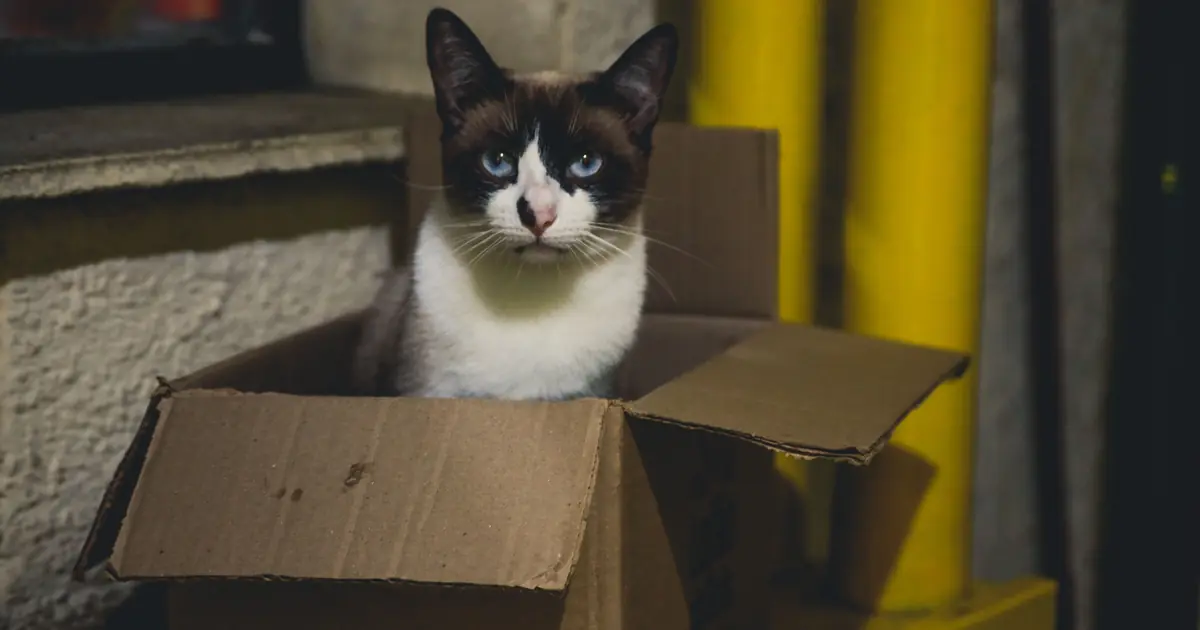
Picture this: your cat finishes up in the litter box, does that little dirt-kicking dance for a few seconds, and struts off like nothing happened. It’s such a routine moment that most cat parents never think twice about it. But that quick scratch-and-cover routine is actually a leftover piece of wild survival instinct, still running on autopilot in your living room.
Cats have been burying their waste for thousands of years, long before anyone filled a plastic box with clay litter. Understanding why they do it (and what it means when they stop) can tell you a lot about how your cat is feeling, both physically and socially.
- Cats bury their poop mainly to mask their scent from predators and rival cats, a survival habit passed down from their wild ancestors.
- Big cats like lions and tigers usually leave waste uncovered on purpose, using it to mark territory and signal dominance to other cats.
- Covering waste is instinctive, but kittens sharpen the behavior by watching their mother use the litter box in the first few weeks of life.
- Stress, pain, a dirty litter box, or a paw injury are the most common reasons an otherwise tidy cat suddenly stops covering its poop.
- A cat that never buries its waste isn’t automatically sick, but a cat that used to bury and abruptly stopped is worth watching closely.
Why Do Cats Bury Their Poop?
Cats bury their poop to hide the smell from predators and to keep from drawing attention to their territory. In the wild, an unburied pile of feces is basically a scent flare telling every coyote, fox, or bigger cat exactly where a smaller cat has been eating and sleeping. Covering it up erases that signal.
This instinct comes straight from your cat’s wild ancestors, most likely the African wildcat, a small desert hunter that spent a lot of energy staying invisible to bigger predators. Domestic cats never fully lost that programming. Even a pampered indoor cat who has never seen a coyote in its life will still scratch litter over its waste, because the instinct isn’t learned from experience with real danger. It’s baked in.
There’s a hygiene bonus too. Buried waste attracts fewer flies and parasites, which matters in a den where kittens are sleeping just a few feet away. International Cat Care notes that this covering behavior is closely tied to a cat’s natural instinct to keep its core territory clean and low-profile.
Is Burying Poop About Dominance and Territory?
Yes, and this is the part most cat parents never hear about. Among wild cats, burying waste isn’t just about hiding from predators, it’s also about social rank. Lower-ranking or smaller wild cats bury their waste to avoid provoking a dominant cat nearby. Larger, more dominant cats, including lions, tigers, leopards, and jaguars, often leave their waste uncovered on purpose, using it as a scent marker that says “this territory is mine.”
So burying isn’t a sign of weakness exactly, but it is a peacekeeping gesture. A cat that covers its waste is essentially saying “I’m not challenging anyone here.” In a multi-cat household, you might notice your more confident, top-of-the-pecking-order cat leaving poop uncovered more often than the shyer cats in the house. That’s not bad manners. It’s a subtle territorial statement, and it usually isn’t something you need to fix.
Do Kittens Learn to Bury Their Poop, or Is It Pure Instinct?
Covering waste is mostly instinctive, but kittens do refine the behavior by copying their mother. Even kittens raised without a mother cat around will typically start digging and covering on their own once they’re using a litter box, usually by three to four weeks old. The urge to dig and scratch near their waste shows up almost automatically.
Even so, watching mom use the litter box helps kittens learn the finer points faster, like how to pick a spot, how long to dig, and how thoroughly to cover the waste. Kittens weaned early or bottle-raised without a mother present sometimes take a little longer to get the technique down, but the underlying drive to bury is there from the start. It isn’t something you need to actively train.
Why Do Some Cats Not Cover Their Poop?
Cats skip covering their poop for a handful of common reasons: stress, a litter box they don’t like, sore paws, an underlying medical issue, or a confident personality that doesn’t feel the need to hide. None of these automatically means something is wrong, but a pattern change is always worth noticing.
Stress is a big one. A new pet, a move, a loud vacuum, or even rearranged furniture can throw a sensitive cat off its routine enough that covering waste falls by the wayside. If you suspect anxiety is behind the change, our guide on signs of stress in cats walks through the other behaviors to watch for.
A dirty or poorly placed litter box is another frequent culprit. Cats are famously picky, and a box that smells like yesterday’s waste, sits in a noisy corner, or is too small for a comfortable turn-around can make a cat rush the whole process, including the covering step. Declawed cats and cats with arthritis, an injured paw, or a nail infection may also skip covering simply because scratching at litter hurts.
Medical issues like diarrhea, a urinary tract infection, or general illness can leave a cat too uncomfortable or too rushed to finish the job. According to Cornell Feline Health Center, litter box habits are one of the clearest early windows into a cat’s physical and emotional health, so a change is worth paying attention to rather than ignoring.
| Reasons a Cat Covers Its Poop | Reasons a Cat Doesn’t Cover Its Poop |
|---|---|
| Instinct to hide scent from predators | Confident or dominant personality marking territory |
| Lower social rank, avoiding conflict with other cats | Stress from a new pet, move, or household change |
| Keeping the den or core living space clean | Dirty, small, or poorly placed litter box |
| Learned habit reinforced by watching mom as a kitten | Sore paws from arthritis, injury, or declawing |
| General comfort and routine in a familiar space | Underlying illness like diarrhea or a UTI |
What Does It Mean If Your Cat Suddenly Stops Burying Poop?
A sudden change from covering to not covering usually points to stress, pain, or a medical problem, especially if your cat has always buried its waste before. One-off skips aren’t a big deal. Cats have off days too. But a consistent shift over several days is a signal worth investigating.
Start by ruling out the easy fixes: is the box clean, is it in a quiet spot, is there enough space? If everything checks out and the behavior continues, book a vet visit to rule out arthritis, a urinary issue, or digestive trouble. This is especially true if you’re also seeing other changes, like pooping outside the litter box or accidents on the floor. If you’re also noticing odd stool texture or color, our guide on what healthy cat poop looks like can help you figure out if a vet trip is overdue.
This article is meant to help you understand normal feline behavior, not replace a vet’s judgment. If your cat stops covering its poop and also seems lethargic, is straining, or has diarrhea that lasts more than a day or two, please call your veterinarian rather than waiting it out.
How Can You Encourage Your Cat to Cover Its Poop?
You can encourage covering behavior by keeping the litter box clean, roomy, and in a calm spot, and by choosing a litter texture your cat actually likes to dig in. None of this forces the behavior, since it’s instinctive, but a comfortable setup removes the excuses a cat has for skipping it.
- Scoop the box at least once a day. A box that smells strongly of old waste makes cats want to get out fast, not linger and dig.
- Give your cat room to turn around and dig. The ASPCA recommends a box roughly one and a half times your cat’s body length, which is bigger than most standard boxes sold in stores.
- Test different litter textures. Many cats prefer a soft, sand-like, unscented clumping litter over pellets or crystals, since it’s easier and more satisfying to dig through. Our guide to the best cat litter breaks down the options by texture and scent.
- Keep one box per cat, plus one extra. If you have two cats sharing a single box, tension over “whose territory this is” can affect covering habits. See our breakdown of how many litter boxes you actually need.
- Place the box somewhere quiet, away from loud appliances, foot traffic, and the food bowl. Cats don’t like to eliminate near where they eat, and a busy hallway spot adds stress that can cut the routine short.
Frequently Asked Questions
Q: Why does my cat bury poop but not pee?
Some cats are simply more thorough with solid waste than liquid waste, since urine soaks into clumping litter and covers itself to some degree. It’s usually not a concern unless your cat also stops using the box for urine altogether, which can point to a urinary issue worth a vet check.
Q: Do all wild cats bury their poop?
No. Smaller, more submissive wild cats bury their waste to avoid drawing attention or challenging bigger cats, while dominant big cats like lions and tigers often leave waste uncovered on purpose as a territorial marker.
Q: Is it bad if my cat never covers its poop?
Not necessarily. Some cats simply have a confident personality and never bother covering, even from kittenhood, and stay perfectly healthy. It only becomes a concern if a cat that used to cover suddenly stops, since that shift can signal stress or a medical issue.
Q: At what age do kittens start burying their poop?
Most kittens start digging and attempting to cover waste around three to four weeks old, right around the time they begin using a litter box on their own. The instinct shows up early, even in kittens raised without their mother present.
Q: Can a dirty litter box stop a cat from covering its poop?
Yes. A litter box that hasn’t been scooped often smells strong enough that cats rush in and out rather than digging and covering thoroughly. Scooping at least once a day usually solves this fast.
Q: My cat used to bury poop and suddenly stopped. Should I worry?
A sudden, consistent change is worth paying attention to, especially if it lasts more than a few days. Common causes include household stress, a dirty box, sore paws, or a medical issue like a urinary tract infection, so a vet visit is a reasonable next step if the behavior doesn’t resolve on its own.
Q: Does declawing affect whether a cat covers its poop?
It can. Declawed cats sometimes have tender paws that make digging and scratching in litter uncomfortable, which leads some of them to skip covering their waste or avoid the box altogether. This is one reason many veterinary organizations, including the AVMA, discourage declawing except as a last resort.
Q: What litter is best for encouraging a cat to bury its poop?
Soft, fine-grained, unscented clumping litter tends to work best, since it mimics the loose sand and soil cats would dig in naturally outdoors. Pellet litters, crystal litters, and heavily scented varieties are more likely to get skipped by picky diggers.

Hello and welcome to The Ideal Cat!
We are some passionate cat owners from different professions. We love our cats and have a lot of experience in how to care for our pets. We are incredibly excited to share our knowledge, experience, and research with you. So you can take good care of your loving cat. We will answer most of the common questions about owning cats, taking care of them, etc. If you have any question contact with us. Thanks for visiting! Enjoy the content.
