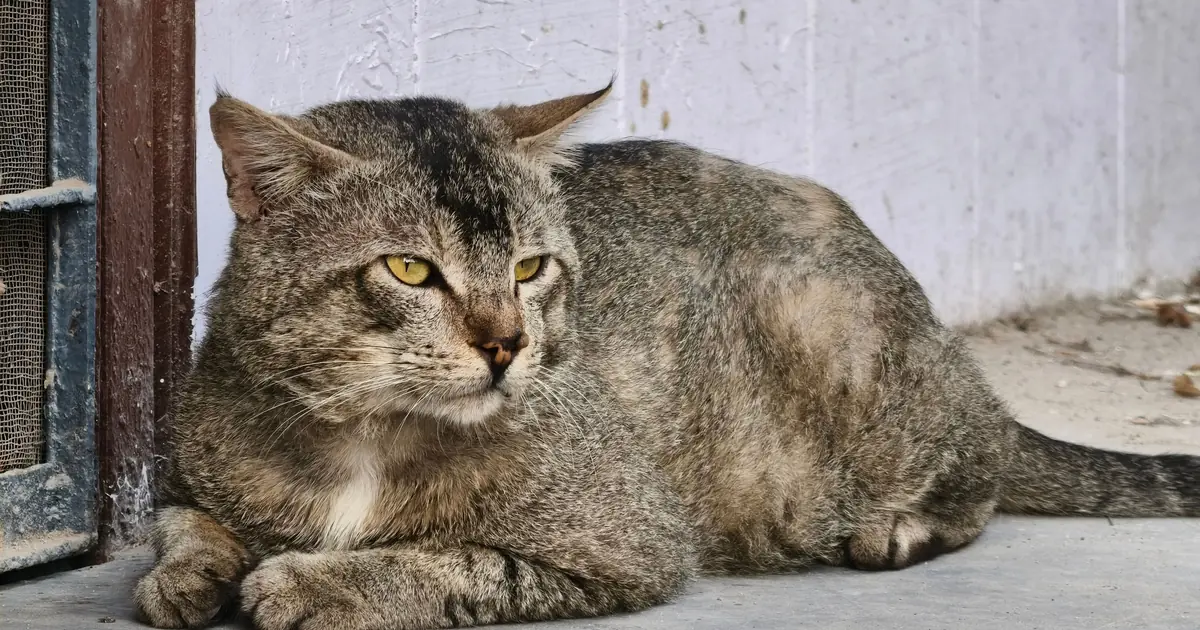
One second your cat’s ears are forward and curious, the next they’ve rotated back like tiny satellite dishes. It looks dramatic, and it’s one of the clearest ways cats tell you how they feel.
Here’s how to read those swiveling ears like a pro.
- Cats turn their ears back to hear sounds behind them, thanks to over 30 muscles per ear.
- Ears swiveled back but upright often mean your cat is listening or mildly alert, not upset.
- Flattened “airplane ears” pinned back or sideways signal fear, irritation, or aggression.
- Ears back with a twitching tail or dilated pupils is a clear “leave me alone” warning.
- Always read the ears alongside the eyes, tail, and posture for the full message.
Why do cats turn their ears back?
Cats turn their ears back for two main reasons: to listen and to communicate emotion. Each ear has more than two dozen muscles, letting a cat rotate it nearly 180 degrees to pinpoint sounds coming from behind without moving its head. Ears also broadcast mood, from mild alertness to clear irritation. So ears back can simply mean “I’m listening,” or it can mean “back off,” and the rest of the body tells you which.
Does ears back mean my cat is angry?
Not always, it depends on how far back and how flat the ears are. Ears rotated back but still upright usually mean your cat is tracking a sound or is mildly alert. Ears flattened and pinned tightly against the head, often called “airplane ears,” signal fear, annoyance, or aggression. So a gentle swivel is curiosity, while flat, pinned ears are a warning. Reading the difference keeps you (and your cat) out of a swat.
What do different ear positions mean?
A cat’s ears are a mood dial. Here’s a quick translation.
| Ear position | What it usually means |
|---|---|
| Forward and upright | Alert, curious, content |
| Swiveled back, still upright | Listening to something behind them |
| Turned back, slightly lowered | Uneasy, irritated, or overstimulated |
| Flattened “airplane ears” | Fear, defensiveness, or aggression |
| Twitching rapidly | Agitated or intently focused |
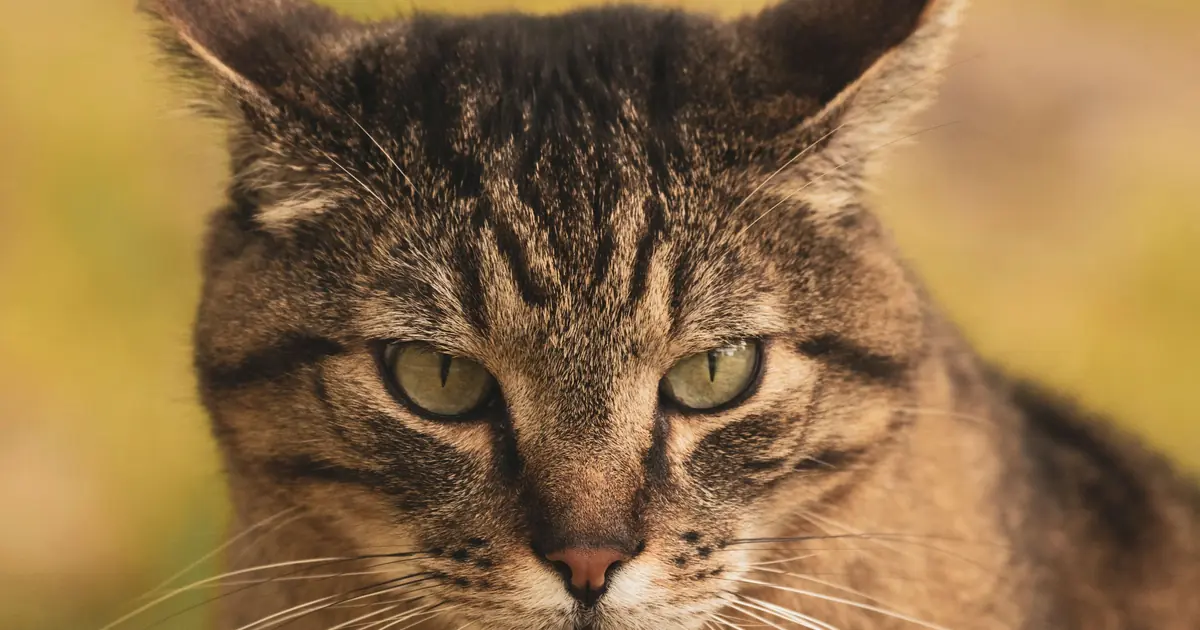
Why do cats get “airplane ears”?
Cats get flattened airplane ears when they feel threatened, scared, or pushed past their limit. Pinning the ears back protects these delicate organs during a potential fight and signals to others to keep their distance. You’ll often see airplane ears during overstimulation while petting, a scary vet visit, a standoff with another cat, or when a cat is startled. It’s a defensive, protective posture, and a clear cue to give your cat space.
How do I read ears with the rest of the body?
Read a cat’s ears together with its eyes, tail, and posture for the true message. Ears back plus a lashing tail, dilated pupils, a crouched body, or a low growl means “I’m upset, stop.” Ears back with a relaxed body and a swiveling motion usually just means your cat is listening. Petting-induced ear flattening is a common overstimulation sign, so pause when you see it. Ear twitching alone can also signal itchiness, covered in why cats’ ears twitch, and understanding where cats like to be petted helps you avoid triggering airplane ears in the first place.
When should ear behavior worry you?
Ear position itself is normal communication, but pair it with other signs and it can flag a problem. See your vet if your cat holds its ears back or low often alongside head shaking, scratching at the ears, redness, odor, or discharge, which can point to ear mites or an infection. Ears that feel hot can also have causes worth understanding, covered in why a cat’s ears are hot. This article is educational and not a substitute for veterinary care. For feline body-language guidance, the ASPCA and International Cat Care are reliable sources.
Frequently Asked Questions
Q: What does it mean when a cat puts its ears back?
It can mean your cat is listening to a sound behind it, or feeling irritated, scared, or aggressive. Ears back but upright usually means alert listening; ears flattened and pinned mean the cat wants space.
Q: Are flattened ears always a bad sign?
Flattened “airplane ears” pinned against the head usually signal fear, annoyance, or aggression, so they’re a warning to give the cat space. Ears merely swiveled back while upright are often just listening, not a bad sign.
Q: Why do my cat’s ears go back when I pet it?
That’s often overstimulation. Petting can become too much, and ears flattening is an early “I’ve had enough” cue. Stop petting when you see it to avoid a swat or bite, and keep sessions short and gentle.
Q: Can cats move their ears independently?
Yes. Each cat ear has over 30 muscles and can rotate up to about 180 degrees on its own. This lets cats aim each ear separately to locate sounds precisely, even sounds coming from behind them.
Q: Should I worry if my cat’s ears are always back?
Occasional ears-back is normal communication. But if your cat frequently holds them back or low with head shaking, scratching, redness, odor, or discharge, see your vet, it may indicate ear mites or an infection needing treatment.
Q: How can I tell if ears back means listening or anger?
Look at the whole body. Ears back with a relaxed posture and swiveling motion means listening. Ears back with a lashing tail, dilated pupils, crouching, or growling means anger or fear, so give your cat space.

Hello and welcome to The Ideal Cat!
We are some passionate cat owners from different professions. We love our cats and have a lot of experience in how to care for our pets. We are incredibly excited to share our knowledge, experience, and research with you. So you can take good care of your loving cat. We will answer most of the common questions about owning cats, taking care of them, etc. If you have any question contact with us. Thanks for visiting! Enjoy the content.
