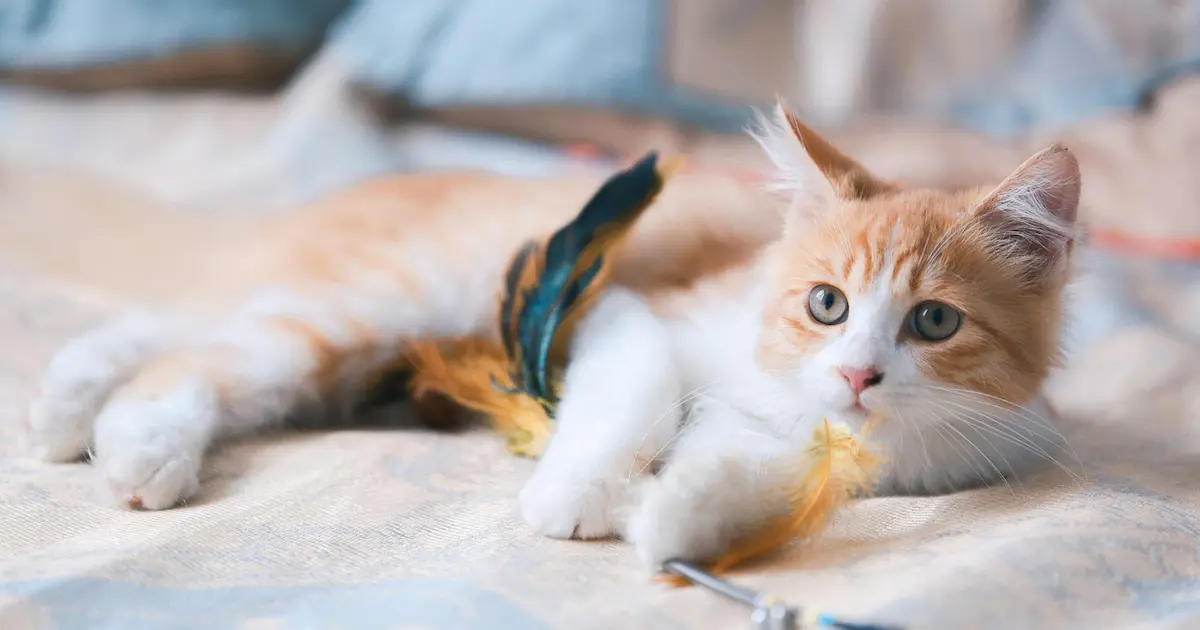
Picture this. It’s 2 a.m., you pad into the kitchen for a glass of water, and a small dark shape with a half-bald face and glowing eyes blinks up at you from the counter. Your heart skips. Then it chirps and flops over for a belly rub.
That’s life with a Lykoi cat, the breed the internet lovingly calls the werewolf cat. They look like they crawled out of a spooky bedtime story, and then they ruin the whole vibe by playing fetch like an excited puppy.
Here’s the thing though. Behind the viral photos is a real animal with real needs, and a few of those needs surprise first-time owners. So let’s skip the hype and talk about what owning a Lykoi is actually like.
Lykoi Cat Breed Stats at a Glance
| Origin | United States, 21st century (first found 2010) |
| Weight (Male) | 7 to 12 lbs |
| Weight (Female) | 6 to 8 lbs |
| Lifespan | 12 to 15 years |
| Coat | Sparse, no undercoat, partially hairless face |
| Colors | Black roan is standard; other colors exist |
| Energy Level | High |
| Grooming Needs | Moderate to High (skin care, not brushing) |
| Good With Kids | Yes |
| Good With Other Pets | Yes |
| Average Price | $1,500 to $2,500 from breeders |
So What Exactly Is a Lykoi Cat?
Let’s clear up the big one first. A Lykoi is not a hairless cat in disguise, and it isn’t a designer hybrid. It’s a regular domestic shorthair carrying one unusual gene.
That gene gives the Lykoi sparse fur with no undercoat, plus a bare patch of skin across the face that owners call the mask. The hairs that do grow come in two shades, some dark and some white, mixed together. That salt-and-pepper effect is called roan, and it’s what gives the coat its grizzled, wolfish look.
The name comes from “lykos,” the Greek word for wolf. Honestly, once you’ve seen one stalk across a dark room, the name writes itself.
Where the Lykoi Came From
The Lykoi story starts in Virginia in 2010. A woman named Patti Thomas came across a pair of odd-looking shorthair kittens at a shelter and wondered what was going on with their coats.
Around the same time, a veterinarian named Johnny Gobble and his wife Brittney got hold of similar cats in Tennessee. They ran the kittens through a full battery of tests, DNA work, skin biopsies, even heart exams, to rule out illness. The cats were healthy. The strange coat was simply a natural mutation that pops up now and then in feral cat colonies.
To build the breed responsibly, the Gobbles bred unrelated cats together and crossed them with solid black domestic cats. This widened the gene pool and kept things healthy. The International Cat Association gave the Lykoi registration status in 2012 and full championship status in May 2017. The Cat Fanciers’ Association now accepts Lykoi of all colors in championship competition too.
So this is a young breed with a careful, science-backed start. That matters, and we’ll come back to it when we talk health.
What a Lykoi Cat Actually Looks Like
Here’s a fun reality check. Many Lykoi photos online have been edited to look more dramatic, with deeper shadows and spookier eyes. The real cat is striking, but a little softer around the edges than your feed might suggest.
A typical Lykoi is small to medium, lean, and athletic, with long legs and a body built for sprinting. The standard look is black roan, which reads as a smoky charcoal coat with that bare mask around the eyes, nose, and muzzle. The legs, paws, and parts of the face often show the most skin.
Now for the part that catches new owners off guard. Lykoi molt, and they molt dramatically. Owners affectionately call it “wolfing out.” Your cat might shed most of its coat and go nearly bald, then grow it all back over the following weeks.
Where they go bald is anyone’s guess. Some lose the hair on their head and keep the rest. Some end up with a funny little mohawk. The pattern depends on the individual cat, its bloodline, and even the climate you live in. Cats in warmer homes often carry thinner coats year-round.
Kittens can look very different from how they’ll turn out as adults. A fuzzy baby can grow into a sparse adult, and the roan colors usually deepen with age. If a breeder shows you a kitten, ask what its parents looked like full grown.
Living With a Lykoi: The Real Personality
If you came for the spooky looks but stayed for the cuddles, you might be slightly surprised. Lykoi are sweet, but they’re not the type to melt into your lap for hours. They’d rather be doing something.
These cats are busy, curious, and seriously smart. Owners often describe them as dog-like, and it fits. Many Lykoi play fetch, follow you room to room, and even trot around in little “packs” when there’s more than one in the house.
They’re friendly and social once they trust you, though they can be a touch reserved with strangers at first. Give a Lykoi a few minutes and a toy, and the standoffishness usually melts. Trust me, by week two they’ll be supervising your every move.
They’re also chatty. Not Siamese-level loud, but they’ll have opinions and share them freely. If you like a quiet, independent cat who keeps to itself, this probably isn’t your match.
Is a Lykoi the Right Cat for You?
Let’s be honest, because this breed isn’t for everyone. A Lykoi could be a wonderful fit if you:
- Are home often or have other pets to keep your cat company
- Want an interactive, playful, slightly chaotic companion
- Don’t mind a weekly skin-care routine
- Can keep your cat indoors and out of harsh weather
- Have the budget for a rare breed and its vet care
You might want to look elsewhere if you:
- Want a calm cat who mostly naps and lap-sits
- Travel constantly or work very long days with no backup care
- Aren’t keen on baths and regular skin checks
- Are hoping for a hypoallergenic cat (no cat truly is)
The good news is that Lykoi adapt well to family life. If your honest answers lean toward the first list, you’ll probably adore one.
Health Issues to Know About
Overall, the Lykoi is considered a healthy breed, thanks to that careful, tested beginning. There’s no long list of inherited diseases like you’ll find in some older breeds. Still, there are a few breed-specific things to understand.
The most important one is a skin trait called lymphocytic mural folliculitis. A 2020 study led by the University of Missouri found that the Lykoi’s signature coat is tied to this low-grade follicle condition. In plain terms, their hair follicles behave as if the skin is in a mild, ongoing state of irritation, which is exactly why the coat grows in so sparse.
For most Lykoi this is simply how the breed works, not a sickness that needs treating. But it does mean you should keep an eye out for scaly or crusty patches on the head, neck, or belly, and check in with your vet if anything looks inflamed or sore.
Because they have so little fur, Lykoi share some concerns with the Sphynx and other thin-coated cats. They sunburn easily, they get cold fast, and over a lifetime that exposed skin carries a slightly higher risk of skin cancer. This is the main reason Lykoi should live indoors.
The Skin and Coat Care Nobody Warns You About
This is the section most breed guides rush through, so here’s the full truth. With a Lykoi, you’re not really grooming fur. You’re caring for skin.
Because they have almost no coat to soak up natural oils, those oils build up right on the skin. Left alone, that leads to greasy patches, clogged pores, and little blackheads, especially around the chin. So plan on a bath roughly once or twice a week with a gentle, cat-safe shampoo.
Their ears get greasy too, so add a weekly ear check and clean to the list. A soft, damp cloth wipe-down between baths helps keep oil under control without drying the skin out.
And here’s the kind part: go easy on yourself and your cat in the beginning. Most Lykoi learn to tolerate baths fine if you start young and keep things calm and warm. It’s more upkeep than a typical cat, but it’s a gentle rhythm once you’ve got it down.
Grooming Routine and Tools
You don’t need a drawer full of brushes for a Lykoi. You need skin-friendly basics. Here’s a simple weekly rhythm that works for most:
- Bath: once or twice a week with a mild cat shampoo
- Wipe-downs: a damp cloth on greasy days in between
- Ears: check and clean weekly with a vet-approved solution
- Nails: trim every couple of weeks
- Skin check: a quick look-over for scabs, redness, or sores
During a molt, a soft rubber grooming mitt helps gather the loose hair so it isn’t all over your couch. Other than that, keep it minimal. Over-brushing skin that’s already sensitive does more harm than good.
Feeding and Diet
There’s no magic Lykoi diet, but a couple of things are worth knowing. These are active, lean cats with quick metabolisms, so they tend to burn through energy. A high-quality food with real animal protein as the first ingredient is your safest bet.
Good nutrition also shows up in their skin and what little coat they have. Foods with healthy fats and omega-3s can help keep that exposed skin supple and calm. Wet food adds hydration, which never hurts.
Free-feeding usually isn’t a problem since most Lykoi stay busy and trim, but measure portions and keep an eye on body condition anyway. Your vet can help you land on the right amount.
Exercise, Play, and Keeping a Smart Cat Busy
A bored Lykoi is a mischievous Lykoi. These cats are problem-solvers, which is adorable until they figure out how to open the cabinet you thought was safe.
Give them daily play, ideally the active, chase-and-pounce kind. Wand toys, balls they can fetch, and puzzle feeders all go down well. Many Lykoi genuinely enjoy learning tricks, so a few minutes of training is great mental exercise.
Vertical space helps a lot too. A tall cat tree or a few shelves give them somewhere to climb and survey their kingdom. If you’ll be out for long stretches, a second pet for company can make a real difference, since these cats hate being lonely.
Lykoi With Kids, Dogs, and Other Cats
This is one of the breed’s best traits. Lykoi are genuinely social, and they tend to roll with a busy household.
With respectful kids, they’re playful and patient, and their dog-like energy means they often love the chaos of family life. As always, teach children to handle any cat gently, and supervise the little ones.
They usually get on well with cat-friendly dogs and other cats too. Do the introductions slowly and let everyone set the pace, but don’t be shocked if your Lykoi is the one making friends first. A lonely-prone Lykoi often does best with a buddy anyway.
Lifespan and Aging Tips
A Lykoi typically lives 12 to 15 years, right in line with other healthy domestic cats. With good care, many sail comfortably into their teens.
Keep up the basics and you’ll stack the odds in your favor: yearly vet visits, regular skin checks, and a steady weekly care routine. As your cat ages, watch for changes in skin, weight, and energy, and don’t put off a vet trip if something seems off.
Older Lykoi may feel the cold more than they used to, so cozy beds and warm spots become extra appreciated. A heated cat bed in winter is a small kindness that means a lot to a thin-coated senior.
How Much Does a Lykoi Cat Cost?
Brace yourself, because rarity has a price tag. A Lykoi kitten from a reputable breeder usually runs between $1,500 and $2,500, and show-quality or rare bloodlines can climb past $3,000.
Why so steep? There simply aren’t many breeders, the gene is recessive and tricky to work with, and ethical breeders invest heavily in health testing and care. You’re paying for a healthy, well-started kitten, not just a novelty look.
Then there’s the ongoing cost. Beyond the basics every cat needs, budget for skin-care supplies, regular vet care, and pet insurance, which is worth considering for any breed with special skin needs. One red flag to remember: if someone offers a “Lykoi” far below market price with no paperwork, walk away.
Where to Find a Lykoi Ethically
Because the breed is rare, finding a Lykoi takes patience, and that’s actually a good filter. The breeders worth your money won’t rush you.
Look for someone who health-tests their cats, raises kittens inside the home, lets you see where the cats live, and answers your questions without dodging. A good breeder will quiz you right back, because they care where their kittens land. Expect a waitlist, and treat that as a green flag, not an inconvenience.
Rescue is a long shot here. Lykoi very rarely turn up in shelters, though it does happen, since the breed started from feral colonies. If you’re open to a Lykoi mix or a similar thin-coated cat, breed-specific and Sphynx rescues are worth a watch. Steer clear of anyone selling “werewolf kittens” with no lineage or sketchy claims, no matter how cute the photos.
Similar Breeds to Consider
If the Lykoi has caught your eye but the fit isn’t quite right, these breeds share some of the appeal:
- Sphynx: the famous hairless cat, very affectionate and lap-loving, with similar skin-care needs
- Devon Rex: wavy, sparse coat, big ears, playful and people-focused
- Cornish Rex: soft curly coat, athletic, and endlessly busy
- Donskoy: a hairless breed with a sweet, social nature
- Peterbald: elegant and slim with a coat that ranges from bald to fine fuzz
Common Myths and Misconceptions
This breed attracts more myths than most, so let’s bust the big ones.
Myth: Lykoi are related to the Sphynx. Nope. They look like cousins, but genetic testing shows the Lykoi’s coat comes from a completely different gene than the one behind the Sphynx, Devon Rex, and Cornish Rex. The resemblance is a coincidence.
Myth: They’re sickly because of the patchy coat. The sparse coat is the breed’s normal trait, not an illness. Reputable Lykoi are healthy cats, though they do need that skin care.
Myth: They’re spooky and unfriendly. Quite the opposite. Most Lykoi are goofy, affectionate, and dog-like once they know you.
Myth: Those scary online photos show the real cat. Many viral Lykoi images are edited to look more dramatic. The real cat is handsome, but not Hollywood-monster intense.
Myth: They’re lap cats. Some will snuggle, but most would rather play. If you want a cuddle-first cat, set your expectations accordingly.
Lykoi Cat FAQ
Q: Are Lykoi cats hypoallergenic?
No. No cat is truly hypoallergenic, including the Lykoi. They produce the same allergy-triggering proteins as other cats, and despite the sparse coat, they can still set off allergies.
Q: Why do Lykoi cats go bald sometimes?
It’s called “wolfing out,” a normal molt where they shed much of their coat and sometimes go nearly bald before it grows back. How much and where they molt varies by cat, bloodline, and climate.
Q: Are Lykoi cats related to the Sphynx?
No. Genetic studies show the Lykoi’s coat comes from a different gene than the one that makes Sphynx, Devon Rex, and Cornish Rex cats. The similar look is pure coincidence.
Q: How much does a Lykoi cat cost?
Expect $1,500 to $2,500 from a reputable breeder, with rare or show-quality cats costing more. The high price reflects how rare the breed is and the health testing good breeders do.
Q: Do Lykoi cats need baths?
Yes. With so little fur, oils build up on their skin, so most Lykoi need a bath once or twice a week plus weekly ear cleaning to stay clean and comfortable.
Q: Are Lykoi cats good with kids and dogs?
Generally yes. They’re social, playful, and dog-like, so they often thrive in busy family homes. Slow introductions and gentle handling help everything go smoothly.
Q: Can Lykoi cats go outside?
They’re best kept indoors. Their thin coat means they sunburn easily, get cold quickly, and face a higher risk of skin damage over time. A safe, shaded catio is a nice compromise.
Q: How long do Lykoi cats live?
Around 12 to 15 years on average, similar to other healthy domestic cats. Regular vet care, skin checks, and a steady routine help them live long, comfortable lives.
Final Verdict: Should You Get a Lykoi?
The Lykoi cat is one of the most unusual, charming breeds you can bring home. You get a smart, playful, devoted little goofball wrapped in a coat that turns heads everywhere it goes.
But it’s a commitment with eyes open. You’re signing up for weekly skin care, indoor living, a real price tag, and a cat who wants your time and attention, not just your lap. Give all that, and a Lykoi will reward you with years of fetch games, midnight surprises, and the kind of loyalty most cats keep to themselves.
If that sounds like your kind of chaos, the werewolf cat might be exactly the companion you’ve been looking for.

Hello and welcome to The Ideal Cat!
We are some passionate cat owners from different professions. We love our cats and have a lot of experience in how to care for our pets. We are incredibly excited to share our knowledge, experience, and research with you. So you can take good care of your loving cat. We will answer most of the common questions about owning cats, taking care of them, etc. If you have any question contact with us. Thanks for visiting! Enjoy the content.
