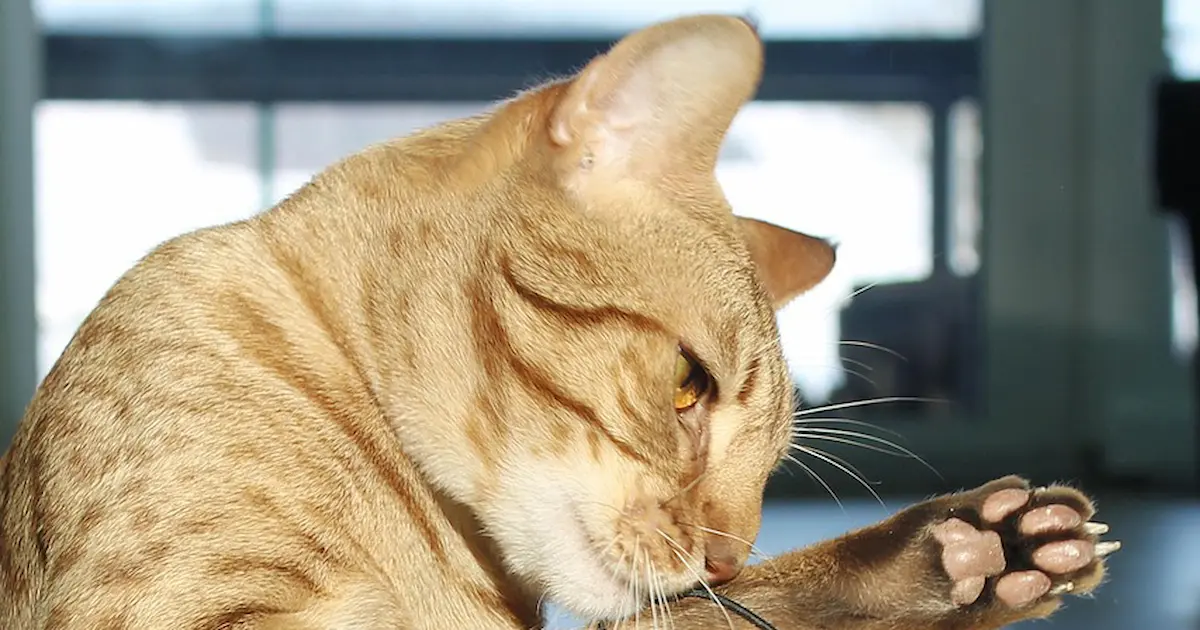
You walk into a friend’s living room and freeze. There’s a small leopard on the couch. Spotted coat, athletic build, that low confident prowl. Then it trots over, headbutts your shin, and demands to know everything about you.
That’s an Ocicat. It looks like it should be stalking prey across a savanna, and instead it wants to help you fold laundry.
Here’s the thing about this breed: the wild look fools almost everyone, including a lot of people who buy one. So before you fall hard for those spots, let’s talk about what living with an Ocicat is actually like, the good and the genuinely demanding parts.
| Origin | United States, 1964 |
| Weight (Male) | 10 to 15 lbs |
| Weight (Female) | 6 to 12 lbs |
| Lifespan | 12 to 18 years |
| Coat | Short, smooth, satiny, spotted |
| Colors | 12 (tawny, chocolate, cinnamon, blue, lilac, fawn, plus silver versions) |
| Energy Level | High |
| Grooming Needs | Low |
| Good With Kids | Yes |
| Good With Other Pets | Yes (often prefers company) |
| Average Price | $800 to $2,000+ from breeders |
The Ocicat’s Surprising Origin Story
The Ocicat exists because of a happy mistake. In 1964, a Michigan breeder named Virginia Daly was trying to create a Siamese with Abyssinian-style points. She crossed an Abyssinian with a Siamese, then bred the kittens back to Siamese.
One kitten in that second litter came out covered in spots. Daly’s daughter thought he looked like a baby ocelot and called him an “ocicat.” The name stuck, and so did the idea.
That first spotted boy was named Tonga, and he was neutered and sent off to live as a pet. But breeders had seen something special. The Cat Fanciers’ Association registered the first official Ocicat in 1966, and the breed earned full championship status in 1987. Along the way, American Shorthair was added to the mix, which gave the Ocicat a sturdier build and introduced the silver coat colors.
So despite the jungle-cat look, there’s zero wild blood in an Ocicat. It’s a blend of three beloved domestic breeds, designed to look exotic and act like the friendliest cat at the party.
What an Ocicat Actually Looks Like
The spots are the headline, obviously. They scatter across the body in a pattern that often forms a bullseye on each side, with a clear “M” marking on the forehead (a little gift from the tabby genetics in the family tree).
Underneath the coat, this is a serious athlete. Ocicats are medium to large, muscular, and surprisingly heavy when you pick one up. Males usually run 10 to 15 pounds, females closer to 6 to 12. They carry themselves low and confident, which only adds to the big-cat illusion.
The coat itself is short, tight, and satiny, with each hair banded in color (called ticking) so the spots seem to shimmer when the cat moves. The breed comes in 12 recognized colors: tawny, chocolate, cinnamon, blue, lilac, and fawn, plus a silver version of each. Eyes can be any color except blue, and you’ll often see gold, green, hazel, or amber.
Kittens are born a bit blurry. Their spots can look smudged or faint at first and sharpen up as they grow. Their coat color also tends to deepen with age, so the cat you bring home at twelve weeks will look richer at two years.
The Ocicat Personality: A Dog in a Cat Suit
This is where the breed wins hearts. Ocicats are often described as dog-like, and for once that label fits. They greet you at the door. They follow you room to room. Many will fetch, walk on a harness, and learn voice commands if you put in the time.
They’re also chatty. Not Siamese-loud all day, but they’ll absolutely tell you when they have an opinion, and they have a lot of opinions.
Now, here’s a contradiction worth sorting out. The breed registry describes Ocicats as devoted but “neither clingy nor demanding.” Meanwhile, longtime breeders joke that you’ll never use the bathroom alone again. So which is it?
The honest answer sits in the middle. An Ocicat won’t whine in your face every minute like some velcro cats do. But they want to be part of everything. Cooking, homework, a repair project, your phone call, all of it is a group activity now. They’re not needy in a fragile way. They’re just deeply, enthusiastically involved.
The flip side matters too. These cats genuinely struggle with being left alone for long stretches. Several vets note that Ocicats can develop separation anxiety, and a lonely, under-stimulated Ocicat tends to get loud, destructive, or both. This is not a cat you leave home alone ten hours a day with a bowl of kibble and good intentions.
Is an Ocicat Right for You?
Let’s be real with each other, because the wild look pulls in a lot of people who shouldn’t get this breed.
An Ocicat is a great match if you:
- Work from home, or have a household where someone is usually around
- Already have another pet (a cat or even a friendly dog) to keep them company
- Enjoy training, games, and an interactive cat that does tricks
- Want a confident, social cat that greets guests instead of hiding
- Don’t mind a vocal companion narrating your day
An Ocicat is probably the wrong call if you:
- Travel constantly or work very long days with nobody home
- Want a calm, low-key cat that mostly keeps to itself
- Are buying mainly for the exotic looks (the personality is a full-time commitment, not decor)
- Need a quiet apartment with thin walls and no tolerance for chatter
Trust me, the people who fall in love with the spots and ignore the engagement needs are the ones who end up frustrated. Match the cat to your life, not to your Pinterest board.
Health Issues Every Ocicat Owner Should Know
The good news first: Ocicats are generally a robust breed with a long lifespan, helped by that mix of three healthy founding breeds. Plenty live well into their teens.
That said, no purebred cat is problem-free, and a smaller gene pool means certain inherited conditions show up more than you’d like. Here are the big ones to know about.
Hypertrophic cardiomyopathy (HCM): The most common heart disease in cats overall, where the heart muscle thickens and works less efficiently. It can be managed for a while but may progress to heart failure. A vet can confirm it with an echocardiogram, and regular heart checks are smart.
Progressive retinal atrophy (PRA): An inherited eye condition (carried in from the Abyssinian side) where the retina slowly degenerates. Owners often notice night blindness first, sometimes around one or two years old. There’s no cure, but blind cats can still live happy, comfortable lives with a stable home setup.
Pyruvate kinase deficiency (PK def): A genetic issue affecting red blood cells that can cause intermittent anemia. The great part here is that a reliable DNA test exists, so responsible breeders simply test and breed it out.
Amyloidosis: A possibly inherited condition where a protein builds up in organs like the liver or kidneys and can lead to organ damage over time.
Periodontal disease: Like many breeds, Ocicats can be prone to dental trouble, so tooth care isn’t optional.
The takeaway: a good breeder who DNA-tests for PK deficiency and screens breeding cats for heart issues dramatically lowers your risk. Pet insurance is worth pricing out early, too.
Grooming and Everyday Care
Here’s a section you’ll enjoy. Ocicats are about as low-maintenance as a cat gets when it comes to coat care.
That short, tight coat doesn’t mat and doesn’t shed heavily. A quick brush or a rubdown with a grooming mitt once a week keeps it glossy and removes loose hair. Honestly, most of the brushing benefit is bonding time, which your Ocicat will adore.
The rest is standard good-cat-parent stuff. Trim nails every couple of weeks. Stay on top of dental care, since this breed leans toward gum problems, so daily or near-daily toothbrushing genuinely pays off. Check ears occasionally, but don’t over-clean them unless your vet says to.
Feeding Your Ocicat
Ocicats are muscular, active cats, so they do best on a protein-rich diet built around real animal protein like chicken, turkey, or fish. Cats are obligate carnivores, and an athletic breed like this one runs on quality fuel.
A mix of wet and dry food works well for most owners. Wet food helps with hydration, and dry food can support dental health, though it won’t replace actual toothbrushing for a breed prone to gum issues.
Watch portions. These cats are smart and food-motivated, which makes them champion counter-surfers and plate-raiders. (More than one breeder has a story about an Ocicat launching onto the counter for a snack.) Free-feeding a clever, hungry Ocicat is an easy road to a chunky cat, and extra weight strains the heart and joints. Measure meals, and use puzzle feeders to slow them down and keep that busy brain happy.
Exercise, Enrichment, and Managing a Feline Escape Artist
This is the part most breed guides gloss over, and it’s the part that actually decides whether you and your Ocicat thrive together.
Ocicats are problem-solvers. They will figure out how to open cabinet doors, pop open lever handles, and get into spaces you swore were sealed. And once they crack a puzzle, they repeat it on purpose to prove it wasn’t a fluke. That intelligence is delightful and a little dangerous.
So plan ahead. Picture this: you head out for the afternoon, and your bored Ocicat decides today’s project is the pantry, the trash, and the screen door. Prevention beats cleanup every time. A few things that help:
- Childproof latches on cabinets you really need closed
- A tall cat tree or wall shelves so they can climb and survey their kingdom
- Daily interactive play, wand toys and fetch are big hits
- Puzzle feeders and rotating toys to keep novelty alive
- Harness training, since many Ocicats genuinely enjoy supervised outdoor walks
And because they’re escape-minded and social, keep them indoors. An Ocicat that bolts out a door is fast, curious, and far too trusting of strangers and traffic.
Living With Kids, Dogs, and Other Cats
This is one of the breed’s strongest selling points. Ocicats are natural extroverts who tend to greet new people and animals like long-lost friends rather than threats.
With kids, they’re usually playful and tolerant, especially older children who can join in games and respect a cat’s limits. As always, teach little ones gentle handling, but this isn’t a hide-under-the-bed breed.
With dogs and other cats, Ocicats often do beautifully, partly because they crave the company. In fact, getting a second pet is one of the best gifts you can give an Ocicat who’d otherwise be home alone. Do slow, proper introductions like you would with any pairing, but the odds are good.
Lifespan and Caring for an Aging Ocicat
With a typical lifespan of 12 to 18 years, an Ocicat is a long-term family member, and many sail past 15 with good care.
To get the most years (and good ones), stay consistent with vet visits, keep weight in check, and brush those teeth. As your Ocicat ages, watch for signs of the heart and kidney issues mentioned earlier, since early detection makes a real difference. Senior cats also appreciate softer bedding, easier access to favorite perches, and a little more warmth.
The personality usually stays bright well into the senior years. You’ll likely have a chatty, involved companion supervising your life for a long time.
How Much Does an Ocicat Cost?
Ocicats aren’t a budget breed, mostly because good breeders are relatively few and the cats are in steady demand.
From a reputable breeder, expect to pay roughly $800 to $2,000 for a pet-quality kitten, with prices climbing toward $3,000 for cats from champion show lines or with rarer coloring. Adoption, when you can find one, is far cheaper, often $50 to $300, though Ocicats rarely turn up in shelters.
Then there’s the rest of the iceberg. Budget for first-year vet care and vaccinations, quality food, litter, toys, a sturdy cat tree, and ideally pet insurance (often around $20 or more a month). Boarding or a pet sitter adds up too, and remember, this is a breed that really shouldn’t be left alone while you travel.
Red flags that scream “bad source”: a “breeder” with kittens always available, no health testing, no health guarantee, prices that seem too good to be true, or someone who won’t let you see where the cats live. Walk away from any seller who insists their line has zero health problems. That’s not honesty, that’s a sales pitch.
Where to Find an Ocicat Ethically
Start with breeders registered through recognized bodies like the Cat Fanciers’ Association or The International Cat Association. A good one will happily talk health testing, let you meet the kitten’s parents or see the home, and provide a written health guarantee (often covering a few years).
Ask directly: Do you DNA-test for PK deficiency? Do you screen breeding cats for HCM? How do you socialize the kittens? A breeder who welcomes those questions is the breeder you want.
Don’t rule out rescue, either. Breed-specific rescues and adoption databases occasionally have Ocicats or close lookalikes, and shelters sometimes mislabel spotted mixed-breed cats. You might find your perfect spotted buddy without a breeder at all.
Similar Breeds to Consider
If the Ocicat isn’t quite the right fit, these cousins might be:
- Bengal: Even more wild-looking and high-energy, with a stunning marbled or spotted coat. Great if you want maximum exotic vibes and can match the intensity.
- Abyssinian: One of the Ocicat’s parent breeds. Ticked coat, athletic, playful, and busy, without the spots.
- Egyptian Mau: A naturally spotted breed (not a hybrid) that’s elegant, fast, and devoted to its people.
- Savannah: Tall, dramatic, and very dog-like, for experienced owners who want a big personality in a big package.
- American Shorthair: The mellow option. Another founding breed of the Ocicat, easygoing and adaptable if you want lower drama.
Common Myths and Misconceptions
Myth: Ocicats are part wild cat. Nope. The name comes from their resemblance to the ocelot, but there’s no wildcat in their ancestry. They’re a blend of Siamese, Abyssinian, and American Shorthair.
Myth: They’re aggressive because they look fierce. The opposite, really. Ocicats are famously friendly and people-loving, sometimes to the point of crawling into a stranger’s lap.
Myth: A short coat means they’re hypoallergenic. No cat is truly hypoallergenic. Ocicats shed less than long-haired breeds, but they still produce the allergens that trigger reactions.
Myth: They’re independent because they’re athletic. Being agile doesn’t mean being aloof. This is one of the more socially needy breeds out there.
FAQ
Q: Are Ocicats rare?
Yes, relatively. There are far fewer Ocicat breeders than for popular breeds, so kittens can be hard to find and waitlists are common. You’ll rarely see one in a shelter.
Q: Are Ocicats hypoallergenic?
No. No cat breed is genuinely hypoallergenic. Ocicats shed less than long-haired cats, but they still carry the Fel d 1 protein that causes allergic reactions.
Q: Do Ocicats get along with dogs?
Usually very well. Their social, confident nature makes them open to canine company, and many actually thrive with a dog buddy. Introduce them gradually for the best results.
Q: Can you leash train an Ocicat?
Often, yes. Ocicats are smart and adventurous, and many take to harness walks happily. Start slow indoors, use treats, and never force it.
Q: How big do Ocicats get?
They’re medium to large. Males typically weigh 10 to 15 pounds and females 6 to 12, with a muscular, heavier-than-they-look build.
Q: Are Ocicats good for first-time owners?
They can be, as long as you’re home often and ready for an active, social cat. The grooming is easy, but the engagement needs are high, so be honest about your schedule.
Q: How long do Ocicats live?
Typically 12 to 18 years. With good diet, regular vet care, and weight management, many comfortably reach their mid to late teens.
Q: Why does my Ocicat follow me everywhere?
Because that’s the breed. Ocicats are deeply people-oriented and want to be involved in whatever you’re doing. It’s affection, not anxiety, though they can struggle when left alone too long.
Final Verdict: Should You Get an Ocicat?
If you want a cat that looks like a tiny wildcat and acts like a devoted, clever, slightly nosy best friend, the Ocicat is hard to beat. They’re playful, trainable, great with kids and other pets, and refreshingly easy to groom.
But say this part out loud before you commit: this is a high-engagement cat that needs company, stimulation, and a household that’s actually around. Give an Ocicat that, and you’ll get years of headbutts, fetch games, and a furry shadow who genuinely wants to be wherever you are.
Get one because you love who they are, not just how they look. Do that, and the Ocicat will reward you with more personality than you knew a cat could hold.

Hello and welcome to The Ideal Cat!
We are some passionate cat owners from different professions. We love our cats and have a lot of experience in how to care for our pets. We are incredibly excited to share our knowledge, experience, and research with you. So you can take good care of your loving cat. We will answer most of the common questions about owning cats, taking care of them, etc. If you have any question contact with us. Thanks for visiting! Enjoy the content.
