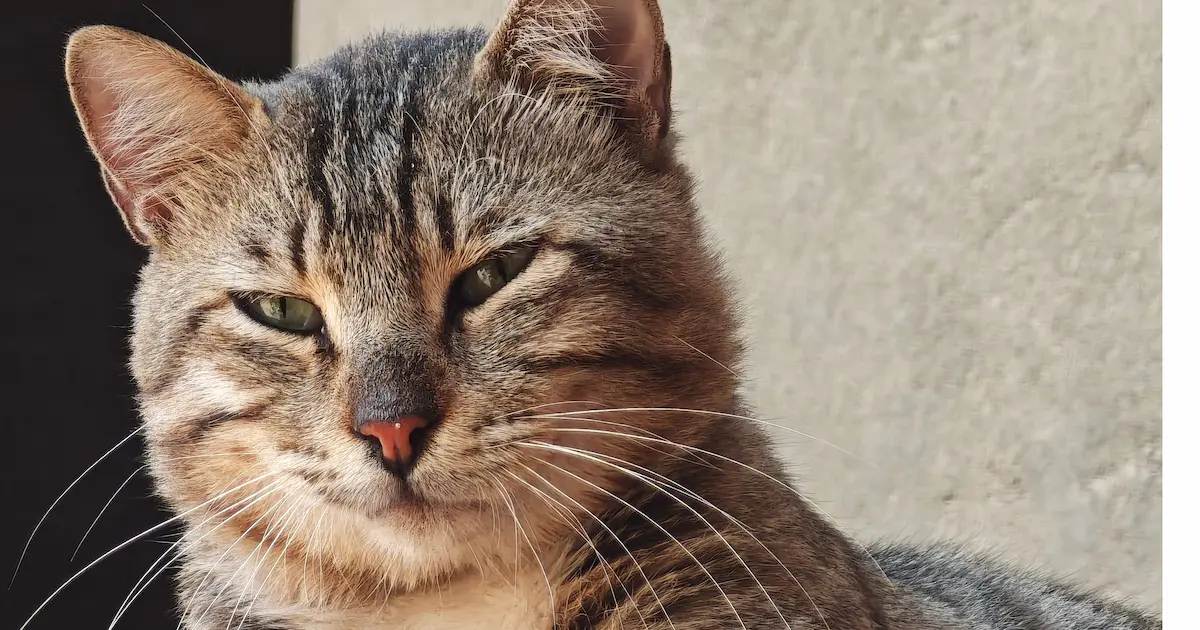
Picture this. You drop a treat, and before it hits the floor a spotted blur has already snatched it and bounced onto the bookshelf. That’s an Egyptian Mau on a normal Tuesday.
This is the only house cat that grew its spots on its own, with no help from breeders mixing in wild blood. It’s also the fastest domestic cat alive, with eyes the color of unripe gooseberries and a habit of chirping at you like a small, worried bird.
Here’s the thing most breed pages skip though. Behind those exotic looks sits a deeply sensitive, one-family cat that startles at loud noises and quietly falls apart when its people ignore it. If you want the full picture before you fall in love, you’re in the right place.
Egyptian Mau Breed Stats at a Glance
| Origin | Egypt by tradition; modern breed shaped in Europe and North America, 1950s |
| Weight (Male) | 8 to 14 lbs |
| Weight (Female) | 6 to 10 lbs |
| Lifespan | 12 to 15 years |
| Coat | Short to medium, silky, with a lustrous sheen |
| Colors | Silver, bronze, smoke (show colors); black, blue and caramel are rarer |
| Energy Level | High |
| Grooming Needs | Low |
| Good With Kids | Yes, best with calm older kids |
| Good With Other Pets | Yes, with slow introductions |
| Average Price | $900 to $2,500 from breeders |
Where the Egyptian Mau Really Came From
The romantic story goes like this. Spotted cats prowled ancient Egypt thousands of years ago, showed up in temple carvings and hieroglyphs, and the Mau is their living descendant. The word “mau” even means cat in old Egyptian, which is a fun detail to drop at parties.
The truth is a little messier, and honestly more interesting. DNA studies suggest the cat we call the Mau today is mostly European and North American in ancestry, not an unbroken line from the pharaohs. The breed as we know it really started in the 1950s with an exiled Russian princess named Natalie Trubetskoy.
She fell for a spotted cat owned by the Egyptian ambassador in Italy, arranged to get cats out of Cairo, and brought the breed to the United States in 1956. From those few founders, the modern Mau was built. So the ancient roots are real in spirit, but the cat on your couch is a 20th century project with a tiny gene pool.
That small founding population matters, and we’ll come back to it when we talk health. For now, just know the Mau is genuinely rare. Only around 7,000 are registered with the Cat Fanciers’ Association, which tells you how few of these cats actually exist.
What an Egyptian Mau Looks Like
The spots are the headline. The Mau is the only naturally spotted domestic cat, and the spots fall in random sizes and shapes across the body, never connecting into stripes. Look closely and you’ll see the spot color sits only on the tips of each hair, which gives the coat a shimmery, almost dusted-with-light effect.
Then there’s the face. Maus wear an “M” mark on the forehead, sometimes called the scarab beetle marking, plus a dark stripe that runs all the way down the spine to the tail tip. The eyes are the real showstopper, a pale gooseberry green that every Mau shares no matter its coat color.
Body-wise, these are lean athletes. They’ve got longer hind legs than front legs, so they stand like they’re up on tiptoe, ready to launch. There’s even a loose flap of skin running from the flank to the back knee, the same feature cheetahs have, which lets them stretch into a bigger stride.
The three show colors are silver, bronze, and smoke. Black, blue, and caramel Maus exist too, but they’re rarer and can’t compete in the show ring. Kittens are born with their spots already faintly visible, and the pattern sharpens and deepens as they grow, usually reaching full glory by three to four years old.
The Egyptian Mau Personality: Loyal, Fast, and Surprisingly Shy
If you want a cat that picks a person and adores them, the Mau delivers. These cats bond hard with their family and follow their favorite human room to room. Many will chirp, trill, and chortle at you rather than yowl, a soft little vocabulary that’s nothing like the loud demands of a Siamese.
Now the part the sales pages skip. The Mau is sensitive. Genuinely so. New people, sudden noises, a dropped pan, a houseful of party guests, all of it can send a Mau diving under the bed. They’re not unfriendly, they’re cautious, and they warm to strangers on their own timeline.
They’re also clever and physical. A bored Mau invents its own entertainment, and you may not love the results. Think opened cabinets, knocked-over glasses, and a cat sprinting laps at midnight. Give them puzzle feeders, a tall perch, and daily play, and that big brain stays out of trouble.
One more quirk that delights new owners: a lot of Maus love water. Don’t be shocked if yours bats at the faucet, joins you at the tub, or carries toys to its water bowl. It’s weird, it’s charming, and it’s very on-brand for this breed.
Is an Egyptian Mau Right for You?
Let’s be real with each other, because this breed isn’t a match for every home. The Mau rewards the right owner and frustrates the wrong one.
An Egyptian Mau is a great fit if you:
- Are home a lot or have another pet to keep it company
- Want an interactive, dog-like cat that plays and follows you around
- Can offer a calmer household without constant chaos and noise
- Enjoy daily play sessions and don’t mind a busy, agile cat
- Are patient enough to let a shy cat trust you on its terms
You may want to look elsewhere if you:
- Travel constantly or work very long days with the cat left alone
- Live in a loud, high-traffic home that would stress a sensitive cat
- Want a mellow lap cat that tolerates being passed around to guests
- Aren’t prepared to childproof, or rather cat-proof, against a champion jumper
The good news is that a Mau in the right home becomes one of the most devoted companions in the cat world. Just go in knowing it’s a relationship, not a decoration.
Egyptian Mau Health Issues to Know About
Overall, the Mau is a hardy, healthy breed. But that small founding gene pool we mentioned earlier means a handful of inherited conditions run in the line, and a good breeder will already be screening for them.
Pyruvate kinase (PK) deficiency. This inherited blood disorder shortens the lifespan of red blood cells and can cause anemia. The bright side is there’s a reliable DNA test, so responsible breeders can identify carriers and avoid producing affected kittens. Always ask if the parents were tested.
Leukodystrophy. This is the scary one, and the one buyers need to understand. It’s a degenerative neurological condition that can show up in kittens as young as seven weeks, with tremors, stiff limbs, and trouble walking, and it’s usually fatal. Here’s the catch: there’s still no carrier test for it. Breeders manage it by tracking pedigrees carefully, not by lab screening, so a breeder’s honesty and records really matter here.
Urolithiasis. Maus can be prone to crystals or stones in the urinary tract. Watch for straining in the litter box, frequent tiny trips, or blood in the urine, and treat any of these as a same-day vet call.
Hypertrophic cardiomyopathy (HCM). Like many breeds, the Mau can develop this thickening of the heart muscle. There’s no cure, but early detection through vet checks helps you manage it and protect quality of life.
One quirk to flag your vet about: Maus tend to be more sensitive to anesthesia and certain medications than the average cat. Mention the breed before any procedure so your vet can dose and monitor accordingly. It’s a small heads-up that can make a big difference.
Grooming and Care
If you’re nervous about coat care, relax. The Mau’s short, silky coat is about as low-effort as cats get. A quick brush once a week keeps shedding down and spreads the natural oils that give that coat its shine.
The usual basics round it out: keep nails trimmed, peek in the ears now and then, and brush those teeth, since dental disease sneaks up on cats of every breed. A simple weekly routine is genuinely all most Maus need.
Here’s a comfort tip people miss. Maus come from a warm-climate heritage and they feel the cold more than many breeds. Yours will hunt down sunny spots, radiators, and warm laps. In winter, a cozy heated bed or a sunny window perch will make your cat noticeably happier.
Feeding and Diet
Maus are obligate carnivores with an athlete’s metabolism, so build the diet around real animal protein. Look for a quality food that names a meat like chicken, turkey, or fish as the first ingredient, and go easy on fillers.
Because urinary stones can be an issue for this breed, hydration is your friend. Mixing in wet food or adding a pet water fountain helps keep things flushing through nicely, and many Maus love drinking from running water anyway.
Watch portions too. These are active cats, but indoor life plus free-feeding can still tip a Mau toward extra weight, which strains the joints and heart over time. Measured meals and a couple of good play sessions keep that lean, spotted physique where it should be.
Exercise and Enrichment for the Fastest Cat Alive
Remember, this is the speed champion of the cat world, clocking up to around 30 miles per hour. You can’t out-run a Mau, so the goal is to give that energy somewhere productive to go.
Vertical space is your secret weapon. A tall cat tree, a few wall shelves, and a window perch turn a normal room into a Mau playground and let them burn energy by climbing and leaping. They’re natural jumpers, so let them go up.
Daily interactive play matters just as much. Wand toys, feather teasers, and a laser pointer tap into that fierce hunting drive. Puzzle feeders and treat balls keep the brain busy on days you’re short on time. Many Maus will even learn to fetch and walk on a harness, so don’t underestimate how trainable they are.
A practical product worth a look:
Tall Multi-Level Cat Tree
A floor-to-near-ceiling cat tree gives a Mau the height and perches it craves, plus scratching posts to spare your furniture. For a climber and jumper this athletic, taller is better.
Living With Kids, Dogs, and Other Cats
Maus can absolutely be family cats, with one condition: the household needs to respect their sensitive side. Calm older kids who understand “let the cat come to you” are a wonderful match. Loud toddlers and constant grabbing, less so.
With other animals, the secret is slow introductions. Bring a new dog or cat in gradually, with separate spaces at first, and a Mau will usually settle into the group nicely. They actually like having a buddy, which solves the “home alone” problem we keep circling back to.
If you work long hours, seriously consider adopting a companion for your Mau, ideally another playful cat. A Mau left alone all day, every day, can get anxious and stressed, and that’s not the life this affectionate breed deserves.
Lifespan and Aging Tips
With good care, your Egyptian Mau should share 12 to 15 years with you, sometimes more. To stretch those years, keep up with annual vet visits, stay on top of dental care, and watch the waistline.
As Maus age, their athleticism can mask early arthritis. If your once-bouncy cat starts hesitating before a jump or skipping its favorite high perch, that’s worth a vet chat rather than a “she’s just getting old” shrug. Senior cats also appreciate easier litter box access and extra warm, soft resting spots.
Keep an eye out for the slow changes too, like cloudier eyes, weight shifts, or new confusion in older age. Catching things early is what turns a scary diagnosis into a manageable one, and your vet is your best partner there.
How Much Does an Egyptian Mau Cost?
Because they’re rare, Maus aren’t cheap. Expect a pet-quality kitten from a reputable breeder to run roughly $900 to $1,400, while show or breeding-quality kittens can climb to $1,500 to $2,500 or more.
The sticker price is only the start, though. Plan for $1,500 to $2,500 in that first year once you add setup gear, vaccinations, spay or neuter, and supplies. Over a full lifetime, a healthy Mau can total somewhere around $15,000 to $20,000 in food, litter, and vet care.
A red flag to remember: a “breeder” who always has kittens on hand, runs many litters at once, won’t show you the parents, or happily takes a credit card with no questions is one to walk away from. Cheap and easy usually means corners were cut on health and socialization.
Where to Find an Egyptian Mau Ethically
Start with breed clubs. Groups like the Egyptian Mau Breeders and Fanciers Club keep lists of members who follow ethical standards, and that’s a far safer starting point than a random online listing.
A trustworthy breeder will happily show you health testing for PK deficiency, let you meet the kitten’s parents, and keep kittens until at least 12 weeks with vaccinations and vet checks done. They’ll ask you plenty of questions too, because they care where their kittens land.
Prefer to adopt? It’s tougher with a rare breed, but not impossible. Breed-specific rescues exist, and you can set breed alerts on adoption sites or let your network know you’re looking. Adoption fees usually land between $100 and $500 and often cover vaccines, microchipping, and spaying or neutering.
Similar Breeds to Consider
- Ocicat: The same wild, spotted look, but created by breeders. Friendlier with strangers and a bit more outgoing than the Mau.
- Bengal: Even more energetic and dramatic in pattern. Great if you want intense activity, but a much bigger commitment to enrichment.
- Abyssinian: A close cousin in build and athleticism, with a ticked coat instead of spots. Confident, busy, and people-focused.
- Savannah: Bigger, taller, and more exotic, with serious energy and space needs. Best for very experienced owners.
Common Myths and Misconceptions
Myth: The Egyptian Mau is an unchanged ancient breed. Lovely story, but DNA says the modern Mau is mostly of European and North American descent, rebuilt in the 1950s. The ancient connection is more spiritual than genetic.
Myth: The spots are somehow enhanced or dyed. Nope. The Mau is the only fully domestic cat whose spots occur naturally, right down to the spot color sitting on the hair tips.
Myth: It’s basically a fancy spotted tabby or a mixed cat. The Mau is a recognized breed with standards across CFA, TICA, FIFe, and GCCF. It’s the real deal.
Myth: Maus are aloof and half-wild like a Bengal. Quite the opposite. They’re sensitive, deeply attached to their people, and more likely to be shy than standoffish.
Myth: This breed is hypoallergenic. No cat truly is. Maus still produce the Fel d 1 allergen, so plan accordingly if allergies are a concern.
Egyptian Mau FAQ
Q: Are Egyptian Maus good pets for first-time owners?
They can be, as long as you’re home often and ready for a high-energy, sensitive cat. A first-timer with time, patience, and a calm home will do well. Someone who’s away constantly may struggle.
Q: How fast can an Egyptian Mau really run?
Up to about 30 miles per hour, which makes the Mau the fastest domestic cat breed. Longer hind legs and an extra flap of belly skin give them that extended, cheetah-like stride.
Q: Do Egyptian Maus like water?
Many do. It’s common for a Mau to play in the sink, paw at faucets, or drop toys into the water bowl. Not every cat does it, but the breed has a reputation for water fascination.
Q: Are Egyptian Maus vocal?
They’re chatty but soft about it. Instead of loud yowls, Maus tend to chirp, trill, and chortle. It’s a gentle, conversational sound rather than constant demanding meows.
Q: How much does an Egyptian Mau cost?
Pet-quality kittens from reputable breeders usually run $900 to $1,400, with show-quality kittens reaching $1,500 to $2,500 or more. Adoption, when available, costs roughly $100 to $500.
Q: Are Egyptian Maus rare?
Yes. With only around 7,000 registered with the CFA, they’re genuinely uncommon, especially outside the United States. Expect a waitlist if you want a kitten from a quality breeder.
Q: Do Egyptian Maus get along with dogs?
Often, yes, with a slow and calm introduction. Maus actually enjoy companionship and frequently bond with cat-friendly dogs once they feel safe in the home.
Q: Why are Egyptian Maus sensitive to anesthesia?
The breed tends to react more strongly to anesthesia and some medications than the average cat. Always tell your vet your cat is a Mau before any procedure so they can adjust dosing and monitoring.
Final Verdict: Should You Get an Egyptian Mau?
If you want a cat that’s beautiful to look at and just as devoted to love, the Egyptian Mau is hard to beat. You get an ancient-looking, lightning-fast, spotted athlete with the soul of a loyal best friend.
The trade-off is honesty about its needs. This is a sensitive, attention-hungry cat that wants your time, a calm home, and patience while it learns to trust. Give it that, and you’ll have one of the most affectionate companions in the cat world for 12 to 15 wonderful years.
So if you’ve got the time, the warmth, and the heart for a cat that bonds for life, the Egyptian Mau might just be the rare gem you’ve been looking for.

Hello and welcome to The Ideal Cat!
We are some passionate cat owners from different professions. We love our cats and have a lot of experience in how to care for our pets. We are incredibly excited to share our knowledge, experience, and research with you. So you can take good care of your loving cat. We will answer most of the common questions about owning cats, taking care of them, etc. If you have any question contact with us. Thanks for visiting! Enjoy the content.
