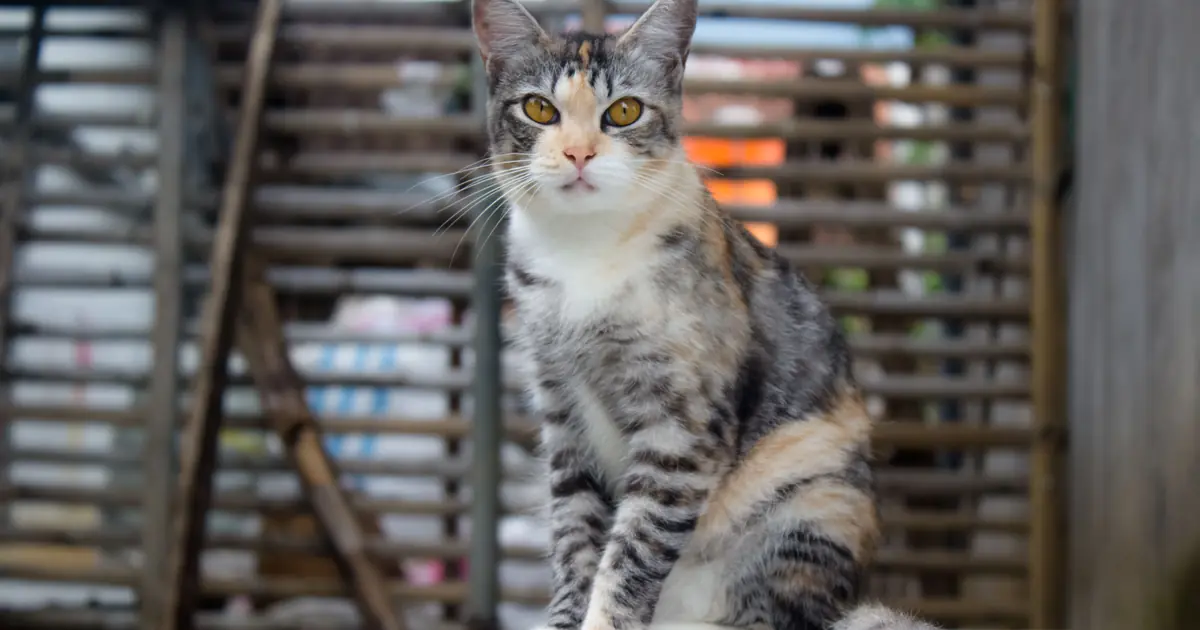
Picture this. You reach down to pet a friendly American Shorthair, except the fur under your hand isn’t soft. It’s springy. A little coarse. Almost like a worn-in wool sweater that bounces back when you press it.
That spring is the whole story of the American Wirehair. One barn kitten, born in 1966, came out with a coat nobody had seen before. And that single quirk turned into one of the rarest cat breeds in the world.
Here’s the thing most articles won’t tell you upfront: you can love this cat completely and still struggle to find one. So let’s talk about what living with an American Wirehair is really like, and whether the wait is worth it for you.
American Wirehair Breed Stats at a Glance
| Origin | United States (upstate New York, 1966) |
| Weight (Male) | 11 to 15 lbs |
| Weight (Female) | 8 to 12 lbs |
| Lifespan | 14 to 18 years |
| Coat | Short, hard, dense, springy and crimped (even the whiskers) |
| Colors | Most traditional colors and patterns; tabby and tabby-with-white are most common |
| Energy Level | Moderate |
| Grooming Needs | Low (and over-grooming can hurt the coat) |
| Good With Kids | Yes, with gentle handling |
| Good With Other Pets | Yes, with slow introductions |
| Average Price | $800 to $1,800 from a reputable breeder |
Where Did the American Wirehair Come From?
The American Wirehair started with one cat. In the spring of 1966, a litter of barn kittens was born on a farm near Verona, in upstate New York. Four looked normal. One little red-and-white male didn’t. His fur was wiry and crimped, right down to his whiskers.
A local Rex breeder, Joan O’Shea, heard about him and went to take a look. She bought the kitten (and one of his normal-coated sisters) and gave him the wonderfully grand name Council Rock Farm Adam of Hi-Fi. That cat is the ancestor of every American Wirehair alive today.
The curl came from a spontaneous genetic mutation, the kind that just happens sometimes in nature. And here’s the part scientists found interesting: the gene behind it, often labeled the Wh gene, is dominant. Breed Adam to a normal cat and you still get wiry kittens. That’s different from the Cornish Rex and Devon Rex, whose curly coats come from recessive genes entirely.
The Cat Fanciers’ Association accepted the breed for registration in 1967 and gave it championship status in 1978. The International Cat Association followed, registering the breed in 1979. From a single farm cat to a recognized breed in about a decade. Not bad.
What Does an American Wirehair Look Like?
An American Wirehair looks a lot like an American Shorthair until you touch it. Same sturdy, medium-sized build. Same round, friendly face and broad chest. The difference is all in the coat.
The wiry coat, up close
The coat is the headline feature, so let’s be specific. Each hair is crimped, hooked, or bent, which gives the whole coat a dense, springy, slightly coarse feel. People reach for the same comparison again and again: it feels a bit like fine steel wool or a tight wool sweater. Even the whiskers can be crimped or curled, which is genuinely charming in person.
Not every wirehair is equally wiry, though. The texture ranges from barely curled to tightly crimped, and the densest, springiest coats are the ones show breeders prize most. The coat is short and low-maintenance, but it’s also a little delicate, and that matters for grooming (more on that below).
Colors and patterns
American Wirehairs come in nearly every traditional cat color and pattern you can think of: solids, tabbies, tortoiseshells, bicolors, and more. Tabby and tabby-with-white are the most common combinations you’ll actually see. The eyes are usually round and gold, though color varies with coat.
Kitten vs adult
Wirehair kittens are often born with the crimp already visible, but the coat keeps developing as they grow. Some kittens look softer early on and “tighten up” into a wirier coat over the first few months. These cats are slow to mature physically, and many don’t reach full adult size until around three to four years old, which is normal for the American Shorthair side of the family too.
What Is the American Wirehair Personality Like?
The American Wirehair personality is easygoing, gentle, and quietly affectionate. This is a cat that takes life as it comes, follows you around without demanding constant attention, and would rather supervise your day than run it.
If you want a cat that screams at 5am for breakfast (looking at you, Siamese), this isn’t it. Wirehairs tend to be calm and even-tempered. They’re affectionate but not clingy, playful but not wild, and they slot into a household with almost zero drama.
A lot of owners notice a sweet little quirk: males often lean laid-back and lazy, while females tend to be the household managers, keeping an eye on everything. Both can be a touch reserved with strangers at first. Give a wirehair a few minutes to size up a new visitor, and the shyness usually melts into curiosity.
Are American Wirehairs friendly? Yes, genuinely. They bond closely with their people, get along with kids and other pets, and tend to be loyal little shadows. They’re just polite about it. A wirehair asks for your lap. A needier breed demands it.
Is the American Wirehair Right for You?
The American Wirehair is a great fit for first-time owners, families, seniors, and busy people who want an affectionate cat that isn’t high-maintenance. It’s a tougher fit if you want a chatty, dramatic, in-your-face cat, or if you need a kitten this month.
An American Wirehair is a great match if you:
- Want a calm, adaptable cat that handles apartment life or a busy family equally well
- Like affection that’s offered, not forced on you
- Prefer low grooming and minimal fuss
- Are patient enough to wait months for the right kitten
- Want a sturdy, generally healthy breed with a long lifespan
Look at another breed if you:
- Crave a vocal, attention-hungry cat that’s always “on”
- Want a kitten quickly and locally (these are hard to find)
- Are set on a soft, silky coat to pet (the wirehair feel isn’t for everyone)
- Have a budget that can’t stretch to breeder prices plus a possible wait
American Wirehair Health Issues to Know About
American Wirehairs are generally a robust, healthy breed with a long lifespan, but they share a few risks with their American Shorthair cousins. The main ones to watch are heart disease, skin sensitivity, and plain old weight gain.
The health condition worth knowing by name is hypertrophic cardiomyopathy (HCM), a disease where the heart muscle thickens and the heart works less efficiently. It’s the most common heart condition in cats overall, and it shows up in this breed’s family line enough that responsible breeders screen for it. Ask any breeder about heart screening before you commit.
The other breed-specific thing is skin. That wiry coat can come with sensitive, sometimes oily skin that’s a bit more prone to irritation, allergies, or yeast issues than the average cat. Most wirehairs never have a problem, but if you notice redness, greasiness, or itching, that’s a vet visit.
And then there’s obesity, which isn’t glamorous but is the quiet health risk for most easygoing indoor cats. A laid-back wirehair plus a full bowl plus a comfy couch adds up fast. Portion control and play keep them trim.
This guide is educational, not a substitute for a vet. For anything that worries you (breathing changes, skin flare-ups, sudden lethargy), call your veterinarian. Routine wellness checks catch most issues early, and many vets recommend periodic heart screening for breeds with any HCM history.
How Do You Groom an American Wirehair?
Grooming an American Wirehair is refreshingly simple, and the golden rule is counterintuitive: do less, not more. Over-brushing can actually damage that springy coat, so leave it alone most of the time.
Brushing (less is more)
You don’t need a daily brushing ritual here. Heavy or frequent brushing can break down the crimped texture and rough up the coat. A gentle once-over now and then is plenty, and the main time it matters is during seasonal shedding in spring, when the old coat lets go. A soft brush, used lightly, is all you need.
Bathing (gentle, and not too often)
Here’s where people get conflicting advice, so let’s be clear. An occasional bath helps clear loose, dead hair and keeps that sometimes-oily skin comfortable. But over-bathing is a real mistake with this breed. Too-frequent baths or harsh shampoos strip natural oils and can leave the skin dry, irritated, or weirdly waxy. Bathe only when your cat actually needs it, use a gentle cat-safe shampoo, and rinse well.
The rest of the routine
Everything else is standard cat care. Check the ears (some wirehairs have a touch more wax), trim nails every couple of weeks, and keep up dental care. That’s genuinely it. This is one of the lowest-effort coats in the cat world.
What Should You Feed an American Wirehair?
Feed an American Wirehair a high-quality, protein-rich cat food appropriate for its life stage, and watch portions closely, because this easygoing breed gains weight easily. There’s no special breed diet, just good basics done consistently.
Cats are obligate carnivores, so animal protein should lead the ingredient list. Many owners do a mix of wet and dry food, which helps with both hydration and keeping mealtimes interesting. Wet food in particular supports urinary and kidney health over a long life.
The single biggest favor you can do a wirehair is to skip free-feeding. A relaxed cat with a bottomless bowl becomes a chunky cat fast, and extra weight strains joints and the heart. Measure meals, go easy on treats, and ask your vet for a target weight if you’re unsure.
How Much Exercise and Play Does an American Wirehair Need?
The American Wirehair has moderate energy, so it needs regular play but won’t bounce off the walls. Two short play sessions a day, plus a few things to climb and watch, keep this breed happy and fit.
These cats love an interactive toy: a wand, a feather teaser, a ball to chase. They’ll play hard for ten or fifteen minutes, then flop and supervise the room. Puzzle feeders are great for them too, partly for the brain workout and partly because anything that slows down eating helps with that weight-gain tendency.
They’re perfectly content as indoor cats, which is also the safest choice. Give them a window perch (the bird channel is a wirehair’s favorite show), a scratching post, and a cozy spot up high, and they’re set. No outdoor roaming required.
Living With Kids, Dogs, and Other Cats
The American Wirehair is one of the more flexible breeds for a busy, multi-member household. It’s patient with respectful kids, friendly with cat-savvy dogs, and usually fine with other cats after a proper introduction.
With children, the wirehair’s calm, tolerant nature is a real asset. They’ll happily hang out with gentle kids and even cuddle, as long as the kids learn the basics (no tail-pulling, no chasing, let the cat come to you). Supervise the little ones, like you would with any cat.
With dogs and other cats, the wirehair tends to be sociable rather than territorial. The key is a slow, low-pressure introduction over days, not minutes: separate spaces first, then scent swapping, then short supervised meetings. Rushed intros cause most of the conflict people blame on personality. Give it time and a wirehair usually settles in beautifully.
How Long Do American Wirehairs Live, and How Do You Help Them Age Well?
American Wirehairs typically live 14 to 18 years, and many sail past that with good care. To help yours age well, keep them lean, keep up vet visits, and adjust their world as they slow down.
In the kitten and young-adult years, focus on socialization, play, and building a vet relationship. Through the middle years, weight management is the whole ballgame: a trim wirehair has a far easier time avoiding joint and heart trouble. Twice-yearly checkups become more valuable as they age, especially given the breed’s HCM background.
Senior wirehairs appreciate small kindnesses. A litter box with a low side, warm sleeping spots, easier access to favorite perches, and a switch to senior food when your vet suggests it. Watch for changes in appetite, thirst, weight, or activity, since those are often the first clues something’s off in an older cat.
How Much Does an American Wirehair Cost?
An American Wirehair kitten usually costs between $800 and $1,800 from a reputable breeder, with show-quality or champion-line kittens at the top of that range. The bigger cost, honestly, is patience: because the breed is so rare, you may wait 6 to 12 months for a kitten.
That rarity drives both the price and the wait. There simply aren’t many breeders, and litters are limited, so demand for a specific color or pedigree can stretch the timeline. If a “breeder” offers you a wirehair instantly, cheaply, and with no questions asked, be skeptical.
Then there’s the cost of actually owning one, which is the same as any healthy medium cat:
| Expense | Rough Cost |
|---|---|
| Kitten from a breeder | $800 to $1,800 (one-time) |
| Initial vet, vaccines, spay/neuter, microchip | $300 to $600 (first year) |
| Food and treats | $25 to $60 per month |
| Litter | $15 to $35 per month |
| Routine vet care | $200 to $400 per year |
| Pet insurance (optional) | $15 to $40 per month |
Given the breed’s heart-disease background, pet insurance is worth a serious look while your cat is young and healthy, before anything is flagged as pre-existing.
Where Can You Find an American Wirehair Ethically?
The best place to find an American Wirehair is a registered, health-focused breeder through the CFA or TICA, even though it means a waitlist. Rescue is rare for this breed but always worth checking first.
Signs of a good breeder:
- Screens breeding cats for HCM and shares the results
- Raises kittens in the home, well socialized, not in cages
- Lets kittens go no earlier than around 12 weeks
- Asks you plenty of questions (a good sign they care where kittens land)
- Offers a written health guarantee and a contract
Red flags to walk away from:
- Multiple breeds always “available now” with no waitlist
- No health testing, no vet records, no questions for you
- Won’t let you see where the kittens are raised
- Prices that seem too good to be true for such a rare breed
And don’t rule out adoption. Purebred wirehairs rarely land in shelters, but breed-specific rescues and Petfinder-style listings do occasionally turn one up, sometimes an adult who just needs a calm home.
Similar Breeds to Consider
If you love the American Wirehair but the wait or the coat isn’t right for you, a few breeds scratch a similar itch:
- American Shorthair: The wirehair’s close cousin. Same sturdy build and easygoing personality, but with a normal short coat and far easier to find.
- British Shorthair: Calm, mellow, and round-faced, with a plush coat. A good pick if you want low-drama affection in a softer package.
- Cornish Rex: Curly-coated like the wirehair sounds, but the texture is soft and wavy, not wiry, and the personality is far more active and clownish.
- Devon Rex: Another curly breed, very playful and people-obsessed, with a soft suede-like coat instead of a springy one.
- Maine Coon: If you want big, friendly, and easygoing but don’t care about a short coat, the gentle-giant Coon is a classic.
Common Myths About the American Wirehair
Myth: American Wirehairs are hypoallergenic. Not exactly. Their crimped coat holds loose hairs close to the body, so they may shed and scatter less dander around your home, which some allergy sufferers find easier. But no cat is truly hypoallergenic, and the allergen mostly comes from saliva and skin, not just fur.
Myth: A wirehair is just an American Shorthair with a perm. The coat comes from a real, distinct genetic mutation, not styling. It’s a separate recognized breed, even though the two share a family tree and a body type.
Myth: That curly coat must be high-maintenance. It’s the opposite. The wiry coat needs less grooming than most, and over-grooming actually harms it.
Myth: It’s the same as a Cornish or Devon Rex. Different mutation, different feel. Rex coats are soft and wavy from recessive genes. The wirehair coat is coarse and springy from a dominant gene.
American Wirehair FAQ
Q: Are American Wirehairs rare?
Yes, very. The American Wirehair has long been considered one of the rarest cat breeds, and at times the rarest of all CFA breeds. Few breeders exist, litters are limited, and buyers often wait months for a kitten.
Q: Are American Wirehair cats friendly?
Yes. American Wirehairs are affectionate, loyal, and people-oriented, while staying calm rather than clingy. They can be a little reserved with strangers at first, but they warm up quickly and get along well with kids and other pets.
Q: Do American Wirehairs shed?
They shed minimally for most of the year, with a heavier seasonal shed in spring when the old coat lets go. The crimped texture tends to hold loose hairs close to the body, so you may notice less fur around the house than with many breeds.
Q: How much is an American Wirehair?
An American Wirehair kitten typically costs $800 to $1,800 from a reputable breeder, with champion bloodlines at the higher end. Because the breed is so rare, expect a possible 6 to 12 month wait for a kitten.
Q: What is the difference between an American Wirehair and an American Shorthair?
The main difference is the coat. The American Shorthair has a normal short coat, while the American Wirehair has a hard, springy, crimped coat caused by a dominant gene, sometimes including curly whiskers. Their build and easygoing personality are very similar.
Q: Are American Wirehairs hypoallergenic?
No cat is truly hypoallergenic, including the American Wirehair. That said, their coat traps loose hairs and may spread less dander, which some allergy sufferers tolerate better. Spend time with one before committing if allergies are a concern.
Q: How long do American Wirehair cats live?
American Wirehairs usually live 14 to 18 years, and many live even longer with good care. Keeping them at a healthy weight and scheduling regular vet checkups, including heart screening, helps them reach the top of that range.
Q: Are American Wirehairs good for first-time cat owners?
Yes, they’re a great first cat. American Wirehairs are calm, adaptable, low-maintenance to groom, and generally healthy. The only real hurdle for a beginner is simply finding one, since the breed is rare and often comes with a waitlist.
Final Verdict: Should You Get an American Wirehair?
If you want a sturdy, affectionate, no-drama cat and you’re willing to wait for it, the American Wirehair is a quiet gem. It gives you the easygoing charm of an American Shorthair, plus a one-of-a-kind springy coat you won’t find anywhere else, plus the bragging rights of owning one of the rarest cat breeds around.
The honest downsides are real but small. You’ll likely wait months and pay breeder prices, the coat feel isn’t for everyone, and you’ll want to stay on top of weight and heart health. None of that is a dealbreaker for the right home.
So here’s my take. If you’re after a flashy, talkative, center-of-attention cat, look elsewhere. But if you want a loyal companion that loves you calmly and fits into almost any household, the American Wirehair is absolutely worth the wait.

Hello and welcome to The Ideal Cat!
We are some passionate cat owners from different professions. We love our cats and have a lot of experience in how to care for our pets. We are incredibly excited to share our knowledge, experience, and research with you. So you can take good care of your loving cat. We will answer most of the common questions about owning cats, taking care of them, etc. If you have any question contact with us. Thanks for visiting! Enjoy the content.
