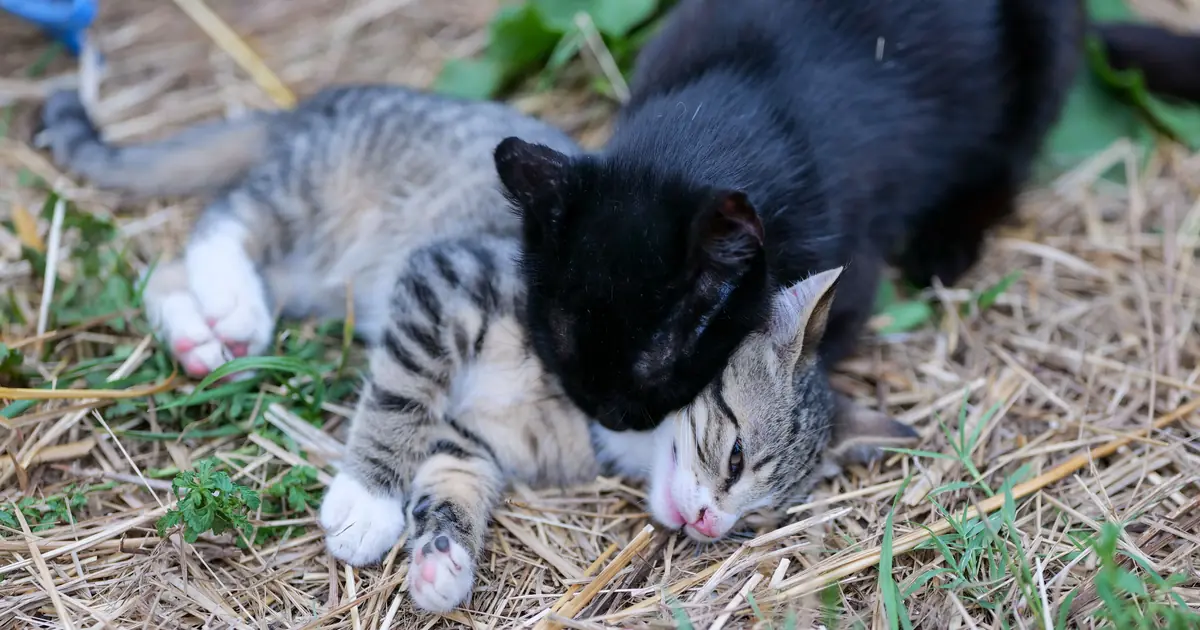
You adopted two kittens from the same litter, or you’re rehoming one and wondering: will they remember each other? Will the one who leaves miss its brother?
It’s a genuinely sweet question, and the answer is a mix of “yes, sort of” and “not the way we’d hope.” Here’s what science and cat behavior tell us.
- Cats recognize siblings mainly by scent, not by remembering faces the way humans do.
- Littermates raised together and kept together can maintain a bond for years.
- If separated young, cats usually lose recognition of each other within months as shared scent fades.
- Reunited adult cats often act like strangers, and may need to be introduced again.
- Cats don’t “grieve” a rehomed sibling the way people imagine, though some notice the change short-term.
How long do cats remember their siblings?
It depends entirely on whether they stay together. Cats that grow up and remain with a sibling can recognize and bond with them for many years. But cats separated as kittens typically stop recognizing each other within a few months, because feline recognition leans heavily on a shared, constantly refreshed scent rather than a lasting mental image of a sibling.
Do cats recognize siblings by scent or memory?
Cats identify each other primarily by smell. Littermates share a group scent from living together, grooming, and sleeping in a pile. As long as they’re together, that scent bond stays strong. Once separated, each cat develops its own scent profile from its new home, and the old shared smell fades, so the recognition tied to it fades too. This is the same scent-first way cats know their people, which we touch on in do cats remember their old owners.
Will littermates stay bonded if kept together?
Yes, siblings raised together often form lasting, close bonds. Cats that stay with a littermate frequently groom each other, sleep curled together, play, and show real distress if separated later. These bonded pairs can maintain their relationship for life, which is a strong argument for adopting littermates together if you can.
What happens if siblings are separated and reunited?
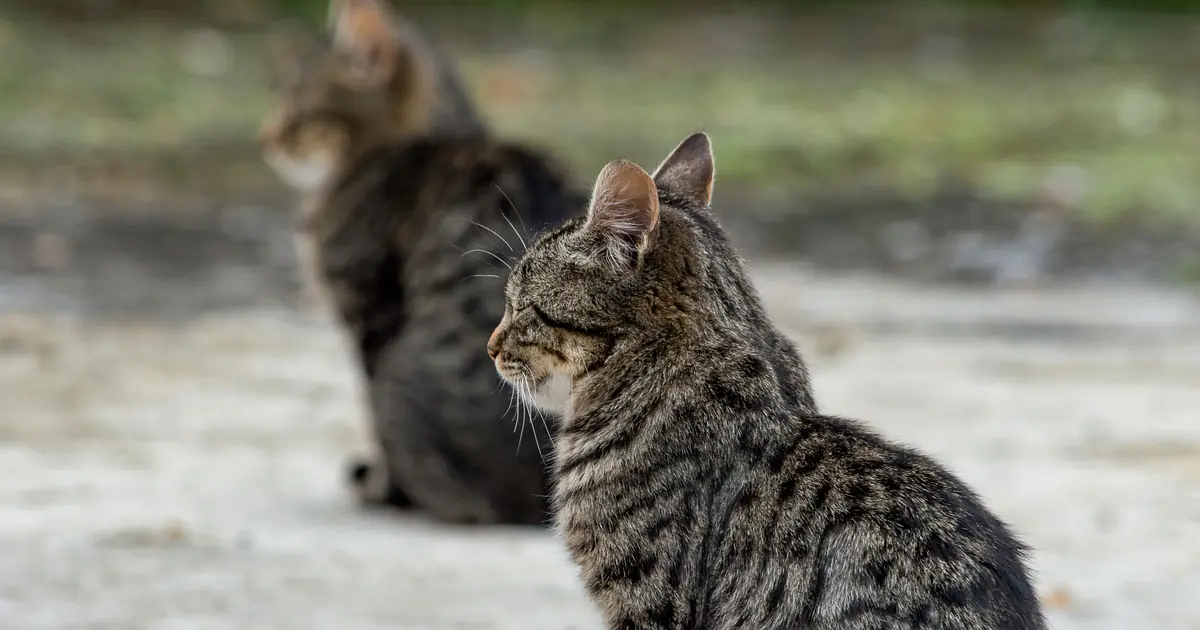
Reunited cats usually treat each other as strangers, not long-lost family. If littermates were separated young and meet again as adults, the shared scent that once linked them is gone, so they often react with the same wariness they’d show any new cat, hissing, cautious sniffing, or indifference. You’d generally need to reintroduce them slowly, as you would any unfamiliar pair.
| Scenario | Likely recognition |
|---|---|
| Raised together, stayed together | Strong, lasting bond for years |
| Separated young, brief time apart | May still recognize for a few months |
| Separated young, reunited as adults | Usually treat each other as strangers |
| Separated at birth / never bonded | No recognition |
Do cats miss their siblings when separated?
Cats can notice a sibling’s absence short-term, but they don’t grieve the way we picture. A cat rehomed away from a littermate may show brief changes, extra vocalizing, searching, or clinginess, especially if the pair was closely bonded. Most adjust within days to weeks as their new routine and scent environment take over. If a remaining cat seems lonely afterward, our guide on whether cats get lonely can help.
Should you keep littermates together?
If you can, adopting and keeping littermates together is often a lovely choice, they already share a bond and can keep each other company. But it’s not mandatory; single cats thrive too. This differs from the mother-kitten relationship, which has its own timeline, covered in do cats remember their kittens. This article is educational and not a substitute for tailored advice. International Cat Care’s guidance on cat relationships and the ASPCA offer more on multi-cat bonds.
Frequently Asked Questions
Q: Do cats remember their siblings after being separated?
Usually only for a few months if separated young, because recognition depends on shared scent that fades once they live apart. Siblings kept together, though, can stay bonded for years.
Q: Will my two cats from the same litter always get along?
Littermates raised together often bond closely for life, grooming and sleeping together. It’s not guaranteed, personalities can shift with maturity, but staying together gives the best odds of a lasting bond.
Q: If I reunite littermates as adults, will they know each other?
Probably not. After a long separation, the shared scent is gone, so reunited adult siblings usually act like strangers and need a slow reintroduction, just like any unfamiliar cats.
Q: Do cats grieve when a sibling is rehomed?
Cats may notice the absence and show brief changes like extra meowing or clinginess, especially if closely bonded, but they don’t grieve the way people imagine. Most adjust within days to weeks.
Q: How do cats recognize their siblings?
Primarily by scent. Littermates share a group smell from living, grooming, and sleeping together. That scent bond drives recognition, which is why it fades once cats are separated and develop their own scents.
Q: Is it better to adopt two kittens from the same litter?
It can be, since littermates already share a bond and keep each other company, which eases boredom and loneliness. But a single kitten can thrive too with enough attention and enrichment.

Hello and welcome to The Ideal Cat!
We are some passionate cat owners from different professions. We love our cats and have a lot of experience in how to care for our pets. We are incredibly excited to share our knowledge, experience, and research with you. So you can take good care of your loving cat. We will answer most of the common questions about owning cats, taking care of them, etc. If you have any question contact with us. Thanks for visiting! Enjoy the content.
