
You lean in, and your cat immediately starts rubbing its face all over your beard, maybe even nibbling it. It’s flattering, a little ticklish, and slightly baffling. What is it about facial hair?
Turns out a beard hits several feline sweet spots at once. Here’s the appeal, decoded.
- A beard is warm, soft, and full of your scent, which cats find comforting and familiar.
- Rubbing a beard is scent-marking (bunting), your cat claiming you as part of its family group.
- Grooming or nibbling a beard mirrors how cats groom each other to bond.
- Trapped food smells and interesting texture can add to a beard’s appeal.
- Beard love is a sign of trust and affection, though nibbling that turns to biting means “enough.”
Why do cats like beards so much?
Cats like beards because they combine warmth, softness, and a concentrated dose of your scent, near your face, where cats most like to interact. To a cat, your beard is a cozy, familiar-smelling spot that’s perfect for rubbing, nuzzling, and marking. It sits right at the level cats greet each other, cheek to cheek, so it naturally draws their attention.
Is beard-rubbing a form of scent marking?
Yes. When your cat rubs its face and cheeks on your beard, it’s depositing scent from glands in its cheeks, a behavior called bunting. This marks you as “theirs” and part of the family group, mingling your scent with the cat’s. It’s the same affectionate claim behind a head-butt.
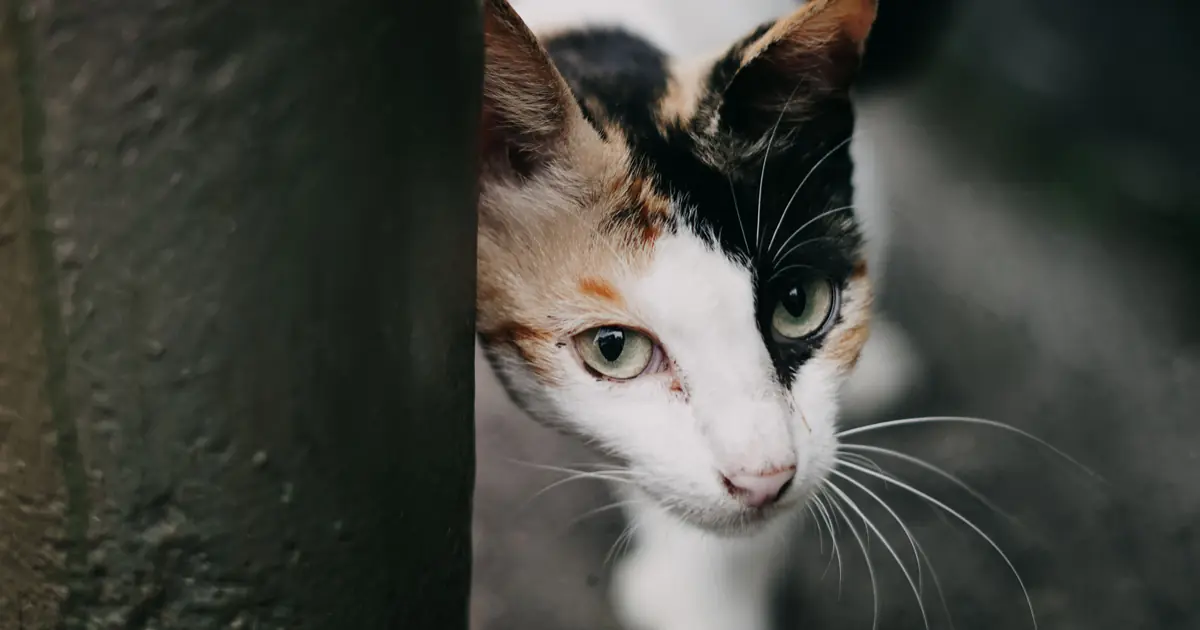
If your cat also bumps its forehead against you, that’s closely related, we cover it in why does my cat headbutt me.
Why does my cat groom or nibble my beard?
Grooming your beard is a bonding gesture borrowed from how cats care for each other. Cats groom family members they trust (allogrooming), so licking or gently nibbling your beard treats you like a fellow cat. Gentle nibbles are usually affectionate. If your cat also licks you elsewhere, our guide on why cats lick you explains the same instinct.
Does my beard smell interesting to my cat?
Very likely. A cat’s sense of smell is far sharper than ours, and a beard traps your natural scent plus traces of food, soap, and the outside world. Those layered smells are fascinating to a cat, which is why some cats investigate a beard right after you eat. It’s part curiosity, part comfort in your familiar scent.
Do all cats like beards?
No, beard love varies by cat. Affectionate, people-oriented cats are more likely to nuzzle facial hair, while aloof or shy cats may ignore it. Personality, past experiences, and how bonded your cat is all play a role. A cat that doesn’t care about your beard isn’t less loving, it just shows affection in other ways, like a slow blink.
| Beard behavior | What it means |
|---|---|
| Cheek rubbing | Scent-marking you as family (bunting) |
| Licking / nibbling | Grooming and bonding, treating you like a cat friend |
| Sniffing intently | Investigating your scent and any food smells |
| Nuzzling and settling in | Seeking warmth and comfort near you |
Should you let your cat play with your beard?
Gentle rubbing and nuzzling are fine and even bonding, but set limits on biting. Enthusiastic nibbling can tip into a real bite or claws near your face, so redirect to a toy if play gets rough, and never encourage biting skin. This article is educational; a cat’s beard affection is normal and healthy. For more on feline social behavior, International Cat Care’s behavior resources and the ASPCA are helpful references.
Frequently Asked Questions
Q: Why does my cat rub its face on my beard?
That’s bunting, or scent-marking. Your cat is depositing cheek-gland scent to claim you as family and blend your smells. It’s one of the clearest signs a cat feels bonded to you.
Q: Why does my cat lick or bite my beard?
Licking and gentle nibbling mimic how cats groom each other to bond, so it’s a sign of trust and affection. If nibbling turns into a real bite, redirect to a toy; that means your cat has had enough.
Q: Do cats like beards because of food smells?
Sometimes. A beard can trap food, soap, and natural scents that a cat’s powerful nose finds interesting. Curiosity about those smells often adds to the warmth-and-scent appeal.
Q: Is it a good sign if my cat loves my beard?
Yes. Beard nuzzling, rubbing, and grooming all signal trust and affection. Your cat sees you as a safe, family-scented companion worth marking and grooming.
Q: Why doesn’t my cat care about my beard?
Personality varies. Aloof or shy cats may simply not engage with facial hair, and that’s normal. Your cat likely shows affection in other ways, like sleeping near you or slow blinking.
Q: Is it safe for my cat to nuzzle my face and beard?
Gentle nuzzling is safe and bonding. Just watch for rough nibbling or claws near your eyes, and redirect play to a toy if needed. Keep your own hygiene in mind, but casual beard affection is harmless.

Hello and welcome to The Ideal Cat!
We are some passionate cat owners from different professions. We love our cats and have a lot of experience in how to care for our pets. We are incredibly excited to share our knowledge, experience, and research with you. So you can take good care of your loving cat. We will answer most of the common questions about owning cats, taking care of them, etc. If you have any question contact with us. Thanks for visiting! Enjoy the content.
