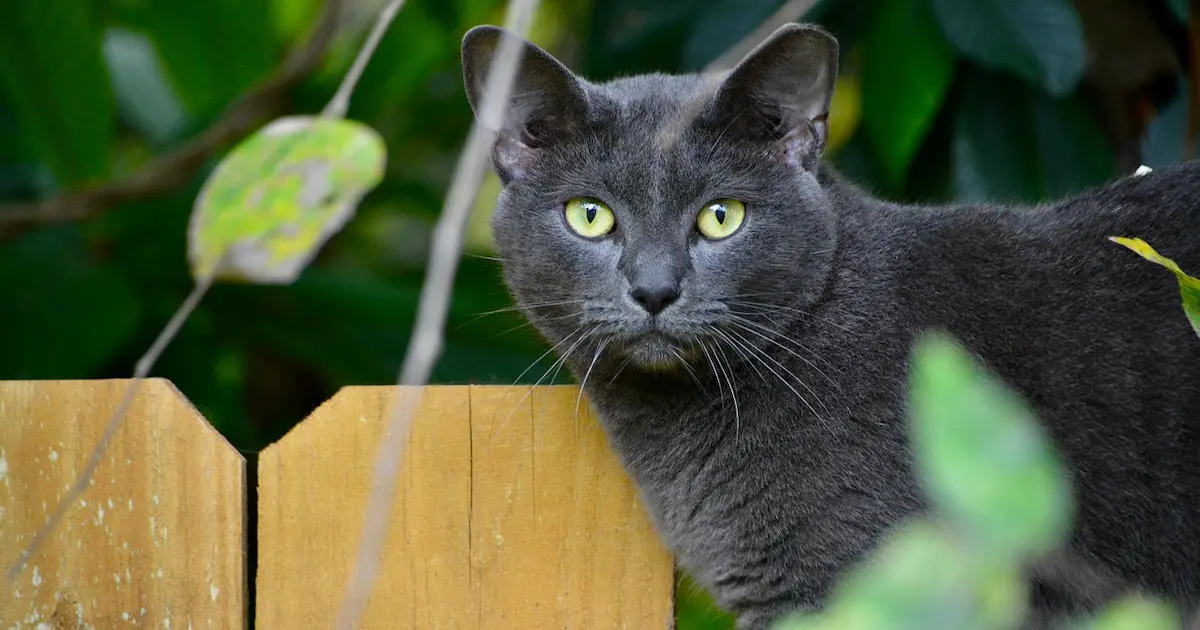
Picture this. You walk into the kitchen at 6 a.m., still half asleep, and a small silver-blue cat is already sitting in the middle of the floor watching you. Not meowing yet. Just staring, like it has an agenda for the day and you are part of it.
That’s the Korat. In Thailand they call it the “Good Luck Cat,” and people there used to give them as wedding gifts because owning one was supposed to bring fortune and a happy marriage. They were never sold, only gifted. Honestly, once you live with one, that tradition starts to make sense.
Here’s the thing though: the Korat is rare, a little bossy, deeply attached to its person, and it carries a serious genetic risk that most buyers never hear about until it’s too late. So before you fall for those heart-shaped faces, let’s go through what owning one is actually like.
Korat Cat Breed Stats at a Glance
| Origin | Thailand (formerly Siam), 14th century or earlier |
| Weight (Male) | 8 to 10 lbs |
| Weight (Female) | 6 to 8 lbs |
| Lifespan | 10 to 15 years (some reach 20) |
| Coat | Short, single coat, low shedding |
| Colors | Silver-tipped blue-grey only (one recognized color) |
| Energy Level | Moderate to High |
| Grooming Needs | Low |
| Good With Kids | Yes, with gentle, respectful kids |
| Good With Other Pets | Yes, with slow intros (likes to be boss) |
| Average Price | $400 to $2,000 from breeders |
The Good Luck Cat: Where the Korat Came From
The Korat is one of the oldest natural cat breeds on the planet. It hasn’t been engineered or reshaped by breeders the way many modern cats have. What you see today is pretty much what wandered around Thailand centuries ago.
Cats that look just like the Korat show up in an ancient Thai manuscript called the Tamra Maew, or the Cat-Book Poems. Scholars date those writings somewhere between 1350 and 1767. One old verse describes the cat’s hair as having tips like silver and roots like clouds, with eyes that shine like dewdrops on a leaf. Not bad for a centuries-old product description.
In Thailand the breed is called the Si-Sawat. “Si” means color, and “sawat” refers to a local seed with a soft grey-blue tint, so the name roughly means “the color of the sawat seed.” The word also carries a sense of good fortune. That’s why Korats were handed out in pairs to newlyweds and respected guests as living good-luck charms, never as something you’d buy at a market.
The breed reached the United States in 1959, when an American named Jean Johnson received a pair from a friend in Thailand. She named them Nara and Darra, and nearly every American Korat traces back to that little family. By 1966 the Cat Fanciers’ Association accepted the Korat for championship competition, and today it’s recognized by CFA, TICA, FIFe, and the other major registries. Despite all that history, it’s still a rare cat, even in Thailand.
What a Korat Actually Looks Like
The first thing people notice is the color. A Korat is silver-blue from nose to tail, and only that color. No tabby stripes, no white patches, no points. Each hair is darker at the root and tipped with silver, which gives the whole cat a soft shimmer in good light. Breeders sometimes call it a halo, and once you see it you’ll get why.
The coat is short, fine, and single-layered. That matters more than it sounds, because a single coat means less shedding and easier grooming than the thick double coats you find on lookalike breeds. Run your hand down a Korat and the fur lies close and smooth, not plush and woolly.
Then there’s the face. The Korat’s head is famously heart-shaped, which is why fans joke that it has “five hearts”: the one in its chest plus the shape of its head, nose, and the curves around its features. The eyes are large, round, and a striking peridot green.
Here’s a detail that trips up new owners. Korat kittens are not born with green eyes. Their eyes start out blue, shift to amber or yellow-green, and don’t settle into that famous bright green until the cat is two to four years old. So if you bring home a kitten with yellowish eyes, relax. Nothing is wrong. The green is coming. Some kittens also show faint “ghost” tabby markings that fade away as they grow up.
Korat vs Russian Blue vs Chartreux: How to Tell Them Apart
This section might save you a thousand dollars, so stick with me. Plenty of grey cats get sold as “Korats” when they’re actually a Russian Blue, a Chartreux, or a lovely mixed-breed shorthair with no papers. The colors are similar enough that a casual buyer can’t tell. Breeders cutting corners know this.
The good news is the differences are clear once you know where to look. Forget the color. Look at the head, the coat, and the eyes.
- Head shape. The Korat has that distinctive heart-shaped head. The Russian Blue’s head is more of a triangle or wedge. The Chartreux has a broad, rounded head with full cheeks.
- Coat. The Korat has a single, close-lying coat. The Russian Blue has a dense double coat that stands out a little from the body. The Chartreux coat is thick and slightly woolly.
- Eyes. Korat and Russian Blue both end up green, but the Chartreux has copper or gold eyes. The Korat’s eyes look rounder and can appear slightly slanted when half-closed, and remember, they may not be fully green yet in a young cat.
- Build. The Korat is semi-cobby, meaning compact and surprisingly heavy when you pick it up. The Russian Blue is finer-boned, longer, and more elegant.
If a “breeder” can’t show you a pedigree tracing back through registered Korat lines, and can’t talk you through genetic testing, treat the cat as a beautiful grey domestic shorthair, not a purebred Korat. There’s nothing wrong with adopting that cat. Just don’t pay purebred prices for it.
Korat Personality: What Living With One Is Really Like
Korats are smart, and they want you to know it. These are problem-solving cats that figure out cabinet doors, watch your routines, and learn which sounds mean food. Leave a puzzle feeder out and a bored Korat will treat it like a personal challenge.
They’re also incredibly people-focused. A Korat doesn’t want to admire you from across the room. It wants to be on your lap, on your desk, on your pillow, supervising. Many Korats pick one favorite person and follow them around the house like a small grey shadow. If you’ve ever wanted a cat that acts a bit like a loyal dog, this is close.
On the bossy side, Korats like to run the show. With other pets they tend to appoint themselves manager and make sure everyone knows the pecking order. It’s usually more attitude than aggression, but it’s real.
They talk, too. Korats aren’t as loud as their Siamese cousins, but they have a wide range of chirps, trills, and demands, and they’ll happily use all of them to get your attention. And one more honest note: Korats mature slowly. Many don’t fully settle into their adult selves until around age five, so expect a long, playful, kitten-ish stretch.
Is a Korat Right for You?
Let’s be honest instead of salesy. A Korat is a wonderful cat for the right home and a frustrating one for the wrong home. Here’s how to tell which you are.
A Korat is a great fit if you:
- Are home often or work from home, so the cat isn’t alone all day
- Want a deeply affectionate, interactive companion
- Enjoy a cat that talks back and follows you around
- Can offer daily play and mental stimulation
A Korat is probably the wrong choice if you:
- Travel constantly or work very long hours away from home
- Want an independent cat that entertains itself
- Prefer a quiet pet that keeps to itself
- Aren’t prepared to research breeders carefully (more on that below)
Korats can struggle with separation anxiety. Left alone too much, they get stressed and unhappy. If your schedule is hectic, a second pet for company helps, but a Korat truly thrives with a present, attentive human.
Korat Health: The GM1 and GM2 Gene You Must Ask About
If you read only one section of this guide, make it this one. Korats are generally robust cats, partly because they’re a natural breed that hasn’t been over-engineered. But the breed carries two related inherited diseases, and they are not minor.
They’re called GM1 and GM2 gangliosidosis. Both are lysosomal storage disorders, which is a fancy way of saying the body can’t break down certain fats inside nerve cells, so they build up and damage the nervous system. Affected kittens develop tremors, lose coordination, and the disease is progressive and fatal, often within the first year of life. It’s heartbreaking, and there’s no cure.
Now the part that matters for you as a buyer. Both diseases are recessive. A kitten only develops the illness if it inherits the bad gene from both parents. A cat with one copy is a healthy “carrier” that shows no symptoms but can pass the gene on. The math is simple: breed two carriers together and roughly one in four kittens can be affected.
Here’s the empowering bit. There is a reliable DNA test. Labs like the UC Davis Veterinary Genetics Laboratory can test a cat with a simple cheek swab and report one of three results:
- N/N (clear): the cat does not carry the gene and cannot pass it on. This is what you want.
- Carrier: the cat carries one copy. It’s healthy, but it must never be bred to another carrier.
- Affected: the cat has two copies and will develop the disease.
So the single most important question you can ask a Korat breeder is this: “Are both parents DNA-tested clear for GM1 and GM2, and can I see the results?” A responsible breeder will say yes immediately and hand you the paperwork. If a breeder waves this off, claims Korats have “no health problems,” or doesn’t know what you’re talking about, walk away. That’s not caution, that’s a deal-breaker.
Beyond the genetic stuff, Korats are prone to the same everyday issues as any cat: weight gain if you free-feed them, and dental disease as they age. Both are manageable with portion control and regular dental care.
Grooming and Care
The good news: grooming a Korat is about as easy as cat care gets. That single, short coat doesn’t mat and doesn’t shed heavily. A light brush once a week is plenty to catch loose hairs and keep the coat shining. A soft rubber grooming mitt works beautifully and most Korats enjoy the attention.
The rest is basic upkeep. Check the ears weekly and wipe them gently if you see wax. Trim nails every couple of weeks. And don’t skip the teeth, since dental disease is one of the more common problems in the breed. Getting your cat used to tooth brushing as a kitten pays off for years.
Feeding and Diet
Korats don’t need a special breed-specific diet, but they do need a good one. Cats are carnivores, so look for a high-quality food where real meat (chicken, turkey, fish) is the first ingredient, with strong animal protein content. A mix of wet and dry food works well for most Korats and helps with hydration.
The one thing to watch is portion size. Korats love food and they’re compact cats, so the calories add up fast. Don’t leave a full bowl out around the clock. Measured meals keep your cat lean, and a lean Korat is a healthier, longer-lived Korat. If you’re unsure on amounts, your vet can help you set a target based on your cat’s weight.
Exercise and Enrichment
This is an active, brainy cat that needs more than a windowsill. A bored Korat invents its own entertainment, and you may not love its choices. Daily play isn’t optional with this breed, it’s part of the deal.
Give your Korat things to climb, since they love getting up high to survey their kingdom. A tall cat tree near a window is a great investment. Rotate toys so they stay interesting, use puzzle feeders to work that clever brain, and set aside real one-on-one play time each day with a wand toy or fetch. Yes, plenty of Korats fetch.
Living With Kids, Dogs, and Other Cats
Korats can do well in a busy family, with a few honest caveats. With children, they tend to be patient and playful as long as the kids are gentle and respect the cat’s space. Teach little ones not to grab or chase, and the relationship usually clicks.
With dogs and other cats, the Korat will get along, but it likes to be in charge. Slow, calm introductions matter here. Rush it and you’ll trigger that bossy streak. Give the Korat time to set the terms and it usually decides the newcomer is acceptable, then proceeds to supervise them forever.
One thing to remember: because Korats bond so tightly to their humans, they sometimes get jealous of attention. Spread the love around and make sure your Korat still gets plenty of solo time with its favorite person.
Lifespan and Aging Tips
Korats typically live 10 to 15 years, and well-cared-for cats often go longer, with some reaching their late teens or even 20. To get there, the basics matter most: keep your cat at a healthy weight, stay on top of dental care, and don’t skip annual vet visits.
As your Korat ages, watch for the usual senior shifts. Less jumping, more sleeping, and sometimes pickier eating. Senior cats benefit from easier access to their favorite high perches, so add a step or a lower platform. Regular checkups catch kidney and thyroid issues early, which are common in older cats of any breed.
How Much Does a Korat Cost?
Expect to pay somewhere between $400 and $2,000 for a Korat from a breeder, with pedigreed kittens from established lines landing at the higher end. The wide range reflects how rare the breed is and how few quality breeders exist, especially in the United States.
Price isn’t the whole cost, though. Budget for the ongoing stuff: good food, litter, annual vet care, dental cleanings, and the occasional surprise. Across a 15-year life, a cat costs far more than its purchase price, so factor that in honestly before you commit.
And here’s the red flag to remember: a suspiciously cheap “Korat” with no pedigree and no health testing is almost never a real, well-bred Korat. You’re either buying a lookalike or a kitten from parents that were never screened for the gangliosidosis genes. In this breed, a low price can be the most expensive mistake you make.
Where to Find a Korat Ethically
Because Korats are rare, you’ll likely join a waitlist rather than picking one up next weekend. That’s normal and actually a good sign. Real Korat breeders are a small, dedicated community, and they care deeply about preserving the lines.
Look for a breeder who:
- DNA-tests both parents clear for GM1 and GM2 and shows you the results
- Provides a written health guarantee
- Lets you meet at least one parent and see where the kittens are raised
- Asks you plenty of questions (good breeders screen homes)
- Registers with CFA, TICA, or another recognized body
Avoid anyone who pressures you, ships kittens too young, dodges health questions, or always has kittens available with no waitlist. Rescue is also worth a look. Purebred Korats rarely land in shelters, but breed-specific rescues and rehoming networks do occasionally have adults needing homes, and an adult Korat can be a wonderful, already-mellowed companion.
Similar Breeds to Consider
If you love the Korat but it isn’t quite the right fit, here are a few alternatives worth a look:
- Russian Blue: similar silver-blue looks, but more reserved and independent. Better for a quieter, less clingy household.
- Chartreux: a sturdy, calm grey cat with copper eyes. Gentle and quiet, great for a laid-back home.
- Siamese: the Korat’s Thai cousin. Just as bonded and chatty, but louder and even more demanding of attention.
- Burmese: another affectionate, people-loving breed that thrives on closeness, with a softer voice.
- Tonkinese: a playful, social middle ground between Siamese and Burmese, ideal if you want devotion without the full Siamese volume.
Common Myths and Misconceptions
Let’s clear up a few things people get wrong about this breed.
“A Korat is just a Russian Blue.” Nope. They’re separate breeds with different origins, head shapes, and coats. The Korat has a single coat and heart-shaped head; the Russian Blue has a double coat and wedge-shaped head.
“Korats are hypoallergenic.” Not true. No cat is truly hypoallergenic, because allergens come from dander and saliva, not just fur. Some allergy sufferers report doing better around Korats thanks to that single coat, but there’s no guarantee. Spend time with one before committing if allergies are a concern.
“Purebred Korats have no health problems.” This is the dangerous one. Korats are generally healthy, but the GM1 and GM2 genes are real and fatal in affected kittens. Any breeder who says otherwise is either uninformed or hiding something.
“My kitten’s eyes are yellow, so it’s not a real Korat.” Calm down, it almost certainly is. Korat eyes take two to four years to turn fully green.
Korat Cat FAQ
Q: Are Korat cats rare?
Yes, very. Korats are considered a minority breed with few active breeders, especially in the United States, and they’re even uncommon in their native Thailand. Expect to join a waitlist rather than find one quickly.
Q: How much does a Korat cat cost?
Most Korats cost between $400 and $2,000 from a breeder, with pedigreed kittens from health-tested lines at the higher end. A cheap Korat with no pedigree or genetic testing is a serious warning sign.
Q: Are Korat cats hypoallergenic?
No cat is truly hypoallergenic, including the Korat. That said, some allergy sufferers tolerate Korats better because of their single, low-shedding coat. Always spend time around one before bringing it home.
Q: Why are my Korat kitten’s eyes not green?
That’s completely normal. Korats are born with blue eyes that pass through amber and yellow-green stages. The famous bright peridot green doesn’t fully develop until the cat is two to four years old.
Q: Are Korat cats vocal?
Yes, though less so than the Siamese. Korats use a range of chirps and trills to communicate and aren’t shy about asking for attention, but they’re usually not constantly loud.
Q: How long do Korat cats live?
Korats typically live 10 to 15 years, and many reach their late teens with good care. Some have lived to around 20. Healthy weight and dental care are the biggest factors in a long life.
Q: Do Korat cats get along with other pets?
Generally yes, with slow introductions. Korats like to be the boss of the household, so give them time to set the social order. Once they accept a new pet, they tend to supervise it happily.
Q: Can Korat cats be left alone all day?
Not ideally. Korats bond closely with their people and can develop separation anxiety if left alone too long. A companion pet helps, but this breed truly does best with an owner who’s home often.
Final Verdict: Should You Get a Korat?
So, is the Korat right for you? If you want a striking, clever, deeply devoted cat and you’ve got the time to give it real attention, this little silver-blue charmer is hard to beat. They’re affectionate without being needy in a bad way, playful for years, and honestly a joy to share a home with.
But go in with your eyes open. Korats want your time, they like running the show, and the gangliosidosis genes mean you absolutely cannot skip the homework on a breeder. Do that part right and you’ll have a healthy companion for a decade and a half or more.
Get the Korat from a careful, honest breeder who tests for GM1 and GM2, give it a lap to sit on and a perch to rule from, and you’ll understand exactly why the people of Thailand call this cat good luck.

Hello and welcome to The Ideal Cat!
We are some passionate cat owners from different professions. We love our cats and have a lot of experience in how to care for our pets. We are incredibly excited to share our knowledge, experience, and research with you. So you can take good care of your loving cat. We will answer most of the common questions about owning cats, taking care of them, etc. If you have any question contact with us. Thanks for visiting! Enjoy the content.
